
Understanding Child Development
Child development is a complex process that involves physical, cognitive, emotional, and social growth and changes in a child from birth to adolescence. Understanding child development is crucial for designing child-friendly spaces and envi…
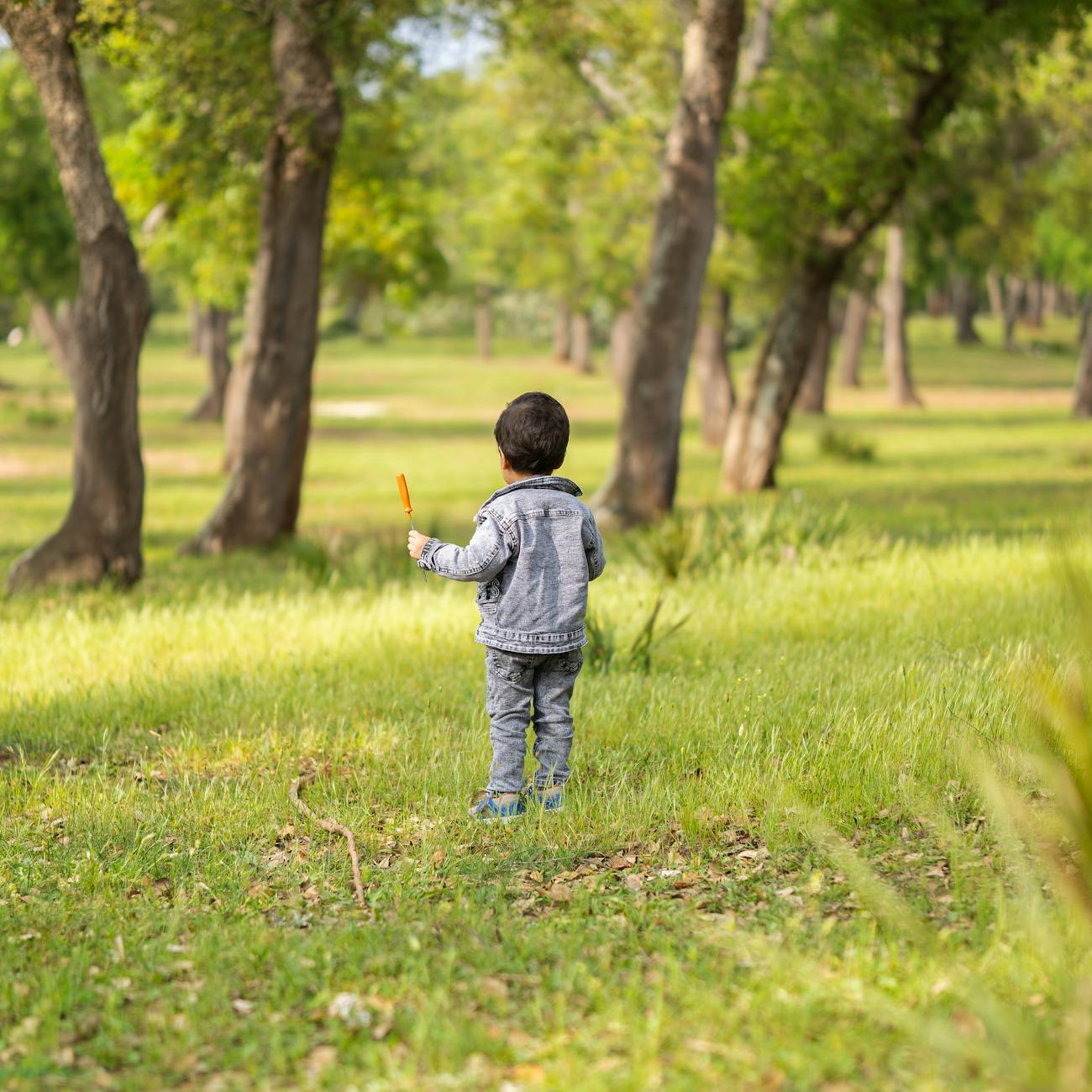
Child development is a complex process that involves physical, cognitive, emotional, and social growth and changes in a child from birth to adolescence. Understanding child development is crucial for designing child-friendly spaces and environments that support and promote children's well-being, learning, and development. This explanation covers key terms and vocabulary related to child development in the context of the Advanced Certificate in Child-Friendly Spaces and Environment Design.
1. Developmental domains: These refer to the different areas of a child's growth and development, including physical, cognitive, emotional, social, and language development. Each domain is interconnected and influences the others. For example, physical development can affect cognitive development, as children need to have certain physical skills to explore and learn about their environment. 2. Milestones: These are specific skills or behaviors that children typically develop at certain ages. For example, a milestone for physical development in infancy might be rolling over, while a milestone for language development in toddlerhood might be using single words. Milestones help professionals and parents track children's development and identify any delays or concerns. 3. Developmental theories: These are frameworks or models that explain how and why children develop in certain ways. Some notable developmental theories include Piaget's cognitive development theory, Erikson's psychosocial development theory, and attachment theory. These theories can guide the design of child-friendly spaces and environments by providing insights into children's needs, abilities, and behaviors at different ages and stages. 4. Zone of proximal development: This is a concept introduced by Lev Vygotsky, which refers to the range of tasks or activities that a child can perform with the help of a more knowledgeable or skilled person, such as a parent, teacher, or peer. In the context of child-friendly spaces and environments, the zone of proximal development can inform the design of activities and materials that challenge and support children's learning and development. 5. Scaffolding: This is a teaching strategy based on Vygotsky's zone of proximal development, which involves providing support and guidance to children as they engage in new or challenging tasks. Scaffolding can involve breaking down tasks into smaller steps, modeling or demonstrating skills, offering feedback and encouragement, and gradually reducing support as children become more competent and confident. 6. Play-based learning: This is an approach to early childhood education that emphasizes the value of play as a means of promoting children's learning, development, and well-being. Play-based learning can involve a variety of activities, such as building with blocks, pretending to cook, or exploring the natural environment. Play-based learning can support children's physical, cognitive, emotional, social, and language development and promote creativity, imagination, and problem-solving skills. 7. Inclusive design: This is a design approach that aims to create spaces and environments that are accessible, usable, and enjoyable for all people, regardless of their age, ability, or background. Inclusive design can involve considering factors such as lighting, color, texture, noise, and layout to create spaces that are welcoming and engaging for children with diverse needs and abilities. 8. Risky play: This is a type of play that involves challenges, uncertainty, and potential harm, such as climbing, jumping, or exploring heights. Risky play can support children's physical, emotional, and social development and promote resilience, self-efficacy, and independence. However, it is important to ensure that risky play is safe and supervised, and that children are taught how to assess and manage risks appropriately. 9. Nature play: This is a type of play that involves interacting with the natural environment, such as climbing trees, digging in the dirt, or observing animals. Nature play can support children's physical, cognitive, emotional, and social development and promote creativity, imagination, and connection to nature. However, it is important to ensure that nature play is safe and supervised, and that children are taught how to respect and protect the natural environment. 10. Cultural sensitivity: This is an awareness and appreciation of the values, beliefs, and practices of different cultural groups, and the ability to adapt one's behavior and communication style accordingly. Cultural sensitivity is important in the design of child-friendly spaces and environments, as children and families come from diverse backgrounds and may have different needs and preferences. Cultural sensitivity can involve considering factors such as language, symbols, images, and activities that reflect and respect children's cultural identities and heritage.
In summary, understanding child development is essential for designing child-friendly spaces and environments that support and promote children's well-being, learning, and development. Key terms and vocabulary related to child development include developmental domains, milestones, developmental theories, zone of proximal development, scaffolding, play-based learning, inclusive design, risky play, nature play, and cultural sensitivity. By incorporating these concepts into the design of child-friendly spaces and environments, professionals and educators can create engaging, challenging, and supportive environments that meet children's diverse needs and abilities.
Examples:
* A children's museum might design an exhibit on the five senses, incorporating hands-on activities that promote sensory exploration and development. This exhibit might include a "touch wall" with different textures, a "sound station" with musical instruments, and a "smell station" with various scents. * A preschool might create a "construction zone" with wooden blocks, hammers, nails, and other materials that encourage children to build and create. This space might include a variety of block sizes and shapes, as well as ramps, wheels, and pulleys for added complexity and challenge. * A park might design a nature play area with logs, boulders, and trees for climbing, digging, and exploring. This area might also include a "mud kitchen" with pots, pans, and utensils for imaginative play, and a "birdwatching station" with binoculars and bird guides. * A library might create a "culturally responsive storytime" program that incorporates books, songs, and activities that reflect the diversity of the community. This program might include bilingual books, multicultural puppets, and cultural holidays and celebrations.
Practical applications:
* Consider the developmental domains and milestones when designing activities and materials for children. For example, provide opportunities for physical activity and movement for infants and toddlers, and incorporate puzzles and games that challenge cognitive skills for preschoolers and school-age children. * Use scaffolding and the zone of proximal development to support children's learning and development. For example, model how to use a new tool or material, provide feedback and encouragement, and gradually reduce support as children become more confident and competent. * Incorporate play-based learning and risky play into the design of child-friendly spaces and environments. Provide opportunities for children to explore, experiment, and take risks in a safe and supervised setting. * Use inclusive design principles to create spaces and environments that are accessible and usable for all children, regardless of their age, ability, or background. Consider factors such as lighting, color, texture, noise, and layout to create spaces that are welcoming and engaging for diverse children and families. * Practice cultural sensitivity when designing child-friendly spaces and environments. Consider the values, beliefs, and practices of different cultural groups, and incorporate symbols, images, and activities that reflect and respect children's cultural identities and heritage.
Challenges:
* Balancing safety and risk in child-friendly spaces and environments. While it is important to provide opportunities for children to take risks and challenge themselves, it is also important to ensure that these activities are safe and supervised. * Addressing the needs and abilities of children with diverse needs and backgrounds. While child-friendly spaces and environments should be inclusive and accessible, they may also need to address specific challenges or barriers that some children face. * Incorporating cultural sensitivity in a meaningful and respectful way. While cultural sensitivity is important, it is also important to avoid stereotypes or assumptions about different cultural groups, and to engage children and families in the design process.
In conclusion, understanding child development is crucial for designing child-friendly spaces and environments that support and promote children's well-being, learning, and development. By incorporating key terms and vocabulary related to child development, such as developmental domains, milestones, developmental theories, zone of proximal development, scaffolding, play-based learning, inclusive design, risky play, nature play, and cultural sensitivity, professionals and educators can create engaging, challenging, and supportive environments that meet children's diverse needs and abilities. However, there are also challenges and considerations in designing child-friendly spaces and environments, such as balancing safety and risk, addressing the needs of diverse children, and incorporating cultural sensitivity in a meaningful and respectful way. By addressing these
Key takeaways
- Understanding child development is crucial for designing child-friendly spaces and environments that support and promote children's well-being, learning, and development.
- Scaffolding can involve breaking down tasks into smaller steps, modeling or demonstrating skills, offering feedback and encouragement, and gradually reducing support as children become more competent and confident.
- By incorporating these concepts into the design of child-friendly spaces and environments, professionals and educators can create engaging, challenging, and supportive environments that meet children's diverse needs and abilities.
- * A library might create a "culturally responsive storytime" program that incorporates books, songs, and activities that reflect the diversity of the community.
- For example, provide opportunities for physical activity and movement for infants and toddlers, and incorporate puzzles and games that challenge cognitive skills for preschoolers and school-age children.
- While cultural sensitivity is important, it is also important to avoid stereotypes or assumptions about different cultural groups, and to engage children and families in the design process.
- In conclusion, understanding child development is crucial for designing child-friendly spaces and environments that support and promote children's well-being, learning, and development.