
Upcycled Textiles and Fabric Manipulation
Upcycled Textiles
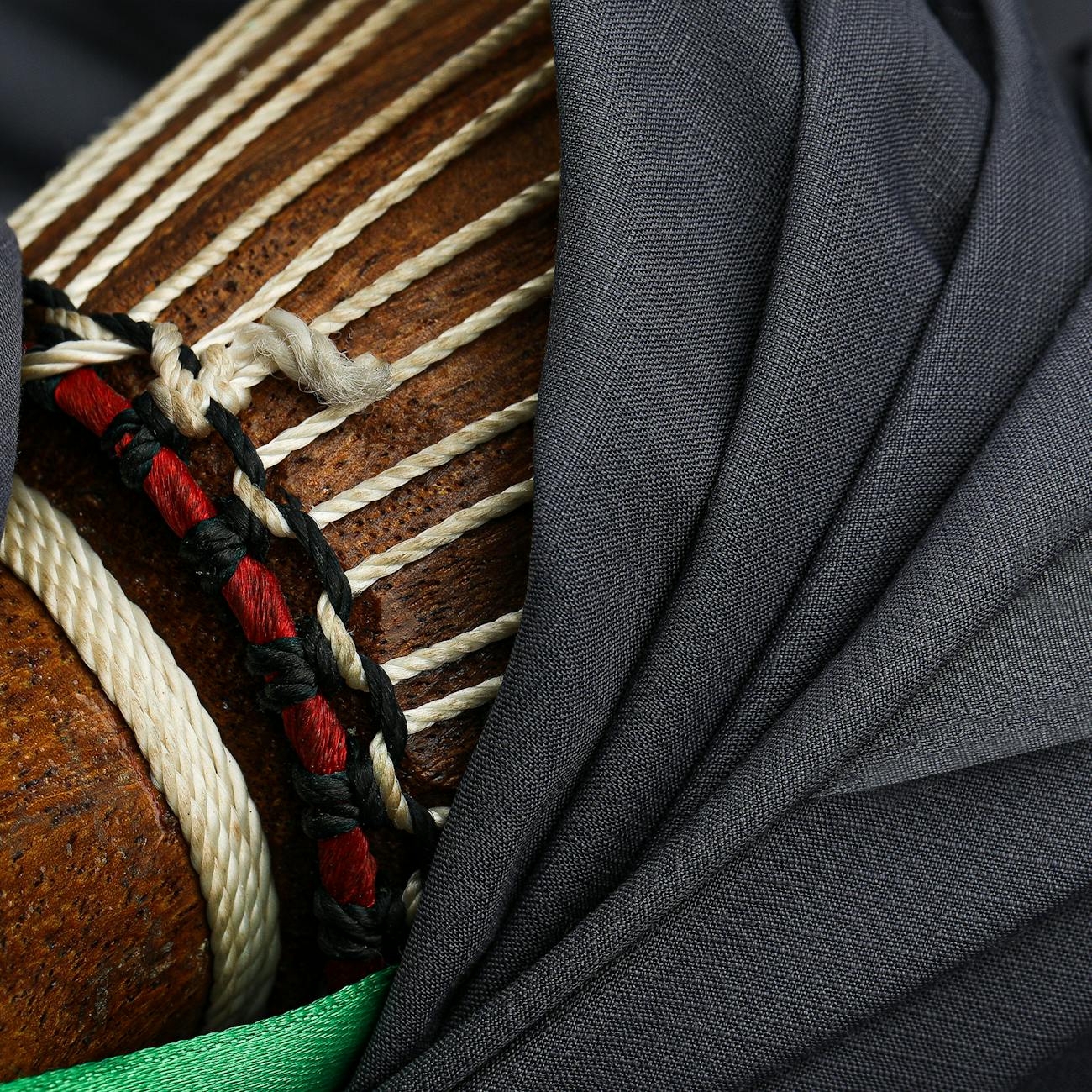
Upcycled Textiles
Upcycled textiles refer to the process of transforming old or discarded textiles into new, higher-value products. This practice helps reduce waste and environmental impact while also showcasing creativity and innovation. Upcycling textiles involves reusing materials in ways that maintain or enhance their quality and functionality.
One common method of upcycling textiles is to repurpose clothing or fabric scraps to create new garments or accessories. For example, old jeans can be turned into a stylish denim tote bag, or a worn-out sweater can be transformed into a trendy scarf. By upcycling textiles, artisans can breathe new life into old materials, giving them a second chance at usefulness and beauty.
Fabric Manipulation
Fabric manipulation is the art of creating three-dimensional textures and designs on fabric by folding, pleating, twisting, or otherwise manipulating the material. This technique allows artists and designers to add depth, volume, and visual interest to textiles, turning flat surfaces into dynamic and sculptural works of art.
There are countless ways to manipulate fabric, each producing unique and stunning results. Some common fabric manipulation techniques include smocking, shirring, gathering, tucking, and quilting. These methods can be used individually or combined to create intricate and elaborate patterns on fabric.
Fabric manipulation is often used in upcycled textiles to elevate the aesthetic value of recycled materials. By incorporating fabric manipulation techniques, artists can transform ordinary fabrics into extraordinary pieces that captivate and inspire.
Key Terms
1. Upcycling: The process of converting waste materials or unwanted products into new materials or products of better quality or value.
2. Textiles: Any material made of interlacing fibers, including fabrics, yarns, and threads, used in the production of clothing, accessories, and household goods.
3. Repurposing: The act of finding new uses for old or discarded items, often through creative and innovative means.
4. Sustainability: The practice of meeting present needs without compromising the ability of future generations to meet their own needs, often through responsible resource management and environmental stewardship.
5. Artisan: A skilled craftsperson or artist who produces handmade goods using traditional techniques and materials.
6. Creativity: The ability to generate new ideas, concepts, or solutions through imagination, originality, and innovation.
7. Innovation: The process of introducing new ideas, methods, or products to improve existing systems or practices.
8. Aesthetic: Concerned with beauty, art, and taste, often referring to the visual appeal or artistic quality of a design or object.
9. Texture: The feel, appearance, or consistency of a surface, often used to describe the tactile qualities of fabrics or materials.
10. Sculptural: Relating to or resembling sculpture, often used to describe three-dimensional forms or structures.
11. Patterns: Repetitive designs or motifs created by arranging elements in a specific sequence or configuration.
12. Dimensional: Having depth or volume, often used to describe objects or designs that appear three-dimensional.
13. Techniques: Methods or processes used to achieve a particular result, often referring to specific skills or practices in art or craft.
14. Embellishments: Decorative elements or details added to enhance the appearance or appeal of a design.
15. Sustainability: The practice of meeting present needs without compromising the ability of future generations to meet their own needs, often through responsible resource management and environmental stewardship.
Materials for Upcycled Textiles
When working with upcycled textiles, artists and designers have a wide range of materials to choose from. These materials can include old clothing, fabric scraps, linens, curtains, upholstery, and more. By repurposing these materials, artisans can create unique and eco-friendly products that reflect their creativity and commitment to sustainability.
One popular source of materials for upcycled textiles is thrift stores or second-hand shops. These establishments often have a diverse selection of clothing and fabrics at affordable prices, making them ideal for upcycling projects. By shopping at thrift stores, artisans can find hidden treasures and overlooked gems that can be transformed into beautiful and one-of-a-kind pieces.
Another source of materials for upcycled textiles is personal wardrobes or closets. By repurposing old or unworn clothing, individuals can give new life to forgotten garments and create fresh and stylish pieces that reflect their personal style. This approach not only reduces waste but also allows for a more sustainable and conscious approach to fashion.
Artisans can also source materials for upcycled textiles from friends, family, or community members. By collecting fabric scraps, old clothes, or discarded textiles from others, artists can expand their creative possibilities and experiment with a variety of materials and textures. This collaborative approach to sourcing materials can foster a sense of community and shared creativity among like-minded individuals.
Fabric Manipulation Techniques
Fabric manipulation techniques are essential skills for artists and designers working with textiles. These techniques allow for the creation of intricate patterns, textures, and designs on fabric, transforming flat surfaces into dynamic and sculptural works of art. By mastering fabric manipulation techniques, artisans can elevate the aesthetic value of their creations and push the boundaries of traditional textile design.
1. Smocking: A decorative stitching technique that gathers fabric into tight pleats or folds, creating a textured and elastic surface. Smocking is often used in garment construction to add fullness and shape to a garment, as well as decorative detailing.
2. Shirring: A method of gathering fabric using elastic thread to create stretchy and ruffled effects. Shirring is commonly used in the construction of waistbands, cuffs, and bodices, as well as for adding texture and dimension to garments.
3. Gathering: The process of drawing fabric together to create fullness or volume. Gathering can be done by hand or with a sewing machine, and is often used to create ruffles, gathers, or pleats in garments and accessories.
4. Tucking: A technique that involves folding and securing fabric to create raised or textured surfaces. Tucking can be done in various patterns and configurations to achieve different effects, such as pintucks, box pleats, or knife pleats.
5. Quilting: The practice of stitching layers of fabric together to create a padded or quilted effect. Quilting can be done by hand or with a sewing machine, and is commonly used in the construction of blankets, quilts, and other textile products.
6. Appliqué: The process of attaching one piece of fabric onto another to create a decorative design or motif. Appliqué can be done using hand stitching, machine stitching, or fusible web, and is often used to add embellishments to garments, accessories, or home decor items.
7. Embroidery: The art of decorating fabric with needle and thread to create intricate patterns, designs, or motifs. Embroidery can be done by hand or with a sewing machine, and is a versatile technique used to add texture, color, and detail to textiles.
8. Pleating: The act of folding fabric back and forth to create crisp, uniform folds or pleats. Pleating can be done in various widths and directions to achieve different effects, such as knife pleats, accordion pleats, or box pleats.
9. Knotting: The technique of tying fabric into knots to create textured or sculptural surfaces. Knotting can be done with various types of knots, such as square knots, half-hitch knots, or overhand knots, to achieve different effects and designs.
10. Ruching: A method of gathering fabric into tight rows or pleats to create a gathered or ruffled effect. Ruching is often used in garment construction to add volume, texture, and visual interest to a design.
Challenges in Upcycled Textiles and Fabric Manipulation
While working with upcycled textiles and fabric manipulation techniques can be rewarding and inspiring, there are also challenges that artisans may face along the way. Overcoming these challenges requires creativity, patience, and problem-solving skills to achieve successful and innovative results.
1. Sourcing Materials: Finding high-quality and suitable materials for upcycled textiles can be a challenge, especially when working with limited resources or budgets. Artisans may need to get creative and resourceful in sourcing materials from thrift stores, personal collections, or community donations to find the right materials for their projects.
2. Technical Skills: Mastering fabric manipulation techniques requires practice, patience, and skill development. Artisans may face challenges in learning new techniques, refining their skills, or troubleshooting issues that arise during the creative process. Continuous practice and experimentation are essential to overcoming technical challenges and improving proficiency in fabric manipulation.
3. Design Innovation: Pushing the boundaries of traditional textile design and creating innovative and unique pieces can be a challenge for artisans. Finding new ways to combine fabric manipulation techniques, experiment with materials, or challenge conventional design norms requires creativity, vision, and a willingness to take risks in the creative process.
4. Sustainability Practices: Balancing creativity with sustainability in upcycled textiles can present challenges for artisans. Ensuring that materials are sourced responsibly, waste is minimized, and environmental impact is reduced requires careful planning, research, and conscious decision-making throughout the design and production process.
5. Time and Patience: Working with upcycled textiles and fabric manipulation techniques can be time-consuming and labor-intensive. Artisans may face challenges in managing time effectively, staying motivated, and persevering through the ups and downs of the creative process. Developing patience, resilience, and time management skills are essential for overcoming these challenges and seeing projects through to completion.
6. Market Awareness: Understanding the market demand, trends, and opportunities for upcycled textiles can be a challenge for artisans. Identifying target audiences, pricing products competitively, and marketing creations effectively requires research, analysis, and strategic planning to succeed in the competitive marketplace.
Practical Applications
Upcycled textiles and fabric manipulation techniques have a wide range of practical applications in the creative arts and design industries. From fashion and accessories to home decor and art installations, these techniques can be used to create unique, sustainable, and visually stunning pieces that captivate and inspire audiences.
1. Fashion Design: Upcycled textiles and fabric manipulation techniques are commonly used in fashion design to create one-of-a-kind garments, accessories, and collections. Designers can repurpose old clothing, fabric scraps, or discarded textiles to create sustainable and innovative fashion pieces that reflect their creativity and commitment to eco-friendly practices.
2. Textile Art: Artists and textile designers often use fabric manipulation techniques to create intricate and expressive artworks that push the boundaries of traditional textile design. By experimenting with pleating, tucking, quilting, and other techniques, artists can transform flat fabrics into dynamic and sculptural works of art that engage and inspire viewers.
3. Home Decor: Upcycled textiles can be used to create unique and sustainable home decor items, such as pillows, throws, curtains, and table linens. By incorporating fabric manipulation techniques like smocking, shirring, or appliqué, artisans can add texture, color, and personality to interior spaces, creating a cozy and inviting atmosphere.
4. Accessories: Upcycled textiles can be transformed into stylish and eco-friendly accessories, such as bags, scarves, hats, and jewelry. By repurposing old fabrics and incorporating fabric manipulation techniques, artisans can create personalized and eye-catching accessories that make a fashion statement while reducing waste and environmental impact.
5. Art Installations: Fabric manipulation techniques can be used to create large-scale art installations and sculptural works that showcase the beauty and versatility of textiles. By combining pleating, gathering, knotting, and other techniques, artists can transform ordinary fabrics into extraordinary and immersive experiences that engage and inspire audiences in public spaces or galleries.
6. Education and Workshops: Upcycled textiles and fabric manipulation techniques can be taught in educational settings, workshops, and community programs to inspire creativity, sustainability, and innovation. By sharing skills, knowledge, and techniques with others, artisans can empower individuals to explore their creativity, experiment with materials, and contribute to a more sustainable and conscious approach to art and design.
Conclusion
Upcycled textiles and fabric manipulation techniques offer endless possibilities for creativity, sustainability, and innovation in the creative arts and design industries. By repurposing old materials, mastering fabric manipulation techniques, and pushing the boundaries of traditional textile design, artisans can create unique, eco-friendly, and visually stunning pieces that captivate and inspire audiences around the world. Through practice, experimentation, and collaboration, artists can transform ordinary fabrics into extraordinary works of art that reflect their creativity, vision, and commitment to a more sustainable and conscious approach to art and design.
Key takeaways
- Upcycled textiles refer to the process of transforming old or discarded textiles into new, higher-value products.
- For example, old jeans can be turned into a stylish denim tote bag, or a worn-out sweater can be transformed into a trendy scarf.
- Fabric manipulation is the art of creating three-dimensional textures and designs on fabric by folding, pleating, twisting, or otherwise manipulating the material.
- Some common fabric manipulation techniques include smocking, shirring, gathering, tucking, and quilting.
- By incorporating fabric manipulation techniques, artists can transform ordinary fabrics into extraordinary pieces that captivate and inspire.
- Upcycling: The process of converting waste materials or unwanted products into new materials or products of better quality or value.
- Textiles: Any material made of interlacing fibers, including fabrics, yarns, and threads, used in the production of clothing, accessories, and household goods.