
Mixed Media Upcycling Projects
Mixed Media Upcycling Projects:
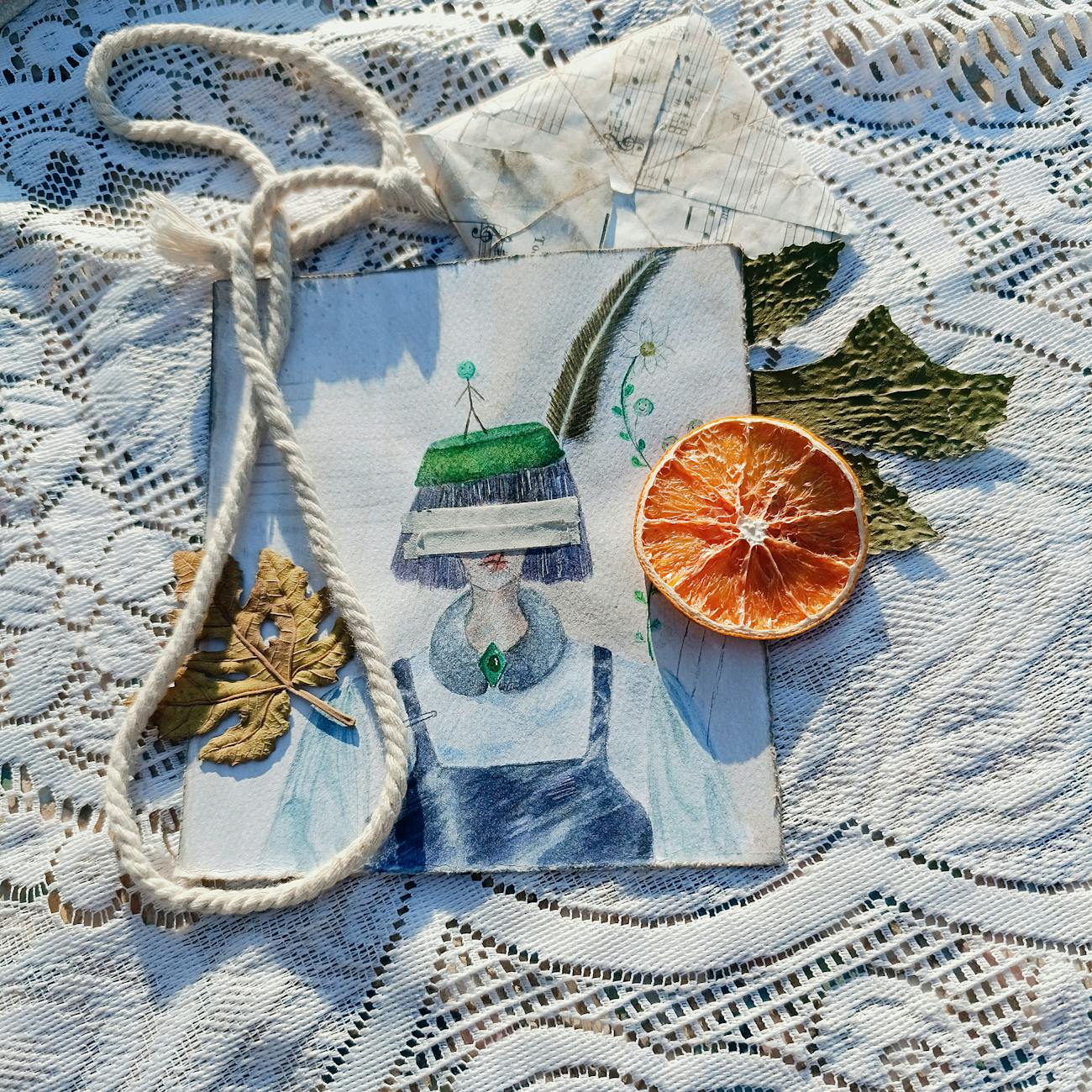
Mixed Media Upcycling Projects:
Mixed media upcycling projects involve using a combination of different materials and techniques to transform discarded or unused items into new, creative pieces of art. This process not only helps reduce waste but also allows artists to experiment with a variety of materials to create unique and visually appealing works of art.
Key Terms and Vocabulary:
1. Upcycling: Upcycling is the process of repurposing old or discarded materials to create new, high-quality products with increased value. Unlike recycling, which breaks down materials to create new ones, upcycling focuses on creatively transforming existing items into something new and useful.
2. Mixed Media: Mixed media refers to the use of multiple materials and techniques in a single artwork. This can include combining painting, collage, sculpture, and other forms of art to create a layered and textured piece.
3. Collage: Collage is a technique that involves assembling different materials, such as paper, fabric, photographs, and other found objects, onto a surface to create a new composition. Collage is commonly used in mixed media upcycling projects to add texture and depth to the artwork.
4. Decoupage: Decoupage is the art of decorating an object by gluing cutouts of paper or fabric onto it and then sealing the surface with a clear varnish or glue. This technique is often used in mixed media upcycling projects to add decorative elements to furniture, accessories, and other items.
5. Embellishments: Embellishments are decorative elements, such as beads, sequins, ribbons, and buttons, that are added to a piece of artwork to enhance its visual appeal. Incorporating embellishments into mixed media upcycling projects can add texture, color, and interest to the final piece.
6. Found Objects: Found objects are everyday items or materials that are repurposed and used in art projects. These can include items like bottle caps, keys, old jewelry, and other discarded or forgotten objects that are transformed into art through upcycling.
7. Texture: Texture refers to the surface quality or feel of an artwork. In mixed media upcycling projects, artists often use a variety of materials and techniques to create texture, such as layering papers, adding fabric, or using textured mediums like gels and pastes.
8. Assemblage: Assemblage is a form of sculpture that involves creating three-dimensional artworks by combining found objects and materials. In mixed media upcycling projects, artists may use assemblage techniques to build intricate and visually engaging sculptures or installations.
9. Repurpose: Repurposing is the act of finding a new use for an item that would otherwise be discarded. In mixed media upcycling projects, artists repurpose materials by incorporating them into their artwork in creative and innovative ways.
10. Layering: Layering is a technique used in mixed media upcycling projects to create depth and visual interest in the artwork. Artists may layer different materials, colors, and textures to build up the composition and add complexity to the piece.
11. Altered Art: Altered art is a form of mixed media art that involves transforming existing objects or images into new works of art through various techniques, such as painting, collage, and embellishment. Altered art often incorporates upcycled materials to create unique and eclectic pieces.
12. Composition: Composition refers to the arrangement of elements within a piece of art. In mixed media upcycling projects, artists carefully consider the composition to create a balanced and visually appealing artwork that effectively communicates their artistic vision.
13. Patina: Patina is a surface layer that develops on materials like metal or wood over time, giving them a weathered or aged appearance. Artists may use patina techniques in mixed media upcycling projects to create a distressed or vintage look in their artwork.
14. Distressing: Distressing is the process of intentionally aging or weathering materials to give them a worn or vintage appearance. Artists may distress materials like wood, paper, or fabric in mixed media upcycling projects to add character and depth to their artwork.
15. Eclectic: Eclectic refers to a style that combines elements from different sources or periods to create a unique and harmonious look. In mixed media upcycling projects, artists often incorporate eclectic elements to create visually dynamic and unconventional artworks.
16. Whimsical: Whimsical describes a playful and imaginative style that is often characterized by bright colors, quirky shapes, and whimsical characters. Artists may use whimsical elements in mixed media upcycling projects to create lighthearted and fanciful artworks.
17. Foundations: Foundations are the base layers or surfaces on which artists build their artwork. In mixed media upcycling projects, artists may use a variety of foundations, such as canvas, wood panels, or repurposed objects, to create a sturdy base for their artwork.
18. Acrylic Mediums: Acrylic mediums are additives that artists mix with acrylic paint to alter its consistency, drying time, or finish. In mixed media upcycling projects, artists may use acrylic mediums to create textured effects, glazes, or other specialized finishes in their artwork.
19. Layered Techniques: Layered techniques involve building up layers of materials, colors, and textures to create depth and complexity in an artwork. Artists may use layered techniques in mixed media upcycling projects to achieve a rich and visually engaging composition.
20. Composition Principles: Composition principles are guidelines that artists use to organize and arrange elements within their artwork. In mixed media upcycling projects, artists may apply composition principles such as balance, contrast, focal point, and unity to create a cohesive and visually pleasing artwork.
21. Textural Effects: Textural effects refer to the tactile quality or appearance of a surface in an artwork. In mixed media upcycling projects, artists may use a variety of materials and techniques to create textural effects, such as layering papers, adding fabric, or using textured mediums like gels and pastes.
22. Color Theory: Color theory is the study of how colors interact with each other and how they can be used to create harmonious or contrasting effects in art. In mixed media upcycling projects, artists may use color theory principles to select and combine colors that enhance the overall composition of their artwork.
23. Emotional Impact: Emotional impact refers to the ability of an artwork to evoke feelings or emotions in the viewer. In mixed media upcycling projects, artists may use a combination of materials, colors, and techniques to create artwork that resonates with viewers on an emotional level.
24. Process-Oriented: Process-oriented art focuses on the act of creating rather than the final outcome. In mixed media upcycling projects, artists may embrace a process-oriented approach to experimentation, exploration, and discovery, allowing the artwork to evolve organically through the creative process.
25. Environmental Consciousness: Environmental consciousness refers to the awareness of the impact of human activities on the environment and the importance of sustainable practices. In mixed media upcycling projects, artists may promote environmental consciousness by repurposing materials, reducing waste, and creating art that raises awareness of environmental issues.
26. Functional Art: Functional art is artwork that serves a practical purpose in addition to being visually appealing. In mixed media upcycling projects, artists may create functional art pieces, such as furniture, home decor, or accessories, that combine artistic expression with utility.
27. Community Engagement: Community engagement involves connecting with others through art and creative activities. In mixed media upcycling projects, artists may engage with their community by hosting workshops, exhibitions, or collaborative projects that promote creativity, sustainability, and social interaction.
28. Challenges:
- One of the challenges in mixed media upcycling projects is sourcing materials. Artists may need to be resourceful and creative in finding discarded or unwanted items to repurpose in their artwork. - Another challenge is achieving a cohesive composition when working with a variety of materials and techniques. Artists must carefully balance the different elements in their artwork to create a harmonious and visually appealing piece. - Balancing creativity with environmental consciousness can also be a challenge in mixed media upcycling projects. Artists must consider the impact of their materials and processes on the environment while still allowing their creativity to flourish. - Experimenting with new techniques and materials can be challenging for artists who are used to working in a single medium. Mixed media upcycling projects require artists to step out of their comfort zones and explore new possibilities in their artwork.
Overall, mixed media upcycling projects offer a unique and creative way for artists to repurpose materials, experiment with different techniques, and create visually engaging artworks that promote sustainability and environmental consciousness. By incorporating a variety of materials, textures, and techniques into their artwork, artists can explore new artistic possibilities and push the boundaries of traditional art forms.
Key takeaways
- Mixed media upcycling projects involve using a combination of different materials and techniques to transform discarded or unused items into new, creative pieces of art.
- Unlike recycling, which breaks down materials to create new ones, upcycling focuses on creatively transforming existing items into something new and useful.
- This can include combining painting, collage, sculpture, and other forms of art to create a layered and textured piece.
- Collage: Collage is a technique that involves assembling different materials, such as paper, fabric, photographs, and other found objects, onto a surface to create a new composition.
- Decoupage: Decoupage is the art of decorating an object by gluing cutouts of paper or fabric onto it and then sealing the surface with a clear varnish or glue.
- Embellishments: Embellishments are decorative elements, such as beads, sequins, ribbons, and buttons, that are added to a piece of artwork to enhance its visual appeal.
- These can include items like bottle caps, keys, old jewelry, and other discarded or forgotten objects that are transformed into art through upcycling.