
Freight Transport Economics
Freight Transport Economics:
Freight Transport Economics:
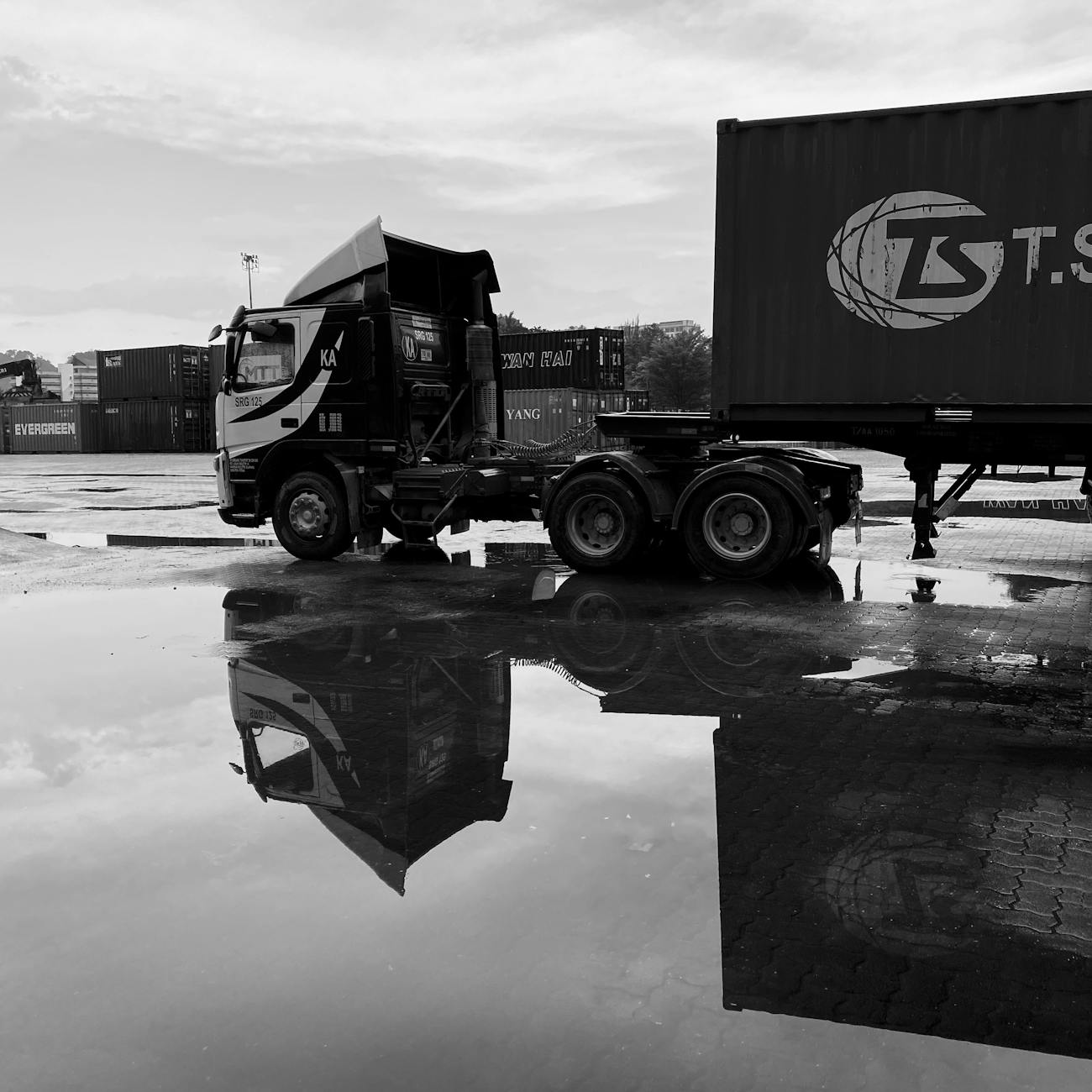
Freight transport economics is a branch of economics that focuses on the study of transportation of goods and commodities from one place to another. It involves analyzing the costs, benefits, and efficiency of various modes of transportation, such as road, rail, air, and sea, in order to make informed decisions about how to transport goods in the most cost-effective and sustainable manner.
Key Terms:
1. Freight: Goods or commodities that are transported from one place to another.
2. Transportation: The movement of goods or people from one place to another using various modes of transportation.
3. Economics: The study of how societies allocate scarce resources to produce goods and services and distribute them among different individuals and groups.
4. Costs: The expenses incurred in the production and transportation of goods, including direct costs such as fuel, labor, and maintenance, as well as indirect costs such as insurance and overhead.
5. Benefits: The positive outcomes or advantages that result from the transportation of goods, such as increased trade, economic growth, and improved access to markets.
6. Efficiency: The ability to achieve maximum output with minimum input, in the context of freight transport, efficiency refers to the cost-effective and timely movement of goods.
7. Modes of Transportation: Different methods of transporting goods, including road, rail, air, and sea.
8. Intermodal Transport: The use of multiple modes of transportation (e.g., road, rail, and sea) to move goods from origin to destination.
9. Logistics: The management of the flow of goods, information, and resources from the point of origin to the point of consumption.
10. Externalities: The unintended consequences of freight transport, such as pollution, congestion, and noise, that are not reflected in the market price.
Key Concepts:
1. Supply and Demand: The fundamental economic principle that determines the price and quantity of goods in a market. In freight transport economics, supply refers to the amount of transportation services available, while demand refers to the amount of goods that need to be transported.
2. Price Elasticity: The responsiveness of demand for transportation services to changes in price. If demand is elastic, a small change in price will result in a proportionally larger change in quantity demanded.
3. Cost-Benefit Analysis: A method of evaluating the economic feasibility of a project or investment by comparing the total costs with the total benefits.
4. Economies of Scale: The cost advantages that arise from increased production or transportation volume. In freight transport, economies of scale can be achieved through larger shipments or more efficient use of transportation assets.
5. Competition: The rivalry among transportation providers to attract customers by offering lower prices, better service, or faster delivery times.
6. Regulation: Government rules and policies that govern the operation of the transportation industry, including safety standards, pricing regulations, and environmental requirements.
7. Public-Private Partnerships: Collaborative arrangements between government entities and private companies to finance, build, and operate transportation infrastructure.
8. Sustainability: The ability to meet the needs of the present without compromising the ability of future generations to meet their own needs. In freight transport economics, sustainability involves minimizing environmental impact, reducing energy consumption, and promoting social equity.
9. Value Chain: The sequence of activities involved in the production and distribution of goods, from raw materials to final consumption. Effective freight transport is essential for optimizing the value chain and reducing costs.
10. Technology: The application of scientific knowledge and innovations to improve efficiency, safety, and sustainability in freight transport. Examples include GPS tracking, automated warehouses, and electric vehicles.
Challenges:
1. Infrastructure: Inadequate or outdated transportation infrastructure can lead to congestion, delays, and higher costs for freight transport.
2. Environmental Impact: Freight transport is a major contributor to air pollution, greenhouse gas emissions, and noise pollution. Finding ways to reduce these environmental impacts is a significant challenge for the industry.
3. Regulatory Compliance: Transportation companies must comply with a wide range of regulations and standards, which can be complex and costly to implement.
4. Security: Ensuring the safety and security of goods in transit is a critical concern, especially in the face of threats such as theft, terrorism, and piracy.
5. Globalization: The increasing interconnectedness of markets and supply chains has led to greater demand for efficient and reliable freight transport services across borders.
6. Labor Costs: Labor is a significant cost factor in freight transport, and fluctuations in wages and working conditions can impact the competitiveness of transportation providers.
7. Technological Disruption: Advances in technology, such as automation, artificial intelligence, and blockchain, are transforming the freight transport industry and creating both opportunities and challenges.
8. Capacity Constraints: Limited capacity in key transportation modes, such as ports, railways, and highways, can lead to bottlenecks and inefficiencies in the movement of goods.
9. Resilience: Building resilience in the freight transport system to withstand shocks and disruptions, such as natural disasters, economic downturns, or geopolitical events, is a critical challenge for the industry.
10. Data Management: The increasing volume of data generated by freight transport operations presents challenges in terms of data collection, analysis, and privacy protection.
Practical Applications:
1. Route Optimization: Using advanced algorithms and software to determine the most efficient routes for transporting goods, taking into account factors such as distance, traffic conditions, and fuel costs.
2. Just-in-Time Delivery: A strategy that aims to minimize inventory holding costs by delivering goods exactly when they are needed, requiring precise coordination and reliable transportation services.
3. Multi-Modal Transport: Combining different modes of transportation to leverage the strengths of each mode and create a seamless, end-to-end transportation solution.
4. Reverse Logistics: Managing the return of goods from the consumer to the manufacturer or retailer, including recycling, refurbishing, or disposing of products in an environmentally responsible manner.
5. Supply Chain Management: Coordinating the flow of goods, information, and funds across the entire supply chain to optimize efficiency, reduce costs, and improve customer satisfaction.
6. Last-Mile Delivery: The final leg of the delivery process, from a distribution center to the end customer, which is often the most costly and challenging part of the supply chain.
7. Freight Pricing: Determining the optimal pricing strategy for transportation services, taking into account factors such as distance, weight, volume, and market demand.
8. Carbon Footprint: Calculating and reducing the greenhouse gas emissions associated with freight transport through measures such as vehicle electrification, fuel efficiency improvements, and modal shift.
9. Supply Chain Visibility: Using technology such as RFID tags, sensors, and data analytics to track and monitor the movement of goods in real-time, enabling greater transparency and control over the supply chain.
10. Circular Economy: Designing products and supply chains to minimize waste, promote reuse and recycling, and create a more sustainable and resource-efficient system.
In conclusion, freight transport economics plays a crucial role in shaping the efficiency, sustainability, and competitiveness of the global economy. By understanding key concepts, addressing challenges, and applying practical solutions, transportation professionals can improve the movement of goods, reduce costs, and mitigate environmental impacts in the freight transport industry.
Key takeaways
- Freight transport economics is a branch of economics that focuses on the study of transportation of goods and commodities from one place to another.
- Freight: Goods or commodities that are transported from one place to another.
- Transportation: The movement of goods or people from one place to another using various modes of transportation.
- Economics: The study of how societies allocate scarce resources to produce goods and services and distribute them among different individuals and groups.
- Costs: The expenses incurred in the production and transportation of goods, including direct costs such as fuel, labor, and maintenance, as well as indirect costs such as insurance and overhead.
- Benefits: The positive outcomes or advantages that result from the transportation of goods, such as increased trade, economic growth, and improved access to markets.
- Efficiency: The ability to achieve maximum output with minimum input, in the context of freight transport, efficiency refers to the cost-effective and timely movement of goods.