
Transport Planning and Management
Transport Planning and Management
Transport Planning and Management
Transport planning and management are essential components of modern society as they play a crucial role in ensuring the efficient movement of people and goods. In the context of the Postgraduate Certificate in Advanced Transport Economics, understanding the key terms and vocabulary associated with transport planning and management is fundamental to developing a strong foundation in this field. In this comprehensive guide, we will explore the key concepts, definitions, and practical applications of transport planning and management.
Transport Economics
Transport economics is a branch of economics that deals with the allocation of resources within the transport sector. It involves analyzing the costs and benefits associated with transportation infrastructure and services to make informed decisions about investments, pricing, and regulation. Transport economics also explores the relationship between transportation and economic development, environmental sustainability, and social equity.
Urban Transport Planning
Urban transport planning focuses on designing and managing transportation systems within urban areas to ensure efficient, safe, and sustainable mobility for residents. It involves analyzing travel patterns, identifying infrastructure needs, and developing policies to improve the overall transport network in cities. Urban transport planning aims to reduce congestion, minimize environmental impacts, and enhance accessibility for all users.
Transport Demand Management
Transport demand management (TDM) refers to strategies and policies aimed at influencing travel behavior to reduce congestion, improve air quality, and enhance the overall efficiency of transportation systems. TDM measures include promoting public transit, carpooling, cycling, and walking, as well as implementing pricing mechanisms such as congestion charges and parking fees. TDM plays a crucial role in shaping travel patterns and reducing the reliance on private cars.
Transport Infrastructure
Transport infrastructure refers to the physical facilities and networks that support the movement of people and goods. This includes roads, railways, airports, ports, and public transit systems. Transport infrastructure plays a vital role in facilitating economic activities, connecting regions, and fostering social interactions. Proper planning and management of transport infrastructure are essential to ensure smooth operations and meet the growing demands of users.
Transport Sustainability
Transport sustainability focuses on balancing the economic, environmental, and social dimensions of transportation to meet the needs of current and future generations. Sustainable transport practices aim to reduce greenhouse gas emissions, promote energy efficiency, and enhance the livability of communities. By integrating sustainability principles into transport planning and management, decision-makers can create more resilient and equitable transport systems.
Transport Modeling
Transport modeling involves using mathematical and computational techniques to simulate and analyze transportation systems. Models help planners and policymakers understand travel patterns, forecast future demand, and evaluate the impacts of different policies and investments. Common types of transport models include traffic flow models, travel demand models, and microsimulation models. Transport modeling is essential for making informed decisions and optimizing the performance of transport networks.
Public Transport
Public transport refers to shared transportation services that are available for use by the general public. This includes buses, trains, trams, ferries, and other modes of transport that operate on fixed routes and schedules. Public transport plays a vital role in providing affordable, accessible, and sustainable mobility options for urban and rural residents. By prioritizing public transport investments and improving service quality, cities can reduce congestion, improve air quality, and enhance overall mobility.
Transport Policy
Transport policy refers to the set of rules, regulations, and guidelines that govern the planning, operation, and management of transportation systems. Transport policies aim to address various challenges such as congestion, air pollution, road safety, and social equity. Effective transport policies promote sustainable modes of transport, encourage efficient land use, and support economic development. By aligning policy objectives with long-term goals, decision-makers can create a more integrated and balanced transport system.
Intelligent Transport Systems
Intelligent Transport Systems (ITS) refer to advanced technologies that are used to improve the efficiency, safety, and sustainability of transportation systems. ITS applications include real-time traffic management, electronic toll collection, traveler information systems, and vehicle-to-infrastructure communication. By harnessing the power of ITS, cities can optimize traffic flow, reduce emissions, and enhance the overall quality of transportation services. ITS plays a crucial role in shaping the future of transport planning and management.
Transport Accessibility
Transport accessibility refers to the ease with which individuals can reach desired destinations using the available transportation options. Accessibility is influenced by factors such as travel time, cost, convenience, and reliability. Improving transport accessibility is essential to enhance social inclusion, economic opportunities, and quality of life for all residents. By designing transport systems that prioritize accessibility, cities can create more equitable and sustainable urban environments.
Transport Equity
Transport equity refers to the fair distribution of transportation benefits and burdens among different social groups. Equity considerations include affordability, accessibility, safety, and quality of service. Addressing transport equity challenges is crucial to ensure that vulnerable populations, such as low-income households and people with disabilities, have equal access to transportation services. By promoting equity in transport planning and management, cities can create more inclusive and resilient communities.
Transport Infrastructure Financing
Transport infrastructure financing involves raising funds to develop, maintain, and operate transportation systems. Financing sources may include public funds, user fees, government grants, and private investments. Effective infrastructure financing mechanisms are essential to ensure the sustainability and resilience of transport networks. By exploring innovative financing models and leveraging public-private partnerships, cities can address funding gaps and deliver high-quality transport infrastructure projects.
Transport Governance
Transport governance refers to the structures, processes, and institutions responsible for making decisions and managing transportation systems. Effective transport governance involves collaboration among government agencies, private sector stakeholders, and community organizations. Good governance practices promote transparency, accountability, and stakeholder engagement in transport planning and management. By fostering strong governance frameworks, cities can enhance the efficiency and effectiveness of their transport systems.
Transport Data Analysis
Transport data analysis involves collecting, processing, and interpreting data to understand travel patterns, behavior, and trends. Data analysis techniques such as GIS mapping, regression analysis, and machine learning help planners and policymakers make evidence-based decisions. By leveraging data-driven insights, cities can optimize transport services, improve infrastructure planning, and address emerging challenges such as climate change and urbanization. Transport data analysis is essential for creating smart and sustainable transportation systems.
Transport Resilience
Transport resilience refers to the ability of transportation systems to withstand and recover from disruptions such as natural disasters, pandemics, and infrastructure failures. Resilient transport systems are adaptable, redundant, and interconnected to ensure continuity of services in challenging circumstances. By incorporating resilience planning into transport policies and investments, cities can enhance their ability to respond to crises and maintain critical transportation services for residents.
Challenges in Transport Planning and Management
Despite the many benefits of transport planning and management, several challenges must be addressed to create sustainable and inclusive transportation systems. These challenges include:
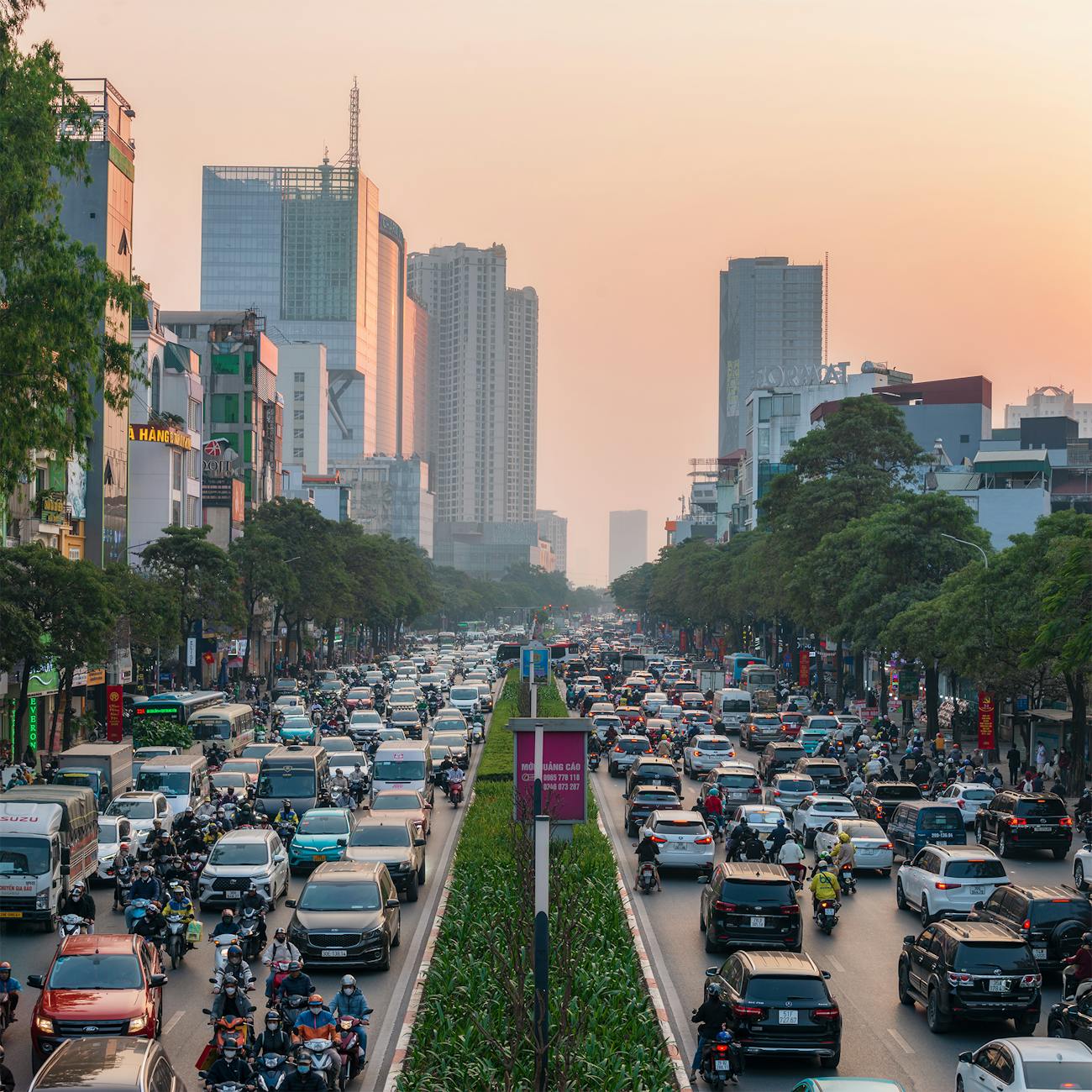
1. **Congestion:** Traffic congestion is a significant problem in urban areas, leading to increased travel times, air pollution, and economic costs. Addressing congestion requires a combination of demand management strategies, infrastructure investments, and policy interventions.
2. **Sustainable Mobility:** Promoting sustainable modes of transport, such as public transit, cycling, and walking, is essential to reduce greenhouse gas emissions and improve air quality. Encouraging modal shifts and reducing car dependency are key priorities for sustainable mobility.
3. **Equitable Access:** Ensuring equitable access to transportation services for all residents, including vulnerable populations, is a critical challenge. Addressing disparities in access, affordability, and quality of service requires targeted policies and investments to promote transport equity.
4. **Infrastructure Maintenance:** Maintaining and upgrading transport infrastructure is essential to ensure the safety and reliability of transportation systems. Funding constraints, aging infrastructure, and competing priorities pose challenges for infrastructure maintenance and renewal.
5. **Technology Integration:** Integrating new technologies, such as ITS, autonomous vehicles, and mobility apps, into transport systems presents opportunities and challenges. Ensuring the interoperability, security, and privacy of technology solutions is essential for maximizing their benefits.
Conclusion
In conclusion, transport planning and management are critical disciplines that shape the efficiency, sustainability, and resilience of transportation systems. By understanding the key terms and vocabulary associated with transport planning and management, students in the Postgraduate Certificate in Advanced Transport Economics can develop a solid foundation in this field. From transport economics and urban planning to sustainability and governance, mastering these concepts is essential for addressing the complex challenges facing modern transportation systems. By applying the principles and practices outlined in this guide, students can contribute to creating more efficient, equitable, and sustainable transport networks for the future.
Key takeaways
- In the context of the Postgraduate Certificate in Advanced Transport Economics, understanding the key terms and vocabulary associated with transport planning and management is fundamental to developing a strong foundation in this field.
- It involves analyzing the costs and benefits associated with transportation infrastructure and services to make informed decisions about investments, pricing, and regulation.
- Urban transport planning focuses on designing and managing transportation systems within urban areas to ensure efficient, safe, and sustainable mobility for residents.
- Transport demand management (TDM) refers to strategies and policies aimed at influencing travel behavior to reduce congestion, improve air quality, and enhance the overall efficiency of transportation systems.
- Proper planning and management of transport infrastructure are essential to ensure smooth operations and meet the growing demands of users.
- Transport sustainability focuses on balancing the economic, environmental, and social dimensions of transportation to meet the needs of current and future generations.
- Models help planners and policymakers understand travel patterns, forecast future demand, and evaluate the impacts of different policies and investments.