
Medical terminology for healthcare support
Medical Terminology Medical terminology is the language used by healthcare professionals to describe symptoms, diagnoses, procedures, and treatments. It is essential for healthcare support workers to have a strong understanding of medical t…
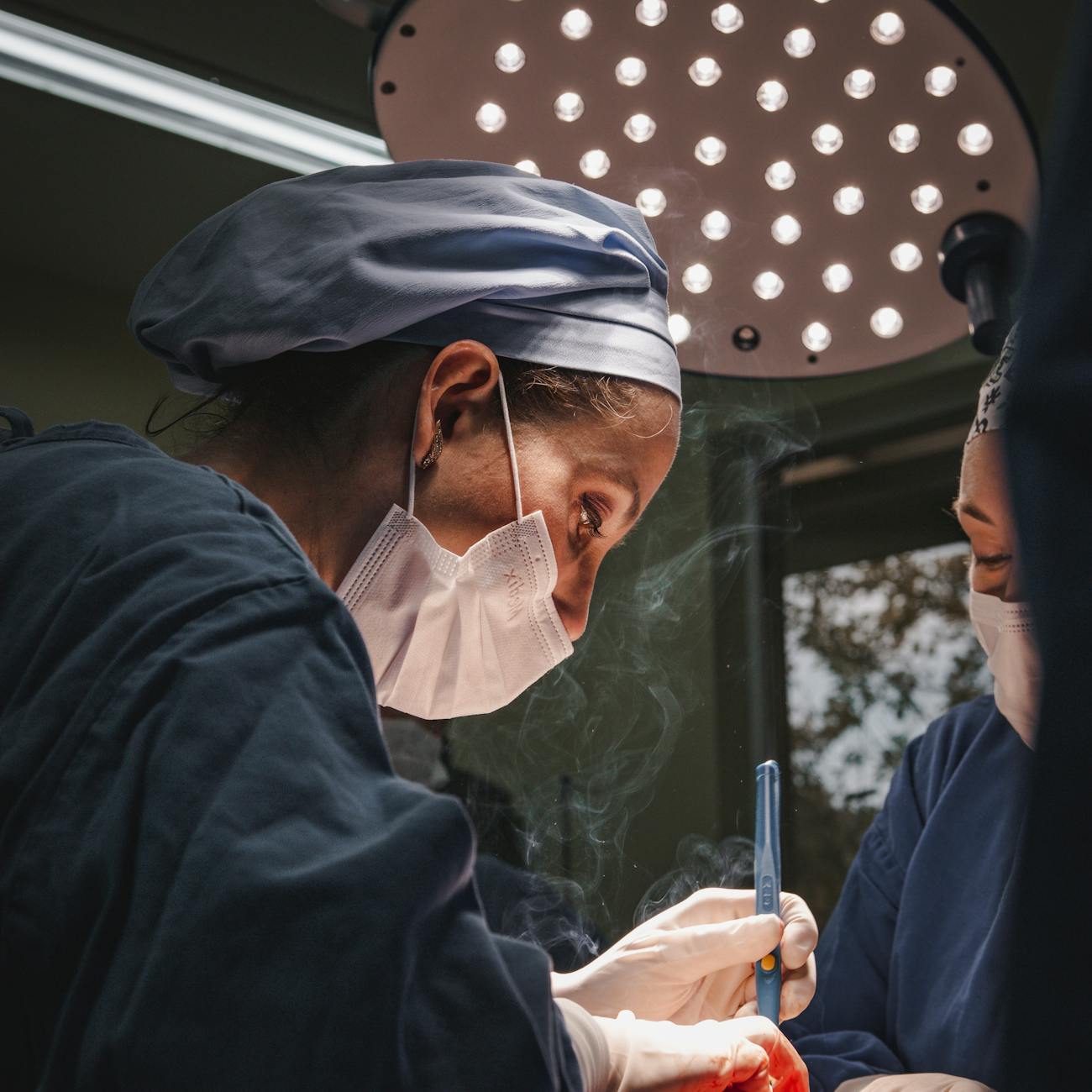
Medical Terminology Medical terminology is the language used by healthcare professionals to describe symptoms, diagnoses, procedures, and treatments. It is essential for healthcare support workers to have a strong understanding of medical terminology to communicate effectively with patients, colleagues, and other healthcare professionals.
Anatomy Anatomy is the study of the structures of the body and how they are organized. Understanding anatomy is crucial for healthcare support workers as it helps them communicate with healthcare professionals about the location of symptoms, injuries, or procedures.
Physiology Physiology is the study of how the body functions. Healthcare support workers need to have a good understanding of physiology to comprehend the processes that occur in the body and how they can affect a patient's health.
Pathophysiology Pathophysiology is the study of how diseases and disorders affect the body's normal function. Healthcare support workers must have knowledge of pathophysiology to understand the underlying mechanisms of diseases and how they impact a patient's health.
Medical Prefixes, Suffixes, and Root Words Medical terminology often consists of prefixes, suffixes, and root words. Prefixes are added to the beginning of a word, suffixes are added to the end, and root words are the core of the term. Understanding these components can help healthcare support workers decipher complex medical terms.
Example: Cardiovascular - Cardi (root word): heart - Vascular (root word): blood vessels - Cardiovascular: pertaining to the heart and blood vessels
Anatomical Directions and Positions Healthcare support workers must be familiar with anatomical directions and positions to describe the location of structures in the body accurately.
Example: - Superior: above - Inferior: below - Anterior: front - Posterior: back - Medial: toward the midline - Lateral: away from the midline
Medical Abbreviations Medical abbreviations are shortened versions of medical terms. Healthcare support workers need to be aware of common medical abbreviations to read and interpret medical records, prescriptions, and other healthcare documents accurately.
Example: - Rx: prescription - NPO: nothing by mouth - CPR: cardiopulmonary resuscitation - ECG: electrocardiogram
Common Medical Prefixes Medical prefixes are added to the beginning of a word to modify its meaning. Healthcare support workers should be familiar with common medical prefixes to understand medical terms more effectively.
Example: - Anti-: against - Dys-: difficult, painful - Hyper-: excessive, above - Hypo-: deficient, below
Common Medical Suffixes Medical suffixes are added to the end of a word to modify its meaning. Healthcare support workers should be knowledgeable about common medical suffixes to decipher medical terms accurately.
Example: - -algia: pain - -ectomy: surgical removal - -itis: inflammation - -osis: abnormal condition
Body Systems The human body is divided into various systems, each with its functions and structures. Healthcare support workers need to have a solid understanding of the body systems to comprehend how they work together to maintain health.
Example: - Cardiovascular system: consists of the heart and blood vessels, responsible for transporting oxygen and nutrients throughout the body. - Respiratory system: includes the lungs and airways, responsible for breathing and exchanging gases. - Digestive system: comprises the stomach, intestines, and other organs, responsible for breaking down and absorbing nutrients from food.
Medical Conditions and Diseases Healthcare support workers encounter a wide range of medical conditions and diseases in their role. Understanding common medical conditions and diseases is essential for providing appropriate care and support to patients.
Example: - Diabetes: a chronic condition characterized by high blood sugar levels. - Hypertension: high blood pressure, a risk factor for heart disease and stroke. - Arthritis: inflammation of the joints, causing pain and stiffness.
Diagnostic Tests and Procedures Healthcare support workers may assist with various diagnostic tests and procedures to help healthcare professionals diagnose and treat patients. Understanding the purpose and process of these tests is crucial for providing quality care.
Example: - X-ray: imaging test that uses radiation to produce images of the body's internal structures. - Blood test: laboratory test that analyzes blood samples to assess a patient's health. - ECG: a test that records the electrical activity of the heart to detect abnormalities.
Medications and Treatments Healthcare support workers may be responsible for administering medications and treatments to patients under the guidance of healthcare professionals. Understanding common medications and treatments is essential for ensuring patient safety and well-being.
Example: - Antibiotics: medications used to treat bacterial infections. - Chemotherapy: a treatment for cancer that uses drugs to kill cancer cells. - Physical therapy: a treatment that involves exercises and techniques to improve mobility and function.
Medical Records and Documentation Accurate documentation is vital in healthcare to ensure continuity of care and patient safety. Healthcare support workers must be proficient in documenting patient information, procedures, and treatments correctly.
Example: - SOAP notes: a method of organizing medical information (Subjective, Objective, Assessment, Plan). - Electronic health records (EHR): digital records of a patient's medical history, treatments, and test results. - Informed consent: a patient's agreement to a treatment or procedure after being informed of the risks and benefits.
Communication in Healthcare Effective communication is essential in healthcare to ensure patients receive the best possible care. Healthcare support workers must be skilled in communicating with patients, families, and other healthcare professionals.
Example: - Active listening: a communication technique that involves fully concentrating on what the speaker is saying and responding appropriately. - Empathy: the ability to understand and share the feelings of another person. - Nonverbal communication: communication through gestures, facial expressions, and body language.
Ethical and Legal Considerations Healthcare support workers must adhere to ethical and legal standards in their practice to protect patient confidentiality and rights. Understanding ethical and legal considerations is crucial for providing quality care within the boundaries of the law.
Example: - HIPAA (Health Insurance Portability and Accountability Act): a law that protects patient confidentiality and privacy. - Informed consent: ensuring patients are fully informed about their treatment options and agree to them voluntarily. - Duty of care: the legal obligation to provide a standard of care to patients based on professional standards.
Cultural Competence Cultural competence involves understanding and respecting the beliefs, values, and practices of patients from diverse cultural backgrounds. Healthcare support workers must be culturally competent to provide care that is sensitive to patients' cultural needs.
Example: - Cultural awareness: recognizing and understanding the cultural differences that may impact a patient's healthcare experience. - Language barriers: challenges in communication that arise when patients and healthcare providers speak different languages. - Cultural humility: a lifelong commitment to self-evaluation and learning about different cultures to provide better care.
Professional Development Continuing education and professional development are essential for healthcare support workers to stay current with advancements in healthcare and improve their skills. Engaging in professional development opportunities can enhance job performance and career advancement.
Example: - Continuing education: courses, workshops, and training programs that help healthcare support workers stay updated on industry trends and best practices. - Certification: obtaining a professional certification in healthcare support to demonstrate competency and credibility in the field. - Networking: building professional relationships with colleagues, mentors, and industry professionals to exchange knowledge and support career growth.
Challenges in Healthcare Support Healthcare support workers may face various challenges in their role, such as high workload, emotional stress, and communication barriers. Developing resilience and coping strategies is essential for overcoming these challenges and providing high-quality care.
Example: - Burnout: physical, mental, and emotional exhaustion from prolonged stress in the workplace. - Compassion fatigue: emotional distress resulting from caring for patients experiencing trauma or suffering. - Conflict resolution: strategies for resolving disagreements or conflicts that may arise in healthcare settings.
Conclusion In conclusion, medical terminology is a critical aspect of healthcare support that healthcare workers must understand to communicate effectively, provide quality care, and navigate the complex healthcare environment. By mastering key terms, vocabulary, and concepts in medical terminology, healthcare support workers can enhance their skills, improve patient outcomes, and contribute to the overall delivery of healthcare services.
Key takeaways
- It is essential for healthcare support workers to have a strong understanding of medical terminology to communicate effectively with patients, colleagues, and other healthcare professionals.
- Understanding anatomy is crucial for healthcare support workers as it helps them communicate with healthcare professionals about the location of symptoms, injuries, or procedures.
- Healthcare support workers need to have a good understanding of physiology to comprehend the processes that occur in the body and how they can affect a patient's health.
- Healthcare support workers must have knowledge of pathophysiology to understand the underlying mechanisms of diseases and how they impact a patient's health.
- Medical Prefixes, Suffixes, and Root Words Medical terminology often consists of prefixes, suffixes, and root words.
- Anatomical Directions and Positions Healthcare support workers must be familiar with anatomical directions and positions to describe the location of structures in the body accurately.
- Healthcare support workers need to be aware of common medical abbreviations to read and interpret medical records, prescriptions, and other healthcare documents accurately.