
Propolis and Its Healing Properties
Propolis and Its Healing Properties
Propolis and Its Healing Properties
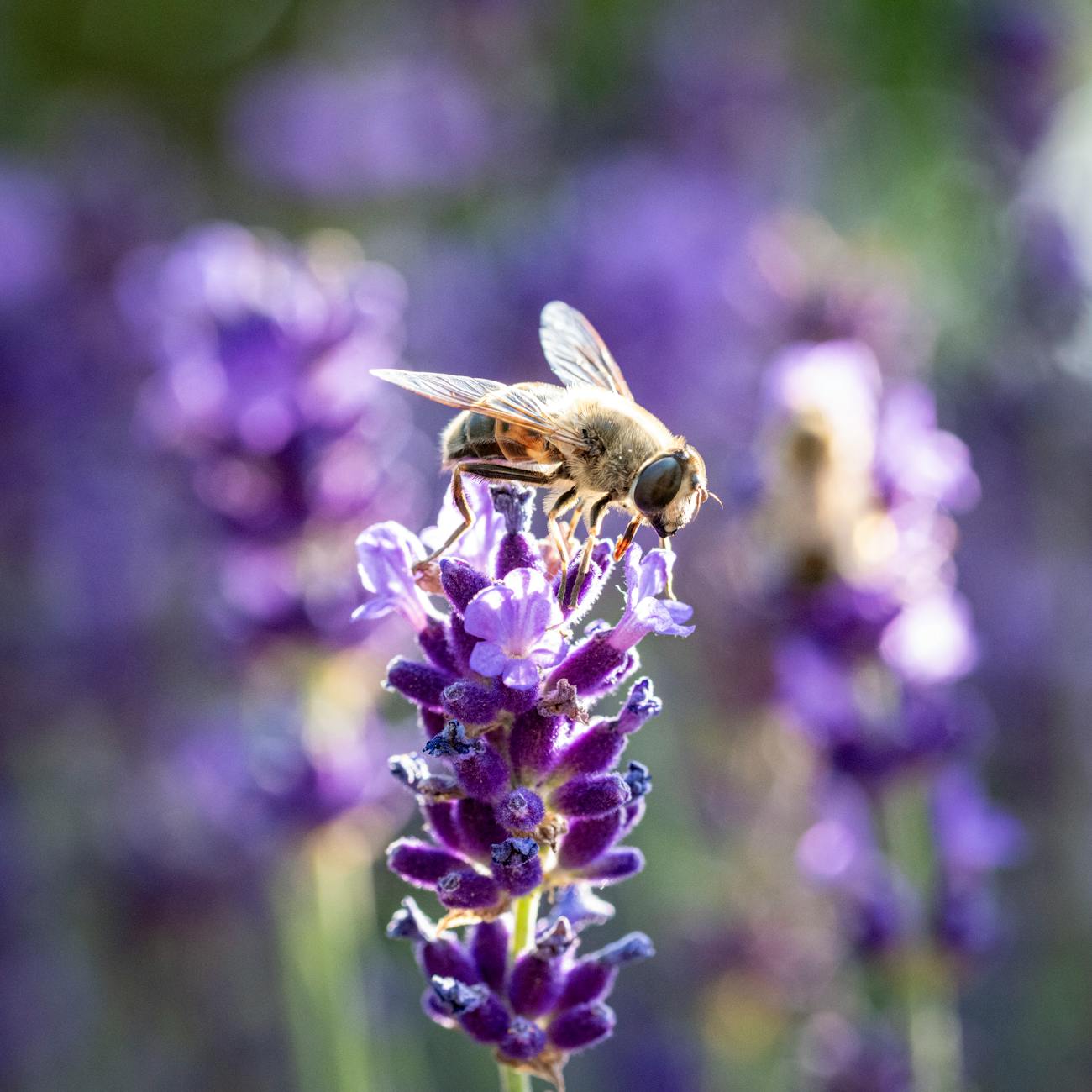
Apitherapy is a branch of alternative medicine that uses bee products, including honey, pollen, royal jelly, and propolis, for therapeutic purposes. Propolis, also known as bee glue, is a resinous substance that bees collect from tree buds, sap flows, or other botanical sources. Bees use propolis to seal small gaps in the hive, smooth out the internal walls, and protect the hive against pathogens.
Key Terms and Vocabulary:
1. Propolis: A resinous substance that bees collect from plants to seal small gaps in the hive, protect against pathogens, and maintain the hive's structural integrity.
2. Apitherapy: The therapeutic use of bee products, including propolis, honey, pollen, and royal jelly, for various health benefits.
3. Antioxidant: Compounds that inhibit oxidation, protecting cells from damage caused by free radicals. Propolis is rich in antioxidants, which may help reduce inflammation and oxidative stress in the body.
4. Anti-inflammatory: Substances that reduce inflammation and swelling. Propolis has anti-inflammatory properties that may help alleviate symptoms of inflammatory conditions like arthritis and skin disorders.
5. Antibacterial: Agents that inhibit the growth of bacteria. Propolis contains compounds with antibacterial properties that can help fight off bacterial infections.
6. Antiviral: Substances that inhibit the growth of viruses. Propolis has antiviral properties that may help prevent or reduce the severity of viral infections.
7. Immune system: The body's defense mechanism against pathogens and foreign substances. Propolis can support the immune system by enhancing the activity of immune cells and promoting overall immune function.
8. Wound healing: The process of repairing damaged tissues. Propolis has been used traditionally to promote wound healing due to its antimicrobial and anti-inflammatory properties.
9. Oral health: The health of the mouth and teeth. Propolis can be used in oral care products like toothpaste and mouthwash to prevent cavities, gum disease, and other oral infections.
10. Topical application: Applying a substance directly to the skin or affected area. Propolis can be used topically in creams, ointments, and balms for skin conditions like eczema, acne, and wounds.
11. Cancer prevention: Measures taken to reduce the risk of developing cancer. Some studies suggest that propolis may have anticancer properties and could potentially help prevent certain types of cancer.
12. Respiratory health: The health of the lungs and respiratory system. Propolis has been used to support respiratory health and may help alleviate symptoms of asthma, bronchitis, and other respiratory conditions.
13. Stress relief: Techniques or substances that help reduce stress and promote relaxation. Propolis may have adaptogenic properties that can help the body cope with stress and improve overall well-being.
14. Anti-fungal: Agents that inhibit the growth of fungi. Propolis contains compounds with antifungal properties that can help treat fungal infections like athlete's foot and nail fungus.
15. Cardiovascular health: The health of the heart and blood vessels. Some research suggests that propolis may have cardiovascular benefits, such as lowering cholesterol levels and reducing the risk of heart disease.
Practical Applications:
- Oral Care: Propolis can be used in toothpaste, mouthwash, and throat sprays to promote oral health and prevent infections. - Wound Healing: Propolis creams and ointments can be applied to cuts, burns, and wounds to promote faster healing and prevent infections. - Skin Care: Propolis balms and serums can be used to treat acne, eczema, and other skin conditions due to their antimicrobial and anti-inflammatory properties. - Respiratory Support: Propolis tinctures and capsules can be taken to support respiratory health and alleviate symptoms of asthma, bronchitis, and allergies. - Immune Boosting: Propolis supplements can be taken to strengthen the immune system and reduce the risk of infections, especially during cold and flu season.
Challenges and Considerations:
- Allergies: Some individuals may be allergic to bee products, including propolis. It is essential to perform a skin patch test before using propolis topically or orally. - Dosage: The appropriate dosage of propolis may vary depending on the individual's age, health condition, and intended use. It is advisable to consult a healthcare professional before starting any propolis regimen. - Quality: The quality of propolis products can vary significantly depending on the source and processing methods. It is crucial to choose high-quality, pure propolis from reputable suppliers. - Interactions: Propolis may interact with certain medications or health conditions. It is important to inform your healthcare provider about any propolis supplementation to avoid potential interactions. - Sustainability: Bee populations are declining worldwide, and the harvesting of bee products like propolis must be done sustainably to ensure the long-term health of bee colonies and ecosystems.
In conclusion, propolis is a versatile natural remedy with numerous healing properties that can benefit various aspects of health and well-being. By understanding the key terms and vocabulary associated with propolis, as well as its practical applications, challenges, and considerations, individuals can make informed decisions about incorporating propolis into their wellness routines. Whether used for oral care, wound healing, skin care, respiratory support, immune boosting, or other purposes, propolis offers a holistic approach to health that harnesses the power of nature.
Key takeaways
- Apitherapy is a branch of alternative medicine that uses bee products, including honey, pollen, royal jelly, and propolis, for therapeutic purposes.
- Propolis: A resinous substance that bees collect from plants to seal small gaps in the hive, protect against pathogens, and maintain the hive's structural integrity.
- Apitherapy: The therapeutic use of bee products, including propolis, honey, pollen, and royal jelly, for various health benefits.
- Antioxidant: Compounds that inhibit oxidation, protecting cells from damage caused by free radicals.
- Propolis has anti-inflammatory properties that may help alleviate symptoms of inflammatory conditions like arthritis and skin disorders.
- Propolis contains compounds with antibacterial properties that can help fight off bacterial infections.
- Propolis has antiviral properties that may help prevent or reduce the severity of viral infections.