
Royal Jelly and Its Therapeutic Uses
Royal Jelly and Its Therapeutic Uses
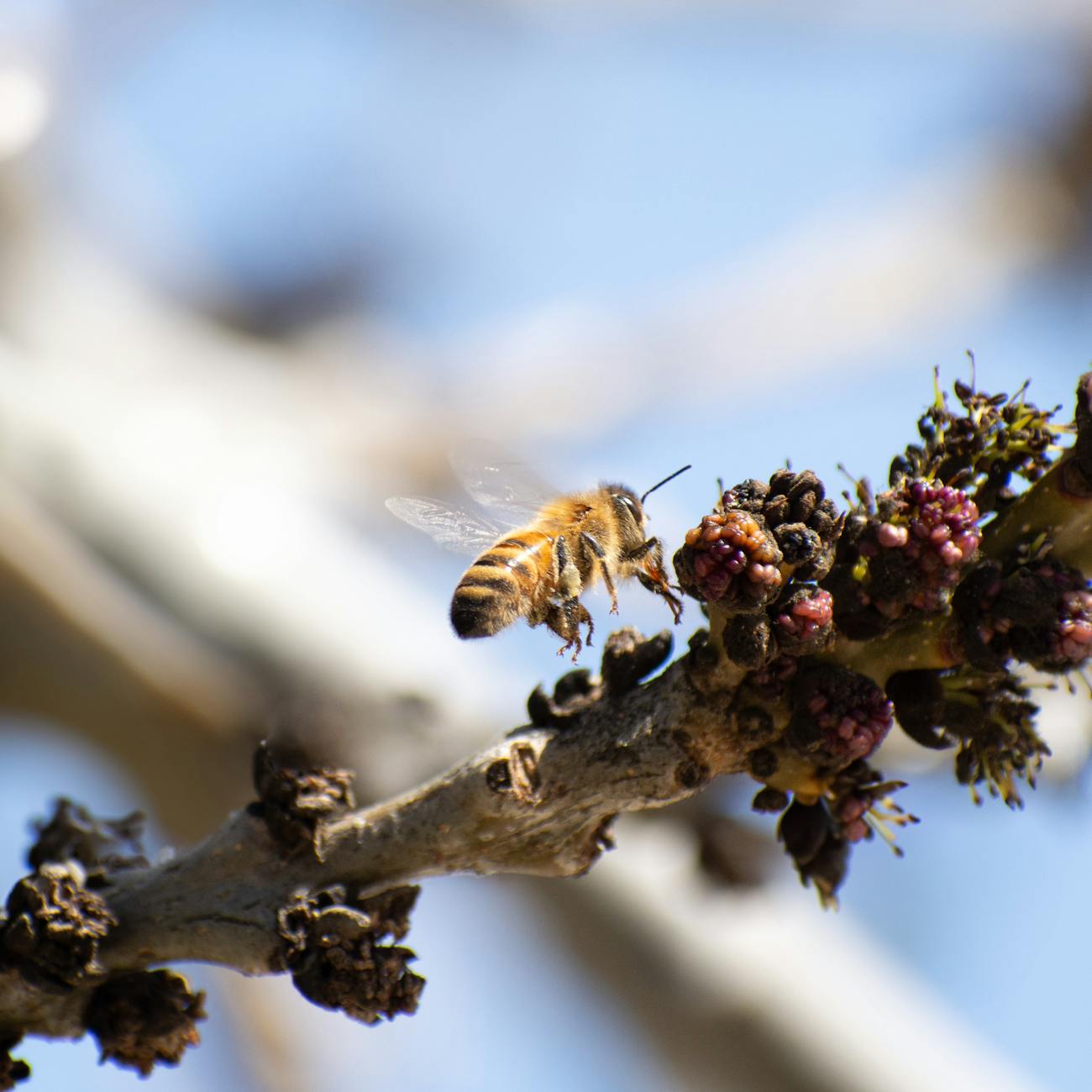
Royal Jelly and Its Therapeutic Uses
Royal jelly is a natural substance that is secreted by nurse bees to feed the queen bee and young larvae in a beehive. It is a highly nutritious substance that plays a crucial role in the development and longevity of the queen bee.
The therapeutic uses of royal jelly have been widely studied and recognized for their potential health benefits. In this course, we will explore the key terms and vocabulary related to royal jelly and its therapeutic uses in apitherapy.
1. **Royal Jelly**: Royal jelly is a thick, milky substance that is secreted by the hypopharyngeal glands of young worker bees. It is the exclusive food of the queen bee and is rich in proteins, vitamins, minerals, and amino acids.
2. **Apitherapy**: Apitherapy is a branch of alternative medicine that uses bee products, including royal jelly, honey, propolis, bee pollen, and bee venom, for therapeutic purposes. It has been practiced for centuries in various cultures around the world.
3. **Nutrient-rich**: Royal jelly is known for its high nutritional content, including proteins, sugars, lipids, vitamins (B1, B2, B6, C, E), minerals (calcium, iron, potassium, zinc), and amino acids. These nutrients are essential for overall health and well-being.
4. **Anti-inflammatory**: Royal jelly has anti-inflammatory properties that can help reduce inflammation in the body. It contains compounds like 10-Hydroxy-2-decenoic acid (10-HDA) that have been shown to have anti-inflammatory effects.
5. **Antioxidant**: Royal jelly is a potent antioxidant that helps protect the body from oxidative stress and free radical damage. Antioxidants in royal jelly, such as flavonoids and phenolic compounds, help neutralize harmful free radicals.
6. **Immune booster**: Royal jelly can boost the immune system and enhance the body's natural defenses against infections and diseases. It stimulates the production of immune cells and strengthens the immune response.
7. **Anti-aging**: Royal jelly is often referred to as a natural anti-aging remedy due to its ability to promote collagen production, improve skin elasticity, and reduce wrinkles. It also helps protect against age-related diseases.
8. **Cognitive enhancement**: Royal jelly has been shown to improve cognitive function and memory in animal studies. It contains acetylcholine, a neurotransmitter that plays a key role in learning and memory.
9. **Cardiovascular health**: Royal jelly can help improve cardiovascular health by lowering cholesterol levels, reducing blood pressure, and preventing the formation of blood clots. It also has vasodilatory effects that improve blood flow.
10. **Wound healing**: Royal jelly has wound healing properties that can help promote faster healing of cuts, burns, and ulcers. It stimulates cell growth and tissue regeneration, making it beneficial for skin health.
11. **Antibacterial**: Royal jelly has antibacterial properties that can help fight off harmful bacteria and infections. It contains compounds like royalisin and jelleines that have antimicrobial effects.
12. **Hormone regulation**: Royal jelly can help regulate hormones in the body, including estrogen and testosterone. It can help balance hormonal levels and improve symptoms of hormonal imbalances.
13. **Anti-cancer**: Royal jelly has been studied for its potential anti-cancer properties. It contains compounds like 10-HDA and fatty acids that have shown inhibitory effects on cancer cell growth.
14. **Allergy relief**: Royal jelly may help alleviate symptoms of allergies, such as hay fever and asthma, due to its anti-inflammatory and immune-modulating effects. It can help reduce allergic reactions and improve respiratory function.
15. **Stress reduction**: Royal jelly has adaptogenic properties that can help the body cope with stress and anxiety. It can improve mood, reduce fatigue, and enhance overall well-being.
16. **Digestive health**: Royal jelly can support digestive health by promoting the growth of beneficial gut bacteria and improving gut motility. It can help alleviate symptoms of digestive disorders like irritable bowel syndrome (IBS).
17. **Hair and skin health**: Royal jelly is beneficial for hair and skin health due to its nourishing and moisturizing properties. It can help improve the appearance of skin, promote hair growth, and reduce hair loss.
18. **Fertility**: Royal jelly has been studied for its potential effects on fertility in both men and women. It can help improve sperm quality, regulate menstrual cycles, and enhance reproductive health.
19. **Dosage**: The recommended dosage of royal jelly varies depending on the individual's age, health condition, and specific needs. It is typically consumed in the form of capsules, tablets, liquid extract, or fresh royal jelly.
20. **Side effects**: While royal jelly is generally considered safe for most people, some individuals may experience allergic reactions, such as itching, swelling, or difficulty breathing. It is important to consult a healthcare provider before using royal jelly.
21. **Quality**: The quality of royal jelly can vary depending on factors such as bee species, processing methods, storage conditions, and geographical location. It is important to choose high-quality, organic royal jelly from reputable sources.
22. **Storage**: Royal jelly should be stored in a cool, dark place away from sunlight and heat to maintain its freshness and potency. It is recommended to refrigerate royal jelly to prevent spoilage.
23. **Contraindications**: Individuals who are allergic to bee products or have asthma should avoid using royal jelly. Pregnant and breastfeeding women should consult a healthcare provider before using royal jelly.
24. **Regulation**: In some countries, royal jelly is regulated as a dietary supplement or food product. It is important to check the regulations and guidelines regarding the sale and use of royal jelly in your region.
25. **Research**: Ongoing research is being conducted to further explore the therapeutic uses of royal jelly and its potential health benefits. Studies are focusing on its effects on various health conditions, such as diabetes, cancer, and neurodegenerative diseases.
In conclusion, royal jelly is a valuable natural remedy with a wide range of therapeutic uses and health benefits. It is a nutrient-rich substance that can support overall health and well-being, from immune boosting and anti-aging effects to cognitive enhancement and cardiovascular health. By understanding the key terms and vocabulary related to royal jelly, you can gain a deeper insight into its therapeutic uses in apitherapy and make informed decisions about incorporating it into your health regimen.
Key takeaways
- Royal jelly is a natural substance that is secreted by nurse bees to feed the queen bee and young larvae in a beehive.
- In this course, we will explore the key terms and vocabulary related to royal jelly and its therapeutic uses in apitherapy.
- **Royal Jelly**: Royal jelly is a thick, milky substance that is secreted by the hypopharyngeal glands of young worker bees.
- **Apitherapy**: Apitherapy is a branch of alternative medicine that uses bee products, including royal jelly, honey, propolis, bee pollen, and bee venom, for therapeutic purposes.
- **Nutrient-rich**: Royal jelly is known for its high nutritional content, including proteins, sugars, lipids, vitamins (B1, B2, B6, C, E), minerals (calcium, iron, potassium, zinc), and amino acids.
- It contains compounds like 10-Hydroxy-2-decenoic acid (10-HDA) that have been shown to have anti-inflammatory effects.
- **Antioxidant**: Royal jelly is a potent antioxidant that helps protect the body from oxidative stress and free radical damage.