
Introduction to Palynology
Introduction to Palynology
Introduction to Palynology
Palynology can be defined as the study of pollen grains and spores that are produced by seed plants and ferns. These microscopic structures are crucial in various fields such as botany, geology, archaeology, forensics, and palaeontology. Palynology helps scientists understand past environments, climate change, plant evolution, and even human history by analyzing the distribution and composition of pollen and spores in different samples.
Key Terms and Vocabulary
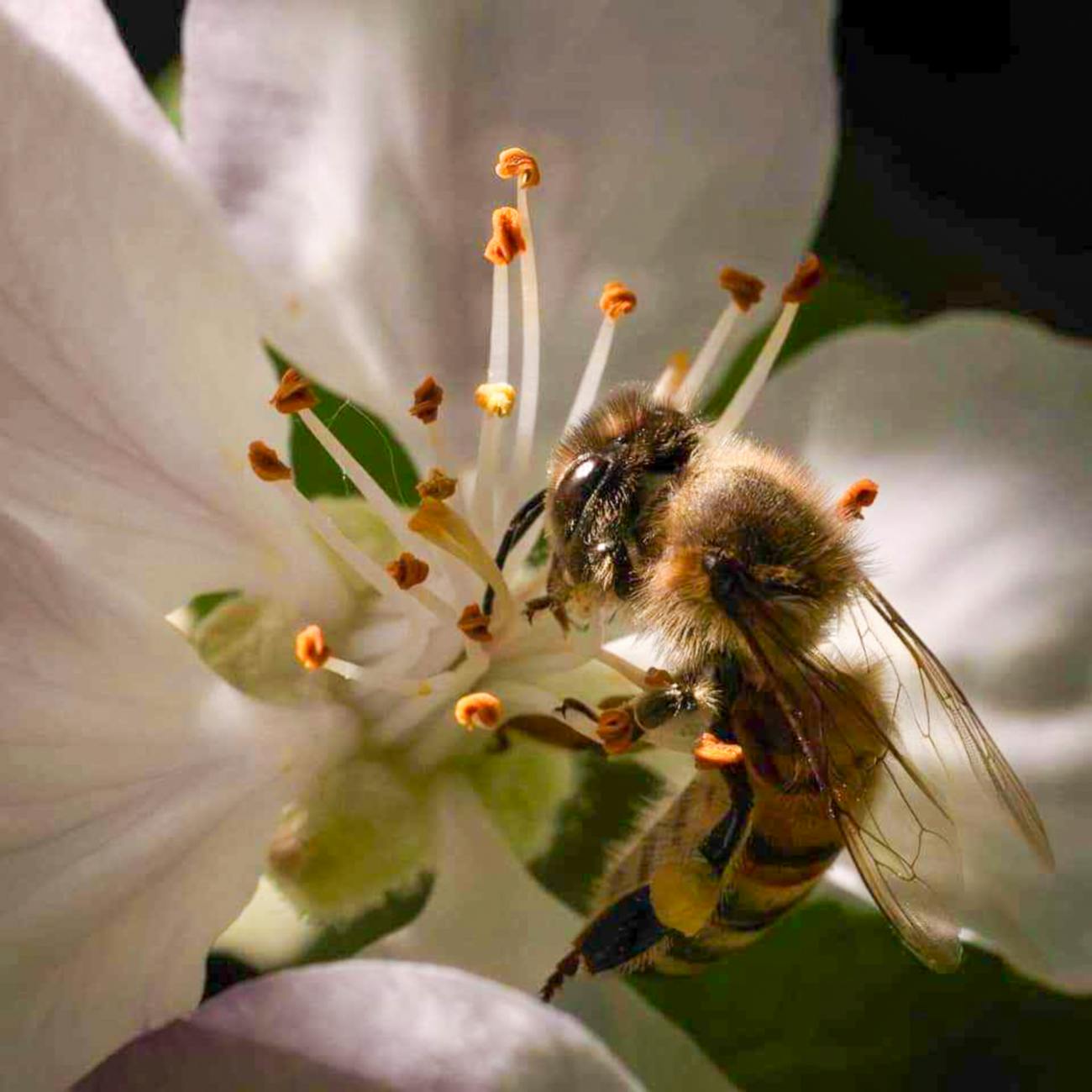
Pollen Grains: Pollen grains are the male gametophytes of seed plants. They are typically spherical in shape and produced in the anthers of flowering plants. Pollen grains are essential for the pollination process, where they are transferred to the stigma of a flower to fertilize the ovules.
Spores: Spores are reproductive structures produced by ferns, algae, fungi, and some other plants. Unlike pollen grains, spores are asexual structures that can develop into new individuals without the need for fertilization. Spores are typically released into the environment and can be dispersed over long distances.
Seed Plants: Seed plants are plants that reproduce through the production of seeds. They include gymnosperms (such as pines and spruces) and angiosperms (flowering plants). Seed plants play a crucial role in the Earth's ecosystems and are the most dominant group of plants on land.
Ferns: Ferns are a group of plants that reproduce via spores. They are characterized by their fronds (large divided leaves) and are typically found in moist environments. Ferns have a long evolutionary history and are considered living fossils from the time of the dinosaurs.
Botany: Botany is the scientific study of plants. It encompasses a wide range of topics, including plant anatomy, physiology, ecology, and evolution. Palynology is closely related to botany, as it focuses on the study of plant reproductive structures (pollen and spores) to understand plant diversity and evolution.
Geology: Geology is the study of the Earth's physical structure, history, and processes. Palynology is used in geology to analyze sedimentary rocks and help determine the age and depositional environment of rock formations. Pollen and spores can provide valuable information about past climates and ecosystems.
Archaeology: Archaeology is the study of human history through the analysis of material remains. Palynology is used in archaeology to study ancient pollen and spores preserved in archaeological sites. By analyzing these microfossils, archaeologists can reconstruct past landscapes, agriculture practices, and human impact on the environment.
Forensics: Forensics is the application of scientific techniques to solve crimes. Palynology can be used in forensics to analyze pollen and spores present at crime scenes. Pollen grains can be transferred from one location to another by people or objects, providing valuable evidence in criminal investigations.
Palaeontology: Palaeontology is the study of prehistoric life through fossils. Palynology is used in palaeontology to reconstruct ancient environments and ecosystems based on the analysis of fossilized pollen and spores. By studying the plant remains preserved in fossils, palaeontologists can gain insights into past biodiversity and climate conditions.
Seed Plants
Seed plants, also known as spermatophytes, are plants that produce seeds as part of their reproductive process. Seeds are a crucial adaptation that allows plants to reproduce on land more efficiently than spores. Seed plants can be divided into two main groups: gymnosperms and angiosperms.
Gymnosperms: Gymnosperms are a group of seed plants that produce naked seeds, meaning that the seeds are not enclosed within a fruit. Examples of gymnosperms include conifers (such as pines, spruces, and firs), cycads, and ginkgoes. Gymnosperms are typically found in temperate and boreal regions and are well-adapted to cold climates.
Angiosperms: Angiosperms, also known as flowering plants, are the most diverse group of seed plants. They produce seeds enclosed within a fruit, which aids in seed dispersal. Angiosperms can be further divided into monocots (such as grasses and lilies) and dicots (such as roses and sunflowers). Angiosperms dominate most terrestrial ecosystems and play a crucial role in food production and ecosystem services.
Flowering Plants
Flowering plants, or angiosperms, are the most diverse group of plants on Earth. They are characterized by the presence of flowers, which are reproductive structures that contain the male and female reproductive organs. Flowers attract pollinators such as insects, birds, and bats to facilitate pollination and seed production.
Anthers: Anthers are the male reproductive organs of flowering plants. They are part of the stamen, the male reproductive structure within a flower. Anthers produce pollen grains, which contain the male gametes (sperm cells) that are necessary for fertilizing the ovules.
Pollination: Pollination is the process by which pollen grains are transferred from the anthers of a flower to the stigma of the same or another flower. This process is essential for plant reproduction, as it allows for the fusion of male and female gametes to produce seeds. Pollination can occur through various mechanisms, including wind, water, insects, birds, and mammals.
Stigma: The stigma is the female reproductive organ of a flower. It is part of the pistil, the female reproductive structure within a flower. The stigma is sticky and captures pollen grains that land on it during pollination. The pollen grains then germinate and grow a pollen tube to deliver the male gametes to the ovules.
Ovules: Ovules are the female reproductive structures of flowering plants. They are located within the ovary, the female reproductive organ within a flower. Ovules contain the female gametes (egg cells) that are fertilized by the male gametes from pollen grains to form seeds. After fertilization, ovules develop into seeds within the ovary.
Spores
Spores are reproductive structures produced by certain plants, fungi, and algae. Spores are single-celled structures that can develop into new individuals without the need for fertilization. Spores are typically released into the environment and dispersed over long distances by wind, water, or other means.
Plant Evolution
Plant evolution is the study of how plants have diversified and adapted to different environments over millions of years. Palynology plays a crucial role in understanding plant evolution by analyzing the fossil record of pollen and spores. By studying the morphology and distribution of pollen and spores in different geological layers, scientists can reconstruct the evolutionary history of plants.
Pollen Analysis
Pollen analysis, also known as palynology, is the study of pollen and spores in various samples, such as sediments, soils, and archaeological sites. Pollen analysis can provide valuable information about past environments, vegetation, climate change, and human activities. By identifying and quantifying pollen grains in samples, palynologists can reconstruct past landscapes and ecosystems.
Macrofossils vs. Microfossils
In palynology, fossils can be classified into two main categories: macrofossils and microfossils. Macrofossils are large plant remains, such as leaves, seeds, and wood, that are visible to the naked eye. Microfossils, on the other hand, are microscopic structures, such as pollen grains and spores, that require a microscope for analysis. Both macrofossils and microfossils are valuable in reconstructing past environments and plant diversity.
Palynofacies
Palynofacies refers to the distribution and composition of pollen and spores in sedimentary rocks or other samples. Palynofacies analysis can provide insights into the depositional environment, source area, and preservation conditions of the samples. By studying the palynofacies of sediments, palynologists can reconstruct past environments and climate conditions.
Palynological Assemblages
Palynological assemblages are groups of pollen and spore types found in a sample. These assemblages can vary depending on the vegetation, climate, and other factors present at the time of deposition. By analyzing palynological assemblages, palynologists can infer past vegetation types, land use, and environmental changes.
Palynomorphs
Palynomorphs are fossilized pollen and spores that are preserved in sedimentary rocks or other samples. Palynomorphs can provide valuable information about past environments, plant diversity, and climate change. By studying the morphology and distribution of palynomorphs, palynologists can reconstruct past ecosystems and landscapes.
Pollen Diagrams
Pollen diagrams are graphical representations of pollen and spore data from different samples. Pollen diagrams typically display the relative abundance of pollen types over time, allowing scientists to track changes in vegetation and climate. Pollen diagrams are essential tools in palynology for reconstructing past environments and understanding plant evolution.
Palynology in Environmental Studies
Palynology plays a crucial role in environmental studies by providing insights into past vegetation, climate change, and human impact on the environment. By analyzing pollen and spores in sedimentary records, palynologists can reconstruct past ecosystems, track vegetation changes, and assess the effects of climate change. Palynology is also used in environmental monitoring and conservation efforts to study plant diversity and ecosystem health.
Challenges in Palynology
Despite its importance, palynology faces several challenges in the study of pollen and spores. One of the main challenges is the preservation of pollen and spores in samples, as these microscopic structures are prone to degradation over time. Another challenge is the interpretation of palynological data, as the composition of pollen and spores can be influenced by various factors such as wind dispersal, local vegetation, and human activities. Additionally, the identification of pollen and spore types requires expertise and specialized training, making palynology a complex and interdisciplinary field.
Conclusion
In conclusion, palynology is a fascinating field that offers valuable insights into past environments, plant evolution, and human history through the study of pollen and spores. By analyzing pollen and spores in different samples, palynologists can reconstruct past landscapes, track vegetation changes, and understand the impact of climate change. Palynology is a versatile discipline that is used in various fields, including botany, geology, archaeology, forensics, and palaeontology. Despite its challenges, palynology continues to be an essential tool for understanding the Earth's history and the role of plants in shaping our planet.
Key takeaways
- Palynology helps scientists understand past environments, climate change, plant evolution, and even human history by analyzing the distribution and composition of pollen and spores in different samples.
- Pollen grains are essential for the pollination process, where they are transferred to the stigma of a flower to fertilize the ovules.
- Unlike pollen grains, spores are asexual structures that can develop into new individuals without the need for fertilization.
- They include gymnosperms (such as pines and spruces) and angiosperms (flowering plants).
- They are characterized by their fronds (large divided leaves) and are typically found in moist environments.
- Palynology is closely related to botany, as it focuses on the study of plant reproductive structures (pollen and spores) to understand plant diversity and evolution.
- Palynology is used in geology to analyze sedimentary rocks and help determine the age and depositional environment of rock formations.