
Palynological Sampling and Preparation Techniques
Palynological Sampling and Preparation Techniques in the context of the Professional Certificate in Palynology course involve a range of methods and procedures aimed at collecting, processing, and analyzing palynological samples to study po…
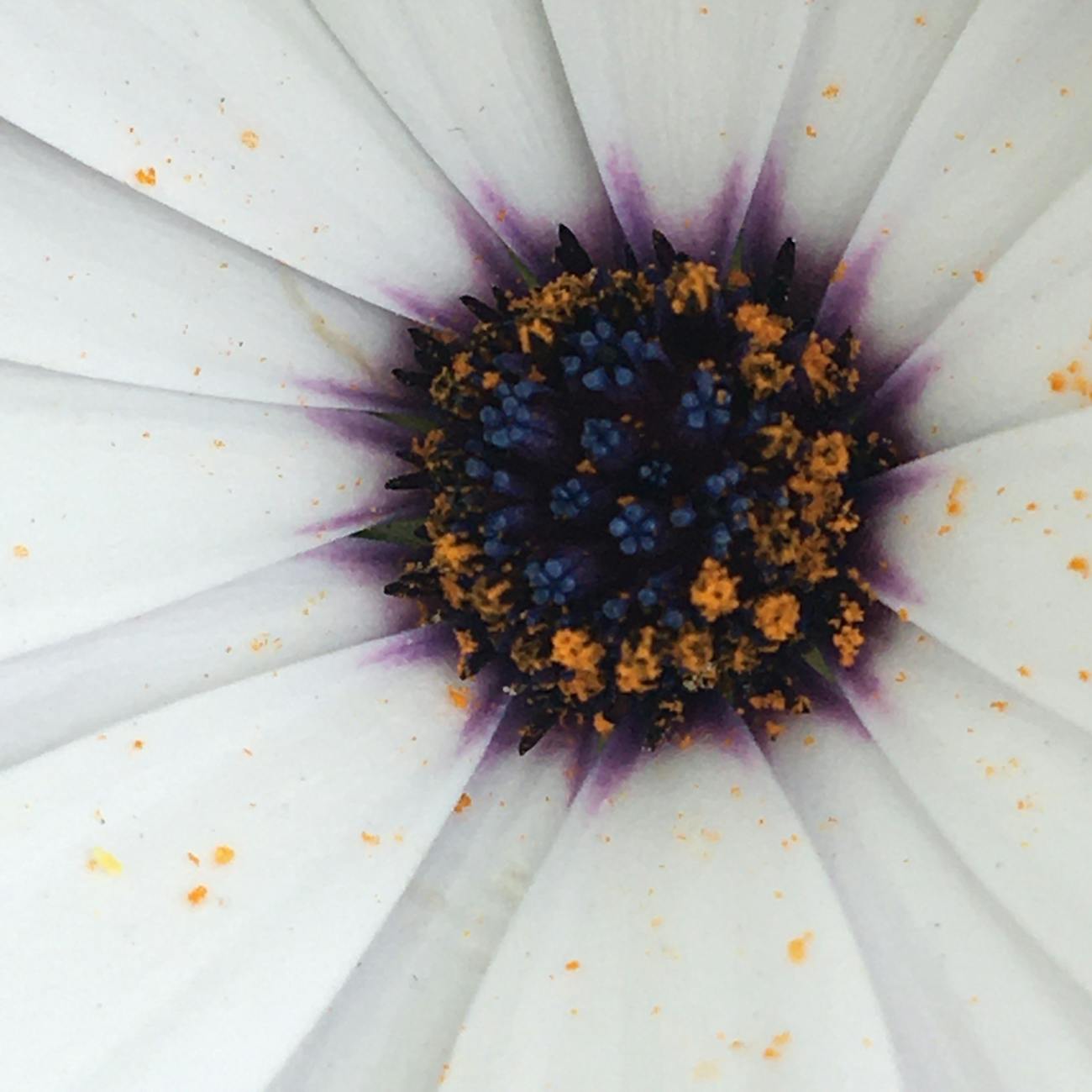
Palynological Sampling and Preparation Techniques in the context of the Professional Certificate in Palynology course involve a range of methods and procedures aimed at collecting, processing, and analyzing palynological samples to study pollen and spores in various environments. Palynology is a branch of botany that focuses on the study of pollen grains and spores, providing valuable insights into vegetation, climate, and environmental change over time.
Key Terms and Vocabulary:
1. Palynology: The scientific study of pollen and spores, their production, structure, and dispersal, as well as their use in various fields such as archaeology, geology, and forensic science.
2. Pollen: Microscopic grains produced by the anthers of flowering plants that contain the male gametes for plant reproduction.
3. Spores: Single-celled reproductive structures produced by ferns, mosses, and some fungi that can develop into new organisms.
4. Sampling: The process of collecting palynological samples from various sources such as sediments, soils, plants, and air for analysis.
5. Preparation Techniques: Methods used to process palynological samples in the laboratory to extract, separate, and analyze pollen and spores.
6. Microscopy: The use of microscopes to examine palynological samples at high magnification to identify and classify pollen and spores.
7. Palynofacies: The study of the microscopic components of sedimentary rocks to understand the environmental conditions under which they were deposited.
8. Palynological Analysis: The process of identifying and quantifying pollen and spores in palynological samples to reconstruct past vegetation and climate changes.
9. Palynological Laboratory: A specialized facility equipped with microscopes, chemicals, and other tools for processing palynological samples.
10. Palynomorphs: Generic term used to describe pollen grains, spores, and other microfossils found in palynological samples.
11. Palynological Slide: A transparent glass slide on which pollen grains and spores are mounted for microscopic examination.
12. Palynological Staining: The process of treating palynological samples with stains to enhance the visibility of pollen and spores under a microscope.
13. Palynological Extraction: The process of separating pollen and spores from sediment or other sample matrices using chemical or physical methods.
14. Palynological Counting: The quantitative analysis of pollen and spores in palynological samples to determine their abundance and distribution.
15. Palynological Dating: The use of pollen analysis to establish the age of sedimentary deposits or archaeological sites based on pollen stratigraphy.
16. Palynological Interpretation: The process of interpreting palynological data to reconstruct past vegetation dynamics, climate changes, and environmental conditions.
17. Palynological Research: The scientific investigation of pollen and spores to address research questions related to ecology, evolution, and biogeography.
18. Palynological Diagram: A graphical representation of palynological data, showing the relative abundance of different pollen types over time.
19. Palynological Database: A collection of palynological data from various studies, used for comparative analysis and synthesis of research findings.
20. Palynological Preservation: The methods used to preserve palynological samples for long-term storage and future analysis.
Practical Applications:
- Environmental Studies: Palynological analysis can help reconstruct past vegetation and climate changes to understand current environmental dynamics.
- Archaeology: Pollen analysis can provide insights into past human activities and land use patterns in archaeological sites.
- Forensic Science: Pollen and spores can be used as trace evidence in criminal investigations to link suspects to crime scenes.
- Palynological Mapping: Palynological data can be used to create pollen maps showing the distribution of different vegetation types in a region.
- Climate Change Research: Palynological analysis can provide evidence of past climate fluctuations and help predict future climate trends.
Challenges:
- Contamination: Palynological samples can be easily contaminated with pollen from surrounding sources, requiring careful handling and processing.
- Low Pollen Concentrations: Some environments may have low pollen concentrations, making it challenging to extract and analyze pollen grains.
- Species Identification: Identifying pollen grains to the species level can be difficult due to morphological similarities between closely related species.
- Interpretation Bias: Palynological data interpretation can be subjective, leading to potential biases in reconstructing past vegetation and climate.
- Storage and Preservation: Proper storage and preservation of palynological samples are crucial to prevent degradation and ensure their long-term viability for analysis.
In conclusion, Palynological Sampling and Preparation Techniques play a vital role in the field of palynology, enabling researchers to study past environmental changes, ecosystem dynamics, and human interactions with the environment. By mastering these techniques, professionals can unlock valuable insights into the Earth's history and inform current conservation efforts and sustainable practices.
Key takeaways
- Palynology is a branch of botany that focuses on the study of pollen grains and spores, providing valuable insights into vegetation, climate, and environmental change over time.
- Palynology: The scientific study of pollen and spores, their production, structure, and dispersal, as well as their use in various fields such as archaeology, geology, and forensic science.
- Pollen: Microscopic grains produced by the anthers of flowering plants that contain the male gametes for plant reproduction.
- Spores: Single-celled reproductive structures produced by ferns, mosses, and some fungi that can develop into new organisms.
- Sampling: The process of collecting palynological samples from various sources such as sediments, soils, plants, and air for analysis.
- Preparation Techniques: Methods used to process palynological samples in the laboratory to extract, separate, and analyze pollen and spores.
- Microscopy: The use of microscopes to examine palynological samples at high magnification to identify and classify pollen and spores.