
Fashion Merchandising Techniques
Fashion Merchandising Techniques
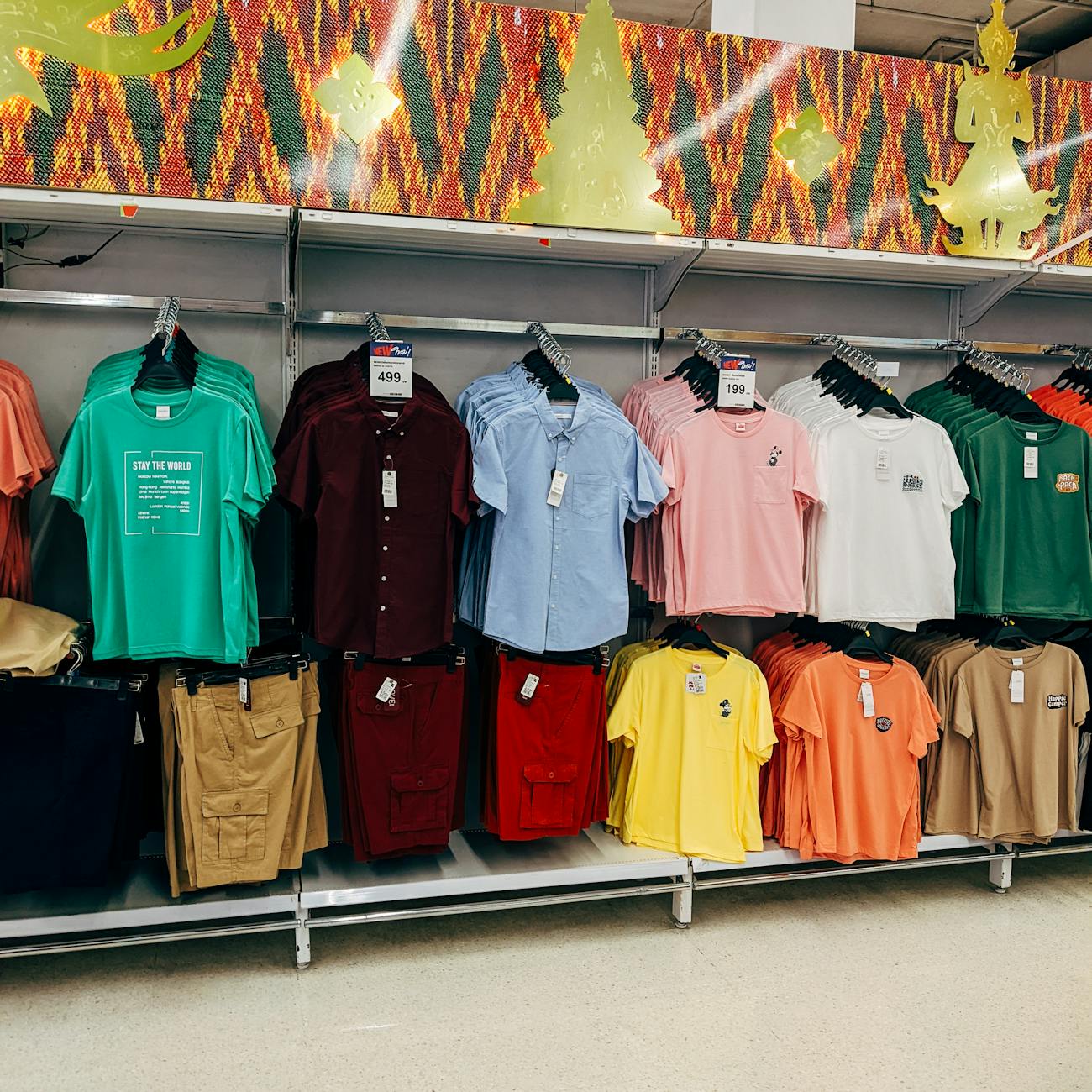
Fashion Merchandising Techniques
Fashion merchandising is a crucial aspect of the fashion industry that involves the planning, purchasing, and selling of fashion products to meet consumer demand. To succeed in this competitive industry, professionals must employ various merchandising techniques to drive sales, increase profits, and stay ahead of the latest trends.
Key Terms and Vocabulary
1. Merchandising: The process of promoting and selling products to customers. In the fashion industry, merchandising involves selecting and buying products, setting prices, and creating visual displays to attract customers.
2. Trend Forecasting: The process of predicting future trends in fashion based on consumer behavior, social influences, and other factors. Trend forecasting helps merchandisers make informed decisions about which products to buy and sell.
3. Assortment Planning: The process of selecting and organizing a range of products to meet customer demand. Assortment planning involves determining the right mix of products, styles, and sizes to appeal to different customer segments.
4. Inventory Management: The process of overseeing the flow of products in and out of a retail store or warehouse. Effective inventory management is essential for maximizing sales and minimizing costs.
5. Pricing Strategy: The method used to set prices for products based on factors such as production costs, competition, and consumer demand. Pricing strategy plays a critical role in determining a product's perceived value and profitability.
6. Visual Merchandising: The art of creating visually appealing displays to showcase products and attract customers. Visual merchandising includes elements such as window displays, store layout, and product placement.
7. Marketing: The process of promoting products and services to attract customers and drive sales. Fashion merchandisers use various marketing techniques, such as advertising, social media, and influencer partnerships, to reach their target audience.
8. Sales Analysis: The process of evaluating sales data to identify trends, opportunities, and challenges. Sales analysis helps merchandisers make data-driven decisions to optimize product assortment and pricing.
9. Supply Chain Management: The coordination of activities involved in sourcing, producing, and delivering products to customers. Effective supply chain management is essential for ensuring products are available when and where customers want them.
10. Market Research: The process of gathering and analyzing information about the target market, competitors, and industry trends. Market research helps merchandisers understand consumer preferences and make informed decisions about product selection and pricing.
Practical Applications
1. Assortment Planning: A fashion merchandiser at a retail store must carefully plan the assortment of products for the upcoming season. By analyzing sales data, market trends, and customer feedback, the merchandiser can determine which styles, colors, and sizes to include in the product mix to maximize sales and meet customer demand.
2. Visual Merchandising: A fashion merchandiser at a department store is responsible for creating eye-catching window displays to showcase the latest fashion trends. By incorporating color, texture, and lighting, the merchandiser can attract customers and entice them to enter the store to explore the merchandise further.
3. Pricing Strategy: A fashion merchandiser at an online retailer must determine the optimal pricing strategy for a new collection of designer handbags. By considering factors such as production costs, competitor pricing, and customer willingness to pay, the merchandiser can set prices that reflect the value of the products and appeal to the target market.
4. Inventory Management: A fashion merchandiser at a fashion brand must monitor inventory levels to ensure products are available when customers want them. By using inventory management software to track sales and restock orders, the merchandiser can avoid stockouts and minimize excess inventory, maximizing sales and profitability.
5. Trend Forecasting: A fashion merchandiser at a luxury fashion house must stay ahead of the latest trends to inform product development and merchandising decisions. By attending fashion shows, monitoring social media influencers, and analyzing industry reports, the merchandiser can anticipate upcoming trends and adjust the product assortment accordingly.
Challenges
1. Fast Fashion: The rise of fast fashion retailers has increased competition and pressure on fashion merchandisers to deliver new products quickly and at low prices. Merchandisers must balance the demand for fast fashion with sustainable practices and ethical sourcing to meet customer expectations.
2. Omnichannel Retailing: The growth of online shopping and social media has blurred the lines between physical and digital retail channels. Merchandisers must navigate the complexities of omnichannel retailing to create a seamless shopping experience for customers across all touchpoints.
3. Changing Consumer Preferences: Consumer preferences and shopping behaviors are constantly evolving, making it challenging for merchandisers to anticipate and meet customer demand. Merchandisers must stay informed about shifting trends and adapt their strategies accordingly to stay relevant in the market.
4. Globalization: The fashion industry is becoming increasingly globalized, with brands expanding into new markets and sourcing products from around the world. Merchandisers must navigate the complexities of international trade, cultural differences, and supply chain logistics to successfully operate on a global scale.
5. Data Analytics: The growing importance of data analytics in merchandising requires professionals to have strong analytical skills and a deep understanding of data-driven decision-making. Merchandisers must leverage data analytics tools to extract insights from sales data, market research, and consumer behavior to drive business growth.
In conclusion, fashion merchandising techniques are essential for success in the competitive fashion industry. By mastering key concepts such as assortment planning, pricing strategy, and visual merchandising, professionals can drive sales, increase profits, and stay ahead of the latest trends. However, they must also navigate challenges such as fast fashion, omnichannel retailing, and changing consumer preferences to thrive in this dynamic and ever-evolving industry.
Key takeaways
- To succeed in this competitive industry, professionals must employ various merchandising techniques to drive sales, increase profits, and stay ahead of the latest trends.
- In the fashion industry, merchandising involves selecting and buying products, setting prices, and creating visual displays to attract customers.
- Trend Forecasting: The process of predicting future trends in fashion based on consumer behavior, social influences, and other factors.
- Assortment planning involves determining the right mix of products, styles, and sizes to appeal to different customer segments.
- Inventory Management: The process of overseeing the flow of products in and out of a retail store or warehouse.
- Pricing Strategy: The method used to set prices for products based on factors such as production costs, competition, and consumer demand.
- Visual Merchandising: The art of creating visually appealing displays to showcase products and attract customers.