
Fashion Branding and Marketing
Fashion Branding and Marketing are crucial aspects of the fashion industry and are essential components of the Advanced Certificate in Fashion Buying and Merchandising. Here are some key terms and vocabulary related to Fashion Branding and …
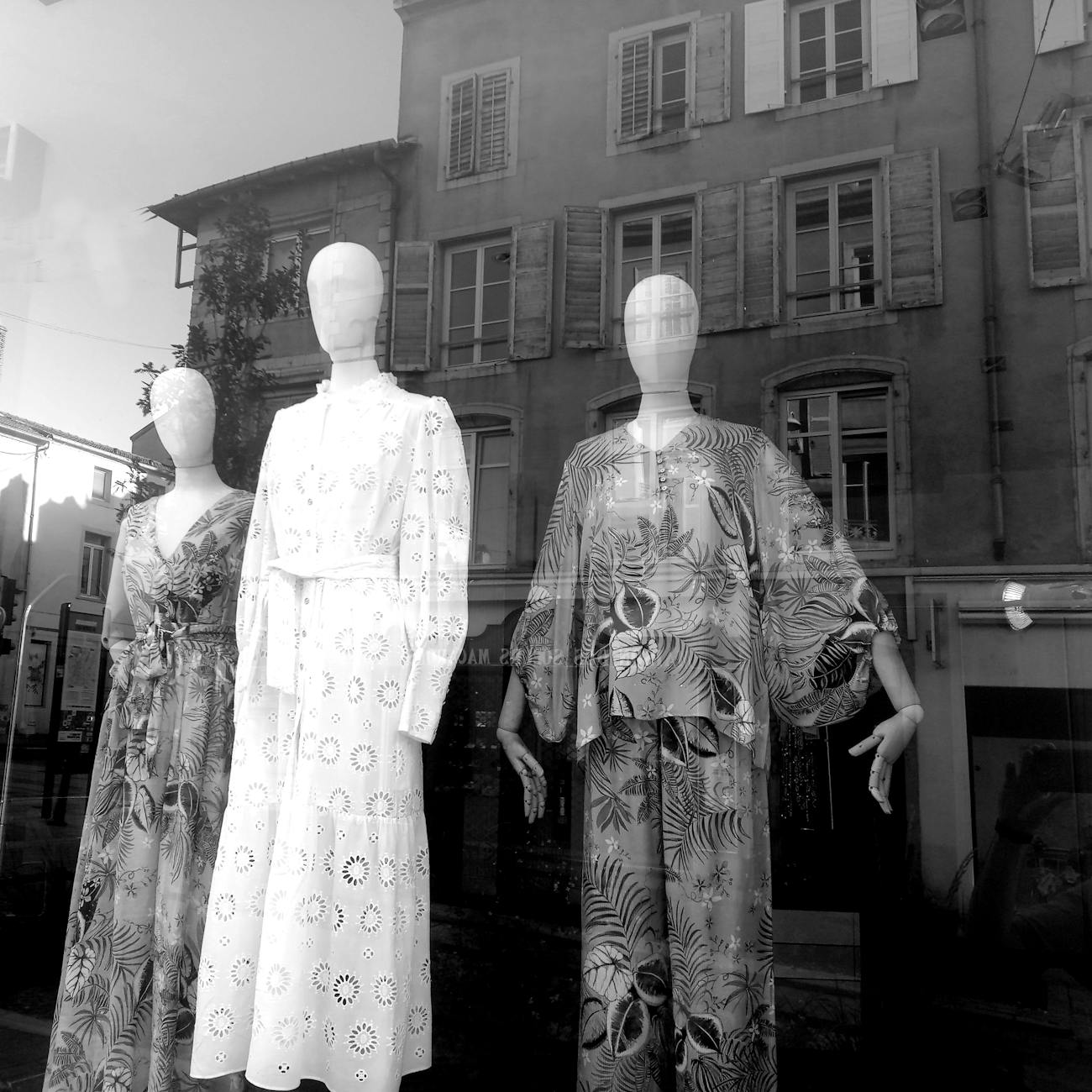
Fashion Branding and Marketing are crucial aspects of the fashion industry and are essential components of the Advanced Certificate in Fashion Buying and Merchandising. Here are some key terms and vocabulary related to Fashion Branding and Marketing:
1. **Brand Identity**: Brand identity is the visual and emotional representation of a brand. It includes elements such as the brand name, logo, color palette, typography, and tone of voice. A strong brand identity helps to differentiate a brand from its competitors and creates a memorable impression in the minds of consumers. 2. **Brand Positioning**: Brand positioning refers to how a brand is perceived in the market relative to its competitors. It involves identifying a unique selling proposition (USP) and communicating it effectively to the target audience. Effective brand positioning helps to create a competitive advantage and build brand loyalty. 3. **Target Market**: A target market is a specific group of consumers who are most likely to be interested in a brand's products or services. Understanding the target market is essential for developing effective marketing strategies and creating products that meet their needs and preferences. 4. **Marketing Mix**: The marketing mix is a set of tactics and strategies that a brand uses to promote its products and services. It includes the four Ps: product, price, promotion, and place. A well-designed marketing mix helps to create a cohesive and effective marketing strategy. 5. **Product**: The product is the physical item or service that a brand offers to its customers. In the fashion industry, products can include clothing, accessories, footwear, and beauty products. 6. **Price**: Price is the amount of money that a consumer pays for a product or service. In the fashion industry, pricing strategies can vary widely, from luxury brands that charge premium prices to fast-fashion brands that offer affordable prices. 7. **Promotion**: Promotion refers to the methods and channels that a brand uses to communicate with its target audience. This can include advertising, public relations, social media, influencer marketing, and events. 8. **Place**: Place refers to the distribution channels that a brand uses to make its products and services available to consumers. In the fashion industry, this can include brick-and-mortar stores, e-commerce websites, and wholesale partnerships. 9. **Integrated Marketing Communications (IMC)**: Integrated Marketing Communications (IMC) is a strategic approach to marketing that involves coordinating all of a brand's communication channels to create a consistent and cohesive message. IMC can help to build brand awareness, create a strong brand identity, and improve marketing effectiveness. 10. **Customer Journey**: The customer journey refers to the steps that a consumer takes from first becoming aware of a brand to making a purchase and becoming a loyal customer. Understanding the customer journey is essential for developing effective marketing strategies that meet consumers at each stage of the journey. 11. **Customer Experience (CX)**: Customer Experience (CX) refers to the overall impression that a consumer has of a brand based on their interactions with it. A positive CX can lead to increased customer loyalty, word-of-mouth marketing, and revenue. 12. **Customer Relationship Management (CRM)**: Customer Relationship Management (CRM) is a system for managing a brand's interactions with its customers. CRM can help to improve customer service, build customer loyalty, and increase sales. 13. **Data Analytics**: Data analytics is the process of analyzing data to gain insights into consumer behavior, marketing effectiveness, and business performance. In the fashion industry, data analytics can help to inform product development, pricing strategies, and marketing campaigns. 14. **Digital Marketing**: Digital marketing is the use of digital channels to promote a brand and its products or services. This can include social media, email marketing, search engine optimization (SEO), and content marketing. 15. **Influencer Marketing**: Influencer marketing is a form of marketing that involves partnering with influencers, or individuals with a large following on social media, to promote a brand's products or services. Influencer marketing can help to build brand awareness, create a strong brand identity, and improve marketing effectiveness. 16. **Sustainability**: Sustainability refers to the practice of creating products and services that meet the needs of the present without compromising the ability of future generations to meet their own needs. In the fashion industry, sustainability can involve using eco-friendly materials, reducing waste, and promoting fair labor practices. 17. **Diversity and Inclusion**: Diversity and inclusion refer to the practice of creating products and services that are accessible and appealing to people of all backgrounds, cultures, and abilities. In the fashion industry, diversity and inclusion can involve promoting body positivity, using diverse models, and creating products that meet the needs of people with disabilities.
In conclusion, Fashion Branding and Marketing are critical components of the fashion industry and require a deep understanding of key terms and concepts. From brand identity and positioning to customer experience and sustainability, these terms and concepts are essential for creating effective marketing strategies that meet the needs and preferences of consumers. By understanding and applying these terms and concepts, fashion brands can build strong brand identities, connect with their target audience, and drive business success.
Key takeaways
- Fashion Branding and Marketing are crucial aspects of the fashion industry and are essential components of the Advanced Certificate in Fashion Buying and Merchandising.
- **Integrated Marketing Communications (IMC)**: Integrated Marketing Communications (IMC) is a strategic approach to marketing that involves coordinating all of a brand's communication channels to create a consistent and cohesive message.
- From brand identity and positioning to customer experience and sustainability, these terms and concepts are essential for creating effective marketing strategies that meet the needs and preferences of consumers.