
Theoretical Foundations of VR Therapy
Theoretical Foundations of VR Therapy
Theoretical Foundations of VR Therapy
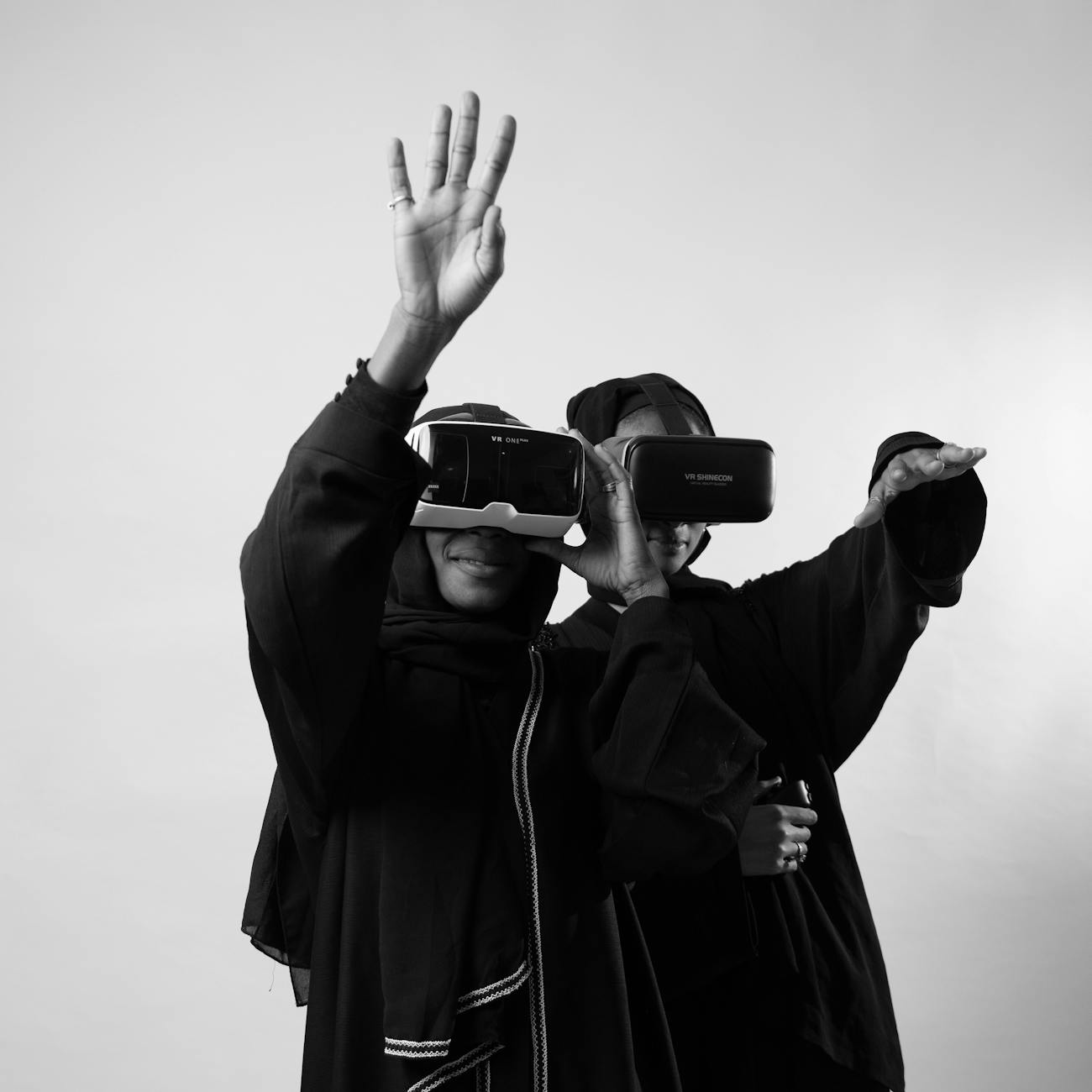
Virtual Reality (VR) therapy is a relatively new and innovative approach to mental health treatment that leverages immersive technology to create a simulated environment for therapeutic purposes. This postgraduate certificate course delves into the theoretical foundations of VR therapy, exploring key terms and concepts essential for understanding this emerging field.
1. Virtual Reality (VR)
VR refers to a computer-generated simulation of a three-dimensional environment that can be interacted with in a seemingly real or physical way by a person using special electronic equipment, such as a headset. In the context of therapy, VR provides a controlled and immersive environment where individuals can engage in therapeutic activities and interventions to address various mental health issues.
2. Therapy
Therapy, also known as counseling or psychotherapy, is a process where a trained professional helps individuals address emotional, psychological, or behavioral challenges to improve their well-being and quality of life. In the context of VR therapy, traditional therapeutic techniques are adapted and delivered using virtual reality technology.
3. Theoretical Foundations
The theoretical foundations of VR therapy encompass the underlying principles, concepts, and frameworks that guide the development and implementation of VR-based interventions in mental health treatment. These foundations draw from various psychological theories, technological advancements, and clinical research to support the efficacy and effectiveness of VR therapy.
4. Cognitive Behavioral Therapy (CBT)
CBT is a widely used therapeutic approach that focuses on identifying and changing negative thought patterns and behaviors that contribute to mental health issues. In VR therapy, CBT principles are integrated into virtual environments to help individuals challenge and reframe maladaptive beliefs and behaviors.
5. Exposure Therapy
Exposure therapy is a behavioral therapy technique used to treat anxiety disorders by gradually exposing individuals to fear-inducing stimuli in a safe and controlled manner. In VR therapy, exposure therapy is simulated through virtual environments to help individuals confront and manage their fears in a realistic yet controlled setting.
6. Presence
Presence refers to the sense of "being there" or feeling immersed in a virtual environment. It is a crucial aspect of VR therapy as higher levels of presence enhance the therapeutic experience and increase the effectiveness of interventions. Presence can be influenced by factors such as visual quality, audio feedback, and interaction capabilities of the VR system.
7. Embodiment
Embodiment in VR therapy refers to the sense of owning and controlling an avatar or virtual body within the simulated environment. By embodying an avatar, individuals can experience a sense of agency and self-representation, which can enhance their engagement and emotional connection during therapy sessions.
8. Virtual Environment
A virtual environment is a digital space created using VR technology where users can interact with objects, people, and scenarios in a simulated world. In VR therapy, virtual environments are designed to facilitate therapeutic activities, such as relaxation exercises, exposure tasks, and skill-building exercises tailored to individual treatment goals.
9. Immersion
Immersion in VR therapy refers to the extent to which an individual feels fully engaged and absorbed in the virtual environment, often leading to a sense of presence and emotional involvement. Immersive experiences in VR therapy can help individuals focus on therapeutic goals, enhance learning, and facilitate emotional processing.
10. Therapeutic Alliance
The therapeutic alliance is the collaborative relationship between a therapist and a client based on trust, empathy, and mutual goals. In VR therapy, establishing a strong therapeutic alliance is essential for building rapport, promoting engagement, and fostering therapeutic progress within the virtual environment.
11. Interactivity
Interactivity in VR therapy refers to the ability of users to actively engage with and manipulate elements within the virtual environment. Interactive features, such as real-time feedback, personalized scenarios, and gamified tasks, enhance user engagement, motivation, and learning outcomes in therapeutic interventions.
12. Telepresence
Telepresence is the perception of being physically present in a remote or virtual environment using technology. In VR therapy, telepresence allows individuals to engage in therapy sessions from a distance, access treatment in remote locations, or connect with therapists using virtual platforms, expanding access to mental health care.
13. Emotional Regulation
Emotional regulation refers to the ability to manage and modulate one's emotions in response to internal or external stimuli. In VR therapy, individuals can practice emotional regulation skills in a safe and controlled environment, such as coping with stressors, identifying triggers, and developing adaptive coping strategies.
14. Social Skills Training
Social skills training in VR therapy involves practicing interpersonal skills, such as communication, assertiveness, and empathy, within virtual social scenarios. By engaging in social interactions in a simulated environment, individuals can develop and refine their social skills in a supportive and structured setting.
15. Exposure Hierarchy
An exposure hierarchy is a systematic list of fear-inducing stimuli ranked from least to most anxiety-provoking. In VR therapy, exposure hierarchies are used to guide the gradual exposure of individuals to feared situations or triggers, helping them confront and overcome their fears in a step-by-step manner.
16. Biofeedback
Biofeedback is a technique that measures physiological responses, such as heart rate, skin conductance, and muscle tension, to provide individuals with real-time feedback on their bodily reactions. In VR therapy, biofeedback can be integrated into virtual environments to help individuals learn self-regulation skills and monitor their stress levels during therapeutic interventions.
17. Virtual Reality Exposure Therapy (VRET)
VRET is a specialized form of exposure therapy that uses virtual environments to simulate anxiety-provoking situations or phobias for therapeutic purposes. By exposing individuals to feared stimuli in a controlled and immersive setting, VRET can help desensitize individuals to triggers and reduce anxiety responses.
18. Psychophysiological Reactivity
Psychophysiological reactivity refers to the physiological changes, such as increased heart rate, sweating, or muscle tension, that occur in response to emotional or stressful stimuli. In VR therapy, psychophysiological reactivity can be monitored and managed using biofeedback techniques to help individuals regulate their emotional responses and stress levels.
19. Self-efficacy
Self-efficacy is the belief in one's ability to successfully perform tasks, achieve goals, and overcome challenges. In VR therapy, enhancing self-efficacy through virtual experiences, mastery tasks, and positive reinforcement can empower individuals to take control of their mental health, build resilience, and improve treatment outcomes.
20. Therapeutic Presence
Therapeutic presence refers to the therapist's ability to be fully engaged, attentive, and empathetic during therapy sessions, creating a safe and supportive environment for clients to explore and process their thoughts and emotions. In VR therapy, establishing therapeutic presence through virtual interactions is essential for building trust, rapport, and therapeutic alliance.
21. Virtual Reality Exposure Therapy (VRET)
VRET is a form of exposure therapy that uses virtual reality technology to create simulated environments where individuals can confront and overcome their fears or phobias in a controlled setting. VRET is particularly effective for treating anxiety disorders, phobias, and PTSD by providing a safe and gradual exposure to feared stimuli.
22. Sense of Presence
The sense of presence in VR therapy refers to the subjective feeling of "being there" or feeling immersed in the virtual environment as if it were real. A strong sense of presence enhances the user's engagement, emotional response, and therapeutic experience, leading to better treatment outcomes and lasting therapeutic effects.
23. Virtual Reality Cognitive Behavioral Therapy (VR-CBT)
VR-CBT combines cognitive-behavioral therapy techniques with virtual reality technology to deliver personalized and immersive interventions for mental health treatment. By integrating VR technology into CBT sessions, individuals can practice coping skills, challenge negative beliefs, and navigate real-life scenarios in a virtual environment to improve emotional regulation and behavior change.
24. Virtual Reality Exposure Therapy (VRET)
VRET is a form of exposure therapy that uses virtual reality technology to create realistic and immersive scenarios where individuals can confront and habituate to feared stimuli. VRET is effective for treating phobias, PTSD, and anxiety disorders by providing a safe and controlled environment for exposure, desensitization, and symptom reduction.
25. Cognitive Behavioral Therapy in Virtual Reality (CBT-VR)
CBT-VR is an innovative approach that combines cognitive-behavioral therapy techniques with virtual reality technology to deliver immersive and interactive interventions for mental health treatment. By integrating CBT principles into virtual environments, individuals can practice coping skills, challenge maladaptive thoughts, and improve emotional regulation in a simulated setting.
26. Virtual Reality Social Skills Training (VR-SST)
VR-SST involves using virtual reality technology to simulate social interactions and interpersonal scenarios for practicing and improving social skills. By engaging in virtual social situations, individuals can receive feedback, practice communication skills, and build confidence in a safe and controlled environment, enhancing their social competence and relational abilities.
27. Virtual Reality Mindfulness Training (VR-MT)
VR-MT utilizes virtual reality technology to deliver mindfulness-based interventions for stress reduction, emotional regulation, and cognitive enhancement. By immersing individuals in virtual environments that promote relaxation, present-moment awareness, and mindfulness practices, VR-MT can help individuals cultivate self-awareness, resilience, and well-being.
28. Virtual Reality Pain Management (VR-PM)
VR-PM is a therapeutic approach that uses virtual reality technology to distract individuals from pain, reduce pain perception, and enhance coping strategies for chronic pain conditions. By immersing individuals in engaging and immersive virtual environments, VR-PM can modulate pain signals, promote relaxation, and improve pain-related outcomes through distraction and sensory modulation.
29. Virtual Reality Exposure Therapy (VRET)
VRET is a form of exposure therapy that utilizes virtual reality technology to create controlled and immersive environments for individuals to confront and habituate to feared stimuli. VRET is effective for treating phobias, PTSD, and anxiety disorders by providing a safe and gradual exposure to triggers, facilitating desensitization, and reducing anxiety responses.
30. Virtual Reality Biofeedback Therapy (VR-BT)
VR-BT combines biofeedback techniques with virtual reality technology to help individuals monitor and regulate physiological responses, such as heart rate, breathing, and muscle tension, during therapeutic interventions. By providing real-time feedback within virtual environments, VR-BT can enhance self-awareness, self-regulation, and stress management skills for mental health treatment.
31. Virtual Reality Gaming Therapy (VR-GT)
VR-GT uses gamified interventions and interactive virtual environments to engage individuals in therapeutic activities, such as cognitive training, relaxation exercises, and behavior modification. By incorporating gaming elements, rewards, and challenges into virtual experiences, VR-GT can increase motivation, enjoyment, and adherence to treatment goals for mental health improvement.
32. Virtual Reality Exposure Therapy (VRET)
VRET is a form of exposure therapy that leverages virtual reality technology to create immersive and realistic scenarios where individuals can confront and habituate to feared stimuli. VRET is effective for treating anxiety disorders, phobias, and PTSD by providing a safe and controlled environment for exposure, desensitization, and symptom reduction through repeated practice and gradual exposure to triggers.
33. Virtual Reality Relaxation Therapy (VR-RT)
VR-RT utilizes virtual reality technology to create calming and tranquil environments for individuals to engage in relaxation exercises, stress reduction techniques, and mindfulness practices. By immersing individuals in soothing virtual environments, VR-RT can promote relaxation, reduce anxiety, and enhance well-being through audiovisual cues, guided imagery, and relaxation protocols.
34. Virtual Reality Exposure Therapy (VRET)
VRET is a specialized form of exposure therapy that uses virtual reality technology to create simulated environments where individuals can confront and habituate to feared stimuli. VRET is effective for treating specific phobias, social anxiety, and PTSD by providing a safe and controlled setting for exposure, desensitization, and symptom reduction through repeated practice and gradual exposure hierarchy.
35. Virtual Reality Cognitive Behavioral Therapy (VR-CBT)
VR-CBT integrates cognitive-behavioral therapy techniques with virtual reality technology to deliver personalized and immersive interventions for mental health treatment. By combining CBT principles with virtual environments, individuals can practice coping skills, challenge negative beliefs, and navigate real-life scenarios in a controlled setting to improve emotional regulation, behavior change, and symptom management.
36. Virtual Reality Exposure Therapy (VRET)
VRET is a form of exposure therapy that uses virtual reality technology to simulate anxiety-provoking situations or phobias in a controlled and immersive setting. VRET is effective for treating anxiety disorders, phobias, and PTSD by providing a safe and gradual exposure to feared stimuli, facilitating desensitization, and reducing anxiety responses through repeated exposure and habituation.
37. Virtual Reality Biofeedback Training (VR-BT)
VR-BT combines biofeedback techniques with virtual reality technology to help individuals monitor and regulate physiological responses, such as heart rate, breathing, and muscle tension, during therapeutic interventions. By providing real-time feedback within virtual environments, VR-BT can enhance self-awareness, self-regulation, and stress management skills for mental health treatment.
38. Virtual Reality Mindfulness Therapy (VR-MT)
VR-MT utilizes virtual reality technology to deliver mindfulness-based interventions for stress reduction, emotional regulation, and cognitive enhancement. By immersing individuals in virtual environments that promote present-moment awareness, relaxation, and mindfulness practices, VR-MT can help individuals cultivate self-awareness, resilience, and well-being through mindfulness training and meditation exercises.
39. Virtual Reality Social Skills Training (VR-SST)
VR-SST involves using virtual reality technology to simulate social interactions and interpersonal scenarios for practicing and improving social skills. By engaging in virtual social situations, individuals can receive feedback, practice communication skills, and build confidence in a safe and controlled environment, enhancing their social competence, relational abilities, and social interaction skills.
40. Virtual Reality Pain Management (VR-PM)
VR-PM is a therapeutic approach that uses virtual reality technology to distract individuals from pain, reduce pain perception, and enhance coping strategies for chronic pain conditions. By immersing individuals in engaging and immersive virtual environments, VR-PM can modulate pain signals, promote relaxation, and improve pain-related outcomes through distraction, sensory modulation, and immersive experiences that divert attention from pain sensations.
41. Virtual Reality Exposure Therapy (VRET)
VRET is a form of exposure therapy that utilizes virtual reality technology to create controlled and immersive environments for individuals to confront and habituate to feared stimuli. VRET is effective for treating phobias, PTSD, and anxiety disorders by providing a safe and gradual exposure to triggers, facilitating desensitization, and reducing anxiety responses through repeated practice and gradual exposure hierarchy designed to help individuals confront and overcome their fears in a step-by-step manner.
42. Virtual Reality Biofeedback Therapy (VR-BT)
VR-BT combines biofeedback techniques with virtual reality technology to help individuals monitor and regulate physiological responses, such as heart rate, breathing, and muscle tension, during therapeutic interventions. By providing real-time feedback within virtual environments, VR-BT can enhance self-awareness, self-regulation, and stress management skills for mental health treatment by allowing individuals to learn to recognize and control their own bodily responses to stressors and emotional triggers, thereby promoting relaxation, emotional regulation, and overall well-being.
43. Virtual Reality Gaming Therapy (VR-GT)
VR-GT uses gamified interventions and interactive virtual environments to engage individuals in therapeutic activities, such as cognitive training, relaxation exercises, and behavior modification. By incorporating gaming elements, rewards, and challenges into virtual experiences, VR-GT can increase motivation, enjoyment, and adherence to treatment goals for mental health improvement by leveraging the motivational and engaging aspects of gaming to promote active participation, skill building, and behavioral change in a fun and interactive manner that enhances treatment outcomes and engagement.
44. Virtual Reality Exposure Therapy (VRET)
VRET is a form of exposure therapy that leverages virtual reality technology to create immersive and realistic scenarios where individuals can confront and habituate to feared stimuli. VRET is effective for treating anxiety disorders, phobias, and PTSD by providing a safe and controlled environment for exposure, desensitization, and symptom reduction through repeated practice and gradual exposure to triggers that help individuals confront and overcome their fears in a supportive and structured setting designed to promote emotional processing, cognitive restructuring, and behavioral change.
45. Virtual Reality Relaxation Therapy (VR-RT)
VR-RT utilizes virtual reality technology to create calming and tranquil environments for individuals to engage in relaxation exercises, stress reduction techniques, and mindfulness practices. By immersing individuals in soothing virtual environments, VR-RT can promote relaxation, reduce anxiety, and enhance well-being through audiovisual cues, guided imagery, and relaxation protocols that support relaxation training, stress management, and emotional regulation for individuals seeking to reduce stress, improve mood, and enhance overall mental health and well-being through immersive and interactive experiences that facilitate relaxation and stress reduction in a virtual setting.
46. Virtual Reality Exposure Therapy (VRET)
VRET is a specialized form of exposure therapy that uses virtual reality technology to create simulated environments where individuals can confront and overcome their fears or phobias in a controlled setting. VRET is particularly effective for treating anxiety disorders, phobias, and PTSD by providing a safe and gradual exposure to feared stimuli by simulating real-life situations in a virtual environment to help individuals overcome their fears and reduce anxiety responses through repeated exposure and habituation that promote emotional processing, cognitive restructuring, and symptom reduction.
47. Virtual Reality Cognitive Behavioral Therapy (VR-CBT)
VR-CBT combines cognitive-behavioral therapy techniques with virtual reality technology to deliver personalized and immersive interventions for mental health treatment. By integrating CBT principles into virtual environments, individuals can practice coping skills, challenge negative beliefs, and navigate real-life scenarios in a virtual setting to improve emotional regulation, behavior change, and symptom management through interactive and engaging experiences that support skill-building, cognitive restructuring, and emotional processing for individuals seeking to address mental health challenges and improve well-being through virtual interventions that enhance learning, motivation, and therapeutic outcomes.
48. Virtual Reality Exposure Therapy (VRET)
VRET is a form of exposure therapy that uses virtual reality technology to simulate anxiety-provoking situations or phobias for therapeutic purposes. By exposing individuals to feared stimuli in a controlled and immersive setting, VRET can help desensitize individuals to triggers, reduce anxiety responses, and promote habituation to feared situations in a safe and supportive environment designed to facilitate emotional processing, cognitive restructuring, and symptom reduction through gradual exposure and guided practice that supports individuals in confronting and overcoming their fears through structured and evidence-based interventions tailored to individual treatment goals and needs.
49. Virtual Reality Biofeedback Therapy (VR-BT)
VR-BT combines biofeedback techniques with virtual reality technology to help individuals monitor and regulate physiological responses, such as heart rate, breathing, and muscle tension, during therapeutic interventions. By providing real-time feedback within virtual environments,
Key takeaways
- Virtual Reality (VR) therapy is a relatively new and innovative approach to mental health treatment that leverages immersive technology to create a simulated environment for therapeutic purposes.
- VR refers to a computer-generated simulation of a three-dimensional environment that can be interacted with in a seemingly real or physical way by a person using special electronic equipment, such as a headset.
- Therapy, also known as counseling or psychotherapy, is a process where a trained professional helps individuals address emotional, psychological, or behavioral challenges to improve their well-being and quality of life.
- The theoretical foundations of VR therapy encompass the underlying principles, concepts, and frameworks that guide the development and implementation of VR-based interventions in mental health treatment.
- CBT is a widely used therapeutic approach that focuses on identifying and changing negative thought patterns and behaviors that contribute to mental health issues.
- Exposure therapy is a behavioral therapy technique used to treat anxiety disorders by gradually exposing individuals to fear-inducing stimuli in a safe and controlled manner.
- It is a crucial aspect of VR therapy as higher levels of presence enhance the therapeutic experience and increase the effectiveness of interventions.