
Peacekeeping Operations and Humanitarian Law
Peacekeeping Operations
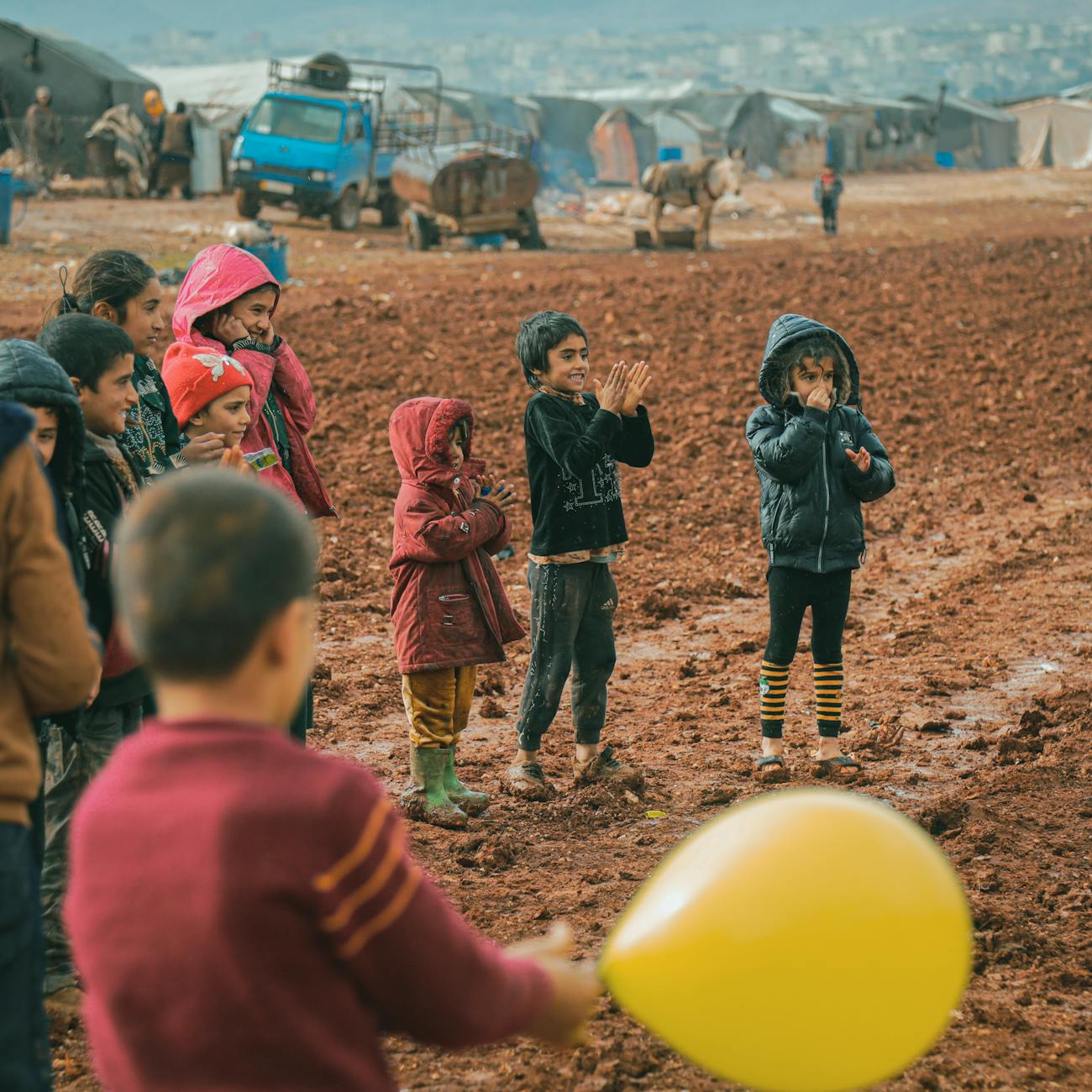
Peacekeeping Operations
Peacekeeping operations are crucial for maintaining international peace and security. They involve the deployment of multinational forces to help countries torn by conflict create conditions for sustainable peace. These operations are typically authorized by the United Nations Security Council and are carried out by UN peacekeepers from different member states.
Types of Peacekeeping Operations
1. Traditional Peacekeeping: Traditional peacekeeping involves the deployment of impartial forces to monitor and observe a ceasefire agreement between conflicting parties. These forces do not have the mandate to use force unless in self-defense.
2. Multi-dimensional Peacekeeping: Multi-dimensional peacekeeping missions go beyond traditional roles and encompass a range of activities such as disarmament, demobilization, and reintegration of ex-combatants, as well as institution-building and rule of law support.
3. Peacebuilding: Peacebuilding operations focus on the long-term development of institutions and structures that can help prevent a relapse into conflict. They often involve collaboration with local governments, civil society, and other stakeholders.
Principles of Peacekeeping
1. Consent of the Parties: Peacekeepers must have the consent of all parties involved in the conflict, including the host government and the warring factions.
2. Impartiality: Peacekeepers must remain neutral and impartial in their actions and decisions, not favoring any side of the conflict.
3. Non-use of Force: Peacekeepers can only use force in self-defense or to protect civilians under imminent threat.
4. Minimum Use of Force: When force is necessary, peacekeepers must use the minimum force required to achieve their objectives.
5. Respect for Human Rights: Peacekeepers must respect and uphold human rights standards in all their actions and interactions.
Challenges in Peacekeeping Operations
1. Complexity of Conflicts: Modern conflicts are often characterized by multiple parties with diverse interests, making peacekeeping challenging.
2. Resource Constraints: Peacekeeping missions require substantial resources in terms of personnel, equipment, and funding, which can be a limiting factor.
3. Political Obstacles: Host governments or warring parties may not always cooperate fully with peacekeeping efforts, hindering their effectiveness.
4. Security Risks: Peacekeepers operate in volatile environments where they are exposed to various security threats, including attacks by armed groups.
5. Coordination Issues: Coordination among different actors involved in peacekeeping, including UN agencies, NGOs, and host governments, can be a challenge.
Humanitarian Law
Humanitarian law, also known as the law of war or the law of armed conflict, is a set of rules that seek to protect those who are not taking part in hostilities and to limit the means and methods of warfare. It applies in situations of armed conflict, whether international or non-international, and aims to minimize the suffering and destruction caused by war.
Key Principles of Humanitarian Law
1. Principle of Distinction: This principle requires parties to a conflict to distinguish between combatants and civilians and to direct attacks only against military objectives.
2. Principle of Proportionality: Parties to a conflict must ensure that the harm caused by an attack is not excessive in relation to the military advantage gained.
3. Principle of Precaution: Parties to a conflict must take all feasible precautions to avoid or minimize harm to civilians and civilian objects.
4. Prohibition of Indiscriminate Attacks: Indiscriminate attacks, which do not distinguish between civilians and military targets, are prohibited under humanitarian law.
5. Protection of Humanitarian Workers: Humanitarian workers, including medical personnel and aid workers, must be respected and protected in armed conflicts.
Geneva Conventions
The Geneva Conventions are a set of four international treaties that establish the standards of international humanitarian law for the treatment of the wounded and sick in armed forces in the field, prisoners of war, and civilians in times of war. They are:
1. First Geneva Convention: Focuses on the protection of wounded and sick military personnel on land during armed conflict.
2. Second Geneva Convention: Extends the principles of the first convention to wounded, sick, and shipwrecked military personnel at sea.
3. Third Geneva Convention: Provides protections for prisoners of war, including their humane treatment and rights.
4. Fourth Geneva Convention: Protects civilians during times of war, including their rights to food, medical care, and protection from violence.
International Humanitarian Law in Practice
1. Protecting Civilians: Humanitarian law requires parties to a conflict to protect civilians from harm, including indiscriminate attacks and the use of prohibited weapons.
2. Humanitarian Access: Humanitarian law ensures that aid organizations have access to affected populations to provide essential assistance such as food, water, and medical care.
3. Accountability: Humanitarian law holds parties to a conflict accountable for violations of its principles, including war crimes and crimes against humanity.
4. Training and Education: It is essential to educate military personnel, humanitarian workers, and civilians about humanitarian law to ensure compliance and respect for its principles.
5. Monitoring and Reporting: International organizations and civil society play a crucial role in monitoring and reporting violations of humanitarian law to hold perpetrators accountable.
Challenges in Implementing Humanitarian Law
1. Non-state Actors: Non-state armed groups may not recognize or abide by the principles of humanitarian law, posing challenges to its implementation.
2. Enforcement Mechanisms: Ensuring compliance with humanitarian law and holding violators accountable can be difficult due to the lack of effective enforcement mechanisms.
3. Legal Loopholes: Some aspects of humanitarian law may be open to interpretation, leading to ambiguity in its application and enforcement.
4. Political Interference: Political considerations can sometimes override humanitarian concerns, undermining the implementation of humanitarian law.
5. Technological Advancements: New technologies in warfare, such as drones and cyber warfare, raise ethical and legal questions about their compatibility with humanitarian law.
Conclusion
In conclusion, peacekeeping operations and humanitarian law play critical roles in promoting peace, protecting civilians, and upholding human rights in conflict situations. Understanding the key principles and challenges of these areas is essential for anyone involved in humanitarian work, military operations, or international law. By adhering to the principles of peacekeeping and humanitarian law and addressing the challenges that arise, we can work towards a more just and peaceful world for all.
Key takeaways
- These operations are typically authorized by the United Nations Security Council and are carried out by UN peacekeepers from different member states.
- Traditional Peacekeeping: Traditional peacekeeping involves the deployment of impartial forces to monitor and observe a ceasefire agreement between conflicting parties.
- Peacebuilding: Peacebuilding operations focus on the long-term development of institutions and structures that can help prevent a relapse into conflict.
- Consent of the Parties: Peacekeepers must have the consent of all parties involved in the conflict, including the host government and the warring factions.
- Impartiality: Peacekeepers must remain neutral and impartial in their actions and decisions, not favoring any side of the conflict.
- Non-use of Force: Peacekeepers can only use force in self-defense or to protect civilians under imminent threat.
- Minimum Use of Force: When force is necessary, peacekeepers must use the minimum force required to achieve their objectives.