
Gender and Diversity in Humanitarian Action
Gender and Diversity in Humanitarian Action
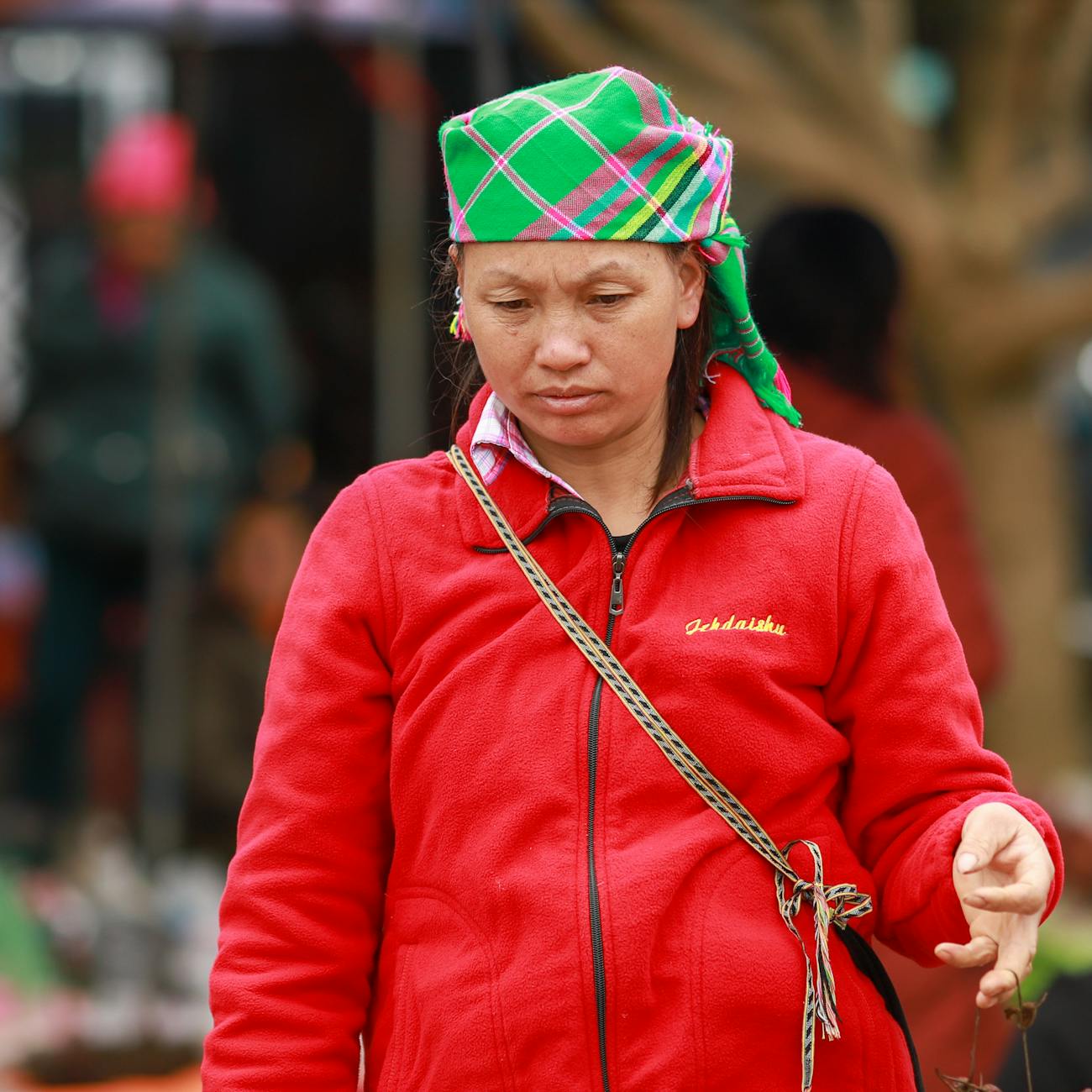
Gender and Diversity in Humanitarian Action
Humanitarian action involves providing assistance and protection to people affected by conflict and natural disasters. In recent years, there has been a growing recognition of the importance of considering gender and diversity in humanitarian responses. Understanding these concepts is crucial for ensuring that humanitarian assistance is effective, inclusive, and respectful of the rights and needs of all individuals.
Gender refers to the socially constructed roles, behaviors, activities, and attributes that a given society considers appropriate for men and women. It is important to note that gender is distinct from sex, which refers to biological differences between males and females. Gender norms can vary widely between cultures and can influence access to resources, decision-making processes, and opportunities for individuals.
In humanitarian settings, gender considerations are essential for understanding the specific needs and vulnerabilities of women, men, girls, and boys. For example, women and girls may face increased risks of gender-based violence, including sexual exploitation and abuse, during emergencies. Men and boys may be expected to fulfill traditional roles of protection and provision, which can be challenging in crisis situations. By taking gender into account, humanitarian actors can tailor their responses to better meet the needs of all individuals affected by emergencies.
Diversity encompasses a range of characteristics that make individuals unique, including but not limited to age, disability, ethnicity, religion, sexual orientation, and socioeconomic status. Recognizing and valuing diversity is important in humanitarian action because it ensures that assistance is provided equitably and without discrimination. By considering the diverse needs and perspectives of affected populations, humanitarian actors can develop more inclusive and effective responses.
One key aspect of integrating gender and diversity in humanitarian action is promoting gender equality and non-discrimination. Gender equality refers to the equal rights, responsibilities, and opportunities of women, men, girls, and boys, while non-discrimination means treating all individuals fairly and without prejudice. By addressing inequalities and barriers based on gender and diversity, humanitarian organizations can work towards creating more just and inclusive societies.
Another important concept in the context of gender and diversity in humanitarian action is intersectionality. Intersectionality recognizes that individuals may experience multiple forms of discrimination or disadvantage based on their overlapping identities. For example, a woman with a disability may face unique challenges that are distinct from those experienced by a man with a disability. By considering the intersection of gender, disability, and other factors, humanitarian actors can develop more nuanced and targeted responses.
Gender mainstreaming is a strategy that aims to integrate gender perspectives into all aspects of humanitarian programming. This involves analyzing the different needs and experiences of women, men, girls, and boys throughout the project cycle, from needs assessment to monitoring and evaluation. By mainstreaming gender, humanitarian organizations can ensure that their responses are responsive to the diverse needs of affected populations.
Challenges in addressing gender and diversity in humanitarian action include limited awareness and understanding of these concepts among humanitarian actors. In some cases, cultural norms and stereotypes may also pose barriers to promoting gender equality and non-discrimination in humanitarian settings. Overcoming these challenges requires ongoing training, capacity building, and advocacy to promote more inclusive and equitable approaches to humanitarian action.
In conclusion, gender and diversity in humanitarian action are critical considerations for ensuring that assistance is provided in a way that is respectful, inclusive, and effective. By recognizing and valuing the diverse needs and perspectives of affected populations, humanitarian organizations can work towards promoting gender equality and non-discrimination in their responses. Integrating gender and diversity into humanitarian programming can lead to more equitable outcomes and better meet the needs of all individuals affected by emergencies.
Key takeaways
- Understanding these concepts is crucial for ensuring that humanitarian assistance is effective, inclusive, and respectful of the rights and needs of all individuals.
- Gender refers to the socially constructed roles, behaviors, activities, and attributes that a given society considers appropriate for men and women.
- In humanitarian settings, gender considerations are essential for understanding the specific needs and vulnerabilities of women, men, girls, and boys.
- Diversity encompasses a range of characteristics that make individuals unique, including but not limited to age, disability, ethnicity, religion, sexual orientation, and socioeconomic status.
- Gender equality refers to the equal rights, responsibilities, and opportunities of women, men, girls, and boys, while non-discrimination means treating all individuals fairly and without prejudice.
- Intersectionality recognizes that individuals may experience multiple forms of discrimination or disadvantage based on their overlapping identities.
- This involves analyzing the different needs and experiences of women, men, girls, and boys throughout the project cycle, from needs assessment to monitoring and evaluation.