
Preventive Maintenance in Dental Equipment Repair
Preventive Maintenance in Dental Equipment Repair is a critical aspect of ensuring the efficiency, longevity, and safety of dental equipment. It involves a series of proactive measures taken to prevent potential issues or breakdowns before …
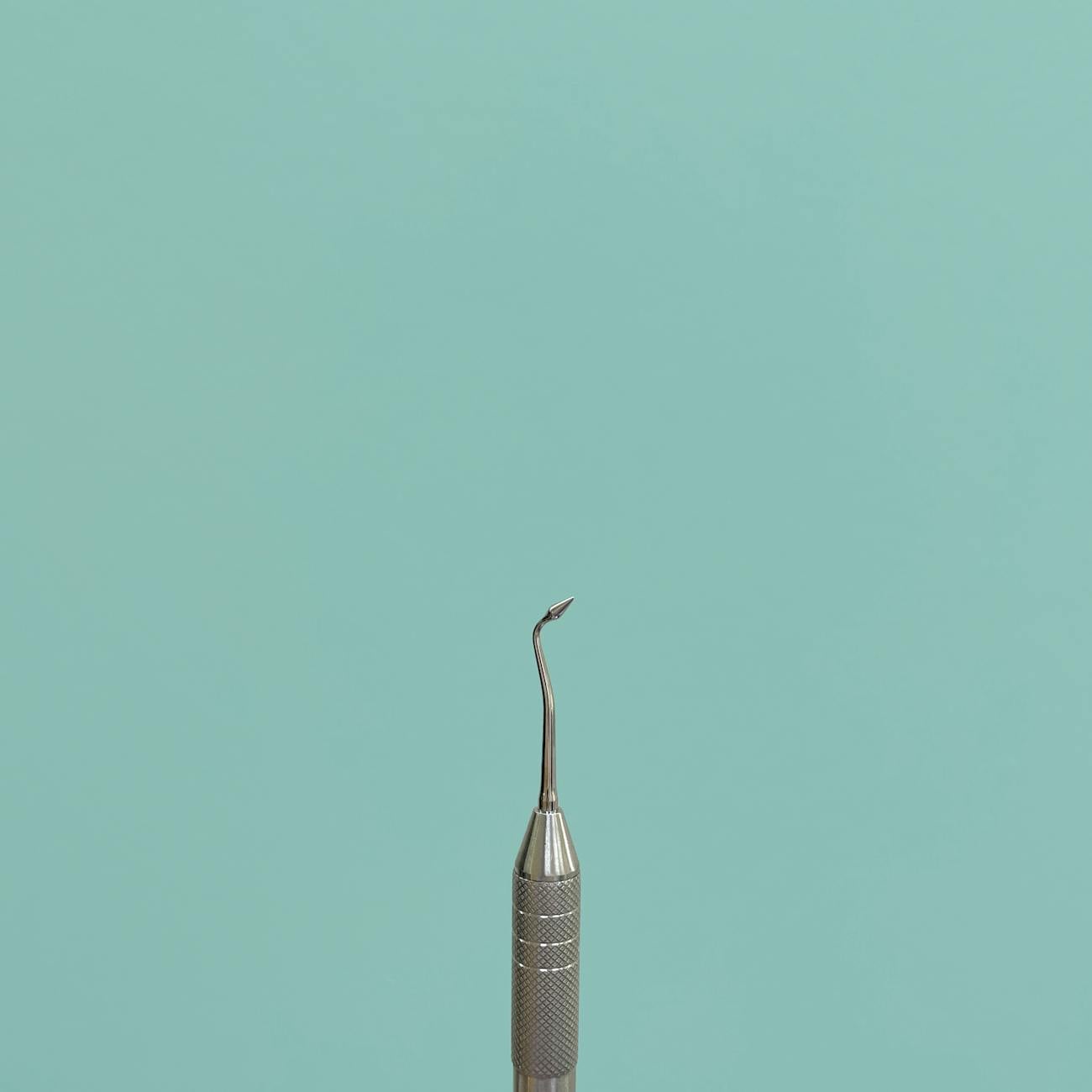
Preventive Maintenance in Dental Equipment Repair is a critical aspect of ensuring the efficiency, longevity, and safety of dental equipment. It involves a series of proactive measures taken to prevent potential issues or breakdowns before they occur. By implementing a preventive maintenance program, dental professionals can minimize downtime, reduce repair costs, and improve patient care.
Key Terms and Vocabulary:
1. **Preventive Maintenance**: Preventive maintenance refers to the routine care and servicing of dental equipment to prevent potential problems before they occur. It involves regular inspections, cleaning, lubrication, and adjustments to ensure optimal performance.
2. **Calibration**: Calibration is the process of adjusting dental equipment to ensure accuracy and consistency in measurements or operations. It is essential for equipment like autoclaves, x-ray machines, and dental chairs to function correctly.
3. **Inspection**: Inspection involves visually examining dental equipment for signs of wear, damage, or malfunction. Regular inspections help identify potential issues early on and prevent costly repairs or replacements.
4. **Cleaning**: Cleaning dental equipment is crucial to prevent the buildup of debris, bacteria, or other contaminants that can affect performance or patient safety. Proper cleaning procedures should be followed for each piece of equipment.
5. **Lubrication**: Lubrication involves applying lubricants to moving parts of dental equipment to reduce friction, wear, and noise. It helps extend the lifespan of equipment and ensures smooth operation.
6. **Replacement Parts**: Replacement parts are components of dental equipment that need to be replaced periodically due to wear and tear. Using genuine replacement parts is essential to maintain the integrity and functionality of the equipment.
7. **Scheduled Maintenance**: Scheduled maintenance refers to planned maintenance activities performed at regular intervals to ensure the reliability and performance of dental equipment. It includes tasks such as filter replacement, belt adjustments, and sensor calibration.
8. **Checklist**: A maintenance checklist is a tool used to guide technicians through the preventive maintenance process. It lists all the tasks that need to be performed, along with their frequency and any specific instructions or precautions.
9. **Compliance**: Compliance with regulatory standards and guidelines is essential in dental equipment maintenance to ensure patient safety and legal compliance. Technicians must adhere to industry regulations and best practices.
10. **Documentation**: Documentation involves keeping records of all maintenance activities, including inspections, repairs, and replacements. Detailed documentation helps track the maintenance history of each piece of equipment and identify recurring issues.
11. **Troubleshooting**: Troubleshooting is the process of identifying and resolving problems with dental equipment. Technicians must have the skills and knowledge to diagnose issues accurately and implement effective solutions.
12. **Safety Protocols**: Safety protocols are guidelines and procedures designed to ensure the safety of technicians, patients, and staff during maintenance activities. Following safety protocols is essential to prevent accidents or injuries.
13. **Emergency Repairs**: Emergency repairs are unplanned maintenance activities performed to address sudden equipment failures or malfunctions. Technicians must be prepared to respond quickly to prevent disruptions to patient care.
14. **OEM (Original Equipment Manufacturer)**: OEM refers to the manufacturer of dental equipment or replacement parts. Using OEM parts ensures compatibility and quality, reducing the risk of equipment damage or malfunction.
15. **Infection Control**: Infection control measures are essential in dental equipment maintenance to prevent the spread of pathogens and ensure a safe environment for patients and staff. Proper cleaning, sterilization, and disinfection protocols must be followed.
16. **Training and Certification**: Training and certification programs provide technicians with the knowledge and skills needed to perform preventive maintenance on dental equipment. Continuous education is essential to stay updated on new technologies and best practices.
17. **Budgeting**: Budgeting for preventive maintenance involves allocating funds for routine servicing, inspections, and repairs. Proper budgeting ensures that equipment is well-maintained and operational, reducing unexpected expenses.
18. **Remote Monitoring**: Remote monitoring technology allows technicians to monitor the performance of dental equipment from a distance. It enables early detection of issues and proactive maintenance, reducing downtime and improving efficiency.
Practical Applications:
Preventive maintenance in dental equipment repair is crucial for maintaining a safe and efficient dental practice. Here are some practical applications of preventive maintenance:
1. **Dental Chairs**: Regular inspections, cleaning, and lubrication of dental chairs help ensure patient comfort and safety during procedures. Checking for loose screws, damaged upholstery, or malfunctioning controls can prevent accidents or injuries.
2. **Autoclaves**: Calibrating autoclaves regularly and replacing worn gaskets or seals prevent sterilization failures and the spread of infections. Performing routine maintenance tasks like water quality testing and cycle monitoring ensures consistent performance.
3. **X-ray Machines**: Inspecting x-ray machines for radiation leaks, sensor malfunctions, or image quality issues is essential for accurate diagnosis and patient safety. Calibrating exposure settings, collimators, and filters helps maintain image quality and reduce radiation exposure.
Challenges:
While preventive maintenance is essential for dental equipment repair, several challenges may arise:
1. **Time Constraints**: Dental professionals often have busy schedules, making it challenging to dedicate time for preventive maintenance tasks. Finding time to perform inspections, cleaning, and repairs can be a struggle.
2. **Cost Considerations**: Budget constraints may limit the resources allocated to preventive maintenance activities. Balancing the cost of maintenance with the risk of equipment failure or downtime can be a challenge for dental practices.
3. **Technician Shortage**: The shortage of qualified technicians trained in dental equipment repair can make it difficult to implement a comprehensive preventive maintenance program. Recruiting and retaining skilled technicians is essential for effective maintenance.
In conclusion, preventive maintenance in dental equipment repair is essential for ensuring the safety, efficiency, and longevity of dental equipment. By implementing a proactive maintenance program, dental professionals can minimize downtime, reduce costs, and provide quality care to patients. Understanding key terms and vocabulary related to preventive maintenance is crucial for technicians to perform their duties effectively and maintain a safe practice environment.
Key takeaways
- Preventive Maintenance in Dental Equipment Repair is a critical aspect of ensuring the efficiency, longevity, and safety of dental equipment.
- **Preventive Maintenance**: Preventive maintenance refers to the routine care and servicing of dental equipment to prevent potential problems before they occur.
- **Calibration**: Calibration is the process of adjusting dental equipment to ensure accuracy and consistency in measurements or operations.
- **Inspection**: Inspection involves visually examining dental equipment for signs of wear, damage, or malfunction.
- **Cleaning**: Cleaning dental equipment is crucial to prevent the buildup of debris, bacteria, or other contaminants that can affect performance or patient safety.
- **Lubrication**: Lubrication involves applying lubricants to moving parts of dental equipment to reduce friction, wear, and noise.
- **Replacement Parts**: Replacement parts are components of dental equipment that need to be replaced periodically due to wear and tear.