
Cleaning and Sterilization Procedures for Dental Equipment
Cleaning and Sterilization Procedures for Dental Equipment
Cleaning and Sterilization Procedures for Dental Equipment
Cleaning and sterilization are crucial processes in maintaining the safety and effectiveness of dental equipment. In the Certificate Programme in Dental Equipment Repair, understanding key terms and vocabulary related to cleaning and sterilization procedures is essential for ensuring the proper functioning of dental instruments and preventing the spread of infections. Let's explore some of the key terms in this context:
1. Cleaning: Cleaning is the process of removing visible debris, organic material, and other contaminants from dental equipment. It is the initial step in the decontamination process and is essential for effective sterilization. Cleaning can be done manually using brushes, sponges, and detergents, or through automated cleaning machines. Proper cleaning helps to prevent the buildup of biofilm and ensures that sterilization is effective.
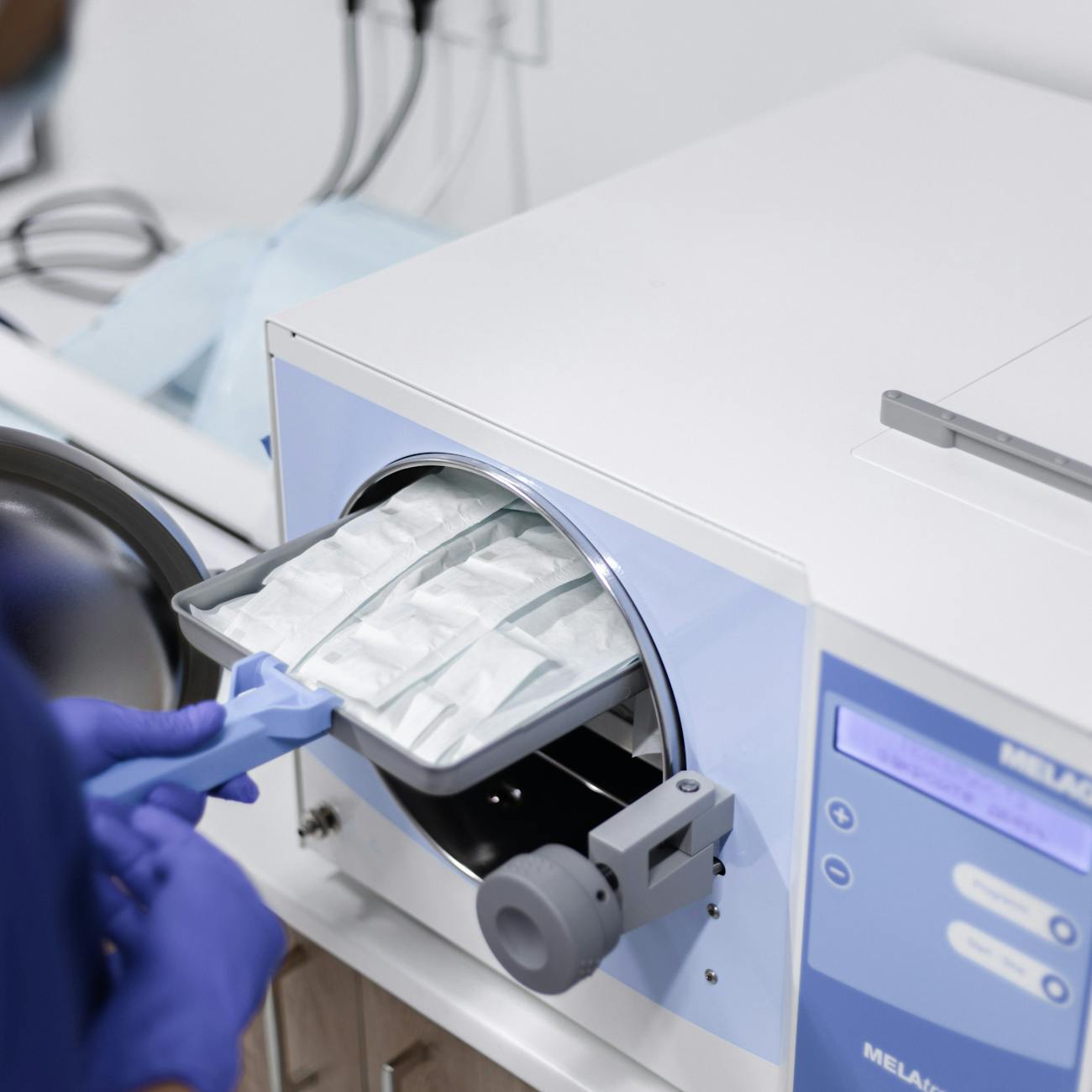
2. Sterilization: Sterilization is the process of killing all microorganisms, including bacteria, viruses, and spores, on dental equipment to prevent the transmission of infections. Sterilization can be achieved through various methods such as steam autoclaving, chemical sterilization, dry heat sterilization, and ethylene oxide gas sterilization. Effective sterilization is critical for maintaining a safe and hygienic dental environment.
3. Decontamination: Decontamination refers to the process of cleaning, disinfecting, and sterilizing dental equipment to remove or inactivate infectious agents. Decontamination is essential for preventing the spread of pathogens and ensuring the safety of patients and dental staff. Proper decontamination procedures should be followed for all reusable dental instruments.
4. Disinfection: Disinfection is the process of killing or inactivating most, but not all, microorganisms on surfaces. Disinfection is typically used on non-critical surfaces that come into contact with intact skin but not mucous membranes or blood. Disinfectants are classified based on their level of antimicrobial activity, with high-level disinfectants being able to kill a broader range of microorganisms.
5. Cross-contamination: Cross-contamination occurs when microorganisms are transferred from one surface or instrument to another, leading to the spread of infections. Cross-contamination can occur through direct contact, airborne transmission, or contaminated equipment. Proper cleaning, disinfection, and sterilization procedures are essential for preventing cross-contamination in the dental setting.
6. Personal Protective Equipment (PPE): Personal Protective Equipment refers to protective clothing, gloves, masks, and eyewear worn by dental staff to protect themselves and patients from exposure to infectious agents. PPE is essential for preventing the transmission of infections and ensuring the safety of healthcare workers. Proper use and disposal of PPE are critical for infection control in dental settings.
7. Biological Indicators: Biological indicators are test organisms used to monitor the effectiveness of sterilization processes. These indicators contain a known number of highly resistant spores that are used to challenge the sterilization process. After sterilization, the biological indicators are incubated to determine if any spores have survived, indicating a sterilization failure. Biological indicators are essential for ensuring the reliability of sterilization processes.
8. Chemical Indicators: Chemical indicators are strips, tapes, or labels that change color when exposed to specific sterilization conditions, such as heat or steam. Chemical indicators are used to visually confirm that the sterilization process has reached the appropriate parameters. While chemical indicators provide a quick visual indication of sterilization, they do not guarantee the sterility of the instruments.
9. Quality Assurance: Quality assurance refers to the systematic process of ensuring that dental equipment is properly cleaned, disinfected, and sterilized to meet established standards of safety and effectiveness. Quality assurance programs include regular monitoring, testing, and documentation of cleaning and sterilization processes to identify any deviations and take corrective actions. Quality assurance is essential for maintaining a high level of infection control in dental practices.
10. Compliance: Compliance refers to the adherence to established guidelines, regulations, and standards related to cleaning and sterilization procedures in dental settings. Compliance with infection control protocols, manufacturer instructions, and regulatory requirements is essential for ensuring the safety and effectiveness of dental equipment. Non-compliance can lead to the spread of infections and pose risks to both patients and dental staff.
In conclusion, understanding key terms and vocabulary related to cleaning and sterilization procedures is crucial for maintaining a safe and hygienic dental environment. By following proper cleaning, disinfection, and sterilization protocols, dental professionals can prevent the spread of infections and ensure the safety of patients and staff. Continuous education and training on infection control practices are essential for promoting a culture of safety and quality in dental practices.
Key takeaways
- Cleaning and sterilization are crucial processes in maintaining the safety and effectiveness of dental equipment.
- Cleaning: Cleaning is the process of removing visible debris, organic material, and other contaminants from dental equipment.
- Sterilization: Sterilization is the process of killing all microorganisms, including bacteria, viruses, and spores, on dental equipment to prevent the transmission of infections.
- Decontamination: Decontamination refers to the process of cleaning, disinfecting, and sterilizing dental equipment to remove or inactivate infectious agents.
- Disinfectants are classified based on their level of antimicrobial activity, with high-level disinfectants being able to kill a broader range of microorganisms.
- Cross-contamination: Cross-contamination occurs when microorganisms are transferred from one surface or instrument to another, leading to the spread of infections.
- Personal Protective Equipment (PPE): Personal Protective Equipment refers to protective clothing, gloves, masks, and eyewear worn by dental staff to protect themselves and patients from exposure to infectious agents.