
Military Footwear Technology
Military Footwear Technology encompasses a wide range of design, materials, and construction techniques tailored specifically for the needs of military personnel in various operational environments. The importance of proper footwear cannot …
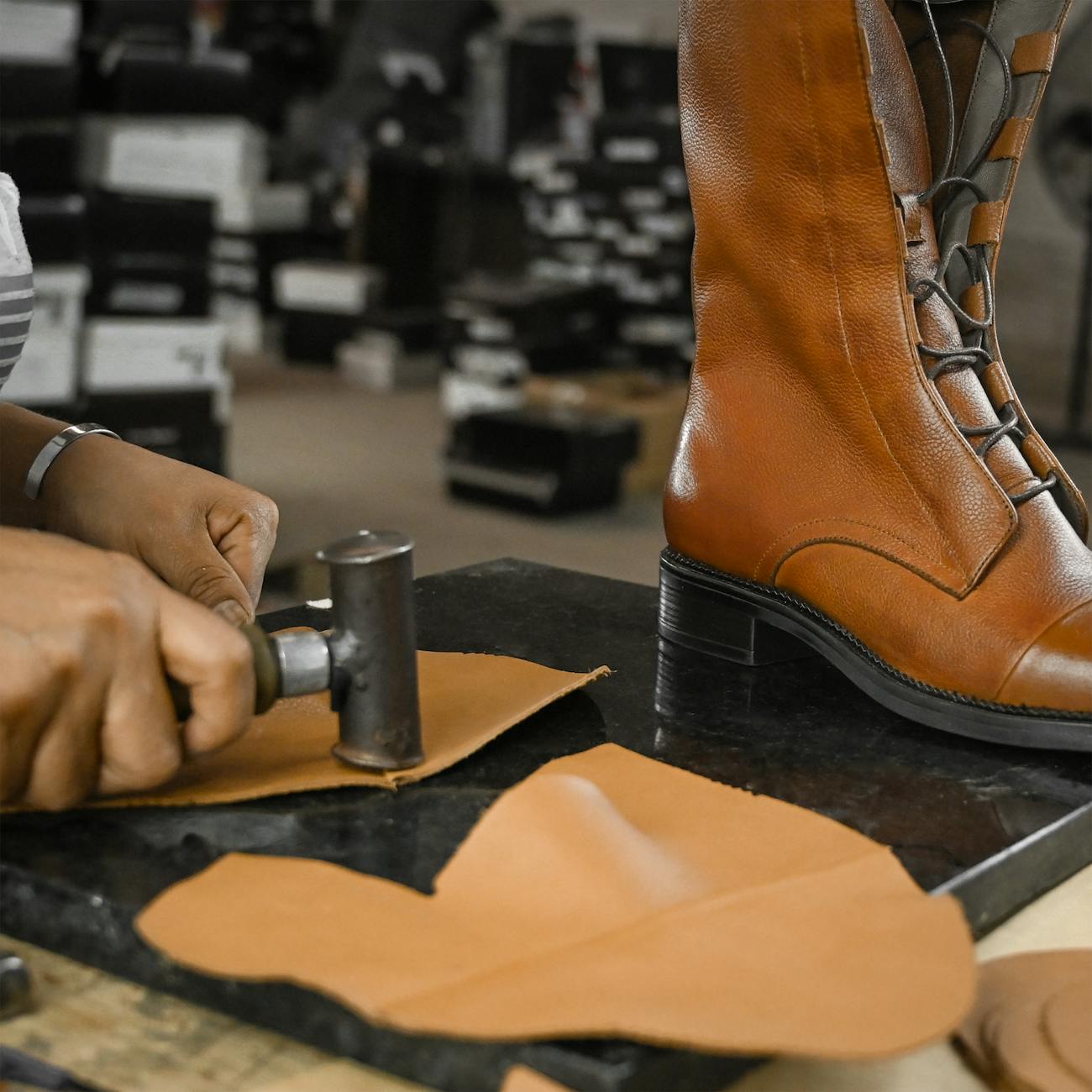
Military Footwear Technology encompasses a wide range of design, materials, and construction techniques tailored specifically for the needs of military personnel in various operational environments. The importance of proper footwear cannot be overstated in military settings, where soldiers may face long hours of standing, walking, running, and carrying heavy loads. The right footwear can enhance performance, protect against injuries, and ensure overall comfort and well-being. This course will delve into the key terms and vocabulary essential for understanding Military Footwear Technology.
1. **Durability**: Durability is a critical factor in military footwear as soldiers rely on their boots to withstand the rigors of combat and harsh environments. High-quality materials and construction methods are used to ensure longevity and performance under challenging conditions. For example, abrasion-resistant materials like Cordura® nylon are often used in military boots to enhance durability.
2. **Breathability**: Breathability refers to the ability of footwear to allow air circulation, preventing moisture buildup inside the boot. Proper breathability is crucial to prevent issues like blisters, athlete's foot, and other skin irritations. Materials like Gore-Tex® membranes are commonly used to provide waterproof yet breathable protection in military boots.
3. **Traction**: Traction is essential for military footwear to provide a secure grip on various surfaces, including slippery or uneven terrain. Outsoles with aggressive tread patterns, made from materials like Vibram® rubber, offer excellent traction to prevent slips and falls during military operations.
4. **Support**: Footwear support is crucial to reduce fatigue and prevent injuries, especially during long marches or when carrying heavy loads. Features like reinforced ankle support, cushioned midsoles, and arch support systems help stabilize the foot and reduce the risk of sprains or strains.
5. **Waterproofing**: Waterproofing is vital in military footwear to keep soldiers' feet dry and comfortable in wet conditions. Waterproof membranes like eVent® or Sympatex® are commonly used to seal out moisture while allowing sweat to escape, maintaining a dry and healthy environment inside the boot.
6. **Insulation**: Insulation is essential for military boots to provide warmth in cold climates or during winter operations. Thinsulate™ or PrimaLoft® insulation technologies are often used to trap body heat and keep feet warm without adding bulk or weight to the boots.
7. **Fit**: Proper fit is critical for military footwear to ensure comfort, performance, and prevent foot injuries. Boots that are too tight can cause blisters and discomfort, while loose-fitting boots may lead to chafing or instability. Soldiers must select the right size and width to achieve a snug yet comfortable fit.
8. **Weight**: The weight of military footwear can impact soldiers' mobility, agility, and overall performance. Lightweight materials like EVA foam or composite toe caps are used to reduce the overall weight of boots without compromising durability or protection.
9. **Antimicrobial**: Antimicrobial treatments are applied to military footwear to prevent the growth of bacteria, fungi, and odors. These treatments help maintain foot hygiene and reduce the risk of infections, especially in humid or tropical environments where moisture buildup is common.
10. **Berry Compliant**: Berry Compliant refers to military footwear that meets the requirements of the Berry Amendment, which mandates that certain textile and clothing items used by the U.S. military be produced in the United States with domestically sourced materials. Berry Compliant footwear supports American manufacturers and ensures quality control and supply chain security.
11. **Compression Resistance**: Compression resistance is the ability of military boots to withstand pressure and maintain their shape and support when subjected to heavy loads or impacts. Materials like Kevlar® or carbon fiber reinforcements are used to enhance compression resistance in critical areas of the boot.
12. **Moisture Wicking**: Moisture-wicking properties in military footwear help draw sweat away from the skin and accelerate evaporation, keeping soldiers' feet dry and comfortable. Fabrics like Coolmax® or Merino wool are often used to wick moisture away from the foot and prevent chafing or blisters.
13. **Ankle Mobility**: Ankle mobility is crucial for soldiers to maintain agility and flexibility during military operations. Boots with a balance of ankle support and freedom of movement allow soldiers to navigate rough terrain, climb obstacles, and perform dynamic movements with confidence.
14. **Abrasion Resistance**: Abrasion resistance is essential for military boots to withstand wear and tear from rough surfaces, sharp objects, or abrasive materials. Durable materials like full-grain leather, ballistic nylon, or rubber reinforcements are used to enhance abrasion resistance and extend the lifespan of the boots.
15. **Puncture Protection**: Puncture protection features in military footwear help shield soldiers' feet from sharp objects, debris, or hazardous materials on the ground. Composite toe caps, steel shanks, or puncture-resistant plates are integrated into the sole or upper of the boot to provide added protection without compromising flexibility or comfort.
16. **Shock Absorption**: Shock absorption is crucial for military boots to cushion the impact of each step and reduce strain on soldiers' joints and muscles. EVA foam midsoles, gel inserts, or air cushioning systems are designed to absorb and disperse shock energy, enhancing comfort and reducing the risk of fatigue or injuries.
17. **Stability**: Footwear stability is essential for soldiers to maintain balance and control on uneven or unstable terrain. Features like a wide base, reinforced heel counters, and multi-directional lugs on the outsole provide stability and traction to prevent slips or twists during military operations.
18. **Toe Protection**: Toe protection in military boots helps guard soldiers' toes against impacts, crush injuries, or falling objects. Steel toe caps, composite materials, or reinforced rubber bumpers are incorporated into the boot design to provide added protection without compromising flexibility or comfort.
19. **Quick Drying**: Quick-drying properties in military footwear enable boots to dry rapidly after exposure to water, sweat, or moisture. Breathable materials, drainage ports, or moisture-wicking linings facilitate quick evaporation and prevent the growth of mold, mildew, or odors inside the boot.
20. **Sustainment**: Sustainment refers to the maintenance, repair, and logistics support required for military footwear throughout its lifecycle. Proper care, cleaning, and storage practices help extend the longevity and performance of boots, ensuring they remain effective and reliable in the field.
21. **Insole Cushioning**: Insole cushioning is essential for military boots to provide comfort and support underfoot. Removable insoles with cushioned padding, arch support, or shock-absorbing gel inserts enhance walking comfort and reduce pressure on the foot during long hours of wear.
22. **Ventilation**: Ventilation features in military footwear promote air circulation inside the boot, preventing heat buildup and reducing sweat and odor. Mesh panels, perforations, or breathable linings allow fresh air to flow through the boot, maintaining a cool and dry environment for the foot.
23. **Lacing System**: The lacing system of military boots plays a crucial role in securing the foot, adjusting fit, and preventing slippage during movement. Features like speed lacing hooks, locking eyelets, or gusseted tongues help soldiers customize the fit and tension of their boots for optimal comfort and support.
24. **Chemical Resistance**: Chemical resistance in military footwear protects soldiers' feet from exposure to hazardous substances, acids, or corrosive materials. Specialized coatings, barrier layers, or materials like neoprene rubber provide chemical resistance to prevent skin irritation or burns in chemical warfare or industrial environments.
25. **Modularity**: Modularity in military footwear allows for customization and adaptation to different mission requirements or environmental conditions. Boots with interchangeable insoles, removable insulation layers, or detachable components enable soldiers to modify their footwear for optimal performance and versatility.
26. **Fire Resistance**: Fire resistance features in military boots protect soldiers' feet from heat, flames, or flash fires in combat or emergency situations. Flame-retardant materials like Nomex® or Kevlar® are used to create fire-resistant boots that meet safety standards and reduce the risk of burns or injuries.
27. **Electrical Hazard Protection**: Electrical hazard protection in military footwear shields soldiers from electrical shocks, static discharge, or live wires in hazardous environments. Insulating materials, non-conductive outsoles, or anti-static properties help prevent electrical accidents and ensure safety during military operations in electrified areas.
28. **Integrated Communication Systems**: Integrated communication systems in military footwear enable soldiers to connect wirelessly, transmit data, or receive signals through embedded sensors or smart technologies. Boots with communication interfaces, GPS tracking, or radio frequency identification (RFID) tags enhance situational awareness and connectivity on the battlefield.
29. **Biomechanical Design**: Biomechanical design principles are applied to military footwear to optimize comfort, performance, and injury prevention based on the natural movement and biomechanics of the foot. Features like anatomical footbeds, flex grooves, or heel counters align with the foot's structure and motion, enhancing support and reducing strain during military activities.
30. **Environmental Sustainability**: Environmental sustainability in military footwear focuses on reducing the ecological footprint, conserving resources, and promoting eco-friendly practices in the design, production, and disposal of boots. Recycled materials, biodegradable components, or energy-efficient manufacturing processes contribute to sustainable footwear solutions that prioritize environmental responsibility.
In conclusion, understanding the key terms and vocabulary of Military Footwear Technology is essential for military personnel, designers, manufacturers, and suppliers involved in the development and procurement of advanced footwear solutions for defense and security applications. By incorporating durable materials, innovative technologies, and ergonomic designs, military boots can enhance comfort, protection, and performance in diverse operational environments, ensuring soldiers' readiness and effectiveness on the battlefield. The continuous evolution of Military Footwear Technology reflects ongoing advancements in materials science, biomechanics, and user-centered design, shaping the future of military footwear to meet the evolving needs and challenges of modern warfare.
Key takeaways
- Military Footwear Technology encompasses a wide range of design, materials, and construction techniques tailored specifically for the needs of military personnel in various operational environments.
- **Durability**: Durability is a critical factor in military footwear as soldiers rely on their boots to withstand the rigors of combat and harsh environments.
- **Breathability**: Breathability refers to the ability of footwear to allow air circulation, preventing moisture buildup inside the boot.
- Outsoles with aggressive tread patterns, made from materials like Vibram® rubber, offer excellent traction to prevent slips and falls during military operations.
- Features like reinforced ankle support, cushioned midsoles, and arch support systems help stabilize the foot and reduce the risk of sprains or strains.
- Waterproof membranes like eVent® or Sympatex® are commonly used to seal out moisture while allowing sweat to escape, maintaining a dry and healthy environment inside the boot.
- Thinsulate™ or PrimaLoft® insulation technologies are often used to trap body heat and keep feet warm without adding bulk or weight to the boots.