
Protective Equipment for Military Personnel
Protective Equipment for Military Personnel
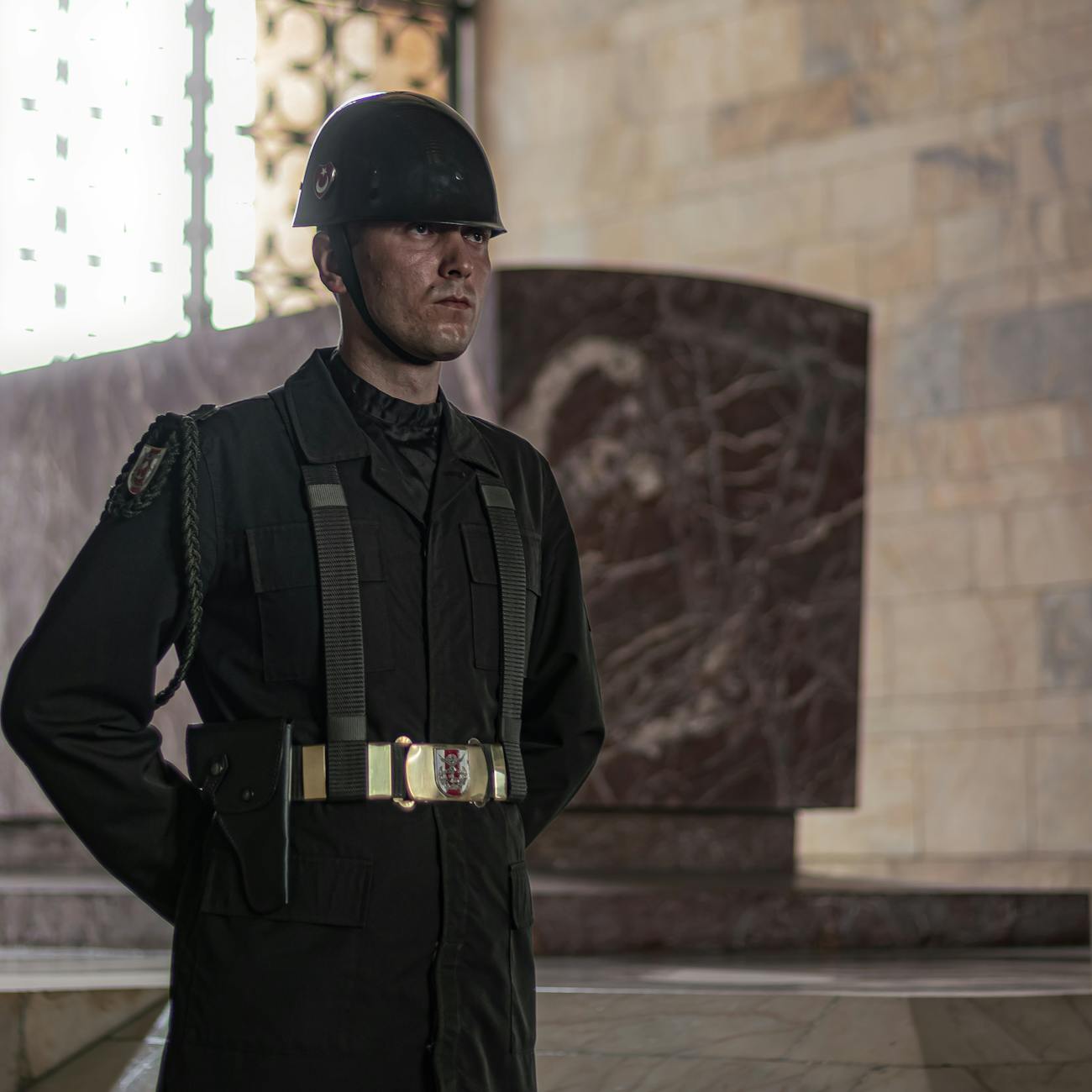
Protective Equipment for Military Personnel
Protective equipment for military personnel plays a critical role in ensuring the safety and effectiveness of soldiers in combat situations. This equipment is designed to provide protection against various threats such as ballistic, chemical, biological, radiological, and nuclear (CBRN) hazards. In the course "Professional Certificate in Military Textile Performance," students will learn about the key terms and vocabulary related to protective equipment for military personnel.
Ballistic Protection
Ballistic protection is a critical component of military protective equipment, designed to protect soldiers from ballistic threats such as bullets and shrapnel. Ballistic protection can be provided through various materials such as Kevlar, ceramic plates, and polyethylene.
Example: Bulletproof vests are a common form of ballistic protection used by military personnel to protect vital organs from gunshot wounds.
Chemical Protection
Chemical protection refers to the measures taken to protect military personnel from exposure to chemical agents such as nerve agents and blister agents. Chemical protective equipment includes gas masks, suits, and gloves designed to prevent the penetration of chemical agents through the skin, eyes, and respiratory system.
Example: The M50 gas mask is a commonly used piece of equipment that provides protection against a wide range of chemical agents.
Biological Protection
Biological protection is aimed at protecting military personnel from biological threats such as viruses, bacteria, and toxins. Biological protective equipment includes suits, masks, and gloves designed to prevent the transmission of biological agents through contact or inhalation.
Example: The Joint Service Lightweight Integrated Suit Technology (JSLIST) is a protective suit that provides protection against biological agents.
Radiological Protection
Radiological protection involves protecting military personnel from exposure to ionizing radiation. Radiological protective equipment includes suits, gloves, and boots designed to shield the body from harmful radiation.
Example: Lead aprons are commonly used by military personnel in radiology departments to protect themselves from radiation exposure.
Nuclear Protection
Nuclear protection is aimed at protecting military personnel from the effects of a nuclear explosion, including blast, heat, and radiation. Nuclear protective equipment includes blast helmets, goggles, and radiation detectors designed to mitigate the impact of a nuclear event.
Example: The Joint Service Lightweight Integrated Suit Technology (JSLIST) includes components that provide protection against nuclear blast and radiation.
Combat Helmet
The combat helmet is a vital piece of protective equipment designed to protect the head from ballistic threats and blunt force trauma. Combat helmets are typically made of ballistic fibers such as Kevlar and come in various shapes and sizes to fit different head sizes.
Example: The Advanced Combat Helmet (ACH) is a lightweight helmet used by military personnel to provide protection against ballistic threats.
Body Armor
Body armor is a type of protective equipment worn by military personnel to protect the torso from ballistic threats. Body armor can be in the form of vests, plates, or full-body suits made of materials like ceramic, Kevlar, or polyethylene.
Example: The Interceptor Body Armor (IBA) is a modular body armor system used by the United States military to protect against ballistic threats.
Chemical Protective Suit
A chemical protective suit is designed to protect military personnel from exposure to chemical agents by providing a barrier against penetration. Chemical protective suits are typically made of materials that are impermeable to chemical agents and include features such as sealed seams and integrated gloves.
Example: The Joint Service Lightweight Integrated Suit Technology (JSLIST) includes a chemical protective suit designed to protect against chemical agents.
Gas Mask
A gas mask is a piece of protective equipment designed to protect the respiratory system from chemical, biological, and radiological threats. Gas masks typically consist of a facepiece, filters, and straps to secure the mask to the wearer's face.
Example: The M50 gas mask is a high-performance mask used by military personnel to provide protection against a wide range of threats.
Gloves and Boots
Gloves and boots are essential components of protective equipment for military personnel, providing protection against chemical, biological, radiological, and nuclear threats. These items are designed to prevent direct contact with hazardous substances and provide an additional barrier of protection.
Example: Chemical protective gloves and boots are integral parts of the Joint Service Lightweight Integrated Suit Technology (JSLIST) for comprehensive protection.
Personal Protective Equipment (PPE)
Personal protective equipment (PPE) refers to protective clothing, helmets, goggles, or other garments or equipment designed to protect the wearer's body from injury or infection. PPE is essential for military personnel in combat situations to ensure their safety and effectiveness.
Example: In addition to specialized protective equipment, military personnel often wear standard PPE such as helmets and goggles for general protection.
Integrated Protection Systems
Integrated protection systems combine various components of protective equipment to provide comprehensive protection against multiple threats. These systems are designed to ensure that military personnel are adequately protected in a wide range of combat scenarios.
Example: The Soldier Plate Carrier System (SPCS) integrates body armor, ballistic plates, and other protective elements to provide a complete protection system for military personnel.
Multi-Layered Protection
Multi-layered protection involves the use of multiple protective materials or components to enhance protection against various threats. By combining different layers of protection, military personnel can increase their overall level of safety and survivability.
Example: Ballistic vests often feature multiple layers of Kevlar or other ballistic fibers to provide enhanced protection against bullets and shrapnel.
Challenges in Protective Equipment Development
The development of protective equipment for military personnel is a complex and challenging process that involves addressing various technical, logistical, and operational challenges. Some of the key challenges include ensuring compatibility with existing equipment, balancing protection with mobility, and keeping up with rapidly evolving threats.
Example: Designing protective equipment that is both lightweight and highly protective is a significant challenge for researchers and manufacturers in the field.
Counterfeit and Substandard Equipment
Counterfeit and substandard protective equipment pose a significant risk to military personnel, as they may not provide the intended level of protection against threats. It is essential for military organizations to implement strict quality control measures and procurement processes to prevent the use of counterfeit or substandard equipment.
Example: In recent years, there have been reports of counterfeit body armor being sold to military personnel, highlighting the importance of vigilant quality assurance practices.
Human Factors in Protective Equipment Design
Human factors play a crucial role in the design and usability of protective equipment for military personnel. Factors such as comfort, fit, mobility, and user interface design can significantly impact the effectiveness and acceptance of protective gear by soldiers in the field.
Example: Protective equipment that is too heavy or restrictive can impede a soldier's mobility and effectiveness in combat situations, highlighting the importance of considering human factors in design.
Testing and Evaluation of Protective Equipment
Testing and evaluation of protective equipment are essential to ensure that it meets the required standards and provides the necessary level of protection against threats. Military organizations conduct rigorous testing protocols to assess the performance, durability, and effectiveness of protective gear before it is issued to personnel.
Example: Ballistic vests are tested using standardized protocols to measure their ability to stop bullets and shrapnel at various velocities.
Adaptive and Smart Textiles
Adaptive and smart textiles are innovative materials that can adapt to changing environmental conditions or provide additional functionalities beyond traditional textiles. These textiles have the potential to revolutionize the design and performance of protective equipment for military personnel.
Example: Smart textiles embedded with sensors can monitor vital signs or detect chemical agents, providing real-time feedback to military personnel in the field.
Environmental Considerations
Environmental considerations, such as temperature, humidity, and terrain, play a significant role in the performance and effectiveness of protective equipment for military personnel. It is essential to design equipment that can withstand a wide range of environmental conditions without compromising protection.
Example: Protective equipment designed for desert environments may need to incorporate features to prevent overheating and dehydration in addition to providing protection against threats.
Supply Chain Management
Supply chain management is critical in ensuring the timely and efficient procurement, distribution, and maintenance of protective equipment for military personnel. Effective supply chain management practices are essential to ensure that personnel have access to the necessary protective gear when and where it is needed.
Example: Just-in-time inventory management systems can help streamline the supply chain for protective equipment, reducing costs and improving readiness.
Conclusion
In conclusion, protective equipment for military personnel is a vital component of ensuring the safety and effectiveness of soldiers in combat situations. By understanding the key terms and vocabulary related to protective equipment, students in the course "Professional Certificate in Military Textile Performance" will be better equipped to design, test, and evaluate innovative solutions to protect military personnel from a wide range of threats. Through a comprehensive understanding of ballistic, chemical, biological, radiological, and nuclear protection, students will be prepared to contribute to the development of cutting-edge protective gear for the armed forces.
Key takeaways
- In the course "Professional Certificate in Military Textile Performance," students will learn about the key terms and vocabulary related to protective equipment for military personnel.
- Ballistic protection is a critical component of military protective equipment, designed to protect soldiers from ballistic threats such as bullets and shrapnel.
- Example: Bulletproof vests are a common form of ballistic protection used by military personnel to protect vital organs from gunshot wounds.
- Chemical protective equipment includes gas masks, suits, and gloves designed to prevent the penetration of chemical agents through the skin, eyes, and respiratory system.
- Example: The M50 gas mask is a commonly used piece of equipment that provides protection against a wide range of chemical agents.
- Biological protective equipment includes suits, masks, and gloves designed to prevent the transmission of biological agents through contact or inhalation.
- Example: The Joint Service Lightweight Integrated Suit Technology (JSLIST) is a protective suit that provides protection against biological agents.