
Marketing and Audience Development
Marketing is the process of identifying, anticipating, and satisfying customer needs and wants through the creation, promotion, and distribution of products or services. In the context of museum project management, marketing plays a critica…
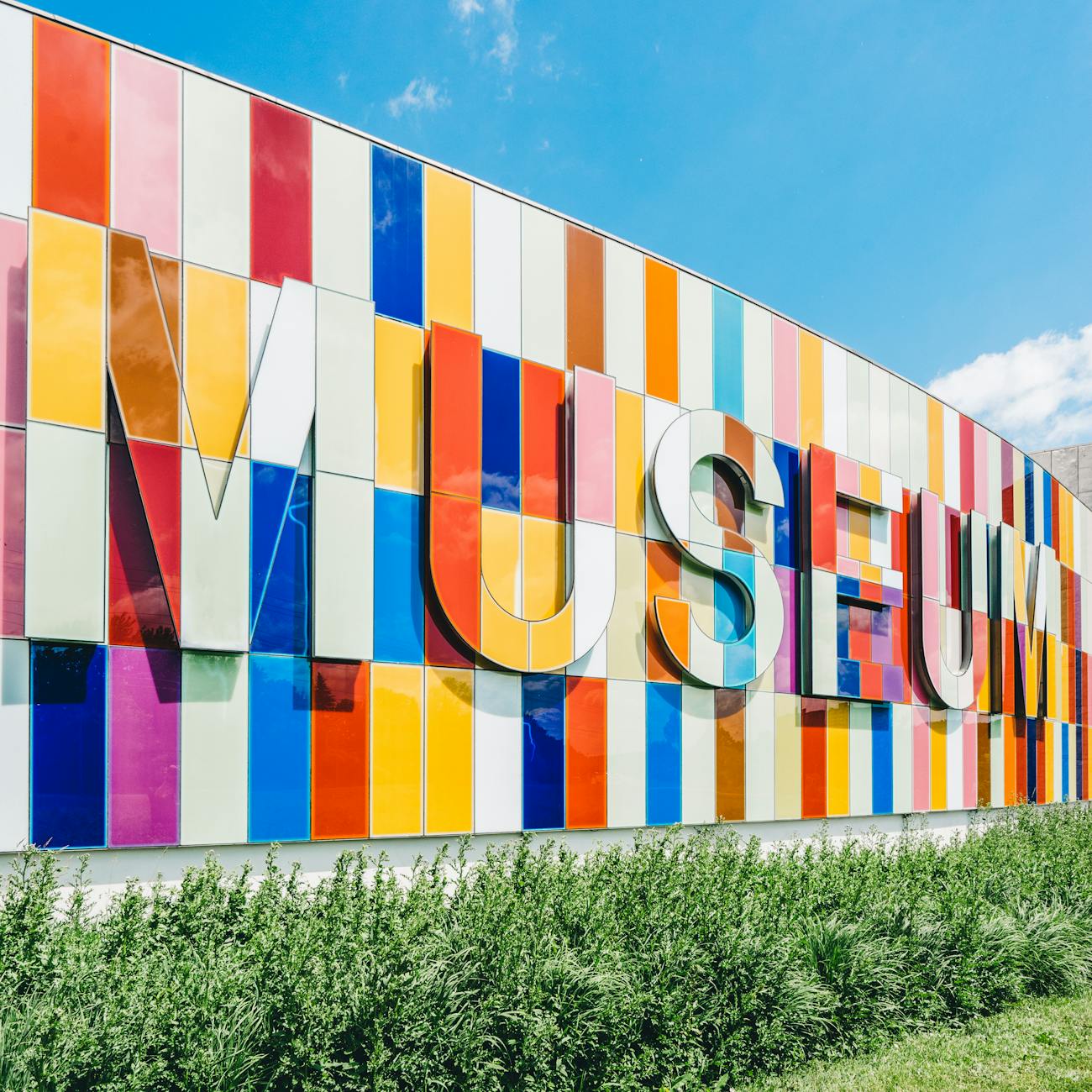
Marketing is the process of identifying, anticipating, and satisfying customer needs and wants through the creation, promotion, and distribution of products or services. In the context of museum project management, marketing plays a critical role in promoting the museum's collections, programs, and services to a wide audience. Effective marketing can help museums increase visitation, engagement, and revenue, as well as build long-term relationships with visitors, donors, and other stakeholders.
Audience development is a strategic approach to marketing that focuses on building and sustaining relationships with audiences over time. In the museum context, audience development involves identifying and engaging with diverse communities, developing programming that meets their needs and interests, and creating a welcoming and inclusive environment that encourages repeat visitation.
Here are some key terms and concepts related to marketing and audience development in museums:
1. Target audience: A specific group of people that a museum aims to reach through its marketing efforts. This could include demographic groups (such as families with young children, retirees, or college students), geographic areas (such as local residents, tourists, or school groups), or psychographic characteristics (such as art lovers, history buffs, or lifelong learners). 2. Brand: A museum's brand is the sum total of its visual identity, messaging, and reputation. A strong brand can help a museum stand out in a crowded market, build trust and loyalty with audiences, and convey its unique value proposition. 3. Positioning: Positioning refers to how a museum differentiates itself from its competitors in the minds of its target audience. This might involve emphasizing unique collections, innovative programming, or a welcoming and inclusive atmosphere. 4. Marketing mix: The marketing mix is the set of tactics that a museum uses to reach and engage its target audience. The marketing mix includes four key elements: product (the collections, programs, and services that the museum offers), price (the cost of admission, membership, or other offerings), place (the location and distribution channels through which the museum reaches its audience), and promotion (the communication strategies and tactics that the museum uses to raise awareness and drive visitation). 5. Integrated marketing communications: Integrated marketing communications (IMC) is a strategic approach to marketing that involves coordinating all of a museum's communication channels to deliver a consistent and compelling message. This might include advertising, public relations, social media, email marketing, and other tactics. 6. Segmentation: Segmentation is the process of dividing a museum's target audience into smaller groups based on shared characteristics, such as demographics, interests, or behavior. Segmentation can help a museum tailor its marketing efforts to better meet the needs and interests of different groups. 7. Personas: Personas are fictional representations of a museum's target audience members, based on research and data. Personas can help a museum better understand the needs, motivations, and behaviors of its audience, and create messaging and programming that resonates with them. 8. Content marketing: Content marketing is a strategic approach to marketing that involves creating and sharing valuable, relevant, and consistent content to attract and retain a clearly defined audience. In the museum context, this might include blog posts, videos, social media updates, or other types of content that showcase the museum's collections, programs, and expertise. 9. Social media marketing: Social media marketing involves using social media platforms like Facebook, Twitter, and Instagram to reach and engage with a museum's target audience. This might include creating and sharing content, responding to comments and messages, and using paid advertising to reach a larger audience. 10. Email marketing: Email marketing involves using email to communicate with a museum's audience, including members, donors, and other stakeholders. This might include newsletters, event invitations, or other types of messaging. 11. Analytics: Analytics involves using data and metrics to measure the effectiveness of a museum's marketing efforts. This might include tracking website traffic, social media engagement, email open rates, or other metrics that help the museum understand how its audience is responding to its messaging and programming. 12. Call to action: A call to action (CTA) is a prompt that encourages a museum's audience to take a specific action, such as visiting the museum, becoming a member, or donating to a fundraising campaign. Effective CTAs are clear, concise, and compelling.
Now that we've defined some key terms and concepts related to marketing and audience development in museums, let's explore some practical applications and challenges.
Practical applications:
* Creating a marketing plan: A marketing plan is a comprehensive document that outlines a museum's marketing goals, target audience, messaging, and tactics. A well-crafted marketing plan can help a museum align its marketing efforts with its overall strategic objectives, and ensure that it is using its resources effectively. * Developing a brand identity: A strong brand identity can help a museum stand out in a crowded market, and convey its unique value proposition to audiences. This might involve creating a visual identity (such as a logo, color palette, and typography), developing messaging that resonates with the museum's target audience, and building a reputation for excellence and innovation. * Segmenting the audience: Audience segmentation can help a museum tailor its marketing efforts to better meet the needs and interests of different groups. This might involve creating personas, conducting research to understand the characteristics and behaviors of different segments, and developing targeted messaging and programming. * Creating compelling content: Content marketing can help a museum showcase its collections, programs, and expertise, and build relationships with its audience over time. This might involve creating blog posts, videos, social media updates, or other types of content that provide value and engage the museum's target audience. * Using social media effectively: Social media can be a powerful tool for reaching and engaging with a museum's target audience. This might involve creating and sharing compelling content, responding to comments and messages, and using paid advertising to reach a larger audience. * Measuring and analyzing results: Analytics can help a museum understand how its marketing efforts are performing, and identify areas for improvement. This might involve tracking website traffic, social media engagement, email open rates, or other metrics that help the museum understand how its audience is responding to its messaging and programming.
Challenges:
* Limited resources: Museums often operate on tight budgets, which can make it challenging to invest in marketing and audience development efforts. However, there are many low-cost and no-cost tactics that museums can use to reach and engage their audience, such as social media, email marketing, and content marketing. * Competing priorities: Museums may have competing priorities for their time and resources, such as collections care, exhibitions, and programming. It can be challenging to balance these priorities with marketing and audience development efforts, but effective planning and communication can help ensure that all initiatives are aligned with the museum's strategic objectives. * Changing audience behavior: The ways in which audiences consume information and engage with cultural institutions are constantly evolving. Museums must be agile and responsive to these changes in order to remain relevant and competitive. * Measuring impact: It can be challenging to measure the impact of marketing and audience development efforts on museum visitation, engagement, and revenue. However, by using a variety of metrics and tracking data over time, museums can gain a better understanding of what is working and what isn't.
In conclusion, marketing and audience development are critical components of museum project management. By understanding key terms and concepts, using effective tactics and strategies, and addressing challenges head-on, museums can build strong relationships with their audiences, increase visitation and engagement, and achieve their strategic objectives.
Marketing and Audience Development in Museums
Marketing is the process of identifying, anticipating, and satisfying customer needs and wants through the creation, promotion, and distribution of products and services. In the context of museums, marketing involves promoting the museum's collections, exhibitions, and programs to a target audience. The goal is to attract visitors, increase engagement, and build loyalty.
Audience development is a related concept that involves identifying and cultivating new audiences for the museum. This includes reaching out to underrepresented communities, creating programs that appeal to diverse audiences, and building relationships with community partners.
Here are some key terms and concepts related to marketing and audience development in museums:
1. Target audience: A specific group of people that the museum wants to reach with its marketing efforts. This could include families with young children, art enthusiasts, or history buffs. 2. Branding: The process of creating a unique identity for the museum that sets it apart from other cultural institutions. This includes the museum's name, logo, mission statement, and overall visual identity. 3. Marketing mix: The four Ps of marketing: product, price, promotion, and place. In the context of museums, the product is the museum's collections, exhibitions, and programs; price refers to the cost of admission or membership; promotion includes marketing and advertising efforts; and place refers to the distribution channels used to reach the target audience, such as social media, email, or print materials. 4. Market research: The process of gathering and analyzing data about the museum's target audience, competitors, and industry trends. This can include surveys, focus groups, and data analysis. 5. Advertising: The paid promotion of the museum's collections, exhibitions, and programs through various channels, such as print, radio, television, or online platforms. 6. Public relations: The process of building relationships with the media, community partners, and other stakeholders to promote the museum's brand and mission. 7. Community engagement: The process of building relationships with local communities and involving them in the museum's programs and activities. This can include partnerships with schools, community organizations, and local businesses. 8. Diversity and inclusion: The practice of creating programs and exhibitions that appeal to a wide range of audiences, including underrepresented communities. This includes considering issues of race, ethnicity, gender, sexuality, age, and ability in the museum's programming and outreach efforts. 9. Evaluation: The process of measuring the success of the museum's marketing and audience development efforts. This can include tracking visitor numbers, engagement metrics, and other key performance indicators (KPIs). 10. Data analysis: The process of analyzing data to gain insights into the museum's marketing and audience development efforts. This can include using tools such as Google Analytics to track website traffic, social media analytics to measure engagement, and survey data to understand visitor needs and preferences.
Examples of marketing and audience development initiatives in museums:
* A history museum creates a new exhibition on the history of immigration in the United States. They use social media and email marketing to promote the exhibition to their target audience, which includes immigrants, descendants of immigrants, and anyone interested in U.S. history. They also partner with local community organizations to reach underrepresented communities and offer free admission to immigrants on certain days. * An art museum offers a series of workshops for families with young children. The workshops are designed to engage children in the museum's collections and exhibitions and teach them about art history and techniques. The museum promotes the workshops through social media, email, and partnerships with local schools. * A science museum creates a new exhibition on climate change. They use data analysis to understand their target audience's concerns and interests around climate change. They then create a marketing campaign that highlights the exhibition's relevance to current events and offers solutions for reducing carbon emissions. The museum also partners with local environmental organizations to promote the exhibition and offer related programming.
Challenges in marketing and audience development in museums:
* Limited resources: Museums often have limited budgets and staffing resources for marketing and audience development efforts. This can make it difficult to create and implement effective marketing campaigns. * Changing audience preferences: Audiences' interests and preferences are constantly changing, and museums need to stay up-to-date on these trends to attract visitors. This can be challenging, particularly for smaller museums that may not have the resources to conduct regular market research. * Competition from other cultural institutions: Museums face competition from other cultural institutions, such as theaters, concerts, and sports events. This can make it difficult to attract visitors and stand out in a crowded market. * Diversity and inclusion: Museums have historically been seen as exclusive and elitist institutions. To address this, museums need to make a concerted effort to reach out to underrepresented communities and create programs that are inclusive and welcoming.
In conclusion, marketing and audience development are critical components of museum project management. By understanding key terms and concepts, such as target audience, branding, and market research, museums can create effective marketing campaigns that attract visitors and build loyalty. By focusing on diversity and inclusion, community engagement, and evaluation, museums can also build new audiences and create programs that are relevant and meaningful to their communities. However, there are also challenges to marketing and audience development in museums, such as limited resources and changing audience preferences. By staying up-to-date on industry trends and best practices, museums can overcome these challenges and thrive in a competitive market.
Key takeaways
- Effective marketing can help museums increase visitation, engagement, and revenue, as well as build long-term relationships with visitors, donors, and other stakeholders.
- Audience development is a strategic approach to marketing that focuses on building and sustaining relationships with audiences over time.
- Integrated marketing communications: Integrated marketing communications (IMC) is a strategic approach to marketing that involves coordinating all of a museum's communication channels to deliver a consistent and compelling message.
- Now that we've defined some key terms and concepts related to marketing and audience development in museums, let's explore some practical applications and challenges.
- This might involve creating a visual identity (such as a logo, color palette, and typography), developing messaging that resonates with the museum's target audience, and building a reputation for excellence and innovation.
- It can be challenging to balance these priorities with marketing and audience development efforts, but effective planning and communication can help ensure that all initiatives are aligned with the museum's strategic objectives.
- In conclusion, marketing and audience development are critical components of museum project management.