
Exhibition Design and Installation
Exhibition Design and Installation are crucial aspects of museum project management. In this explanation, we will cover key terms and vocabulary related to these areas.
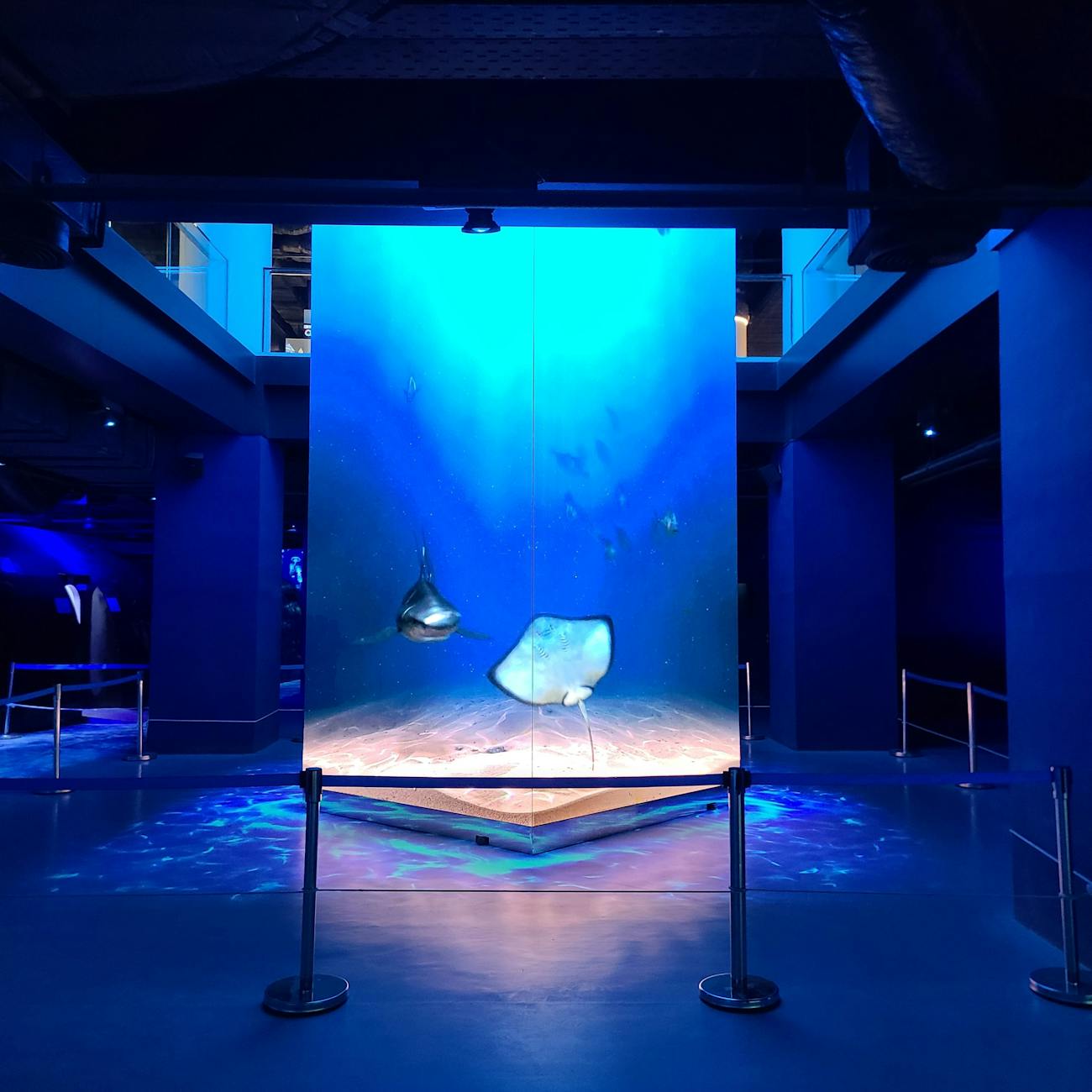
Exhibition Design and Installation are crucial aspects of museum project management. In this explanation, we will cover key terms and vocabulary related to these areas.
1. Exhibition Design: * Exhibition: A presentation or display of objects or information, typically in a museum or gallery, intended to inform, educate, or entertain visitors. * Design: The process of creating a plan or blueprint for an exhibition, including the layout, graphics, and multimedia elements. * Layout: The arrangement of spaces, displays, and exhibits within an exhibition, including the positioning of walls, cases, and interactive elements. * Graphic Design: The use of text, images, and other visual elements to communicate information and enhance the exhibition experience. * Multimedia: The use of technology, such as audio, video, and interactive displays, to engage visitors and provide additional context and information. * Interpretive Planning: The process of determining the overall message and story of an exhibition, and how to communicate it effectively to visitors. * Experiential Design: The creation of immersive and interactive exhibits that engage visitors in a direct and personal way.
Examples:
* A natural history museum might use experiential design to create a exhibit on the habitat of a local endangered species, allowing visitors to walk through a replica of the animal's natural environment and learn about its behavior and conservation status. * A design museum might use graphic design and multimedia to create an exhibit on the history of typography, showcasing examples of different fonts and their uses throughout history.
2. Exhibition Installation: * Installation: The process of physically setting up and assembling an exhibition, including the placement of objects, graphics, and multimedia elements. * Registration: The process of tracking and documenting the objects in an exhibition, including their condition, location, and any necessary conservation or preservation measures. * Mount-making: The creation of custom mounts and supports for objects on display, to ensure their safe and secure placement within cases or on walls. * Lighting Design: The use of lighting to highlight and enhance the objects and exhibits within an exhibition, as well as to create a specific mood or atmosphere. * Case Design: The creation of display cases for objects, taking into account factors such as visibility, security, and environmental conditions. * Label Design: The creation of labels and other text elements for an exhibition, including object labels, interpretive text, and captions.
Examples:
* A fine arts museum might use mount-making and case design to create a exhibition of delicate textiles, using custom-made supports and cases to protect the fragile objects from damage. * A history museum might use lighting design and label design to create a exhibition on the American Revolution, using dramatic lighting to highlight key artifacts and informative labels to provide context and interpretation.
Challenges:
* One challenge in exhibition design and installation is balancing the need for aesthetics and engagement with the need for conservation and preservation of the objects on display. * Another challenge is ensuring accessibility for all visitors, including those with disabilities, and providing alternative ways of experiencing the exhibition for those who may not be able to physically access certain elements. * Additionally, exhibition design and installation must take into account factors such as budget, space constraints, and the needs and interests of the target audience.
In summary, exhibition design and installation are essential components of museum project management, involving the creation of a plan or blueprint for an exhibition, as well as the physical setup and assembly of the exhibit. Key terms and concepts in this area include exhibition, design, layout, graphic design, multimedia, interpretive planning, experiential design, registration, mount-making, lighting design, case design, and label design. Challenges in this field include balancing aesthetics and conservation, ensuring accessibility, and taking into account factors such as budget, space, and audience.
Key takeaways
- Exhibition Design and Installation are crucial aspects of museum project management.
- Exhibition Design: * Exhibition: A presentation or display of objects or information, typically in a museum or gallery, intended to inform, educate, or entertain visitors.
- * A design museum might use graphic design and multimedia to create an exhibit on the history of typography, showcasing examples of different fonts and their uses throughout history.
- * Registration: The process of tracking and documenting the objects in an exhibition, including their condition, location, and any necessary conservation or preservation measures.
- * A history museum might use lighting design and label design to create a exhibition on the American Revolution, using dramatic lighting to highlight key artifacts and informative labels to provide context and interpretation.
- * Another challenge is ensuring accessibility for all visitors, including those with disabilities, and providing alternative ways of experiencing the exhibition for those who may not be able to physically access certain elements.
- In summary, exhibition design and installation are essential components of museum project management, involving the creation of a plan or blueprint for an exhibition, as well as the physical setup and assembly of the exhibit.