
Athlete-Centered Coaching
Athlete-Centered Coaching is a coaching approach that prioritizes the individual athlete's needs, goals, and preferences. It shifts the focus from the coach to the athlete, empowering them to take ownership of their development and performa…
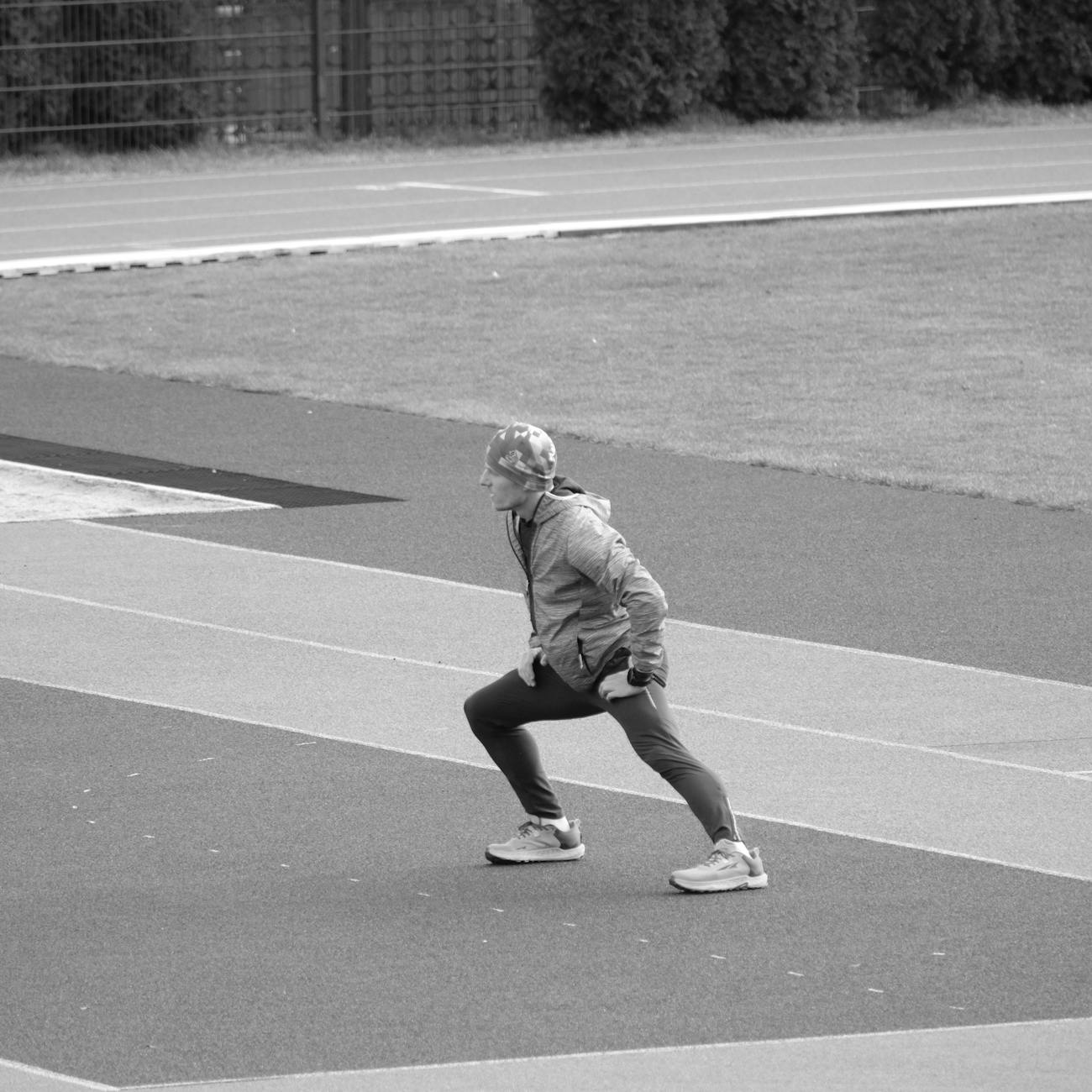
Athlete-Centered Coaching is a coaching approach that prioritizes the individual athlete's needs, goals, and preferences. It shifts the focus from the coach to the athlete, empowering them to take ownership of their development and performance. This coaching style is particularly effective in adaptive sports coaching, where athletes may have unique physical, cognitive, or emotional needs that require personalized attention and support.
Key Terms and Vocabulary:
1. **Athlete-Centered Coaching:** Athlete-Centered Coaching is a coaching philosophy that places the athlete at the center of the coaching process. It involves tailoring coaching strategies, feedback, and support to meet the individual needs and goals of each athlete. This approach focuses on developing the athlete's skills, confidence, and autonomy.
2. **Adaptive Sports Coaching:** Adaptive Sports Coaching refers to coaching individuals with disabilities or impairments in sports and physical activities. Coaches in adaptive sports use specialized techniques, equipment, and strategies to support athletes in achieving their full potential.
3. **Inclusivity:** Inclusivity in coaching refers to creating an environment where athletes of all abilities feel welcome, respected, and supported. Coaches strive to include athletes with diverse backgrounds, experiences, and needs in their programs.
4. **Empowerment:** Empowerment in coaching involves giving athletes the tools, confidence, and autonomy to make decisions and take control of their development. Coaches empower athletes by providing them with opportunities to learn, grow, and succeed.
5. **Person-Centered Approach:** The Person-Centered Approach focuses on understanding the individual athlete as a whole person, including their strengths, preferences, and challenges. Coaches using this approach aim to build meaningful relationships with athletes based on trust, respect, and empathy.
6. **Goal Setting:** Goal Setting is a crucial aspect of athlete-centered coaching. Coaches work with athletes to set specific, measurable, achievable, relevant, and time-bound (SMART) goals to guide their training and performance. By involving athletes in the goal-setting process, coaches help them stay motivated and focused.
7. **Feedback:** Feedback is essential in athlete-centered coaching to help athletes understand their progress, identify areas for improvement, and celebrate their successes. Coaches provide constructive feedback that is specific, timely, and tailored to each athlete's needs and learning style.
8. **Communication:** Effective communication is key in athlete-centered coaching to build trust, rapport, and understanding between coaches and athletes. Coaches use clear, open, and respectful communication to convey instructions, feedback, and support to athletes.
9. **Skill Development:** Skill Development is a core focus of athlete-centered coaching. Coaches design training programs and drills to help athletes improve their technical, tactical, physical, and mental skills. By focusing on skill development, coaches empower athletes to reach their full potential.
10. **Adaptability:** Adaptability is crucial in adaptive sports coaching to respond to the unique needs and challenges of athletes with disabilities or impairments. Coaches must be flexible, creative, and resourceful in adapting their coaching strategies, techniques, and equipment to support each athlete effectively.
11. **Support Network:** Building a strong support network is essential in athlete-centered coaching to help athletes thrive both on and off the field. Coaches collaborate with other professionals, such as sports psychologists, nutritionists, and physical therapists, to provide comprehensive support to athletes.
12. **Intrinsic Motivation:** Intrinsic Motivation refers to the internal drive and passion that athletes have to pursue their goals and achieve success. Coaches foster intrinsic motivation by helping athletes find joy, purpose, and fulfillment in their sport, leading to long-term engagement and growth.
13. **Self-Determination:** Self-Determination is the ability of athletes to make choices, set goals, and take responsibility for their actions and outcomes. Coaches support athletes in developing self-determination skills, such as decision-making, problem-solving, and self-regulation, to enhance their autonomy and independence.
14. **Resilience:** Resilience is the capacity to bounce back from setbacks, challenges, and failures in sport and life. Coaches help athletes build resilience by fostering a growth mindset, teaching coping strategies, and providing emotional support during difficult times.
15. **Adaptive Equipment:** Adaptive Equipment refers to specialized gear, tools, or devices designed to support athletes with disabilities or impairments in participating in sports. Coaches work with athletes to select and use adaptive equipment that enhances their safety, comfort, and performance.
16. **Injury Prevention:** Injury Prevention is a critical aspect of athlete-centered coaching to ensure athletes stay healthy, safe, and injury-free. Coaches educate athletes on proper warm-up, conditioning, and recovery techniques to minimize the risk of injuries during training and competition.
17. **Performance Analysis:** Performance Analysis involves evaluating athletes' performance using data, video, and feedback to identify strengths, weaknesses, and areas for improvement. Coaches use performance analysis to tailor training programs, set goals, and track progress over time.
18. **Mental Skills Training:** Mental Skills Training focuses on developing athletes' mental toughness, focus, confidence, and resilience to perform under pressure. Coaches teach athletes techniques such as visualization, goal setting, relaxation, and self-talk to enhance their mental skills and optimize performance.
19. **Peer Support:** Peer Support involves athletes supporting and encouraging each other in their training and competition. Coaches foster a positive team culture where athletes work together, learn from each other, and build strong relationships based on trust, respect, and camaraderie.
20. **Cultural Competence:** Cultural Competence is the ability of coaches to understand, respect, and work effectively with athletes from diverse cultural backgrounds. Coaches must be aware of cultural differences, norms, and values to create an inclusive and welcoming environment for all athletes.
21. **Ethical Coaching:** Ethical Coaching involves upholding high standards of integrity, respect, and fairness in all coaching practices. Coaches prioritize athletes' well-being, safety, and development while adhering to ethical guidelines, rules, and regulations in sports.
22. **Continuous Learning:** Continuous Learning is an essential aspect of athlete-centered coaching to stay updated on the latest trends, research, and best practices in coaching. Coaches engage in professional development, attend workshops, and seek feedback to enhance their coaching skills and knowledge.
23. **Adaptive Communication:** Adaptive Communication involves tailoring communication strategies to meet the unique needs and preferences of each athlete. Coaches adjust their communication style, tone, and language to effectively engage, motivate, and support athletes with diverse abilities and backgrounds.
24. **Collaborative Coaching:** Collaborative Coaching involves working closely with athletes, parents, caregivers, and other professionals to support athletes holistically. Coaches collaborate with stakeholders to address athletes' physical, emotional, social, and cognitive needs and provide comprehensive care and guidance.
25. **Athlete Well-Being:** Athlete Well-Being is a top priority in athlete-centered coaching to ensure athletes are healthy, happy, and thriving both on and off the field. Coaches promote athletes' physical, mental, and emotional well-being by offering support, resources, and guidance as needed.
26. **Long-Term Athlete Development:** Long-Term Athlete Development focuses on nurturing athletes' skills, talents, and passion for sports over time. Coaches create developmentally appropriate programs, set realistic goals, and provide consistent support to help athletes grow and succeed in their sport.
27. **Inclusive Programming:** Inclusive Programming involves designing sports programs and activities that welcome and accommodate athletes of all abilities. Coaches create inclusive environments where athletes can participate, learn, and excel regardless of their age, gender, background, or skill level.
28. **Adaptive Coaching Techniques:** Adaptive Coaching Techniques are innovative strategies and approaches used by coaches to support athletes with disabilities or impairments effectively. Coaches adapt their coaching style, methods, and cues to meet the unique needs and challenges of each athlete.
29. **Athlete-Centered Evaluation:** Athlete-Centered Evaluation involves assessing athletes' progress, performance, and satisfaction with the coaching process. Coaches gather feedback from athletes, set goals for improvement, and adjust their coaching strategies to better meet athletes' needs and expectations.
30. **Holistic Development:** Holistic Development focuses on nurturing athletes' physical, mental, emotional, and social well-being through coaching. Coaches take a comprehensive approach to athlete development, addressing all aspects of their lives to support their growth, happiness, and success.
Practical Applications:
1. **Goal Setting:** In athlete-centered coaching, coaches work with athletes to set personalized goals that align with their abilities, interests, and aspirations. For example, a swim coach may help a para-swimmer set a goal to improve their time in a specific event by a certain percentage within a set timeframe.
2. **Feedback:** Coaches provide athletes with constructive feedback on their performance, technique, and progress to help them improve and grow. For instance, a wheelchair basketball coach may give feedback to a player on their shooting form, suggesting adjustments to enhance accuracy and consistency.
3. **Skill Development:** Coaches design skill development drills and exercises tailored to athletes' abilities, needs, and goals. For instance, an adaptive skiing coach may focus on teaching a visually impaired skier how to navigate turns and obstacles safely and efficiently using adaptive techniques.
4. **Support Network:** Coaches collaborate with sports psychologists, physiotherapists, and other professionals to provide comprehensive support to athletes. For example, a coach may work with a sports psychologist to help an athlete build confidence, manage stress, and enhance their mental skills for competition.
Challenges:
1. **Adapting to Individual Needs:** One of the challenges of athlete-centered coaching is adapting coaching strategies to meet the unique needs and preferences of each athlete. Coaches must be flexible, patient, and creative in tailoring their approach to support athletes effectively.
2. **Building Trust and Rapport:** Establishing trust and rapport with athletes is essential in athlete-centered coaching but can be challenging, especially with athletes who have experienced past trauma or negative coaching experiences. Coaches must invest time and effort in building positive relationships with athletes based on respect, empathy, and communication.
3. **Managing Expectations:** Balancing athletes' expectations, goals, and limitations can be challenging for coaches in athlete-centered coaching. Coaches must help athletes set realistic goals, celebrate small victories, and navigate setbacks and failures with resilience and positivity.
4. **Addressing Diversity and Inclusion:** Coaches in athlete-centered coaching must be sensitive to athletes' diverse backgrounds, experiences, and identities to create an inclusive and welcoming environment. Addressing issues of diversity, equity, and inclusion requires ongoing education, self-reflection, and dialogue within coaching programs.
In summary, Athlete-Centered Coaching in Adaptive Sports Coaching prioritizes the individual athlete's needs, goals, and preferences to empower them to reach their full potential. Coaches using this approach focus on building meaningful relationships, fostering autonomy, and supporting holistic athlete development. By embracing key concepts such as goal setting, feedback, skill development, and inclusivity, coaches can create a positive and empowering coaching environment that helps athletes thrive in sports and life.
Key takeaways
- This coaching style is particularly effective in adaptive sports coaching, where athletes may have unique physical, cognitive, or emotional needs that require personalized attention and support.
- **Athlete-Centered Coaching:** Athlete-Centered Coaching is a coaching philosophy that places the athlete at the center of the coaching process.
- **Adaptive Sports Coaching:** Adaptive Sports Coaching refers to coaching individuals with disabilities or impairments in sports and physical activities.
- **Inclusivity:** Inclusivity in coaching refers to creating an environment where athletes of all abilities feel welcome, respected, and supported.
- **Empowerment:** Empowerment in coaching involves giving athletes the tools, confidence, and autonomy to make decisions and take control of their development.
- **Person-Centered Approach:** The Person-Centered Approach focuses on understanding the individual athlete as a whole person, including their strengths, preferences, and challenges.
- Coaches work with athletes to set specific, measurable, achievable, relevant, and time-bound (SMART) goals to guide their training and performance.