
Training and Conditioning for Athletes with Disabilities
Training and Conditioning for Athletes with Disabilities
Training and Conditioning for Athletes with Disabilities
Athletes with disabilities require specialized training and conditioning to enhance their athletic performance and ensure their safety during sports activities. The field of adaptive sports coaching focuses on providing tailored programs to meet the unique needs of these athletes. Let's explore key terms and vocabulary essential for understanding training and conditioning for athletes with disabilities.
Adaptive Sports
Adaptive sports refer to sports activities designed specifically for individuals with disabilities. These sports may include modifications to rules, equipment, or playing environments to accommodate the needs of athletes with various impairments. Examples of adaptive sports include wheelchair basketball, sitting volleyball, and para swimming.
Paralympic Games
The Paralympic Games are a multi-sport event for athletes with physical, visual, and intellectual disabilities. The games are held in parallel with the Olympic Games and feature a wide range of adaptive sports. Athletes compete at the Paralympic Games based on their impairment classification to ensure fair competition.
Impairment Classification
Impairment classification is a system used in adaptive sports to group athletes with similar impairments together for competition. Athletes are classified based on the type and severity of their disability to ensure a level playing field. Classification systems vary by sport and are governed by international organizations such as the International Paralympic Committee (IPC).
Functional Capacity
Functional capacity refers to an individual's ability to perform physical tasks and activities. Athletes with disabilities may have limitations in their functional capacity due to their impairments. Training and conditioning programs aim to improve athletes' functional capacity to enhance their athletic performance and quality of life.
Strength Training
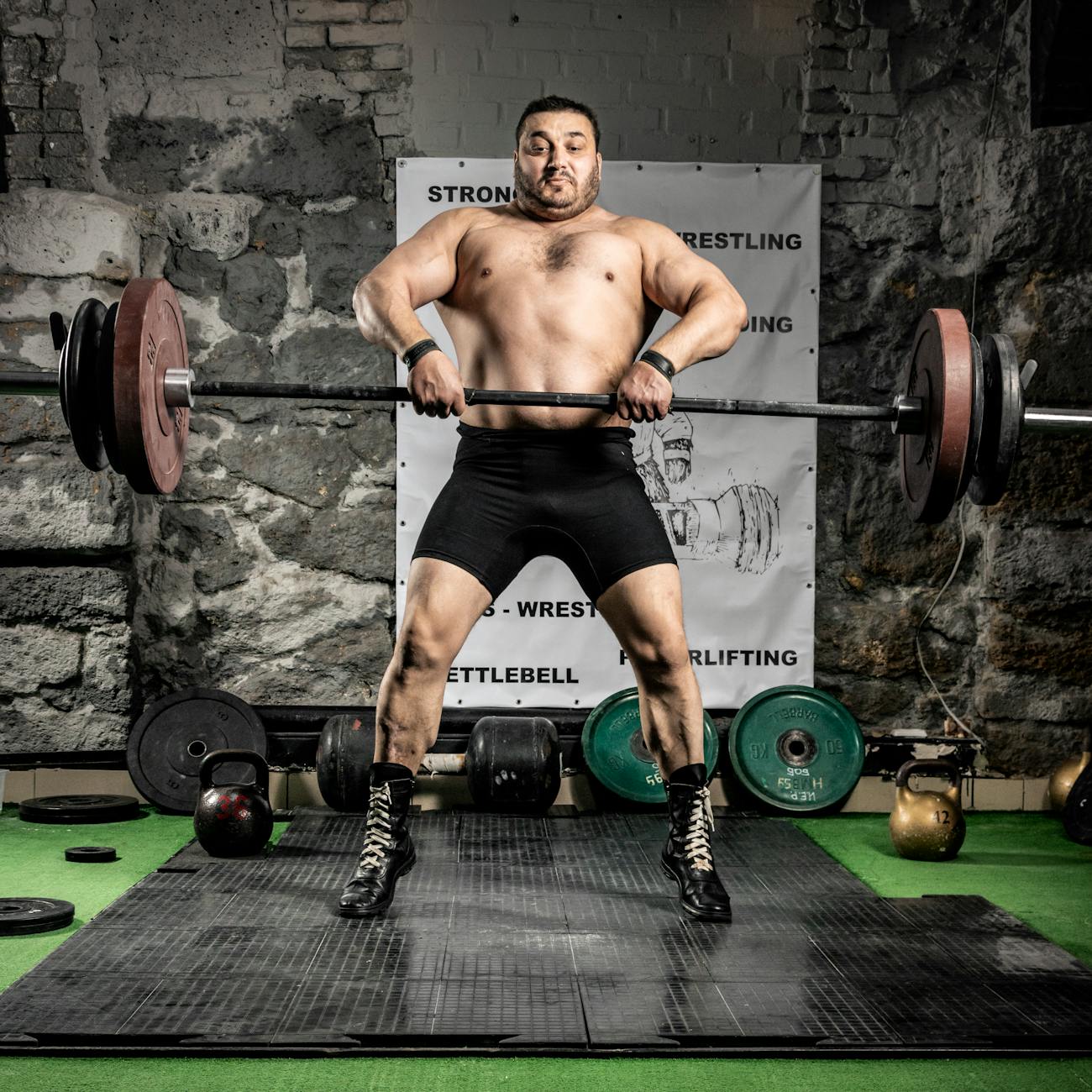
Strength training is a fundamental component of athletic conditioning for athletes with disabilities. It involves exercises that target muscle strength, power, and endurance to improve performance and prevent injuries. Strength training programs should be tailored to the specific needs and abilities of each athlete to maximize benefits.
Cardiovascular Conditioning
Cardiovascular conditioning focuses on improving the heart and lung function of athletes through aerobic exercises. Cardiovascular fitness is essential for endurance sports and overall health. Coaches should design conditioning programs that include activities such as cycling, swimming, or wheelchair racing to enhance athletes' cardiovascular fitness.
Flexibility Training
Flexibility training aims to improve the range of motion and joint mobility of athletes with disabilities. Stretching exercises help prevent injuries, enhance performance, and promote recovery. Coaches should incorporate flexibility training into athletes' daily routines to maintain optimal flexibility and mobility.
Balance and Coordination
Balance and coordination are crucial skills for athletes with disabilities to perform sports activities effectively. Training programs should include exercises that challenge athletes' balance and coordination, such as standing on one leg or navigating obstacle courses. Improving these skills can enhance athletes' overall performance and reduce the risk of falls or accidents.
Proprioception
Proprioception is the body's ability to sense its position and movements in space. Athletes with disabilities may have impaired proprioception due to their impairments. Proprioception training involves exercises that focus on body awareness, coordination, and spatial orientation to improve athletes' movement control and stability.
Neuromuscular Training
Neuromuscular training aims to enhance the communication between the nervous system and muscles to improve movement patterns and motor skills. Athletes with disabilities may benefit from neuromuscular training to optimize their performance and prevent musculoskeletal injuries. Coaches should incorporate neuromuscular exercises into training programs to enhance athletes' motor control and coordination.
Assistive Devices
Assistive devices are tools or equipment used by athletes with disabilities to enhance their mobility, function, or safety during sports activities. Examples of assistive devices include prosthetics, orthotics, wheelchairs, and adaptive sports equipment. Coaches should be familiar with different types of assistive devices and how to incorporate them into training programs effectively.
Periodization
Periodization is a training strategy that involves dividing the training program into distinct phases or periods to optimize athletic performance. Coaches can use periodization to structure training and conditioning programs for athletes with disabilities based on specific goals, seasons, or competition schedules. Periodization helps athletes progress gradually, prevent overtraining, and peak at the right time.
Overtraining
Overtraining occurs when athletes exceed their body's capacity to recover from intense training. Athletes with disabilities are particularly vulnerable to overtraining due to the additional stress placed on their bodies. Coaches should monitor athletes' training loads, recovery strategies, and signs of fatigue to prevent overtraining and minimize the risk of injuries or burnout.
Inclusive Coaching
Inclusive coaching involves creating a welcoming and supportive environment for athletes of all abilities. Coaches should adapt their coaching styles, communication strategies, and training methods to accommodate athletes with disabilities. Inclusive coaching fosters diversity, respect, and equal opportunities for athletes to participate and excel in sports.
Psychological Support
Psychological support is essential for athletes with disabilities to cope with the challenges of training, competition, and daily life. Coaches should provide emotional support, motivation, and mental skills training to help athletes build resilience, confidence, and mental toughness. Psychological support can enhance athletes' performance, well-being, and overall success in adaptive sports.
Nutrition and Hydration
Nutrition and hydration play a critical role in supporting athletes' training, recovery, and performance. Coaches should educate athletes with disabilities about proper nutrition, hydration, and dietary strategies to fuel their bodies effectively. Nutrient-rich foods, hydration plans, and supplements can optimize athletes' energy levels, muscle recovery, and overall health.
Rehabilitation and Injury Prevention
Rehabilitation and injury prevention are key components of training and conditioning for athletes with disabilities. Coaches should collaborate with healthcare professionals, physical therapists, and sports medicine specialists to develop comprehensive rehabilitation programs and injury prevention strategies. Early intervention, proper technique, and gradual progression can help athletes recover from injuries, prevent setbacks, and stay healthy.
Teamwork and Communication
Teamwork and communication are essential skills for athletes, coaches, and support staff involved in adaptive sports. Effective communication, collaboration, and mutual respect are crucial for building strong relationships, fostering trust, and achieving common goals. Coaches should promote teamwork and open communication among athletes with disabilities to create a supportive and inclusive team environment.
Adaptive Sports Equipment
Adaptive sports equipment is specially designed gear or devices used by athletes with disabilities to participate in sports activities. Examples of adaptive sports equipment include racing wheelchairs, handcycles, prosthetic running blades, and seated throwing chairs. Coaches should be knowledgeable about different types of adaptive sports equipment and how to select, adjust, and maintain them for athletes' optimal performance.
Performance Analysis
Performance analysis involves evaluating athletes' physical, technical, and tactical skills to identify strengths, weaknesses, and areas for improvement. Coaches can use performance analysis tools, video feedback, and data tracking systems to assess athletes' performance, set goals, and monitor progress over time. Performance analysis helps coaches tailor training programs, make informed decisions, and enhance athletes' competitive edge.
Competition Preparation
Competition preparation is a critical phase in training and conditioning for athletes with disabilities. Coaches should develop competition-specific training plans, practice routines, and mental strategies to help athletes perform at their best during competitions. Preparing athletes physically, mentally, and emotionally for competition can boost their confidence, focus, and readiness to excel on the big stage.
Challenges and Opportunities
Training and conditioning for athletes with disabilities present unique challenges and opportunities for coaches, athletes, and the sports community. Coaches must adapt to athletes' individual needs, overcome barriers, and promote inclusivity to maximize athletes' potential and success in adaptive sports. Embracing diversity, innovation, and collaboration can create a more inclusive and empowering environment for athletes with disabilities to thrive and achieve their athletic dreams.
Key takeaways
- Athletes with disabilities require specialized training and conditioning to enhance their athletic performance and ensure their safety during sports activities.
- These sports may include modifications to rules, equipment, or playing environments to accommodate the needs of athletes with various impairments.
- The Paralympic Games are a multi-sport event for athletes with physical, visual, and intellectual disabilities.
- Classification systems vary by sport and are governed by international organizations such as the International Paralympic Committee (IPC).
- Training and conditioning programs aim to improve athletes' functional capacity to enhance their athletic performance and quality of life.
- Strength training programs should be tailored to the specific needs and abilities of each athlete to maximize benefits.
- Coaches should design conditioning programs that include activities such as cycling, swimming, or wheelchair racing to enhance athletes' cardiovascular fitness.