
Child Development
Child development is a complex and fascinating field that explores the physical, cognitive, emotional, and social growth of infants, children, and adolescents. Understanding the key terms and vocabulary in child development is crucial for p…
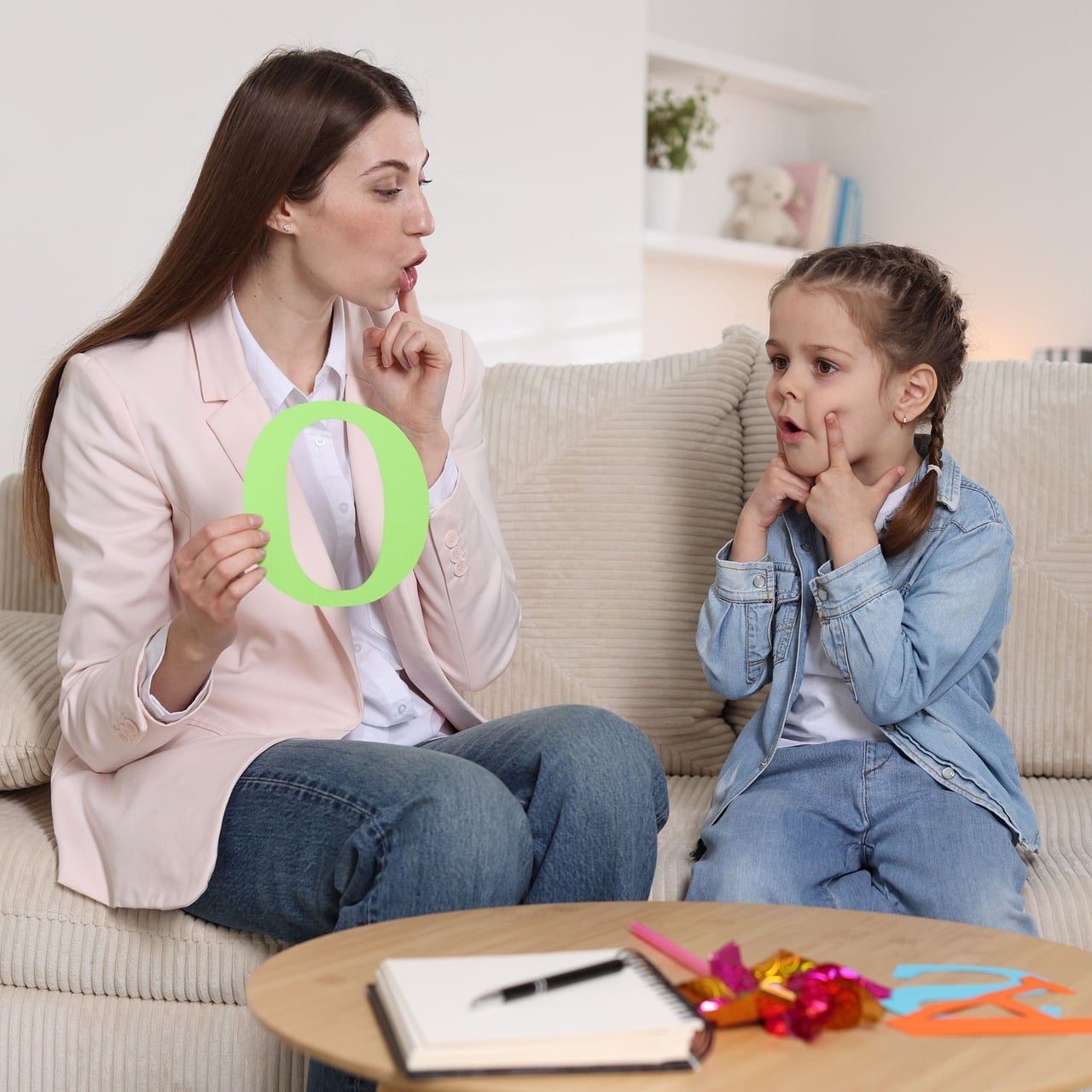
Child development is a complex and fascinating field that explores the physical, cognitive, emotional, and social growth of infants, children, and adolescents. Understanding the key terms and vocabulary in child development is crucial for professionals working with children to provide effective care and support. In the context of the Professional Certificate in Pediatric Shiatsu Massage, having a solid grasp of these terms will enhance your ability to assess and address the needs of young clients. Let's delve into the essential concepts and terminology in child development:
1. **Developmental Milestones**: Developmental milestones are tasks or skills that most children can perform at a certain age range. These milestones are typically categorized into areas such as motor skills, language development, cognitive skills, and social-emotional development. Examples of developmental milestones include sitting up, walking, saying first words, recognizing familiar faces, and playing with others.
2. **Gross Motor Skills**: Gross motor skills involve the use of large muscle groups to perform activities such as running, jumping, and climbing. These skills are essential for physical activities and play. In pediatric shiatsu massage, understanding the development of gross motor skills can help in assessing a child's movement patterns and coordination.
3. **Fine Motor Skills**: Fine motor skills refer to the coordination of small muscles in tasks like grasping objects, writing, and buttoning clothes. These skills are crucial for activities that require precision and dexterity. When working with children in pediatric shiatsu massage, observing their fine motor skills can provide insights into their hand-eye coordination and manual dexterity.
4. **Cognitive Development**: Cognitive development involves the growth of thinking, problem-solving, and decision-making abilities. It encompasses processes such as memory, attention, language, and reasoning. Understanding cognitive development in children can help in adapting shiatsu massage techniques to enhance their cognitive skills and promote mental well-being.
5. **Social-Emotional Development**: Social-emotional development refers to the growth of self-awareness, social skills, empathy, and emotional regulation. It involves forming relationships, understanding emotions, and managing behaviors. In pediatric shiatsu massage, being attuned to a child's social-emotional development can guide the therapeutic approach to support their emotional well-being and interpersonal connections.
6. **Attachment Theory**: Attachment theory explores the bond between infants and caregivers, emphasizing the importance of secure attachments for healthy development. It suggests that a child's early relationships shape their emotional and social interactions later in life. Understanding attachment theory can inform your approach to building trust and rapport with young clients during shiatsu massage sessions.
7. **Sensorimotor Stage**: The sensorimotor stage, proposed by Jean Piaget, describes the period of infancy where children learn through sensory experiences and motor actions. This stage is characterized by exploration, object permanence, and the development of basic concepts. Awareness of the sensorimotor stage can guide your interactions with infants and toddlers in pediatric shiatsu massage.
8. **Preoperational Stage**: The preoperational stage, also identified by Piaget, is a developmental phase where children aged 2 to 7 years exhibit symbolic thinking, egocentrism, and imagination. This stage marks the emergence of language and pretend play. Recognizing the characteristics of the preoperational stage can help tailor shiatsu massage techniques to engage young children in a playful and imaginative manner.
9. **Concrete Operational Stage**: The concrete operational stage, according to Piaget, is a period from 7 to 11 years when children develop logical thinking, conservation skills, and the ability to understand concrete concepts. This stage marks a shift towards more organized and systematic thought processes. Adapting shiatsu massage approaches to suit the cognitive abilities of children in the concrete operational stage can enhance their understanding and engagement.
10. **Formal Operational Stage**: The formal operational stage, the final phase in Piaget's theory, occurs around 12 years and beyond, where individuals develop abstract thinking, hypothetical reasoning, and problem-solving skills. This stage enables adolescents to think critically and plan for the future. Considering the cognitive advancements in the formal operational stage can inform your communication and intervention strategies in pediatric shiatsu massage with older children and teenagers.
11. **Theory of Mind**: Theory of mind refers to the ability to understand one's own and others' mental states, including beliefs, intentions, and emotions. It plays a crucial role in social interactions, empathy, and perspective-taking. Being mindful of theory of mind can enhance your communication and empathy towards children during shiatsu massage sessions, fostering a deeper connection and trust.
12. **Sensory Processing**: Sensory processing involves how the nervous system receives and interprets sensory information from the environment. It includes sensory modulation, sensory discrimination, and sensory integration. Understanding sensory processing challenges can help tailor shiatsu massage techniques to accommodate sensory sensitivities or preferences in children with sensory processing disorders.
13. **Autism Spectrum Disorder (ASD)**: Autism spectrum disorder is a neurodevelopmental condition characterized by challenges in social communication, repetitive behaviors, and sensory sensitivities. Children with ASD may benefit from individualized approaches in pediatric shiatsu massage to support their sensory needs, relaxation, and emotional regulation.
14. **Attention Deficit Hyperactivity Disorder (ADHD)**: ADHD is a common neurodevelopmental disorder marked by difficulties with attention, hyperactivity, and impulsivity. Children with ADHD may require strategies to promote focus, self-regulation, and relaxation during shiatsu massage sessions. Tailoring the environment and techniques to accommodate their needs can enhance the therapeutic experience.
15. **Anxiety Disorders**: Anxiety disorders encompass a range of conditions characterized by excessive worry, fear, and avoidance behaviors. Children with anxiety disorders may benefit from calming and grounding techniques in pediatric shiatsu massage to reduce stress, promote relaxation, and build emotional resilience. Creating a safe and nurturing environment is essential for supporting children with anxiety challenges.
16. **Child-Centered Approach**: A child-centered approach emphasizes the importance of the child's perspective, preferences, and autonomy in decision-making. It involves actively involving children in their care, respecting their choices, and fostering a sense of empowerment. Implementing a child-centered approach in pediatric shiatsu massage can enhance the child's engagement, trust, and overall well-being during sessions.
17. **Trauma-Informed Care**: Trauma-informed care recognizes the impact of past trauma on a child's development and behavior. It involves creating a safe and supportive environment, practicing sensitivity and empathy, and prioritizing the child's emotional needs. Integrating trauma-informed principles into pediatric shiatsu massage can help build trust, resilience, and healing for children who have experienced trauma.
18. **Developmental Delay**: Developmental delay refers to a significant lag in achieving developmental milestones compared to typical expectations for a child's age. It can affect various areas of development, such as motor skills, language, cognition, and social-emotional skills. Recognizing signs of developmental delay in pediatric shiatsu massage clients can prompt early intervention and support to promote optimal growth and well-being.
19. **Early Intervention**: Early intervention involves providing support and services to children with developmental delays or disabilities at a young age to promote their development and learning. It aims to address challenges early on, optimize outcomes, and enhance the child's overall functioning. Collaborating with early intervention programs and professionals can complement your pediatric shiatsu massage practice and offer comprehensive care for young clients.
20. **Inclusive Practices**: Inclusive practices focus on creating environments and services that welcome and accommodate individuals of diverse abilities and backgrounds. It involves promoting accessibility, equity, and respect for all clients, including those with disabilities or special needs. Embracing inclusive practices in pediatric shiatsu massage can ensure that every child feels valued, supported, and included in the therapeutic process.
21. **Parent-Child Relationship**: The parent-child relationship is a fundamental bond that shapes a child's emotional security, attachment, and social development. Building positive and supportive relationships with parents or caregivers can enhance the effectiveness of pediatric shiatsu massage interventions by fostering collaboration, trust, and continuity of care. Engaging families in the therapeutic process can promote holistic well-being for children.
22. **Empowerment**: Empowerment involves enabling children to express their needs, make choices, and assert their autonomy in a supportive and respectful manner. It emphasizes building confidence, self-esteem, and a sense of agency in children. Promoting empowerment in pediatric shiatsu massage sessions can enhance the child's participation, self-awareness, and overall experience of care.
23. **Resilience**: Resilience refers to the ability to adapt, cope, and bounce back from challenges or adversity. It involves developing skills for problem-solving, emotional regulation, and stress management. Cultivating resilience in children through pediatric shiatsu massage can support their mental health, well-being, and ability to navigate life's ups and downs with strength and optimism.
24. **Professional Boundaries**: Professional boundaries are the limits that define the appropriate relationship between a practitioner and a client. They include maintaining confidentiality, respecting personal space, and upholding ethical standards. Establishing clear and healthy professional boundaries in pediatric shiatsu massage is essential for building trust, safety, and ethical practice in your interactions with children and families.
25. **Reflective Practice**: Reflective practice involves engaging in self-awareness, critical thinking, and continuous learning to enhance professional growth and effectiveness. It includes reflecting on your experiences, seeking feedback, and integrating new insights into your practice. Embracing reflective practice in pediatric shiatsu massage can deepen your understanding, improve your skills, and enrich your therapeutic approach with children.
In conclusion, mastering the key terms and vocabulary in child development is essential for professionals in the field of pediatric shiatsu massage. By understanding the nuances of developmental milestones, cognitive processes, social-emotional dynamics, and therapeutic principles, you can provide personalized and effective care for young clients. Incorporating evidence-based practices, trauma-informed care, and inclusive approaches can enrich your practice and contribute to the well-being and resilience of children and families. Continuously honing your skills, staying informed about best practices, and fostering collaborative relationships with families and professionals are integral to delivering high-quality pediatric shiatsu massage services. By embracing a holistic and child-centered approach, you can make a positive impact on the health, development, and happiness of the children you serve.
Key takeaways
- In the context of the Professional Certificate in Pediatric Shiatsu Massage, having a solid grasp of these terms will enhance your ability to assess and address the needs of young clients.
- These milestones are typically categorized into areas such as motor skills, language development, cognitive skills, and social-emotional development.
- In pediatric shiatsu massage, understanding the development of gross motor skills can help in assessing a child's movement patterns and coordination.
- When working with children in pediatric shiatsu massage, observing their fine motor skills can provide insights into their hand-eye coordination and manual dexterity.
- Understanding cognitive development in children can help in adapting shiatsu massage techniques to enhance their cognitive skills and promote mental well-being.
- In pediatric shiatsu massage, being attuned to a child's social-emotional development can guide the therapeutic approach to support their emotional well-being and interpersonal connections.
- **Attachment Theory**: Attachment theory explores the bond between infants and caregivers, emphasizing the importance of secure attachments for healthy development.