
Pediatric Shiatsu Techniques
Pediatric Shiatsu Techniques: Pediatric Shiatsu techniques are therapeutic massage techniques specifically designed for children. Shiatsu is a form of Japanese bodywork that involves applying pressure to specific points on the body to promo…
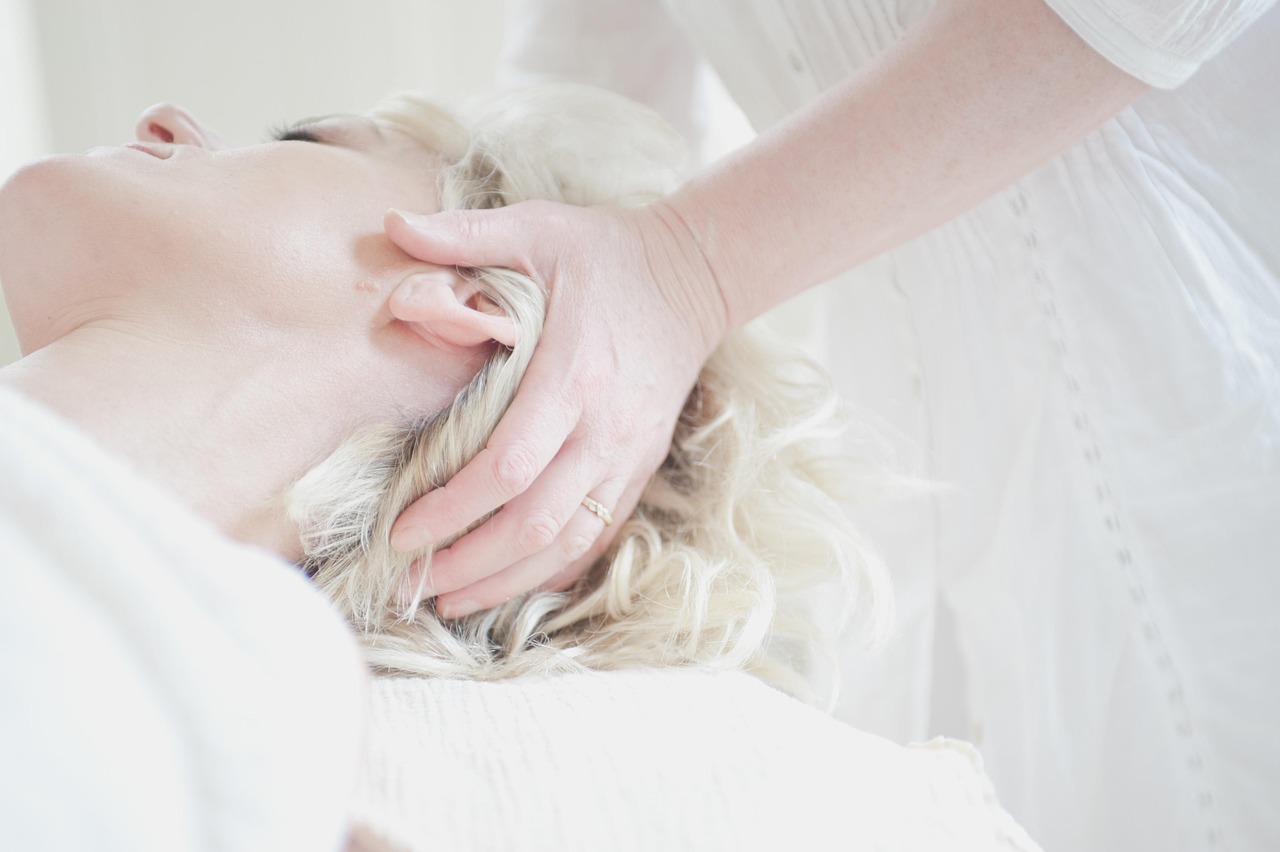
Pediatric Shiatsu Techniques: Pediatric Shiatsu techniques are therapeutic massage techniques specifically designed for children. Shiatsu is a form of Japanese bodywork that involves applying pressure to specific points on the body to promote healing and overall wellness. When adapted for children, Pediatric Shiatsu techniques are gentle, nurturing, and effective in addressing a variety of physical and emotional issues in young patients.
Professional Certificate in Pediatric Shiatsu Massage: The Professional Certificate in Pediatric Shiatsu Massage is a specialized training program that educates healthcare professionals and massage therapists on how to safely and effectively perform Pediatric Shiatsu techniques on children. This certification program equips practitioners with the knowledge and skills necessary to provide quality care to pediatric patients using this unique form of bodywork.
Key Terms and Vocabulary:
1. Shiatsu: Shiatsu is a traditional Japanese form of bodywork that involves applying pressure to specific points on the body to promote healing and relaxation. It is based on the principles of Traditional Chinese Medicine and focuses on balancing the body's energy flow to improve overall health.
2. Pediatric Massage: Pediatric massage is a form of bodywork specifically designed for children. It involves gentle techniques that are safe and effective for young patients, addressing a variety of physical and emotional issues such as stress, anxiety, and muscle tension.
3. Meridians: Meridians are energy pathways in the body through which Qi (life force energy) flows. In Shiatsu, practitioners focus on specific meridian points to restore balance and harmony to the body's energy flow, promoting healing and wellness.
4. Acupressure Points: Acupressure points are specific points on the body where pressure can be applied to alleviate pain, promote relaxation, and improve overall health. In Pediatric Shiatsu, practitioners target acupressure points to address a child's specific needs and concerns.
5. Qi: Qi, also known as Chi or Ki, is the life force energy that flows through the body's meridians. In Traditional Chinese Medicine, it is believed that imbalances in Qi can lead to illness and disease. Practitioners of Pediatric Shiatsu work to restore the flow of Qi to promote healing and wellness in children.
6. Tsubos: Tsubos are specific points on the body where Qi can be accessed and manipulated to promote healing and balance. In Pediatric Shiatsu, practitioners apply pressure to tsubos to release tension, improve circulation, and address a child's physical or emotional issues.
7. Yin and Yang: Yin and Yang are opposing forces in the body that must be balanced for optimal health. In Pediatric Shiatsu, practitioners work to harmonize the Yin and Yang energies within a child to promote overall well-being and vitality.
8. Five Element Theory: The Five Element Theory is a fundamental concept in Traditional Chinese Medicine that describes the interconnected relationship between the five elements (Wood, Fire, Earth, Metal, Water) and how they influence the body's organs, emotions, and overall health. Practitioners of Pediatric Shiatsu may use this theory to guide their treatment approach for children.
9. Hara Diagnosis: Hara diagnosis is a technique used in Shiatsu to assess a person's overall health by palpating the abdomen. In Pediatric Shiatsu, practitioners may use hara diagnosis to identify imbalances in a child's energy flow and determine the most appropriate treatment plan for their specific needs.
10. Stretching Techniques: Stretching techniques in Pediatric Shiatsu involve gently stretching a child's muscles and joints to improve flexibility, relieve tension, and promote relaxation. These techniques can help children maintain optimal physical health and prevent injuries.
11. Breathing Exercises: Breathing exercises are an integral part of Pediatric Shiatsu that focus on teaching children how to regulate their breathing to reduce stress, anxiety, and promote relaxation. Practitioners may incorporate breathing exercises into their sessions to help children achieve a sense of calm and well-being.
12. Parental Involvement: Parental involvement is essential in Pediatric Shiatsu as parents play a crucial role in supporting their child's healing process. Practitioners may educate parents on how to perform simple Shiatsu techniques at home to reinforce the benefits of treatment and support their child's overall well-being.
13. Communication Skills: Communication skills are vital for practitioners of Pediatric Shiatsu to effectively connect with children and establish trust and rapport. Practitioners must be able to communicate clearly with young patients, listen attentively to their needs, and adapt their techniques to ensure a positive and comfortable experience.
14. Sensory Sensitivities: Sensory sensitivities are common in children and can affect their response to touch and massage. Practitioners of Pediatric Shiatsu must be aware of sensory sensitivities in young patients and adjust their techniques accordingly to ensure a gentle and positive experience.
15. Ethics and Boundaries: Practitioners of Pediatric Shiatsu must adhere to ethical guidelines and maintain clear boundaries when working with children. It is essential to prioritize the child's safety, privacy, and comfort throughout the treatment process and ensure that all interactions are professional, respectful, and appropriate.
16. Holistic Approach: Pediatric Shiatsu takes a holistic approach to healing by addressing the physical, emotional, and spiritual aspects of a child's well-being. Practitioners consider the child's overall health and lifestyle factors to develop a comprehensive treatment plan that supports the child's overall growth and development.
17. Case Studies: Case studies are real-life examples of Pediatric Shiatsu treatments that demonstrate the effectiveness of specific techniques in addressing children's health issues. Practitioners may use case studies to learn from past experiences, gain insights into best practices, and refine their skills in providing quality care to pediatric patients.
18. Continuing Education: Continuing education is essential for practitioners of Pediatric Shiatsu to stay current on the latest research, techniques, and trends in the field. By pursuing ongoing training and professional development opportunities, practitioners can enhance their skills, expand their knowledge, and provide the best possible care to children.
19. Self-Care Practices: Practitioners of Pediatric Shiatsu must prioritize self-care to maintain their own health and well-being. Engaging in self-care practices such as regular exercise, healthy eating, mindfulness, and relaxation techniques can help practitioners manage stress, prevent burnout, and sustain their energy and enthusiasm for providing quality care to pediatric patients.
20. Regulatory Compliance: Practitioners of Pediatric Shiatsu must comply with regulatory standards and guidelines to ensure the safety and quality of care provided to children. It is essential to stay informed about licensing requirements, professional ethics, and legal considerations related to Pediatric Shiatsu practice to uphold the highest standards of professionalism and integrity.
Practical Applications: Pediatric Shiatsu techniques can be applied in various settings to promote the health and well-being of children. Some practical applications of Pediatric Shiatsu include:
- Providing gentle massage techniques to soothe a colicky baby and promote relaxation. - Using acupressure points to alleviate headaches, stomachaches, or other common childhood ailments. - Teaching breathing exercises to help children manage stress, anxiety, or emotional challenges. - Incorporating stretching techniques into a child's routine to improve flexibility and prevent injuries. - Working with parents to educate them on how to support their child's healing process through simple Shiatsu techniques at home.
Challenges: Practitioners of Pediatric Shiatsu may encounter various challenges when working with children. Some common challenges include:
- Addressing sensory sensitivities and adapting techniques to accommodate children with sensory processing issues. - Establishing trust and rapport with children who may be shy, anxious, or hesitant to receive touch. - Communicating effectively with young patients to ensure their comfort, understanding, and cooperation during treatment. - Managing parental expectations and involvement in the treatment process while maintaining clear boundaries and professional standards. - Adapting techniques for children with specific health conditions or special needs to provide safe and effective care.
Conclusion: Pediatric Shiatsu techniques offer a unique and effective approach to promoting the health and well-being of children. By incorporating gentle massage techniques, acupressure points, stretching exercises, and breathing techniques, practitioners can support children's physical, emotional, and spiritual growth. With a holistic approach, clear communication, and ethical practice, Pediatric Shiatsu practitioners can make a positive impact on the lives of young patients and help them thrive in health and wellness.
Key takeaways
- When adapted for children, Pediatric Shiatsu techniques are gentle, nurturing, and effective in addressing a variety of physical and emotional issues in young patients.
- This certification program equips practitioners with the knowledge and skills necessary to provide quality care to pediatric patients using this unique form of bodywork.
- Shiatsu: Shiatsu is a traditional Japanese form of bodywork that involves applying pressure to specific points on the body to promote healing and relaxation.
- It involves gentle techniques that are safe and effective for young patients, addressing a variety of physical and emotional issues such as stress, anxiety, and muscle tension.
- In Shiatsu, practitioners focus on specific meridian points to restore balance and harmony to the body's energy flow, promoting healing and wellness.
- Acupressure Points: Acupressure points are specific points on the body where pressure can be applied to alleviate pain, promote relaxation, and improve overall health.
- Practitioners of Pediatric Shiatsu work to restore the flow of Qi to promote healing and wellness in children.