
History and Ethics of Perfumery
History of Perfumery
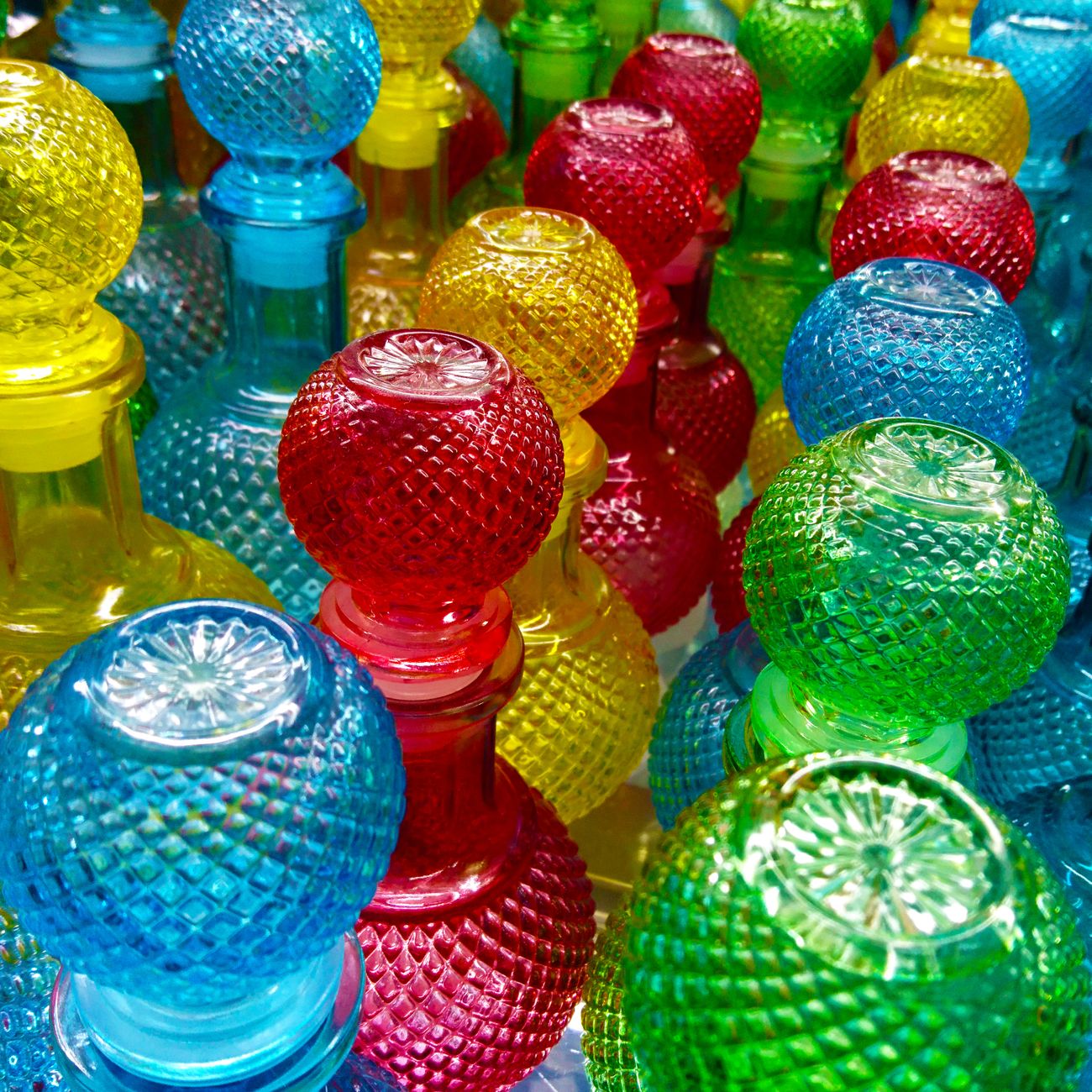
History of Perfumery
Perfumery is the art and science of creating fragrances for personal use or for use in the environment. The history of perfumery can be traced back to ancient civilizations, where fragrances were used for religious, medicinal, and personal purposes.
The earliest record of perfume use dates back to ancient Mesopotamia, where incense was burned during religious ceremonies. The ancient Egyptians also used fragrances for religious and personal purposes. They believed that fragrances had healing properties and used them to embalm their dead. The Egyptians were known to use fragrances made from crushed petals, resins, and spices.
The Greeks and Romans also used fragrances extensively. The Greeks used fragrances during athletic events, while the Romans used them in their public baths. The Romans were also known to use fragrances in their homes and on their clothing.
During the Middle Ages, perfume use declined in Europe due to the influence of the Christian Church, which viewed perfume as a sinful indulgence. However, perfume use continued to flourish in the Middle East, where it was used for religious and personal purposes.
In the 16th century, perfume use began to regain popularity in Europe. Perfume was used by the aristocracy to mask body odors and to demonstrate their wealth and status. In the 17th century, perfume became more accessible to the general public, and perfume shops began to appear in major European cities.
In the 18th century, perfume became an essential part of French culture. The French aristocracy used perfume to demonstrate their refinement and sophistication. During this time, perfume became more complex, with the use of exotic ingredients such as ambergris, musk, and civet.
In the 19th century, perfume production became more industrialized, with the use of synthetic ingredients. This allowed for the creation of more complex and longer-lasting fragrances. In the 20th century, perfume became a global industry, with major brands such as Chanel, Dior, and Guerlain becoming household names.
Ethics of Perfumery
The ethical considerations in perfumery revolve around the use of synthetic ingredients, animal testing, and sustainability.
The use of synthetic ingredients in perfumery has been a topic of debate for many years. While synthetic ingredients allow for the creation of more complex and longer-lasting fragrances, they also raise concerns about their potential health effects. Some synthetic ingredients have been linked to allergies, respiratory problems, and even cancer.
Animal testing is another ethical issue in perfumery. Many perfume companies use animals to test the safety of their products. This practice has been widely criticized by animal welfare organizations and has led to the development of alternative testing methods.
Sustainability is also an important ethical consideration in perfumery. The production of perfume ingredients can have a significant impact on the environment. The overharvesting of natural ingredients can lead to the destruction of habitats and the extinction of species. The use of synthetic ingredients can also contribute to pollution and waste.
To address these ethical concerns, many perfume companies have adopted sustainable practices such as using organic and fair trade ingredients, reducing packaging waste, and implementing ethical supply chain management.
Key Terms and Vocabulary
1. Accord: A combination of two or more fragrance notes that create a new scent when combined. 2. Aftetshave: A light, refreshing fragrance worn after shaving. 3. Aldehyde: A synthetic ingredient used in perfumery to enhance the top notes of a fragrance. 4. Base note: The fragrance notes that appear last and linger the longest. 5. Chypre: A fragrance family characterized by a dry, woody scent. 6. Citrus: A fragrance family characterized by a fresh, citrusy scent. 7. Dossier: A collection of information about a fragrance, including its ingredients, production process, and marketing strategy. 8. Eau de Cologne: A light, refreshing fragrance with a low concentration of essential oils. 9. Eau de Parfum: A fragrance with a medium concentration of essential oils. 10. Eau de Toilette: A light, refreshing fragrance with a moderate concentration of essential oils. 11. Extrait: A fragrance with a high concentration of essential oils. 12. Floral: A fragrance family characterized by a sweet, floral scent. 13. Foug
Key takeaways
- The history of perfumery can be traced back to ancient civilizations, where fragrances were used for religious, medicinal, and personal purposes.
- The earliest record of perfume use dates back to ancient Mesopotamia, where incense was burned during religious ceremonies.
- The Greeks used fragrances during athletic events, while the Romans used them in their public baths.
- During the Middle Ages, perfume use declined in Europe due to the influence of the Christian Church, which viewed perfume as a sinful indulgence.
- In the 17th century, perfume became more accessible to the general public, and perfume shops began to appear in major European cities.
- During this time, perfume became more complex, with the use of exotic ingredients such as ambergris, musk, and civet.
- In the 20th century, perfume became a global industry, with major brands such as Chanel, Dior, and Guerlain becoming household names.