
Natural and Synthetic Perfume Ingredients
Natural Perfume Ingredients:
Natural Perfume Ingredients:
Natural perfume ingredients are obtained from plant or animal sources, and are minimally processed. They can be divided into several categories:
1. Essential Oils: Essential oils are concentrated plant extracts obtained through steam distillation, expression, or solvent extraction. They contain the natural aroma compounds of the plant and are widely used in perfumery. Examples include lavender, rose, and lemon oil. 2. Absolutes: Absolutes are similar to essential oils but are obtained through a more complex extraction process using solvents. They are often used for delicate flowers that cannot be steam distilled. Examples include jasmine and tuberose absolute. 3. Concretes: Concretes are the first stage in the extraction of absolutes, and contain a mixture of waxes, resins, and essential oils. They are typically not used in perfumery, but are further processed to create absolutes. 4. Resinoids: Resinoids are obtained by solvent extraction of resins, such as frankincense and myrrh. They have a thick, sticky consistency and are used in perfumery for their unique aroma. 5. Tinctures: Tinctures are alcoholic extracts of plant material, and are used in perfumery to extract aroma compounds that are not easily obtained through other methods. 6. CO2 Extracts: CO2 extracts are obtained by using carbon dioxide as a solvent under high pressure. They are similar to essential oils, but often contain a wider range of aroma compounds and are more expensive.
Synthetic Perfume Ingredients:
Synthetic perfume ingredients are man-made and can be used to create aromas that do not exist in nature or to enhance the scent of natural ingredients. They can be divided into several categories:
1. Aroma Chemicals: Aroma chemicals are synthetic compounds that mimic the scent of natural ingredients, such as linalool, which smells like lavender, or geraniol, which smells like rose. 2. Aldehydes: Aldehydes are a class of aroma chemicals that have a fresh, clean, and sometimes metallic scent. They are used in perfumery to create a sparkling top note. 3. Musks: Musks are a class of aroma chemicals that have a warm, sweet, and animalistic scent. They are used in perfumery to create a sensual and long-lasting base note. 4. Synthetic Woods: Synthetic woods are aroma chemicals that mimic the scent of natural woods, such as cedarwood or sandalwood. They are used in perfumery to enhance the scent of natural woods or to replace them when they are not sustainably sourced. 5. Synthetic Florals: Synthetic florals are aroma chemicals that mimic the scent of natural flowers, such as rose or jasmine. They are used in perfumery to enhance the scent of natural florals or to replace them when they are not available.
Challenges:
The use of natural and synthetic perfume ingredients presents several challenges for perfumers. Natural ingredients can be expensive, difficult to source, and may have batch-to-batch variations. Synthetic ingredients can be more consistent and affordable, but may not fully capture the complexity and nuance of natural ingredients. Additionally, some synthetic ingredients have been linked to health concerns, and there is growing demand for natural and organic perfumes.
Examples:
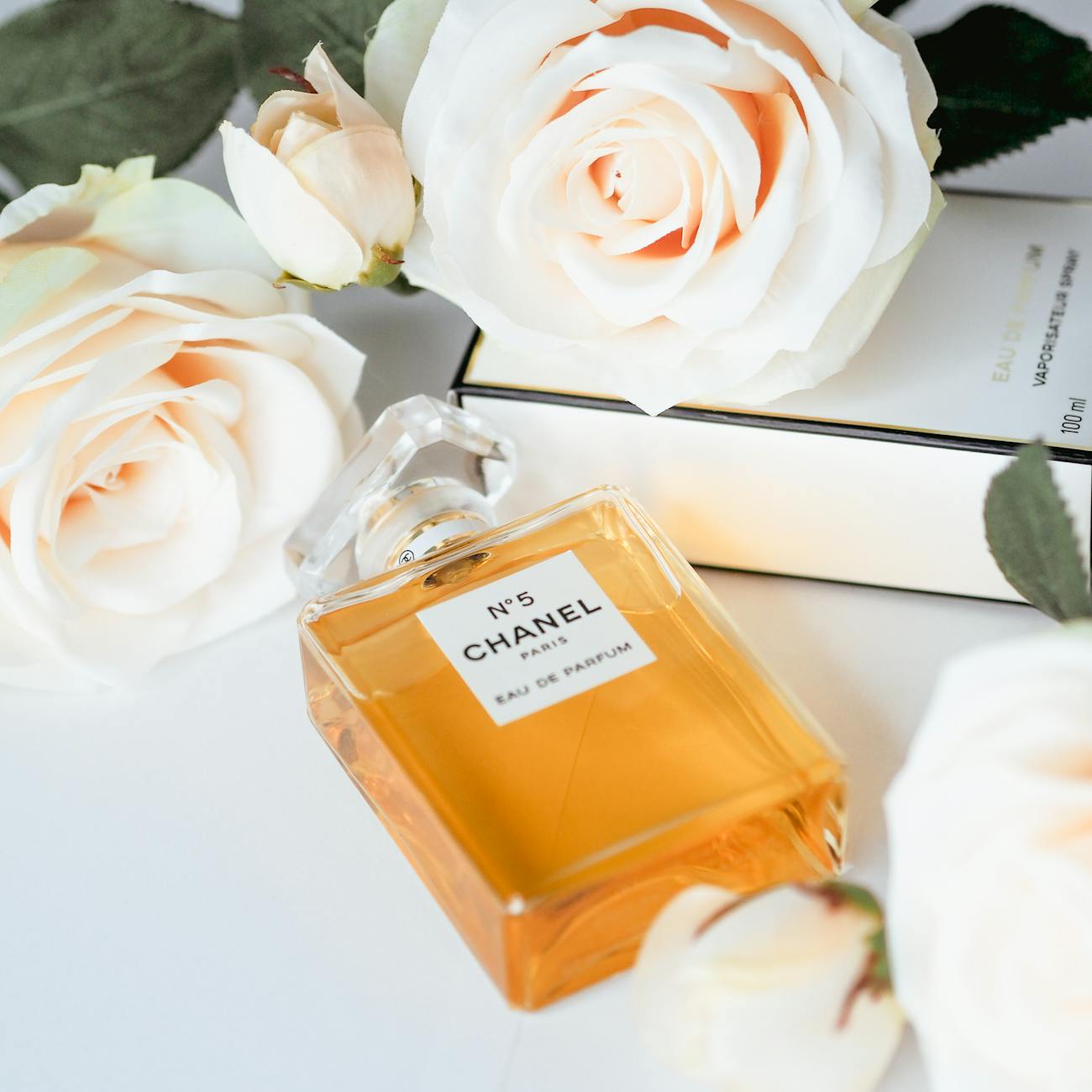
A classic example of a natural perfume is Chanel No. 5, which contains a high percentage of natural ingredients, including rose, jasmine, and sandalwood. A classic example of a synthetic perfume is Angel by Thierry Mugler, which contains several synthetic aroma chemicals, including ethyl maltol, which gives the perfume its sweet caramel scent.
Practical Applications:
Understanding the differences between natural and synthetic perfume ingredients is essential for perfumers, who must balance the desire for naturalness with the need for consistency, affordability, and complexity. By understanding the characteristics and limitations of each type of ingredient, perfumers can create perfumes that are both beautiful and ethical.
In conclusion, natural and synthetic perfume ingredients each have their own unique benefits and challenges. Natural ingredients offer a rich, nuanced scent profile, but can be expensive and difficult to source. Synthetic ingredients offer consistency, affordability, and a wide range of aroma profiles, but may not fully capture the complexity of natural ingredients. By understanding the differences between natural and synthetic ingredients, perfumers can create perfumes that are both beautiful and ethical.
Key takeaways
- Natural perfume ingredients are obtained from plant or animal sources, and are minimally processed.
- Tinctures: Tinctures are alcoholic extracts of plant material, and are used in perfumery to extract aroma compounds that are not easily obtained through other methods.
- Synthetic perfume ingredients are man-made and can be used to create aromas that do not exist in nature or to enhance the scent of natural ingredients.
- Aroma Chemicals: Aroma chemicals are synthetic compounds that mimic the scent of natural ingredients, such as linalool, which smells like lavender, or geraniol, which smells like rose.
- Additionally, some synthetic ingredients have been linked to health concerns, and there is growing demand for natural and organic perfumes.
- A classic example of a synthetic perfume is Angel by Thierry Mugler, which contains several synthetic aroma chemicals, including ethyl maltol, which gives the perfume its sweet caramel scent.
- Understanding the differences between natural and synthetic perfume ingredients is essential for perfumers, who must balance the desire for naturalness with the need for consistency, affordability, and complexity.