
Fire Safety Measures in Care Facilities
Fire Safety Measures in Care Facilities:
Fire Safety Measures in Care Facilities:
Fire safety is of paramount importance in care facilities, where vulnerable individuals may require assistance in the event of an emergency. As a fire risk assessor specializing in care facilities, it is crucial to understand the key terms and vocabulary associated with fire safety measures to effectively assess and mitigate potential risks. Below is an in-depth explanation of essential terms related to fire safety in care facilities:
1. Fire Risk Assessment:
A fire risk assessment is a systematic evaluation of the potential fire hazards present in a care facility and the likelihood of those hazards causing harm to the residents, staff, or property. The assessment helps identify areas of concern and develop strategies to reduce the risk of fire.
During a fire risk assessment, the assessor must consider various factors, including the layout of the facility, the presence of flammable materials, the effectiveness of fire detection and alarm systems, the availability of escape routes, and the training of staff in fire safety procedures.
2. Fire Safety Management:
Fire safety management involves the implementation of policies, procedures, and practices to prevent and mitigate the impact of fires in care facilities. Effective fire safety management requires regular inspections, staff training, emergency drills, and the maintenance of fire detection and suppression systems.
Care facilities must have a designated responsible person who is responsible for overseeing fire safety measures, conducting fire risk assessments, and ensuring compliance with fire safety regulations.
3. Fire Detection and Alarm Systems:
Fire detection and alarm systems are essential components of fire safety in care facilities. These systems include smoke detectors, heat detectors, manual call points, and alarm sounders. Smoke detectors are designed to detect smoke particles in the air, while heat detectors activate when a certain temperature threshold is reached.
In care facilities, it is crucial to have a reliable fire alarm system that can quickly alert residents and staff to the presence of a fire. Regular testing and maintenance of fire alarm systems are necessary to ensure their proper functioning in an emergency.
4. Emergency Evacuation Procedures:
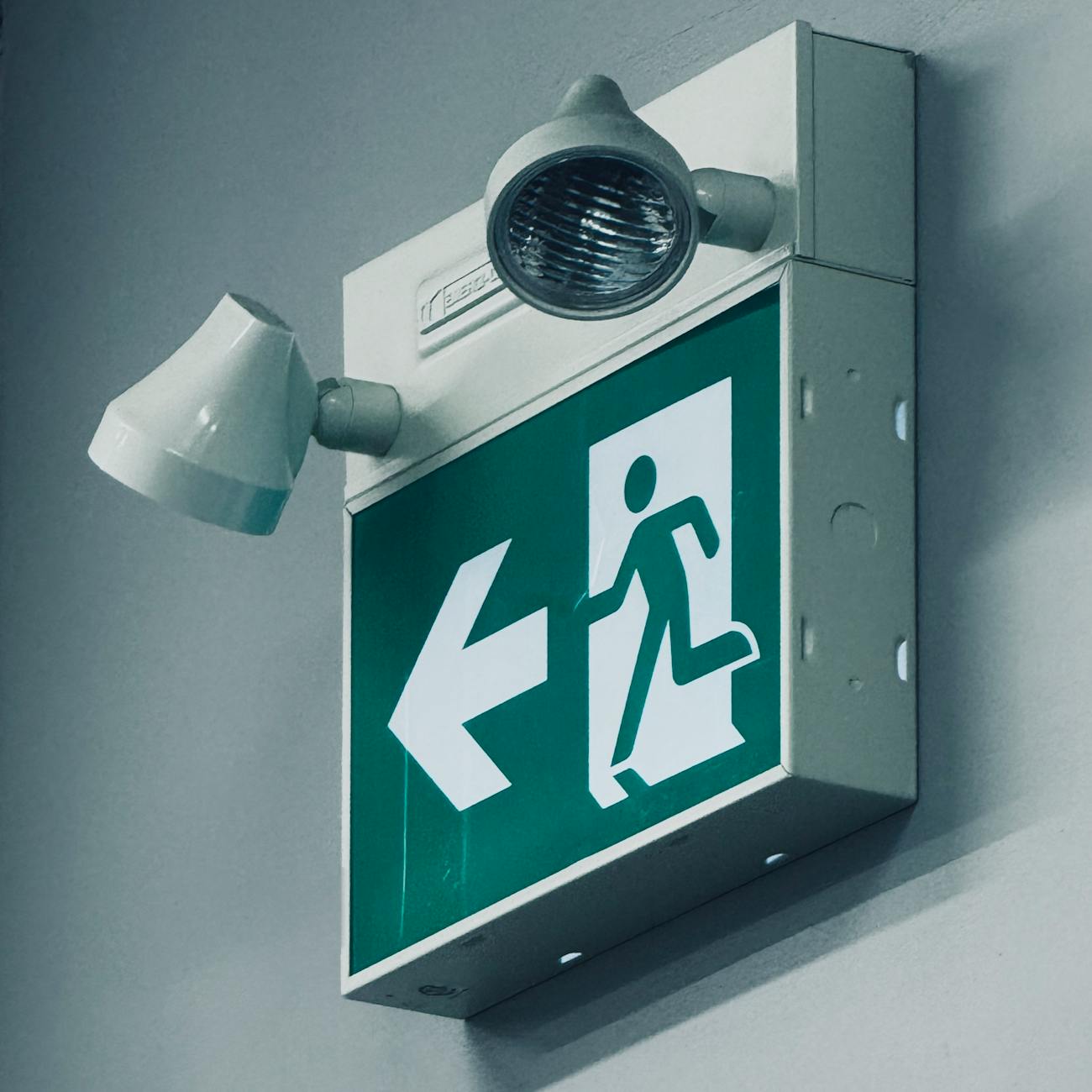
Emergency evacuation procedures outline the steps that residents and staff should take in the event of a fire or other emergency. Care facilities must have clear evacuation routes marked with illuminated signs, accessible to individuals with mobility impairments, and regularly practiced through fire drills.
During a fire risk assessment, the assessor must evaluate the effectiveness of evacuation procedures and identify any obstacles that could hinder a timely evacuation. It is essential to ensure that all residents and staff are familiar with the evacuation plan and can safely exit the building in an emergency.
5. Fire Prevention Measures:
Fire prevention measures aim to reduce the likelihood of fires occurring in care facilities. These measures include the proper storage of flammable materials, the maintenance of electrical systems, the prohibition of smoking in certain areas, and the installation of fire doors to contain the spread of fire.
As a fire risk assessor, it is important to assess the effectiveness of fire prevention measures in place and recommend improvements to minimize the risk of fire. Regular inspections and maintenance of fire safety equipment are essential to prevent potential fire hazards.
6. Fire Suppression Systems:
Fire suppression systems are designed to extinguish or control fires in care facilities. These systems include sprinkler systems, fire extinguishers, fire blankets, and fire hoses. Sprinkler systems activate automatically when a fire is detected, releasing water to suppress the flames.
During a fire risk assessment, the assessor must evaluate the adequacy of fire suppression systems in place and ensure they are properly maintained and inspected. Staff should be trained in the use of fire extinguishers and other suppression equipment to respond effectively to a fire.
7. Fire Safety Training:
Fire safety training is essential for all staff members working in care facilities to ensure they are prepared to respond to a fire emergency. Training should cover fire prevention measures, evacuation procedures, the proper use of fire safety equipment, and the importance of maintaining a fire-safe environment.
As a fire risk assessor, it is important to evaluate the effectiveness of fire safety training programs and recommend additional training as needed. Regular refresher courses and drills can help reinforce staff knowledge and ensure they can respond appropriately in the event of a fire.
8. Fire Safety Regulations:
Fire safety regulations establish the legal requirements that care facilities must comply with to ensure the safety of residents and staff. These regulations may include building codes, fire safety standards, and guidelines for the installation and maintenance of fire safety equipment.
During a fire risk assessment, the assessor must verify that the care facility meets all relevant fire safety regulations and recommend corrective actions if compliance issues are identified. It is essential to stay informed about changes in fire safety regulations to ensure ongoing compliance.
9. Fire Safety Challenges in Care Facilities:
Care facilities present unique challenges when it comes to fire safety, as residents may have mobility impairments, cognitive limitations, or medical conditions that affect their ability to evacuate in an emergency. It is important to consider these factors when conducting a fire risk assessment and develop tailored strategies to address the specific needs of residents.
For example, residents with mobility impairments may require assistance evacuating the building, while residents with cognitive limitations may need additional support understanding emergency procedures. As a fire risk assessor, it is essential to work closely with care facility staff to address these challenges and ensure the safety of all residents.
Conclusion:
In conclusion, fire safety measures in care facilities are critical to protecting the lives and well-being of residents and staff. As a fire risk assessor specializing in care facilities, it is essential to understand the key terms and vocabulary related to fire safety to effectively assess and mitigate potential risks. By conducting thorough fire risk assessments, implementing comprehensive fire safety management practices, and ensuring compliance with fire safety regulations, care facilities can create a safe environment for all individuals. Fire safety training, emergency evacuation procedures, and the maintenance of fire detection and suppression systems are essential components of a comprehensive fire safety program in care facilities. By addressing fire safety challenges and developing tailored strategies to meet the specific needs of residents, fire risk assessors can help ensure the safety and well-being of individuals in care facilities.
Key takeaways
- As a fire risk assessor specializing in care facilities, it is crucial to understand the key terms and vocabulary associated with fire safety measures to effectively assess and mitigate potential risks.
- A fire risk assessment is a systematic evaluation of the potential fire hazards present in a care facility and the likelihood of those hazards causing harm to the residents, staff, or property.
- Effective fire safety management requires regular inspections, staff training, emergency drills, and the maintenance of fire detection and suppression systems.
- Care facilities must have a designated responsible person who is responsible for overseeing fire safety measures, conducting fire risk assessments, and ensuring compliance with fire safety regulations.
- Smoke detectors are designed to detect smoke particles in the air, while heat detectors activate when a certain temperature threshold is reached.
- In care facilities, it is crucial to have a reliable fire alarm system that can quickly alert residents and staff to the presence of a fire.
- Care facilities must have clear evacuation routes marked with illuminated signs, accessible to individuals with mobility impairments, and regularly practiced through fire drills.