
Emergency Planning and Evacuation Procedures
Emergency Planning and Evacuation Procedures are crucial components of ensuring the safety and well-being of individuals in care facilities, especially in the event of a fire risk. In this Advanced Skill Certificate course in Fire Risk Asse…
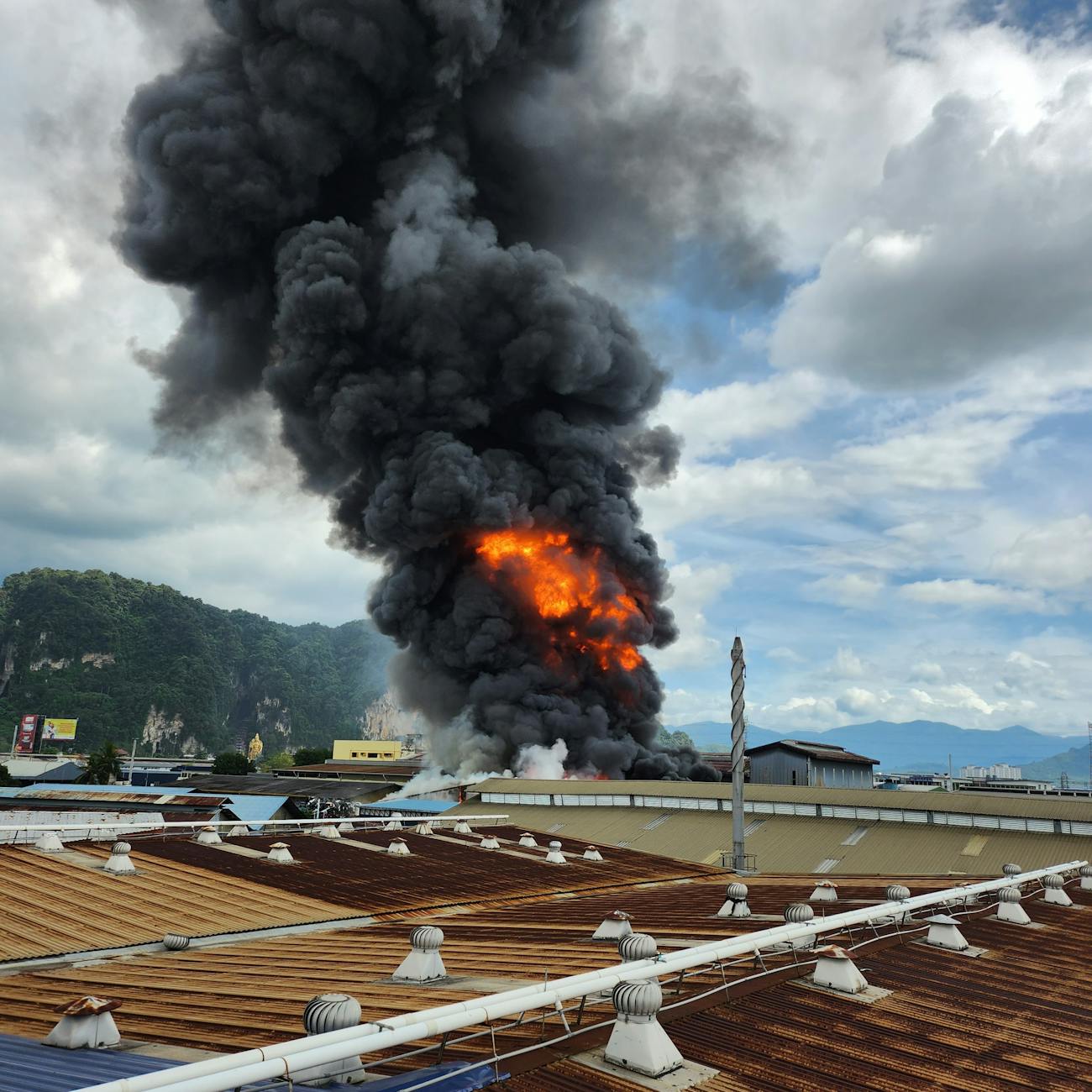
Emergency Planning and Evacuation Procedures are crucial components of ensuring the safety and well-being of individuals in care facilities, especially in the event of a fire risk. In this Advanced Skill Certificate course in Fire Risk Assessment for Care Facilities, students will learn key terms and vocabulary related to emergency planning and evacuation procedures to effectively assess and mitigate fire risks in such settings.
Emergency Planning: Emergency planning refers to the process of creating a comprehensive plan to address potential emergencies that may arise in a care facility. This plan outlines the procedures, protocols, and resources necessary to respond to emergencies effectively. It includes identifying potential risks, establishing communication channels, and coordinating with relevant authorities.
Key Terms: 1. Risk Assessment: Risk assessment involves identifying potential hazards and evaluating the likelihood and impact of those hazards on the facility and its occupants. It helps in determining the level of risk and prioritizing mitigation measures. 2. Hazard: A hazard is any source of potential harm or adverse health effects. In the context of fire risk assessment, hazards could include faulty electrical wiring, flammable materials, or blocked fire exits. 3. Vulnerable Population: Vulnerable populations refer to individuals who may have difficulty evacuating during an emergency due to physical or cognitive impairments. This could include elderly residents, individuals with disabilities, or children. 4. Emergency Response Plan: An emergency response plan outlines the specific actions to be taken in the event of an emergency, such as a fire. It includes evacuation procedures, communication protocols, and roles and responsibilities of staff members. 5. Evacuation Route: An evacuation route is a predetermined path that individuals should follow to safely exit the building during an emergency. It typically includes primary and alternative routes to accommodate different scenarios. 6. Shelter-in-Place: Shelter-in-place is a safety strategy that involves staying inside a building during an emergency rather than evacuating. This may be necessary in situations where evacuation is not safe, such as during a hazardous materials spill. 7. Incident Command System (ICS): The Incident Command System is a standardized organizational structure used to manage emergency response operations. It assigns specific roles and responsibilities to personnel to ensure a coordinated and efficient response. 8. Mass Notification System: A mass notification system is a communication tool that enables facility staff to quickly disseminate information to all occupants during an emergency. This can include alerts, instructions, and updates on the situation.
Evacuation Procedures: Evacuation procedures are the specific steps and protocols followed to safely evacuate a care facility during an emergency, such as a fire. These procedures are designed to ensure the orderly and efficient evacuation of all occupants while minimizing risks and injuries.
Key Terms: 1. Fire Drill: A fire drill is a planned exercise that simulates a fire emergency to test the effectiveness of evacuation procedures. It allows staff and residents to practice evacuating safely and familiarize themselves with escape routes. 2. Assembly Point: An assembly point is a designated location outside the building where evacuees gather after exiting. This ensures accountability and enables staff to verify that all occupants have safely evacuated. 3. Evacuation Chair: An evacuation chair is a specialized device used to transport individuals with mobility impairments down stairs during an evacuation. It allows staff to assist residents who are unable to evacuate independently. 4. Personal Emergency Evacuation Plan (PEEP): A Personal Emergency Evacuation Plan is a customized evacuation strategy tailored to the specific needs of individuals with disabilities or medical conditions. It outlines the assistance required and the designated evacuation route. 5. Stay Put Policy: A stay put policy is a strategy that advises occupants to remain in place during a fire if their location is not directly affected. This can prevent overcrowding of escape routes and reduce the risk of injury during evacuation. 6. Two-Way Communication: Two-way communication refers to the ability for occupants to receive instructions and provide feedback during an emergency. It is essential for ensuring that everyone is informed and accounted for during evacuation. 7. Fire Warden: A fire warden is a designated staff member responsible for overseeing the evacuation process and assisting occupants during a fire emergency. Fire wardens are trained to handle emergencies and ensure a safe evacuation. 8. Sweep Search: A sweep search involves checking designated areas of the building to ensure that all occupants have evacuated safely. This is typically done by fire wardens or emergency responders to confirm that no one is left behind.
Practical Applications: 1. Conducting a Comprehensive Risk Assessment: To effectively assess fire risks in a care facility, students must conduct a comprehensive risk assessment that identifies potential hazards, evaluates their impact, and determines appropriate mitigation measures. This process involves inspecting the facility, reviewing safety protocols, and consulting with staff and residents to address specific vulnerabilities. 2. Developing Emergency Response Plans: Students will learn how to develop emergency response plans that outline the procedures for responding to different types of emergencies, including fires. These plans should include clear instructions for evacuation, communication protocols, and designated roles and responsibilities for staff members. 3. Implementing Evacuation Drills: Evacuation drills are an essential part of emergency preparedness and allow staff and residents to practice evacuating safely. Students will learn how to plan and conduct evacuation drills, evaluate the effectiveness of evacuation procedures, and provide feedback for improvement. 4. Training Staff and Residents: Proper training is key to ensuring a successful evacuation during an emergency. Students will learn how to train staff and residents on evacuation procedures, fire safety practices, and the use of evacuation equipment such as evacuation chairs. Training should be ongoing to reinforce knowledge and skills. 5. Establishing Communication Channels: Effective communication is critical during an emergency to ensure that occupants receive timely instructions and updates. Students will learn how to establish communication channels, such as a mass notification system, two-way radios, or designated communication points, to relay information quickly and efficiently. 6. Coordinating with Emergency Services: In the event of a fire emergency, coordination with emergency services is essential for a swift and coordinated response. Students will learn how to establish protocols for contacting emergency services, providing them with relevant information, and coordinating evacuation efforts to ensure the safety of all occupants.
Challenges: 1. Accessibility and Inclusivity: One of the main challenges in emergency planning for care facilities is ensuring the accessibility and inclusivity of evacuation procedures for all occupants, including those with disabilities or medical conditions. Students must consider the unique needs of vulnerable populations and tailor evacuation plans to accommodate their specific requirements. 2. Communication Barriers: Effective communication is crucial during an emergency, but communication barriers such as language differences or sensory impairments can pose challenges. Students must be prepared to address these barriers by implementing alternative communication methods, providing visual cues, or utilizing assistive devices. 3. Evacuation Equipment Maintenance: Maintaining evacuation equipment such as evacuation chairs or emergency lighting systems is essential to ensure their functionality during an emergency. Students must be aware of the maintenance requirements for such equipment and schedule regular inspections to identify and address any issues promptly. 4. Staff Training and Turnover: Staff turnover in care facilities can impact the effectiveness of emergency planning and evacuation procedures. Students must develop strategies to ensure that new staff members receive proper training on evacuation protocols and are familiar with their roles and responsibilities in the event of an emergency. 5. Compliance with Regulations: Care facilities are subject to regulations and standards that govern emergency planning and evacuation procedures. Students must stay informed about relevant regulations, such as fire safety codes and building requirements, and ensure that their emergency plans comply with these regulations to avoid potential fines or penalties.
In conclusion, mastering the key terms and vocabulary related to Emergency Planning and Evacuation Procedures is essential for students pursuing the Advanced Skill Certificate in Fire Risk Assessment for Care Facilities. By understanding these concepts and their practical applications, students will be equipped to assess fire risks, develop effective emergency response plans, and implement evacuation procedures that prioritize the safety and well-being of occupants in care facilities. Overcoming challenges such as accessibility, communication barriers, and compliance with regulations will require diligence, creativity, and a commitment to continuous improvement in emergency preparedness.
Key takeaways
- Emergency Planning and Evacuation Procedures are crucial components of ensuring the safety and well-being of individuals in care facilities, especially in the event of a fire risk.
- Emergency Planning: Emergency planning refers to the process of creating a comprehensive plan to address potential emergencies that may arise in a care facility.
- Mass Notification System: A mass notification system is a communication tool that enables facility staff to quickly disseminate information to all occupants during an emergency.
- Evacuation Procedures: Evacuation procedures are the specific steps and protocols followed to safely evacuate a care facility during an emergency, such as a fire.
- Personal Emergency Evacuation Plan (PEEP): A Personal Emergency Evacuation Plan is a customized evacuation strategy tailored to the specific needs of individuals with disabilities or medical conditions.
- Students will learn how to establish protocols for contacting emergency services, providing them with relevant information, and coordinating evacuation efforts to ensure the safety of all occupants.
- Students must stay informed about relevant regulations, such as fire safety codes and building requirements, and ensure that their emergency plans comply with these regulations to avoid potential fines or penalties.