
Food Safety and Hygiene in Expedition Settings
Food safety and hygiene are crucial in any food preparation setting, especially in expedition settings where resources and access to medical care may be limited. In this explanation, we will discuss key terms and vocabulary related to food …
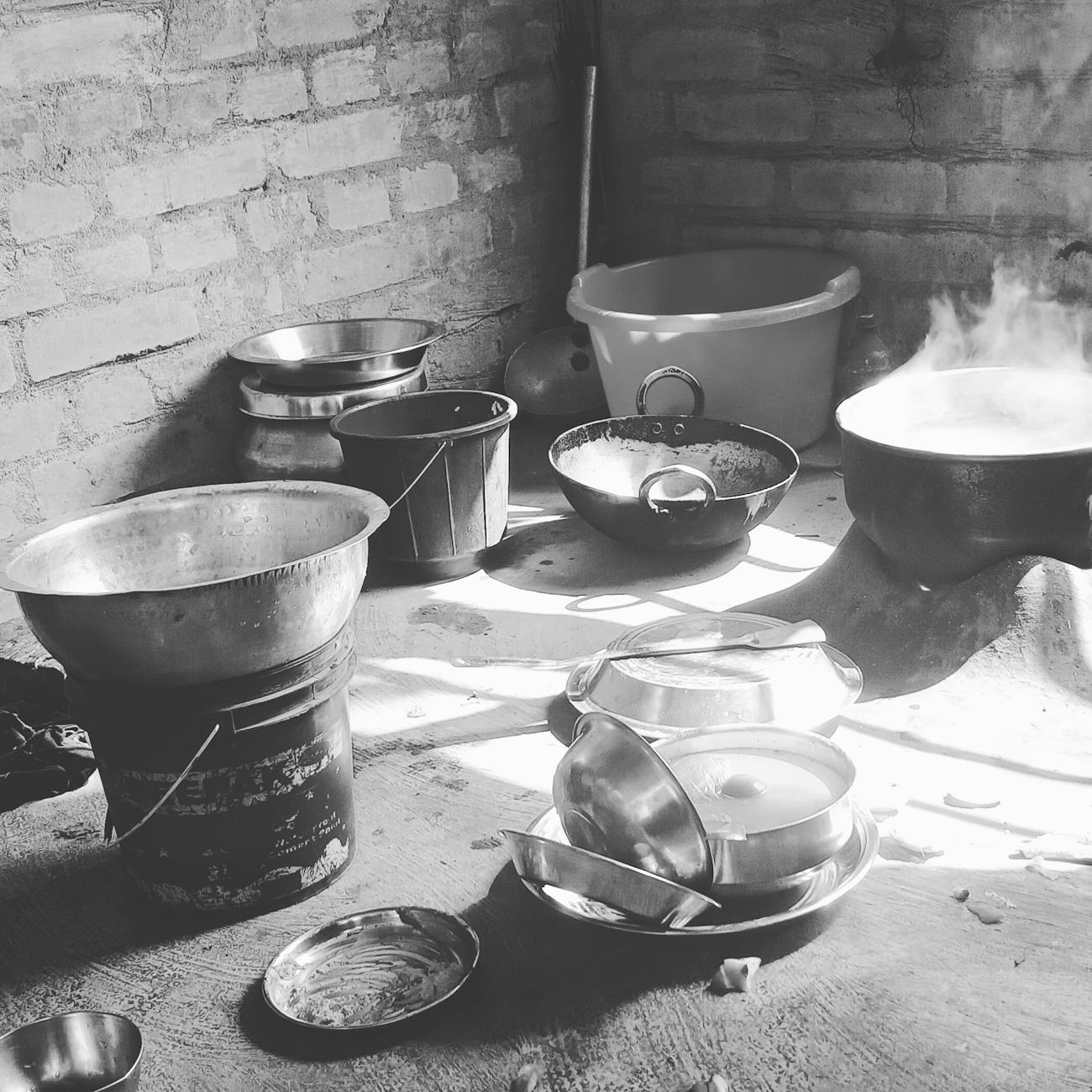
Food safety and hygiene are crucial in any food preparation setting, especially in expedition settings where resources and access to medical care may be limited. In this explanation, we will discuss key terms and vocabulary related to food safety and hygiene in the context of the Postgraduate Certificate in Expedition Cooking.
1. Foodborne illness: Also known as food poisoning, foodborne illness is caused by consuming food or drink contaminated with harmful bacteria, viruses, parasites, or toxins. Symptoms can include nausea, vomiting, diarrhea, abdominal cramps, fever, and dehydration.
Practical application: Proper food handling, storage, and preparation can help prevent foodborne illness. In expedition settings, it is essential to use clean water and cook food thoroughly to kill any harmful bacteria.
2. Cross-contamination: Cross-contamination occurs when bacteria or other contaminants are transferred from one food or surface to another, potentially causing foodborne illness.
Practical application: Use separate cutting boards, utensils, and containers for raw and cooked foods. Clean and sanitize all surfaces, equipment, and utensils thoroughly before and after use.
3. Hazard Analysis and Critical Control Points (HACCP): HACCP is a systematic approach to identifying, evaluating, and controlling food safety hazards. It involves identifying critical control points (CCPs) in the food production process where hazards can be prevented, eliminated, or reduced to an acceptable level.
Practical application: Implementing HACCP in expedition settings can help ensure food safety by identifying and addressing potential hazards in the food production process.
4. Personal hygiene: Personal hygiene is essential in food preparation to prevent the spread of bacteria and other contaminants.
Practical application: Wash hands frequently, especially before handling food, after using the restroom, and after touching raw meat or poultry. Wear clean clothing and tie back long hair.
5. Time and temperature control: Time and temperature control are critical in preventing bacterial growth and foodborne illness.
Practical application: Keep food at safe temperatures (below 4°C or above 60°C) to prevent bacterial growth. Cook food to the recommended internal temperature to ensure it is safe to eat.
6. Cleaning and sanitation: Cleaning and sanitation are essential in food preparation to remove bacteria and other contaminants.
Practical application: Clean and sanitize all surfaces, equipment, and utensils frequently. Use hot water and detergent to clean, followed by a sanitizing solution.
7. Allergens: Allergens are substances that can cause an allergic reaction in some individuals. Common food allergens include milk, eggs, peanuts, tree nuts, soy, wheat, fish, and shellfish.
Practical application: Be aware of common food allergens and their symptoms. Clearly label all food with allergen information and take steps to prevent cross-contamination.
8. Food storage: Proper food storage is essential in preventing bacterial growth and foodborne illness.
Practical application: Store food at appropriate temperatures and in appropriate containers. Rotate stock to ensure food is used before its expiration date.
9. Pest control: Pests such as rodents, insects, and birds can contaminate food and spread diseases.
Practical application: Keep food storage areas clean and free of clutter. Use screens, doors, and other barriers to prevent pests from entering food preparation areas.
10. Emergency preparedness: Emergency preparedness is essential in expedition settings to ensure food safety in the event of an emergency.
Practical application: Have a plan in place for food storage, preparation, and disposal in the event of an emergency. Ensure all team members are trained in food safety and hygiene practices.
Challenge: Identify potential food safety hazards in an expedition setting and develop a HACCP plan to address them. Implement personal hygiene practices and ensure proper food storage, handling, and preparation. Practice emergency preparedness and ensure all team members are trained in food safety and hygiene practices.
In conclusion, food safety and hygiene are essential in any food preparation setting, especially in expedition settings. By understanding key terms and vocabulary related to food safety and hygiene, expedition cooks can help prevent foodborne illness and ensure the health and safety of their team members. Through proper cleaning and sanitation, personal hygiene, time and temperature control, allergen awareness, and emergency preparedness, expedition cooks can ensure the success of their expeditions.
Key takeaways
- In this explanation, we will discuss key terms and vocabulary related to food safety and hygiene in the context of the Postgraduate Certificate in Expedition Cooking.
- Foodborne illness: Also known as food poisoning, foodborne illness is caused by consuming food or drink contaminated with harmful bacteria, viruses, parasites, or toxins.
- In expedition settings, it is essential to use clean water and cook food thoroughly to kill any harmful bacteria.
- Cross-contamination: Cross-contamination occurs when bacteria or other contaminants are transferred from one food or surface to another, potentially causing foodborne illness.
- Practical application: Use separate cutting boards, utensils, and containers for raw and cooked foods.
- It involves identifying critical control points (CCPs) in the food production process where hazards can be prevented, eliminated, or reduced to an acceptable level.
- Practical application: Implementing HACCP in expedition settings can help ensure food safety by identifying and addressing potential hazards in the food production process.