
Cooking Techniques for High Altitude and Wilderness Conditions
High altitude and wilderness cooking present unique challenges that require specialized techniques and knowledge. Here are some key terms and vocabulary related to cooking in these conditions:
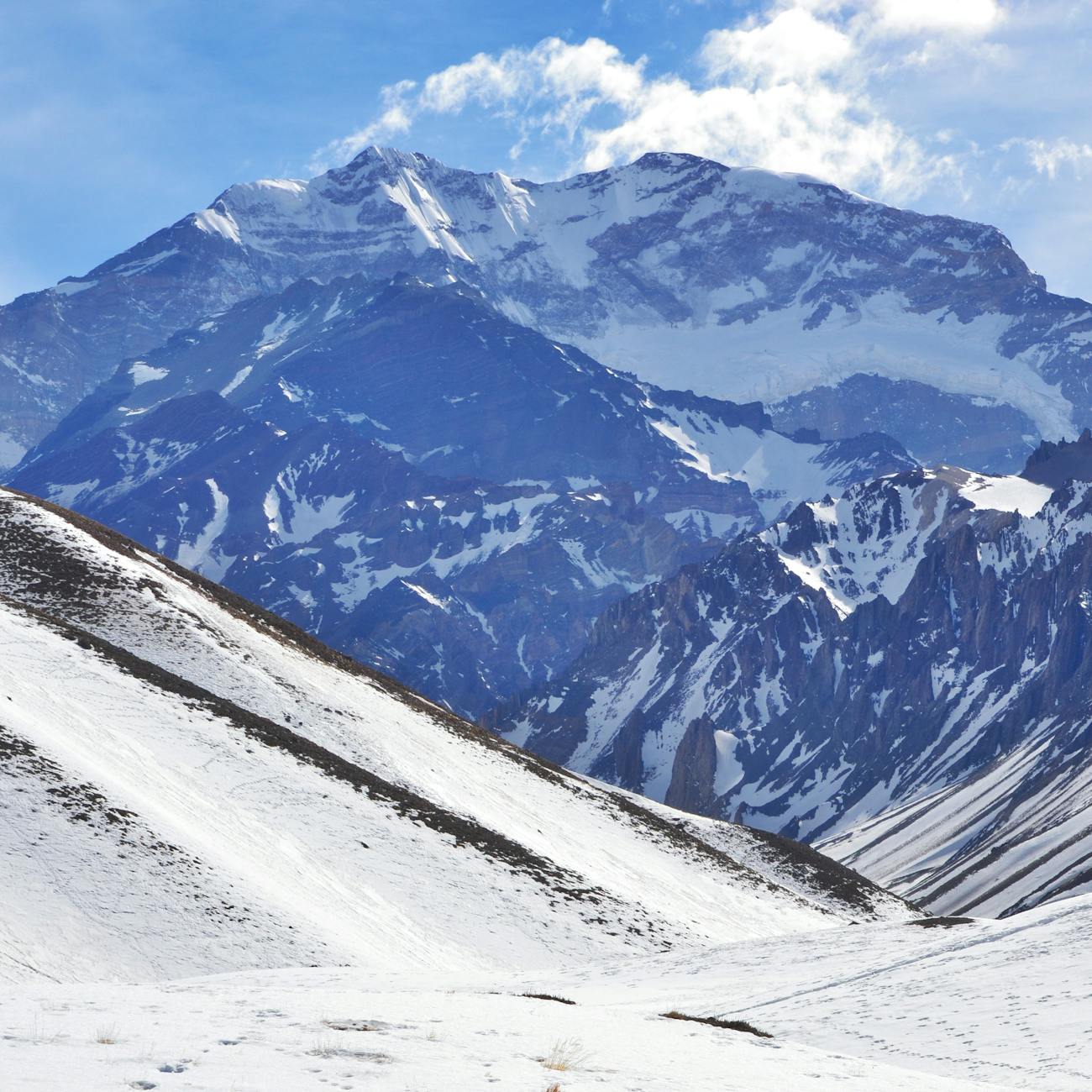
High altitude and wilderness cooking present unique challenges that require specialized techniques and knowledge. Here are some key terms and vocabulary related to cooking in these conditions:
High Altitude: Cooking at high altitudes (above 3,000 feet) can be challenging due to the lower air pressure and drier conditions. Water boils at a lower temperature, which can affect cooking times and food safety.
Wilderness Cooking: Cooking in the wilderness involves preparing meals in outdoor conditions, often with limited resources and equipment. It requires knowledge of food safety, fuel sources, and cooking techniques.
Boiling Point: The temperature at which water boils, which is lower at high altitudes due to the lower air pressure. At sea level, water boils at 212°F (100°C), but at 8,000 feet, it boils at 198°F (92°C).
Parboiling: A cooking technique where food is partially cooked in boiling water before being finished using another method. This can help to reduce cooking times and preserve nutrients.
Simmering: A cooking technique where food is cooked in liquid that is kept just below the boiling point. This can help to prevent overcooking and keep food moist.
Deglazing: A cooking technique where a pan is heated and a liquid (such as wine or broth) is added to loosen any browned bits stuck to the bottom. This can help to add flavor to sauces and gravies.
Fuel Source: The source of heat used for cooking, which can include wood, propane, or solid fuel tablets. Choosing the right fuel source depends on the availability, environmental impact, and cooking needs.
Food Safety: The practices and procedures used to prevent foodborne illness, which include proper handling, storage, and cooking temperatures.
Cooking Times: The length of time required to cook food, which can vary based on altitude, fuel source, and cooking technique.
Altitude Sickness: A condition that can occur when traveling to high altitudes, which is caused by the lower oxygen levels. Symptoms can include headache, nausea, and shortness of breath.
Hydration: The process of consuming enough fluids to maintain proper bodily function, which is especially important in high altitude and wilderness conditions.
Menu Planning: The process of planning meals for a trip, which includes considering dietary restrictions, nutritional needs, and equipment limitations.
Leave No Trace: A set of principles for minimizing the impact of outdoor activities on the environment, which includes proper disposal of waste and respecting wildlife.
Dietary Restrictions: Any restrictions on food intake due to medical, ethical, or personal reasons. These can include allergies, intolerances, or preferences.
Nutritional Needs: The amount of calories, protein, fat, and nutrients required for proper bodily function, which can vary based on activity level, age, and gender.
Equipment Limitations: The limitations on cooking equipment, such as weight, size, and fuel capacity, which can affect meal planning and preparation.
Adventure Cooking: A term used to describe cooking in outdoor and wilderness conditions, often with a focus on creativity and innovation.
Backcountry Cooking: A term used to describe cooking in the backcountry, which involves preparing meals in remote and wilderness areas.
Camp Cooking: A term used to describe cooking while camping, which can include car camping, backpacking, or RV camping.
Expedition Cooking: A term used to describe cooking on expeditions, which can involve long durations, extreme conditions, and logistical challenges.
Outdoor Cooking: A term used to describe cooking in outdoor conditions, which can include backyard barbecues, picnics, or camping trips.
Wild Game: Any game that is hunted or fished in the wild, which can include animals such as deer, elk, or trout.
Foraging: The practice of collecting wild plants or mushrooms for food, which can be a sustainable and cost-effective way to supplement meals.
Preserving: The process of preserving food for later use, which can include methods such as canning, dehydrating, or smoking.
Solar Cooking: A cooking technique that uses the sun's energy to cook food, which can be a sustainable and fuel-efficient way to cook in outdoor conditions.
Challenges:
1. Planning meals that are nutritious, delicious, and easy to prepare in high altitude and wilderness conditions can be challenging. 2. Ensuring food safety and preventing foodborne illness is crucial in these conditions, where refrigeration and sanitation may be limited. 3. Choosing the right fuel source and equipment can be difficult, as they must be portable, efficient, and environmentally friendly. 4. Adapting cooking times and techniques to the lower boiling point and drier conditions at high altitudes can be challenging. 5. Preparing wild game and foraged foods requires knowledge and skill, as they can be difficult to clean, cook, and preserve.
Examples:
1. A menu plan for a high-altitude backpacking trip might include dehydrated meals that are easy to rehydrate and cook with minimal fuel and water. 2. A wilderness cooking demonstration might showcase the use of a solar oven to cook a meal in an outdoor setting. 3. A wild game cooking class might teach techniques for cleaning, seasoning, and cooking game meats such as venison or elk. 4. A backcountry cooking workshop might focus on lightweight and portable cooking equipment, such as a backpacking stove or lightweight pots and pans. 5. A foraging workshop might teach participants how to identify and harvest wild edibles, such as mushrooms or berries, and incorporate them into meals.
Practical Applications:
1. Practice cooking at high altitudes to adjust to the lower boiling point and longer cooking times. 2. Experiment with different fuel sources and equipment to find the most efficient and environmentally friendly options. 3. Learn about food safety and proper handling techniques to prevent foodborne illness in outdoor conditions. 4. Take a wild game or foraging class to learn about preparing and cooking wild foods. 5. Practice planning and preparing meals for outdoor adventures, taking into account dietary restrictions, nutritional needs, and equipment limitations.
In conclusion, cooking in high altitude and wilderness conditions requires specialized knowledge and skills. Understanding key terms and vocabulary such as boiling point, simmering, food safety, and equipment limitations can help ensure that meals are nutritious, delicious, and safe to eat. Additionally, practicing cooking techniques, experimenting with fuel sources and equipment, and learning about wild game and foraging can enhance the outdoor cooking experience. By following principles such as Leave No Trace and proper hydration, outdoor cooks can also minimize their impact on the environment and promote sustainable practices.
Key takeaways
- High altitude and wilderness cooking present unique challenges that require specialized techniques and knowledge.
- High Altitude: Cooking at high altitudes (above 3,000 feet) can be challenging due to the lower air pressure and drier conditions.
- Wilderness Cooking: Cooking in the wilderness involves preparing meals in outdoor conditions, often with limited resources and equipment.
- Boiling Point: The temperature at which water boils, which is lower at high altitudes due to the lower air pressure.
- Parboiling: A cooking technique where food is partially cooked in boiling water before being finished using another method.
- Simmering: A cooking technique where food is cooked in liquid that is kept just below the boiling point.
- Deglazing: A cooking technique where a pan is heated and a liquid (such as wine or broth) is added to loosen any browned bits stuck to the bottom.