
AI-driven Autonomous Marine Vehicles
Artificial Intelligence (AI) refers to the development of computer systems that can perform tasks that typically require human intelligence, such as visual perception, speech recognition, decision-making, and language translation. AI-driven…
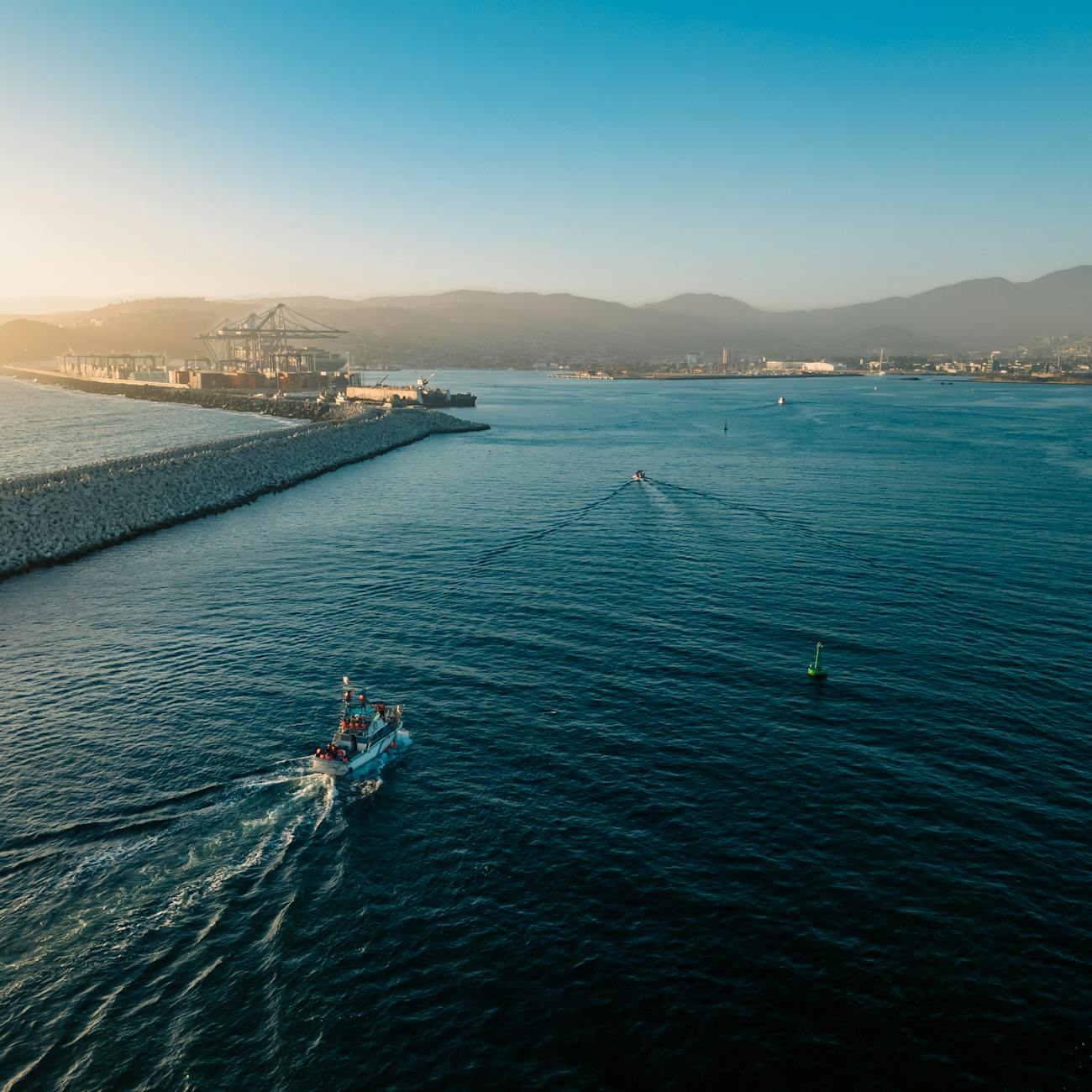
Artificial Intelligence (AI) refers to the development of computer systems that can perform tasks that typically require human intelligence, such as visual perception, speech recognition, decision-making, and language translation. AI-driven Autonomous Marine Vehicles (AMVs) are robotic boats or submarines that use AI algorithms to navigate, make decisions, and complete tasks without human intervention. These vehicles are used in various marine applications, including ocean exploration, environmental monitoring, and military surveillance.
There are several key terms and vocabulary related to AI-driven AMVs that are essential to understanding how these vehicles work and how they are used. Here are some of the most important terms:
1. Machine Learning (ML): ML is a subset of AI that involves training computer systems to learn and improve their performance on a specific task by analyzing data. ML algorithms can be supervised, unsupervised, or semi-supervised, depending on the type of data and the desired outcome. 2. Deep Learning (DL): DL is a type of ML that uses artificial neural networks (ANNs) to analyze data. ANNs are modeled after the human brain and consist of interconnected nodes or neurons that process information. DL algorithms can analyze large datasets and extract complex patterns and features. 3. Computer Vision: Computer vision is a field of AI that focuses on enabling computers to interpret and understand visual information from the world. In the context of AMVs, computer vision is used to enable the vehicle to navigate, avoid obstacles, and identify objects in the water. 4. Sensor Fusion: Sensor fusion is the process of combining data from multiple sensors to improve the accuracy and reliability of the data. In AMVs, sensor fusion is used to integrate data from cameras, sonar, lidar, and other sensors to create a comprehensive picture of the vehicle's environment. 5. Autonomous Navigation: Autonomous navigation is the ability of a vehicle to navigate without human intervention. In AMVs, autonomous navigation is achieved through a combination of sensors, ML algorithms, and control systems. 6. Path Planning: Path planning is the process of determining the optimal path for a vehicle to take to reach a destination. In AMVs, path planning algorithms take into account the vehicle's capabilities, the environment, and the mission objectives to generate a safe and efficient path. 7. Obstacle Detection and Avoidance: Obstacle detection and avoidance is the ability of a vehicle to detect and avoid obstacles in its environment. In AMVs, obstacle detection and avoidance is achieved through a combination of sensors, ML algorithms, and control systems. 8. Object Recognition: Object recognition is the ability of a computer system to identify and classify objects in an image or video. In AMVs, object recognition is used to identify marine life, debris, and other objects in the water. 9. Communication and Networking: Communication and networking are essential components of AMVs, enabling the vehicles to communicate with each other and with shore-based control centers. Communication and networking technologies include satellite communication, underwater acoustic communication, and wireless networking. 10. Mission Planning and Execution: Mission planning and execution involve defining the objectives of a mission, planning the tasks to be performed, and executing the mission. In AMVs, mission planning and execution involve selecting the appropriate sensors and algorithms, defining the path and objectives, and monitoring the progress of the mission.
Examples:
* An AMV equipped with computer vision algorithms and sensors can be used to monitor the health of coral reefs by analyzing images of the reef and identifying signs of stress or disease. * An AMV equipped with obstacle detection and avoidance algorithms can be used to map the ocean floor, navigating around obstacles such as underwater mountains and shipwrecks. * An AMV equipped with object recognition algorithms can be used to track and monitor the movements of marine life, such as whales and dolphins.
Practical Applications:
* Environmental monitoring: AMVs can be used to monitor water quality, ocean currents, and marine life, providing valuable data for scientists and policymakers. * Military surveillance: AMVs can be used for underwater surveillance, detecting and tracking submarines and other underwater threats. * Offshore oil and gas operations: AMVs can be used for inspections, maintenance, and monitoring of offshore oil and gas platforms, reducing the need for human intervention in potentially hazardous environments.
Challenges:
* Limited computing power and battery life: AMVs have limited computing power and battery life, which can limit their capabilities and range. * Complex and dynamic environments: The underwater environment is complex and dynamic, with varying currents, temperatures, and pressures, making it challenging for AMVs to navigate and complete tasks. * Data communication and security: Communication and networking are essential for AMVs, but data communication can be challenging in underwater environments, and there is a risk of data being intercepted or hacked. * Regulatory and ethical considerations: There are regulatory and ethical considerations related to the use of AMVs, including privacy concerns and the potential impact on marine life.
Conclusion:
AI-driven AMVs have enormous potential in marine applications, from environmental monitoring to military surveillance. Understanding the key terms and vocabulary related to these vehicles is essential for anyone working in this field. While there are challenges and limitations to the use of AMVs, ongoing advances in AI, ML, and sensor technology are likely to expand their capabilities and applications in the coming years.
Key takeaways
- Artificial Intelligence (AI) refers to the development of computer systems that can perform tasks that typically require human intelligence, such as visual perception, speech recognition, decision-making, and language translation.
- There are several key terms and vocabulary related to AI-driven AMVs that are essential to understanding how these vehicles work and how they are used.
- Communication and Networking: Communication and networking are essential components of AMVs, enabling the vehicles to communicate with each other and with shore-based control centers.
- * An AMV equipped with computer vision algorithms and sensors can be used to monitor the health of coral reefs by analyzing images of the reef and identifying signs of stress or disease.
- * Offshore oil and gas operations: AMVs can be used for inspections, maintenance, and monitoring of offshore oil and gas platforms, reducing the need for human intervention in potentially hazardous environments.
- * Data communication and security: Communication and networking are essential for AMVs, but data communication can be challenging in underwater environments, and there is a risk of data being intercepted or hacked.
- While there are challenges and limitations to the use of AMVs, ongoing advances in AI, ML, and sensor technology are likely to expand their capabilities and applications in the coming years.