
Human Anatomy and Kinesiology for Dance Movement Therapy
Human Anatomy and Kinesiology are fundamental areas of study in Dance Movement Therapy (DMT), which is a therapeutic approach that uses movement and dance to promote emotional, social, cognitive, and physical well-being. This explanation co…
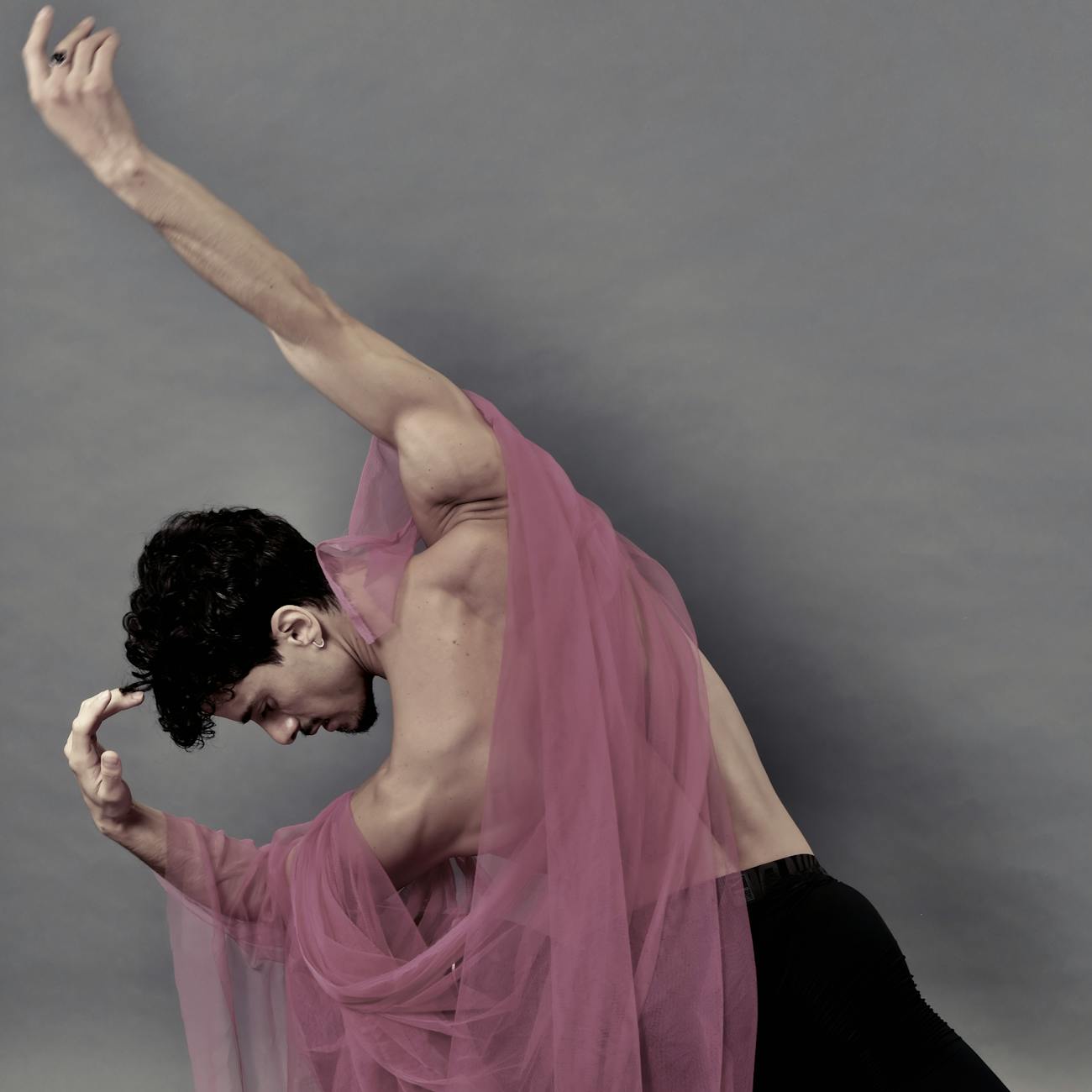
Human Anatomy and Kinesiology are fundamental areas of study in Dance Movement Therapy (DMT), which is a therapeutic approach that uses movement and dance to promote emotional, social, cognitive, and physical well-being. This explanation covers key terms and vocabulary related to these areas to help learners better understand the course material.
### Human Anatomy
Human anatomy is the study of the structure of the human body, including its organs, tissues, and systems. Here are some essential terms and concepts in human anatomy relevant to DMT:
#### Skeletal System
The skeletal system is the body's framework, composed of bones, joints, and connective tissues. It provides support, protection, and mobility to the body. The bones also store minerals and produce red and white blood cells.
##### Bones
Bones are living tissues that provide structure, protect vital organs, and store minerals. There are 206 bones in the adult human body, classified into four types: long, short, flat, and irregular.
##### Joints
Joints are the points where two or more bones meet. They allow for movement and flexibility in the body. There are three types of joints: fibrous (immovable), cartilaginous (slightly movable), and synovial (freely movable).
##### Connective Tissues
Connective tissues are fibrous tissues that connect and support other tissues and organs. They include tendons, ligaments, and fascia.
#### Muscular System
The muscular system is responsible for producing force and motion in the body. It consists of three types of muscles: skeletal, smooth, and cardiac.
##### Skeletal Muscles
Skeletal muscles are voluntary muscles that attach to bones and enable movement. They are responsible for maintaining posture, producing force, and stabilizing joints.
##### Smooth Muscles
Smooth muscles are involuntary muscles that line the walls of organs and blood vessels. They help regulate body functions, such as digestion and blood flow.
##### Cardiac Muscles
Cardiac muscles are involuntary muscles that make up the heart. They contract rhythmically to pump blood throughout the body.
#### Nervous System
The nervous system is the body's control center, responsible for sensory perception, communication, and regulation. It includes the brain, spinal cord, and nerves.
##### Central Nervous System
The central nervous system is the brain and spinal cord, which process sensory information and transmit motor commands.
##### Peripheral Nervous System
The peripheral nervous system is the network of nerves that extend from the spinal cord and brain to the rest of the body. It includes the autonomic and somatic nervous systems.
##### Autonomic Nervous System
The autonomic nervous system is the involuntary nervous system that regulates internal organs and glands. It includes the sympathetic and parasympathetic nervous systems.
##### Somatic Nervous System
The somatic nervous system is the voluntary nervous system that controls skeletal muscles and senses from the skin and muscles.
### Kinesiology
Kinesiology is the study of human movement, including its mechanics, physiology, and psychology. Here are some essential terms and concepts in kinesiology relevant to DMT:
#### Kinematics
Kinematics is the study of human movement without considering the forces that produce it. It includes the analysis of position, velocity, and acceleration of body segments.
##### Position
Position refers to the location of a body segment in space. It is described by its coordinates in a three-dimensional reference frame.
##### Velocity
Velocity refers to the rate of change
Key takeaways
- Human Anatomy and Kinesiology are fundamental areas of study in Dance Movement Therapy (DMT), which is a therapeutic approach that uses movement and dance to promote emotional, social, cognitive, and physical well-being.
- Human anatomy is the study of the structure of the human body, including its organs, tissues, and systems.
- The skeletal system is the body's framework, composed of bones, joints, and connective tissues.
- There are 206 bones in the adult human body, classified into four types: long, short, flat, and irregular.
- There are three types of joints: fibrous (immovable), cartilaginous (slightly movable), and synovial (freely movable).
- Connective tissues are fibrous tissues that connect and support other tissues and organs.
- The muscular system is responsible for producing force and motion in the body.