
Cultural Considerations in Dance Movement Therapy
Dance Movement Therapy (DMT) is a therapeutic approach that uses movement and dance to promote emotional, social, cognitive, and physical integration of the individual. Cultural considerations are essential in DMT as they can significantly …
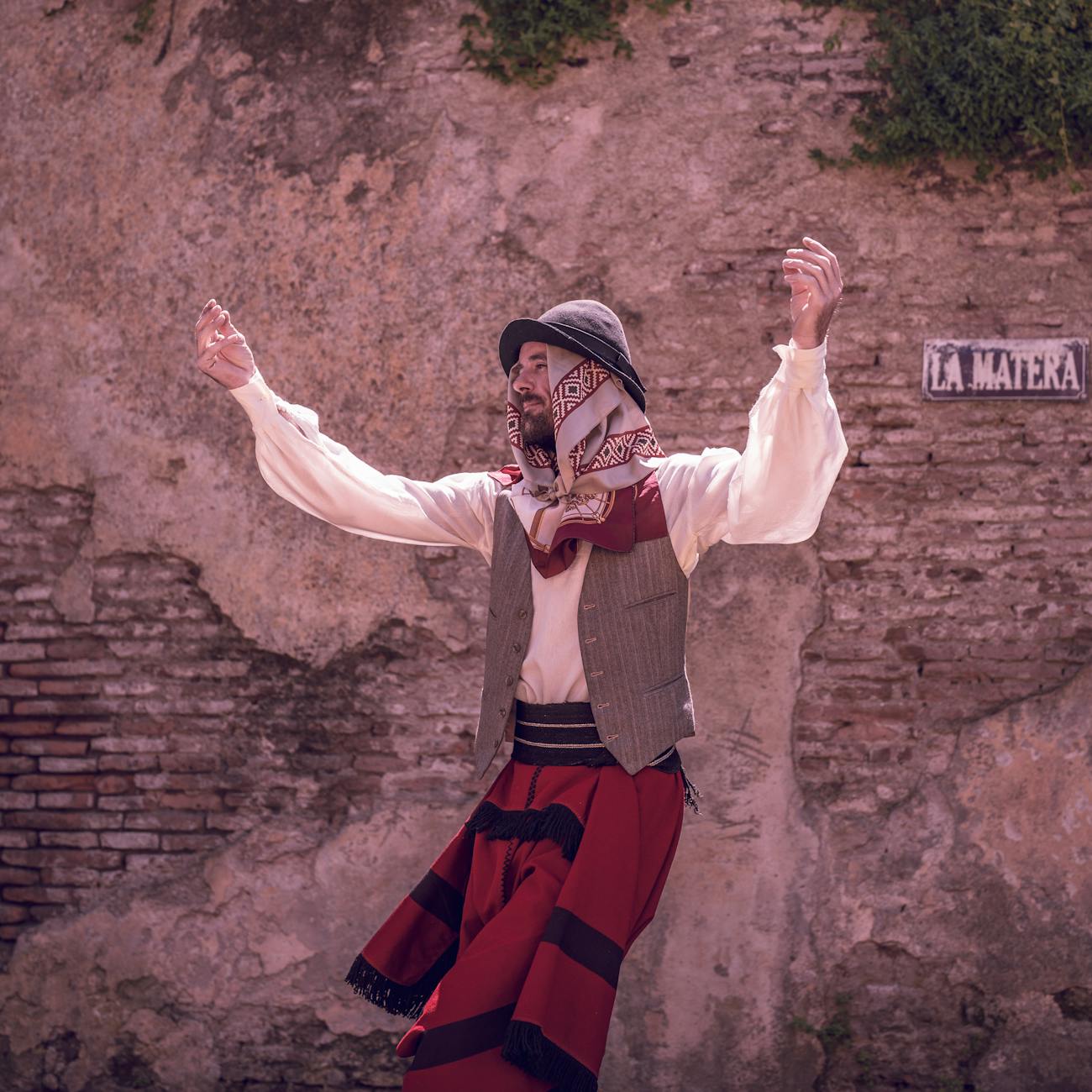
Dance Movement Therapy (DMT) is a therapeutic approach that uses movement and dance to promote emotional, social, cognitive, and physical integration of the individual. Cultural considerations are essential in DMT as they can significantly impact the therapeutic relationship, the client's experience, and the outcomes of the therapy. This explanation covers key terms and vocabulary related to cultural considerations in DMT.
1. Cultural Humility Cultural humility is a process of self-reflection and self-critique where the therapist recognizes their limitations and biases and strives to learn from and about the client's cultural background. It involves an open and respectful attitude towards the client's culture, beliefs, and values. Cultural humility is crucial in DMT as it promotes a therapeutic relationship based on trust, respect, and cultural sensitivity. 2. Cultural Safety Cultural safety is an approach that aims to create a safe and respectful environment for clients from diverse cultural backgrounds. It involves recognizing and challenging power imbalances, stereotypes, and assumptions that may affect the therapeutic relationship. Cultural safety is essential in DMT as it promotes a safe and inclusive space for clients to express themselves freely and authentically. 3. Cultural Competence Cultural competence is the ability to work effectively with people from diverse cultural backgrounds. It involves knowledge, skills, and attitudes that enable the therapist to understand and respond to the client's cultural needs, values, and beliefs. Cultural competence is crucial in DMT as it promotes effective communication, empathy, and understanding between the therapist and the client. 4. Cultural Identity Cultural identity refers to the sense of belonging to a particular cultural group or community. It involves the client's values, beliefs, attitudes, and behaviors that are shaped by their cultural background. Cultural identity is essential in DMT as it influences the client's movement expression, communication style, and therapy goals. 5. Cultural Broker A cultural broker is a person who facilitates communication and understanding between people from different cultural backgrounds. In DMT, a cultural broker can be a therapist who is familiar with the client's cultural background and can help bridge the gap between the client's culture and the therapy process. 6. Enculturation Enculturation is the process of learning and internalizing the values, beliefs, and customs of one's culture. It involves the transmission of cultural knowledge and practices from one generation to another. Enculturation is essential in DMT as it influences the client's movement style, expression, and therapy goals. 7. Acculturation Acculturation is the process of adapting to a new cultural environment. It involves the client's changes in attitudes, behaviors, and values as they interact with a new culture. Acculturation is essential in DMT as it can impact the client's movement expression, communication style, and therapy goals. 8. Worldview Worldview refers to the way people perceive and interpret the world around them. It involves their assumptions, values, and beliefs about reality, human nature, and social relationships. Worldview is essential in DMT as it influences the client's movement expression, communication style, and therapy goals. 9. Dance Ethnography Dance ethnography is the study of dance in its cultural context. It involves the analysis of the social, historical, and political factors that shape dance practices and traditions. Dance ethnography is essential in DMT as it provides insights into the cultural significance of movement and dance and promotes cultural sensitivity and awareness. 10. Cultural Appropriation Cultural appropriation is the use of elements of one culture by another culture in a way that is disrespectful or exploitative. It involves the adoption of cultural practices, symbols, or traditions without an understanding or appreciation of their cultural significance. Cultural appropriation is problematic in DMT as it can perpetuate stereotypes, marginalization, and cultural erasure.
Challenges in Cultural Considerations in DMT:
Cultural considerations in DMT can be challenging due to various factors, such as language barriers, cultural differences, and power imbalances. Therapists may face challenges in understanding the client's cultural background, values, and beliefs, which can affect the therapy process and outcomes. Clients may also face challenges in expressing themselves in a foreign cultural context, which can lead to cultural alienation, isolation, and marginalization.
Practical Applications of Cultural Considerations in DMT:
Cultural considerations in DMT involve several practical applications, such as:
* Using culturally sensitive language and communication styles * Incorporating culturally relevant music, movements, and symbols in the therapy process * Respecting the client's cultural beliefs and values in setting therapy goals and interventions * Collaborating with cultural brokers, interpreters, or translators to facilitate communication and understanding * Providing cultural competence training and education for therapists and clients * Creating a safe and inclusive space for clients from diverse cultural backgrounds * Addressing power imbalances, stereotypes, and assumptions that may affect the therapeutic relationship
Examples of Cultural Considerations in DMT:
Cultural considerations in DMT can take various forms, such as:
* Using traditional dance movements and rhythms in therapy sessions with Indigenous clients * Incorporating Islamic dance and music in therapy sessions with Muslim clients * Respecting the cultural beliefs and values of Asian clients regarding touch, personal space, and body language * Using African dance and drumming in therapy sessions with African clients * Addressing the cultural stigma and taboo surrounding mental health and dance therapy in some cultures * Incorporating mindfulness and meditation practices in therapy sessions with clients from Buddhist or Hindu backgrounds * Using culturally relevant stories, myths, and legends in therapy sessions with clients from diverse cultural backgrounds
Conclusion:
Cultural considerations are essential in Dance Movement Therapy as they promote a therapeutic relationship based on trust, respect, and cultural sensitivity. Understanding the key terms and vocabulary related to cultural considerations in DMT can help therapists create a safe and inclusive space for clients from diverse cultural backgrounds. By incorporating culturally sensitive language, movements, and symbols in the therapy process, therapists can promote cultural competence, awareness, and appreciation. Addressing power imbalances, stereotypes, and assumptions that may affect the therapeutic relationship can also promote cultural safety and humility. Overall, cultural considerations in DMT can enhance the therapy process and outcomes, promoting healing, growth, and transformation for clients from diverse cultural backgrounds.
Key takeaways
- Dance Movement Therapy (DMT) is a therapeutic approach that uses movement and dance to promote emotional, social, cognitive, and physical integration of the individual.
- Cultural Humility Cultural humility is a process of self-reflection and self-critique where the therapist recognizes their limitations and biases and strives to learn from and about the client's cultural background.
- Clients may also face challenges in expressing themselves in a foreign cultural context, which can lead to cultural alienation, isolation, and marginalization.
- Understanding the key terms and vocabulary related to cultural considerations in DMT can help therapists create a safe and inclusive space for clients from diverse cultural backgrounds.