
Impact of Pollution on Marine Ecosystems
In the Global Certificate in Marine Water Quality Standards, it is essential to understand the key terms and vocabulary related to the Impact of Pollution on Marine Ecosystems. This knowledge is crucial to ensure that marine ecosystems are …
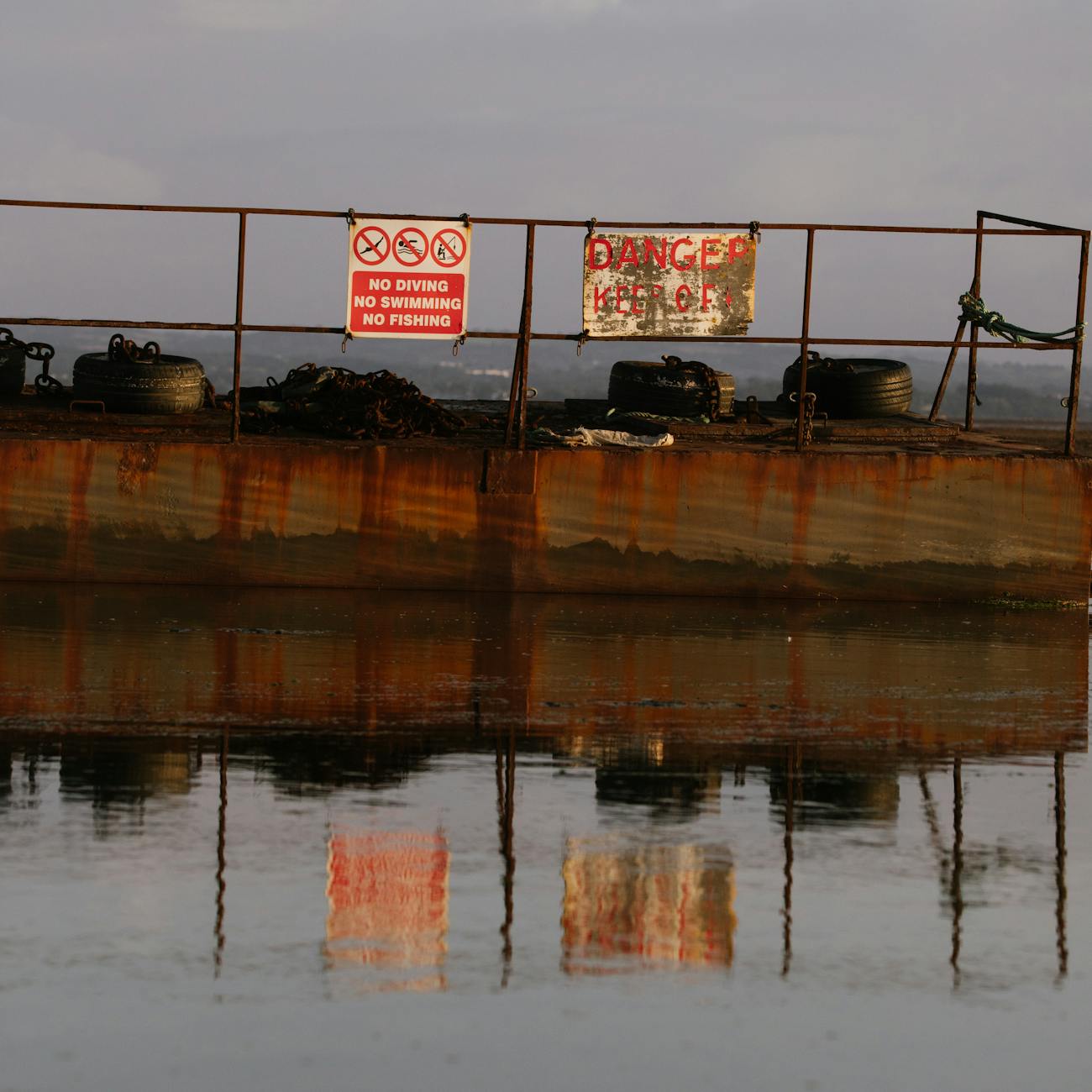
In the Global Certificate in Marine Water Quality Standards, it is essential to understand the key terms and vocabulary related to the Impact of Pollution on Marine Ecosystems. This knowledge is crucial to ensure that marine ecosystems are protected and preserved for future generations. Here are some of the essential terms and vocabulary related to the Impact of Pollution on Marine Ecosystems:
1. Marine Pollution: Marine pollution refers to the introduction of harmful substances or energies into the marine environment that cause adverse effects on living resources, marine life, and marine ecosystems. These pollutants can come from various sources, including land-based activities, industrial and agricultural operations, and offshore drilling and shipping. 2. Eutrophication: Eutrophication is the process of excessive nutrient enrichment in the marine environment, which can lead to the overgrowth of algae and other aquatic plants. This process can cause a decrease in water quality, block sunlight from reaching deeper waters, and create "dead zones" where no marine life can survive. 3. Harmful Algal Blooms (HABs): HABs are the overgrowth of toxic algae in the marine environment, which can produce harmful toxins that can be harmful to marine life and human health. These toxins can cause paralysis, respiratory problems, and even death in marine life and can lead to shellfish poisoning in humans. 4. Marine Debris: Marine debris refers to any human-made waste that enters the marine environment. This waste can include plastics, fishing gear, and other litter that can harm marine life and ecosystems. 5. Microplastics: Microplastics are tiny plastic particles that are less than 5mm in size. These particles can come from various sources, including cosmetics, clothing, and larger plastic debris. Microplastics can be ingested by marine life, which can cause physical harm and lead to the accumulation of toxins in the food chain. 6. Oil Spills: Oil spills refer to the release of oil into the marine environment, which can have devastating effects on marine life and ecosystems. Oil spills can occur due to accidents during oil drilling, transportation, or refining. 7. Acidification: Ocean acidification is the decrease in the pH level of the ocean due to the absorption of carbon dioxide (CO2) from the atmosphere. This process can have adverse effects on marine life, including coral reefs, shellfish, and other calcifying organisms. 8. Heavy Metals: Heavy metals are toxic substances that can accumulate in the marine environment and cause harm to marine life and ecosystems. These metals can come from various sources, including industrial and agricultural activities, mining, and urban runoff. 9. Persistent Organic Pollutants (POPs): POPs are toxic chemicals that can persist in the marine environment for long periods. These pollutants can accumulate in the fatty tissues of marine life, leading to reproductive problems, immune system suppression, and even death. 10. Biomagnification: Biomagnification is the process by which toxic substances accumulate in the tissues of organisms as they move up the food chain. This process can lead to high levels of toxins in top predators, such as sharks and dolphins.
Examples of the Impact of Pollution on Marine Ecosystems:
* The 2010 Deepwater Horizon oil spill in the Gulf of Mexico resulted in the release of millions of barrels of oil into the marine environment, causing significant harm to marine life and ecosystems. * The Great Barrier Reef, the world's largest coral reef system, has been severely impacted by ocean acidification, coral bleaching, and other forms of pollution. * The Mediterranean Sea is one of the most polluted seas in the world, with high levels of nutrient enrichment, heavy metals, and plastic debris.
Practical Applications and Challenges:
* Reducing marine pollution requires a multi-faceted approach, including reducing the use of harmful chemicals, improving waste management practices, and promoting sustainable development. * Monitoring and regulating marine pollution is a significant challenge, as the marine environment is vast and complex. * Addressing ocean acidification requires reducing greenhouse gas emissions, which can be challenging due to the global nature of the issue. * Cleaning up marine debris and microplastics requires significant resources and collaborative efforts between governments, industry, and civil society.
In conclusion, the Impact of Pollution on Marine Ecosystems is a critical issue that requires a comprehensive understanding of key terms and vocabulary. By understanding these terms, we can better appreciate the challenges and practical applications needed to protect and preserve marine ecosystems for future generations.
Key takeaways
- In the Global Certificate in Marine Water Quality Standards, it is essential to understand the key terms and vocabulary related to the Impact of Pollution on Marine Ecosystems.
- Marine Pollution: Marine pollution refers to the introduction of harmful substances or energies into the marine environment that cause adverse effects on living resources, marine life, and marine ecosystems.
- * The 2010 Deepwater Horizon oil spill in the Gulf of Mexico resulted in the release of millions of barrels of oil into the marine environment, causing significant harm to marine life and ecosystems.
- * Reducing marine pollution requires a multi-faceted approach, including reducing the use of harmful chemicals, improving waste management practices, and promoting sustainable development.
- By understanding these terms, we can better appreciate the challenges and practical applications needed to protect and preserve marine ecosystems for future generations.