
Best Management Practices for Marine Water Quality
Best Management Practices (BMPs) for Marine Water Quality are a set of methods and strategies designed to minimize the negative impact of human activities on marine environments. In this course, you will learn about the key terms and vocabu…
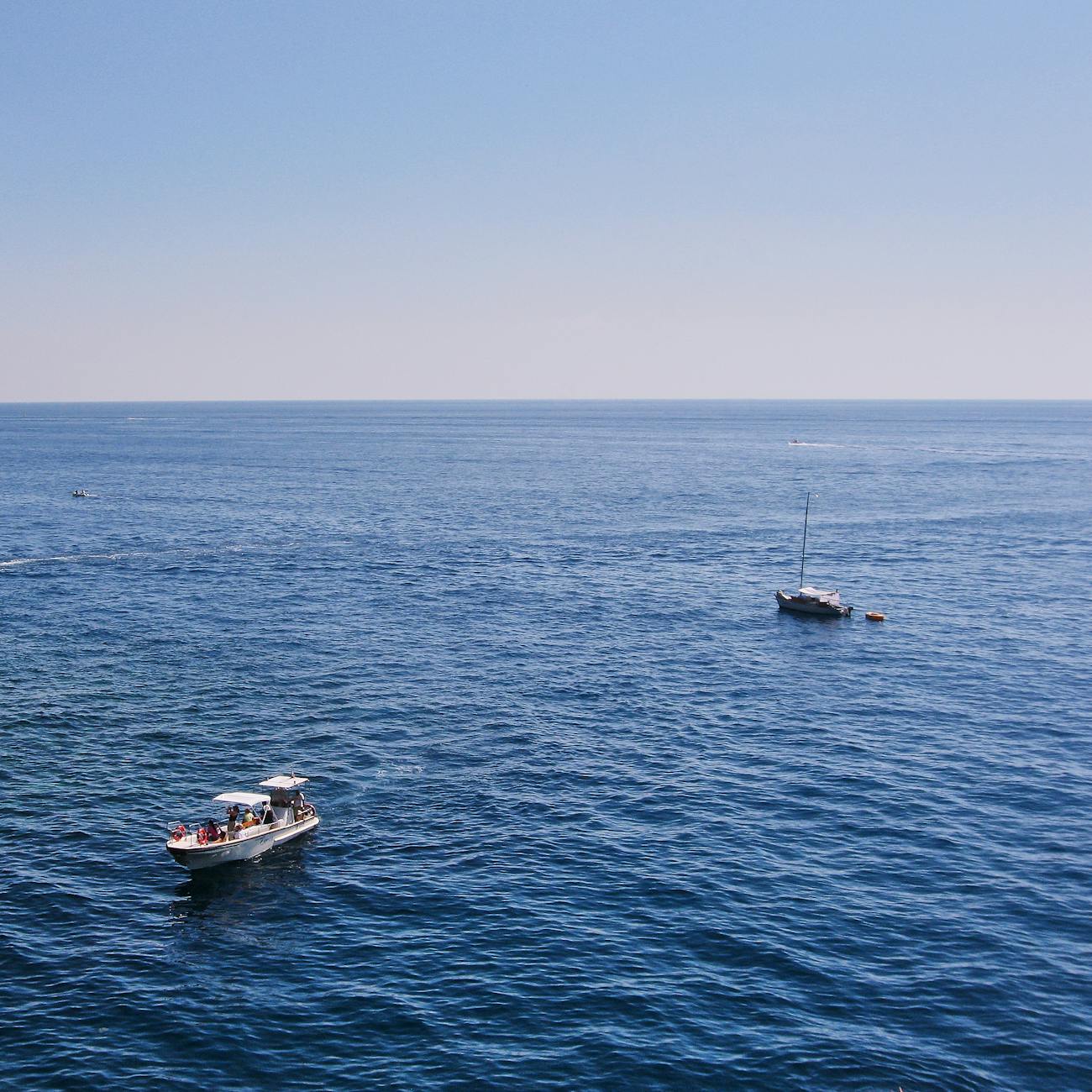
Best Management Practices (BMPs) for Marine Water Quality are a set of methods and strategies designed to minimize the negative impact of human activities on marine environments. In this course, you will learn about the key terms and vocabulary related to BMPs for Marine Water Quality, including:
1. Nonpoint Source Pollution: This type of pollution is caused by runoff from diffuse sources, such as agricultural lands, urban areas, and forests. It is one of the biggest threats to marine water quality and can include pollutants such as nutrients, sediments, and chemicals. 2. Point Source Pollution: This type of pollution comes from a single, identifiable source, such as a pipe or a sewage treatment plant. Point source pollution is typically easier to control than nonpoint source pollution. 3. Nutrient Management: This is the practice of managing the amount and type of nutrients, such as nitrogen and phosphorus, that enter marine environments. Excess nutrients can lead to eutrophication, which can cause harmful algal blooms and dead zones. 4. Sediment Control: This is the practice of reducing the amount of sediment that enters marine environments. Sediment can smother marine life, block sunlight, and damage habitats. 5. Stormwater Management: This is the practice of managing runoff from rain and snow events to prevent pollution from entering marine environments. 6. Total Maximum Daily Load (TMDL): A TMDL is the maximum amount of a pollutant that a water body can receive while still meeting water quality standards. 7. Green Infrastructure: This refers to practices that use natural systems, such as rain gardens and wetlands, to manage stormwater and improve water quality. 8. Low Impact Development (LID): This is a design approach that aims to minimize the impact of development on the environment by using techniques such as permeable pavement and bioretention systems. 9. Watershed Management: This is the practice of managing water resources on a watershed basis, taking into account the interconnectedness of land and water. 10. Public Education and Outreach: This is an important component of BMPs for Marine Water Quality, as it helps to raise awareness about the importance of protecting marine environments and encourages behavior change.
Examples and Practical Applications:
* An example of a BMP for nonpoint source pollution is the use of buffer strips along agricultural fields to filter out pollutants before they enter waterways. * An example of a BMP for point source pollution is the use of advanced wastewater treatment technologies to remove nutrients and other pollutants from sewage. * An example of a BMP for nutrient management is the use of best management practices for fertilizer application to reduce the amount of nitrogen and phosphorus that enters waterways. * An example of a BMP for sediment control is the use of sediment ponds to capture sediment from construction sites. * An example of a BMP for stormwater management is the use of green infrastructure, such as rain gardens and bioretention systems, to manage runoff from rain and snow events. * An example of a TMDL is the amount of nitrogen that can enter the Chesapeake Bay while still meeting water quality standards. * An example of green infrastructure is the use of permeable pavement in parking lots to allow rainwater to infiltrate into the ground. * An example of LID is the use of bioretention systems in new development to manage stormwater runoff. * An example of watershed management is the development of a watershed management plan for a specific river basin. * An example of public education and outreach is the development of educational materials about marine water quality for use in schools and community groups.
Challenges:
* Marine water quality is affected by multiple stressors, including climate change, sea level rise, and ocean acidification, making it challenging to manage. * Marine water quality management requires a coordinated approach that involves multiple stakeholders, including government agencies, industry, and the public. * Marine water quality management can be expensive, and funding can be a challenge. * Marine water quality management requires ongoing monitoring and evaluation to ensure that BMPs are effective. * Marine water quality management requires public engagement and support to be successful.
In conclusion, the key terms and vocabulary related to BMPs for Marine Water Quality are important to understand in order to effectively protect marine environments. By implementing BMPs, we can reduce the negative impact of human activities on marine water quality, protect marine habitats and species, and ensure that marine resources are available for future generations. However, marine water quality management is not without its challenges, and ongoing efforts are needed to address these challenges and ensure the long-term sustainability of marine environments.
Key takeaways
- Best Management Practices (BMPs) for Marine Water Quality are a set of methods and strategies designed to minimize the negative impact of human activities on marine environments.
- Public Education and Outreach: This is an important component of BMPs for Marine Water Quality, as it helps to raise awareness about the importance of protecting marine environments and encourages behavior change.
- * An example of a BMP for nutrient management is the use of best management practices for fertilizer application to reduce the amount of nitrogen and phosphorus that enters waterways.
- * Marine water quality management requires a coordinated approach that involves multiple stakeholders, including government agencies, industry, and the public.
- By implementing BMPs, we can reduce the negative impact of human activities on marine water quality, protect marine habitats and species, and ensure that marine resources are available for future generations.