
Drone Navigation and Flight Planning
Drone Navigation and Flight Planning are crucial aspects of drone technology engineering. In this explanation, we will discuss key terms and vocabulary related to these topics.
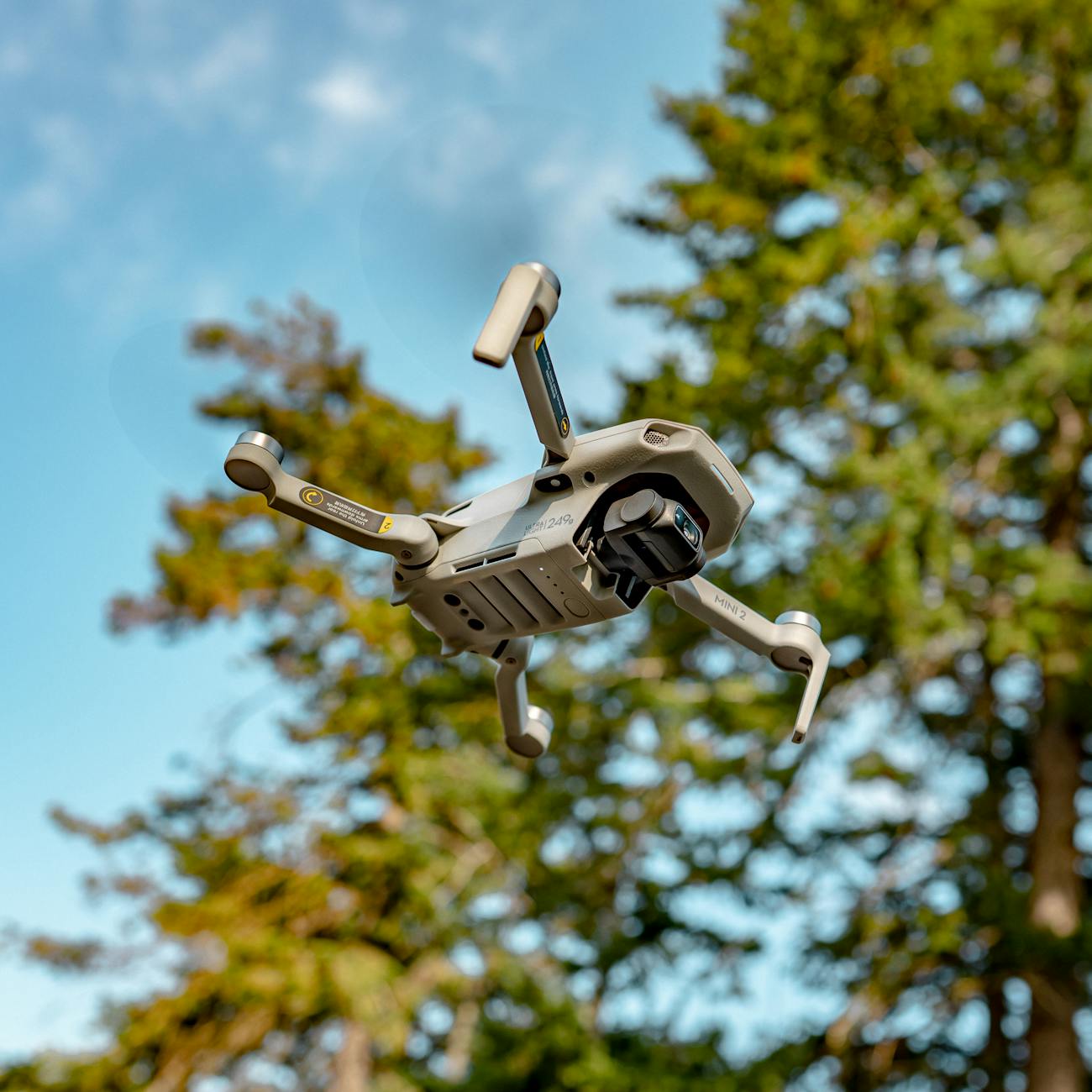
Drone Navigation and Flight Planning are crucial aspects of drone technology engineering. In this explanation, we will discuss key terms and vocabulary related to these topics.
1. Drone Navigation: Drone navigation refers to the ability of a drone to determine its position and orientation, and to plan and execute a flight path. This is achieved through a combination of sensors, processors, and software.
Sensors: Drones use various sensors to navigate, including accelerometers, gyroscopes, magnetometers, barometers, and Global Positioning Systems (GPS).
* Accelerometers measure the drone's acceleration and help to maintain stability during flight. * Gyroscopes measure the drone's angular velocity and help to maintain orientation. * Magnetometers measure the drone's heading relative to the Earth's magnetic field. * Barometers measure atmospheric pressure and help to maintain altitude. * GPS provides location information and helps to navigate.
Processors: Drones use processors to interpret sensor data and make decisions about flight control. This includes calculating the drone's position, orientation, and velocity.
Software: Drones use software to plan and execute flight paths. This includes setting waypoints, avoiding obstacles, and adjusting flight parameters.
2. Flight Planning: Flight planning refers to the process of determining the flight path and parameters for a drone mission. This includes setting waypoints, determining altitude, setting flight modes, and ensuring safety and legality.
Waypoints: Waypoints are predetermined points on a flight path that the drone will follow. These can be set manually or automatically using software.
Altitude: Altitude refers to the height above ground level that the drone will fly at. This is an important consideration for safety, legality, and image quality.
Flight Modes: Drones have several flight modes, including manual, GPS, and autonomous.
* Manual mode allows the pilot to manually control the drone's movements. * GPS mode uses GPS to maintain the drone's position and allow for easier control. * Autonomous mode allows the drone to fly independently, using software to navigate and execute flight plans.
Safety: Safety is a key consideration in flight planning. This includes ensuring that the drone is flown in accordance with local regulations, avoiding obstacles, and maintaining a safe distance from people and property.
Legality: Legality is another important consideration in flight planning. This includes ensuring that the drone is flown in accordance with local regulations, obtaining necessary permissions, and avoiding restricted airspace.
Challenges:
* Sensor accuracy: Sensor accuracy can be affected by factors such as temperature, interference, and damage. This can impact drone navigation and flight stability. * Software bugs: Software bugs can cause unexpected behavior in drone navigation and flight planning. Regular software updates and testing can help to mitigate this risk. * Regulations: Drone regulations vary by country and region, and can be complex and subject to change. It is important to stay up-to-date with local regulations and ensure compliance. * Interference: Interference from other devices, such as mobile phones and Wi-Fi networks, can impact drone navigation and communication. It is important to minimize interference and ensure clear communication channels.
Example:
Imagine a drone engineer is planning a flight mission to capture high-resolution images of a construction site. The engineer would first plan the flight path, setting waypoints and determining altitude. They would also ensure that the drone is flown in accordance with local regulations and obtain any necessary permissions. During the flight, the drone would use sensors to maintain stability and navigate, while software would execute the flight plan and adjust flight parameters as needed. The engineer would monitor the drone's progress and ensure safety throughout the mission.
Conclusion:
Drone navigation and flight planning are complex topics that require a solid understanding of sensors, processors, software, and regulations. By understanding key terms and vocabulary, drone engineers can plan and execute successful flight missions while ensuring safety and legality. Challenges such as sensor accuracy, software bugs, regulations, and interference must be considered and addressed to ensure successful drone operations.
Key takeaways
- Drone Navigation and Flight Planning are crucial aspects of drone technology engineering.
- Drone Navigation: Drone navigation refers to the ability of a drone to determine its position and orientation, and to plan and execute a flight path.
- Sensors: Drones use various sensors to navigate, including accelerometers, gyroscopes, magnetometers, barometers, and Global Positioning Systems (GPS).
- * Accelerometers measure the drone's acceleration and help to maintain stability during flight.
- Processors: Drones use processors to interpret sensor data and make decisions about flight control.
- This includes setting waypoints, avoiding obstacles, and adjusting flight parameters.
- Flight Planning: Flight planning refers to the process of determining the flight path and parameters for a drone mission.