
Drone Regulations and Ethics
Drone Regulations:
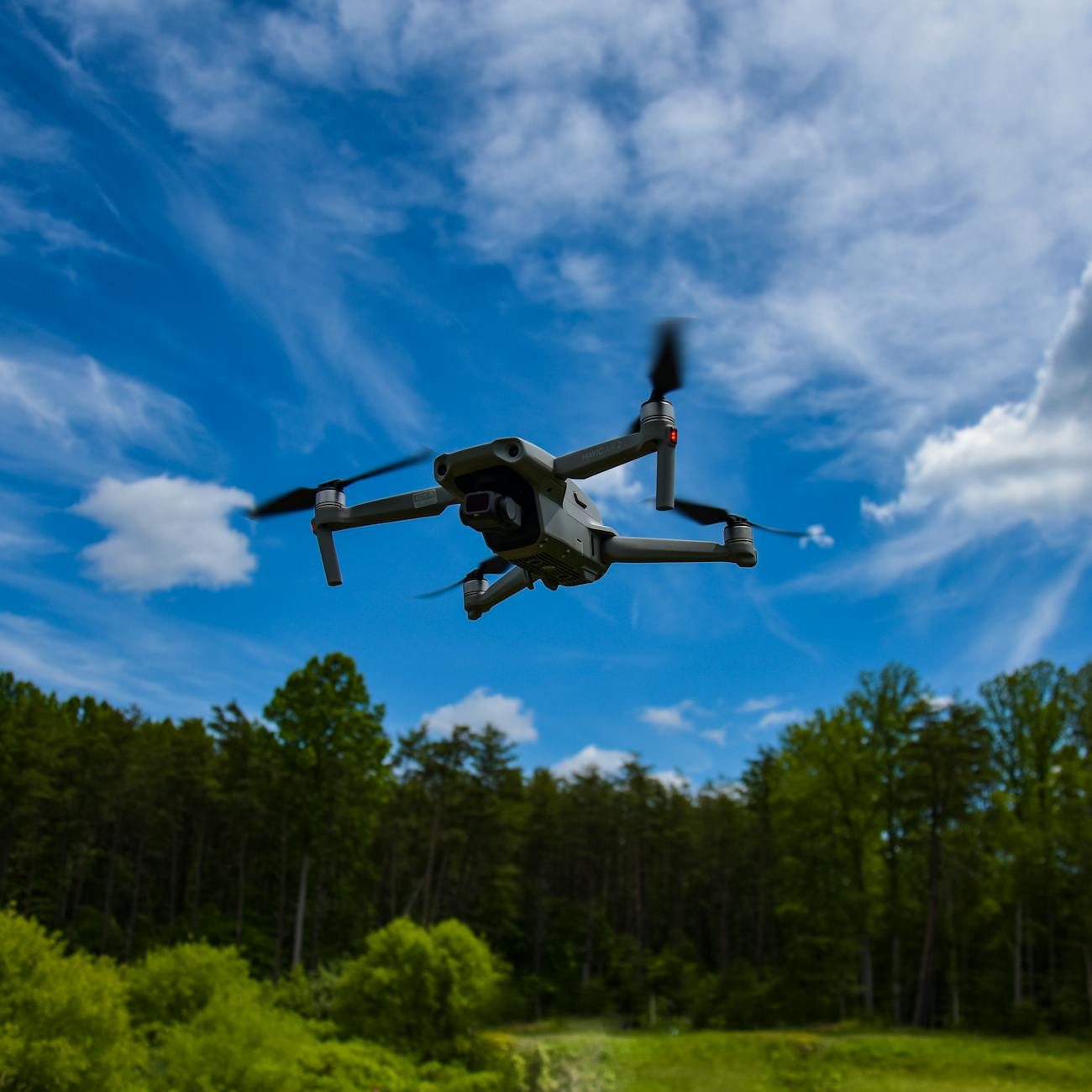
Drone Regulations:
Drone regulations refer to the rules and guidelines established by regulatory bodies, such as the Federal Aviation Administration (FAA) in the United States, to ensure the safe and legal operation of unmanned aerial vehicles (UAVs), also known as drones. These regulations cover various aspects of drone operation, including airspace restrictions, pilot certification, and equipment requirements.
One key regulation is the requirement for drone pilots to obtain a Remote Pilot Certificate from the FAA. This certificate demonstrates that the pilot has a sufficient understanding of drone operation rules and safety procedures. Additionally, drone pilots must register their aircraft with the FAA and display the registration number on the exterior of the drone.
Another important regulation is the restriction on flying drones in certain airspace classes, such as Class B, C, D, and E, which are typically found near airports. Drone pilots must request and receive authorization from the FAA to fly in these airspace classes. The FAA has also established a drone flight altitude limit of 400 feet above ground level (AGL) for most drone operations.
Drone pilots must also adhere to privacy regulations, which may vary by location. For example, in the United States, drone pilots must operate their aircraft in a manner that respects the privacy of individuals and property. This means avoiding flights over private property without permission and not using drones to capture images or videos of individuals without their consent.
Drone Ethics:
Drone ethics refer to the moral principles that guide the use and operation of drones. These principles are important for ensuring that drone technology is used in a responsible and safe manner, and that the privacy and safety of individuals and communities are protected.
One key ethical principle is the respect for privacy. Drone pilots must avoid using their aircraft to invade the privacy of individuals or capture images or videos without consent. This includes avoiding flights over private property without permission and not using drones to monitor or surveil individuals without a legitimate reason.
Another important ethical principle is the safe and responsible operation of drones. Drone pilots must adhere to all applicable regulations and guidelines, and operate their aircraft in a manner that does not pose a risk to themselves, others, or property. This includes maintaining a safe distance from people, buildings, and other aircraft, and not flying in adverse weather conditions or low visibility.
Additionally, drone pilots must consider the environmental impact of their flights. This includes minimizing the use of fossil fuels, avoiding flights in environmentally sensitive areas, and disposing of drone batteries and other components in an environmentally responsible manner.
Examples and Practical Applications:
Drone regulations and ethics have practical applications in various industries, including photography, agriculture, and emergency response. For example, drone pilots working in photography must obtain the necessary certifications and adhere to privacy regulations when capturing images or videos of individuals or private property. In agriculture, drone pilots must operate their aircraft in a safe and responsible manner, avoiding flights over people, buildings, and other aircraft.
In emergency response, drone pilots must adhere to strict regulations and ethical guidelines when using drones to support search and rescue missions, disaster response, and other emergency operations. This includes obtaining the necessary authorizations and following all safety procedures to ensure the safe and effective use of drones in these critical situations.
Challenges:
One of the main challenges in drone regulations and ethics is the rapid development of drone technology, which can make it difficult for regulatory bodies to keep up with the latest advancements. This has led to a need for flexible and adaptable regulations that can accommodate new drone capabilities and uses.
Another challenge is the potential for drones to be used for malicious purposes, such as spying, smuggling, or terrorism. This has led to a need for strict regulations and ethical guidelines to ensure that drones are used in a responsible and safe manner.
In conclusion, drone regulations and ethics are critical components of the drone technology engineering field. These principles ensure the safe and responsible use of drones, protect the privacy and safety of individuals and communities, and promote the sustainable and environmentally friendly use of drone technology. By adhering to these regulations and ethical guidelines, drone pilots can help to ensure the long-term success and growth of the drone industry.
Key takeaways
- These regulations cover various aspects of drone operation, including airspace restrictions, pilot certification, and equipment requirements.
- Additionally, drone pilots must register their aircraft with the FAA and display the registration number on the exterior of the drone.
- Another important regulation is the restriction on flying drones in certain airspace classes, such as Class B, C, D, and E, which are typically found near airports.
- This means avoiding flights over private property without permission and not using drones to capture images or videos of individuals without their consent.
- These principles are important for ensuring that drone technology is used in a responsible and safe manner, and that the privacy and safety of individuals and communities are protected.
- This includes avoiding flights over private property without permission and not using drones to monitor or surveil individuals without a legitimate reason.
- Drone pilots must adhere to all applicable regulations and guidelines, and operate their aircraft in a manner that does not pose a risk to themselves, others, or property.