
Water Management in Mining
Water management in mining is a critical aspect of environmental management, as the mining process can have significant impacts on water quality and availability. In this explanation, we will discuss key terms and vocabulary related to wate…
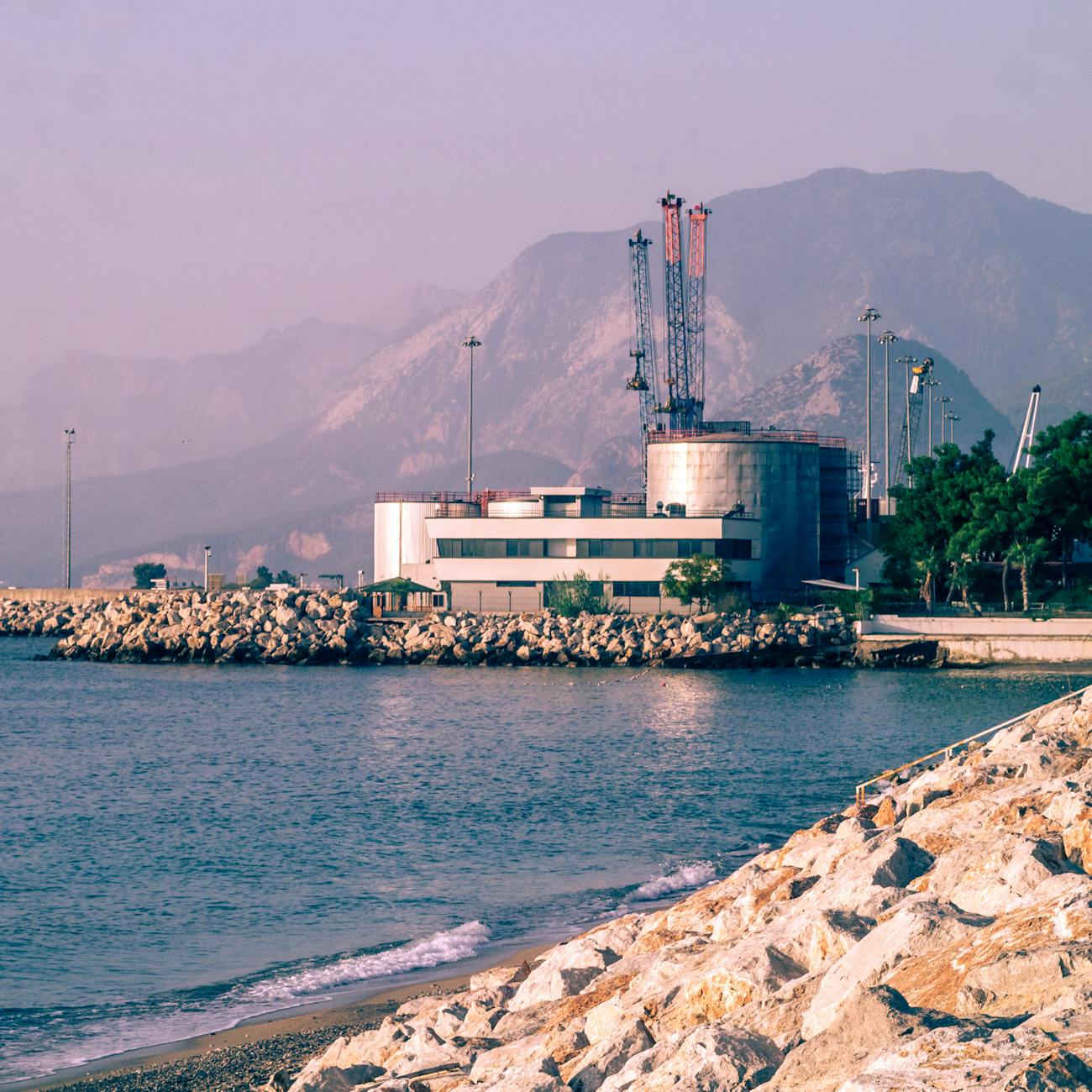
Water management in mining is a critical aspect of environmental management, as the mining process can have significant impacts on water quality and availability. In this explanation, we will discuss key terms and vocabulary related to water management in mining, as part of an Advanced Skill Certificate in Environmental Management for Mining.
Water Management Plan: A water management plan is a comprehensive document that outlines how a mining company will manage water resources during the mining process. The plan should include strategies for monitoring and controlling water quality, preventing water pollution, and ensuring adequate water supply for mining operations and surrounding communities.
Water Quality: Water quality refers to the physical, chemical, and biological characteristics of water that determine its suitability for various uses, such as drinking, irrigation, or recreation. In mining, water quality is a critical concern, as the mining process can release hazardous substances into the water, such as heavy metals, sulfuric acid, and sediments.
Water Quality Criteria: Water quality criteria are standards or guidelines that specify the acceptable levels of contaminants in water for various uses. These criteria are based on scientific research and are established by regulatory agencies to protect public health and the environment.
Water Balance: Water balance refers to the amount of water that enters, leaves, and is stored in a system. In mining, water balance is critical for ensuring that there is adequate water supply for mining operations and preventing waterlogging or flooding.
Groundwater: Groundwater is water that is found beneath the earth's surface, in the pores and cracks of soil and rock formations. Groundwater is an important source of water for mining operations, as well as for surrounding communities.
Aquifer: An aquifer is a geological formation that contains and transmits significant amounts of water. Aquifers are an essential source of groundwater for mining operations and surrounding communities.
Hydrological Modeling: Hydrological modeling is the use of mathematical models to simulate the movement and behavior of water in a system. Hydrological modeling is an essential tool for water management in mining, as it allows mining companies to predict the impact of mining activities on water resources and develop strategies for managing water resources.
Water Recycling: Water recycling is the process of reusing water that has already been used in mining operations. Water recycling is an essential strategy for reducing water consumption and minimizing the impact of mining activities on water resources.
Water Treatment: Water treatment is the process of removing contaminants from water to make it safe for various uses. Water treatment is an essential strategy for managing water quality in mining, as it allows mining companies to remove hazardous substances from water before it is released into the environment.
Passive Water Treatment: Passive water treatment is a type of water treatment that uses natural processes, such as wetlands or sedimentation ponds, to remove contaminants from water. Passive water treatment is an environmentally friendly alternative to traditional water treatment methods.
Monitoring Program: A monitoring program is a systematic approach to collecting and analyzing data on water resources. Monitoring programs are essential for water management in mining, as they allow mining companies to track changes in water quality and quantity over time and adjust water management strategies accordingly.
Best Management Practices (BMPs): Best management practices (BMPs) are strategies or techniques that are designed to prevent or minimize the impact of mining activities on water resources. BMPs may include measures such as sediment control structures, erosion control measures, or water diversion systems.
Acid Mine Drainage (AMD): Acid mine drainage (AMD) is the release of acidic water from mining operations. AMD occurs when minerals in the mining waste react with water and oxygen, forming sulfuric acid. AMD can have significant impacts on water quality, as it can release hazardous substances such as heavy metals and sulfates into the water.
Mine Water: Mine water is water that is found in or around a mine. Mine water can be contaminated with hazardous substances, such as heavy metals or sulfuric acid, and can have significant impacts on water quality.
Water Sampling: Water sampling is the process of collecting water samples for analysis. Water sampling is an essential tool for water management in mining, as it allows mining companies to monitor water quality and quantity over time.
Water Quality Standards: Water quality standards are standards or guidelines that specify the acceptable levels of contaminants in water for various uses. Water quality standards are established by regulatory agencies to protect public health and the environment.
Water Conservation: Water conservation is the practice of using water efficiently and minimizing water waste. Water conservation is an essential strategy for managing water resources in mining, as it allows mining companies to reduce water consumption and minimize the impact of mining activities on water resources.
Water Efficiency: Water efficiency is the practice of using water resources in a way that maximizes their benefit while minimizing their use. Water efficiency is an essential strategy for managing water resources in mining, as it allows mining companies to reduce water consumption and minimize the impact of mining activities on water resources.
Water Footprint: A water footprint is the total amount of water used to produce goods or services. Water footprints are an essential tool for water management in mining, as they allow mining companies to track water use and identify opportunities for reducing water consumption.
Water Rights: Water rights are legal entitlements to use water resources. Water rights are an essential aspect of water management in mining, as they determine who has access to water resources and under what conditions.
Watershed: A watershed is an area of land that drains into a particular body of water. Watersheds are an essential aspect of water management in mining, as they determine the movement and behavior of water in a system.
Integrated Water Management: Integrated water management is a holistic approach to managing water resources that considers the social, economic, and environmental aspects of water use. Integrated water management is an essential strategy for managing water resources in mining, as it allows mining companies to balance the needs of various stakeholders and ensure the long-term sustainability of water resources.
In conclusion, water management in mining is a critical aspect of environmental management that involves a wide range of terms and vocabulary. Understanding these terms and concepts is essential for developing effective water management strategies and minimizing the impact of mining activities on water resources. By implementing best management practices, monitoring water quality and quantity, and using water efficiently, mining companies can ensure the long-term sustainability of water resources and protect public health and the environment.
Key takeaways
- In this explanation, we will discuss key terms and vocabulary related to water management in mining, as part of an Advanced Skill Certificate in Environmental Management for Mining.
- The plan should include strategies for monitoring and controlling water quality, preventing water pollution, and ensuring adequate water supply for mining operations and surrounding communities.
- Water Quality: Water quality refers to the physical, chemical, and biological characteristics of water that determine its suitability for various uses, such as drinking, irrigation, or recreation.
- Water Quality Criteria: Water quality criteria are standards or guidelines that specify the acceptable levels of contaminants in water for various uses.
- In mining, water balance is critical for ensuring that there is adequate water supply for mining operations and preventing waterlogging or flooding.
- Groundwater: Groundwater is water that is found beneath the earth's surface, in the pores and cracks of soil and rock formations.
- Aquifer: An aquifer is a geological formation that contains and transmits significant amounts of water.