
Environmental Compliance and Monitoring in Mining
In the mining industry, environmental compliance and monitoring are critical components of responsible resource extraction. This glossary provides detailed explanations of key terms and vocabulary related to environmental compliance and mon…
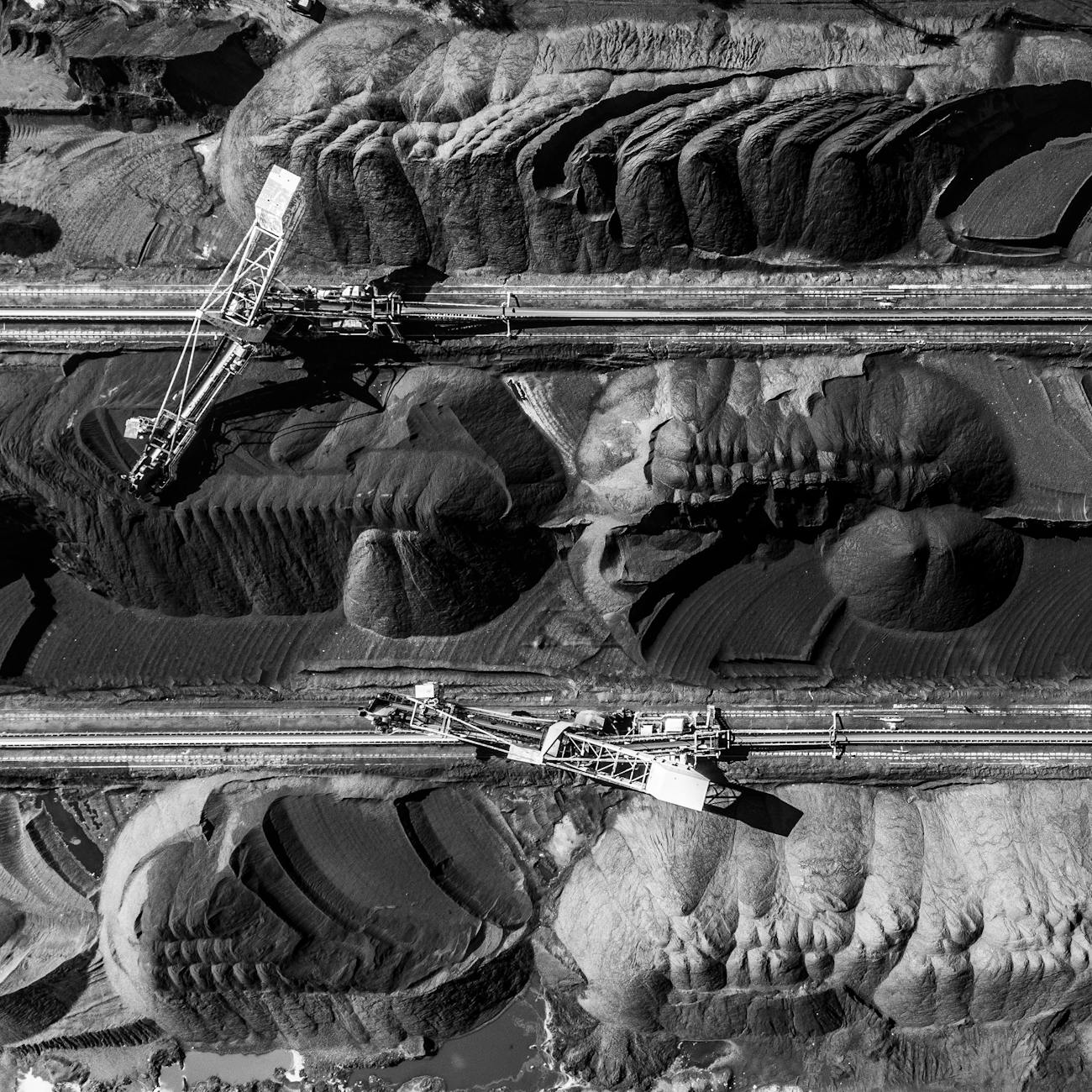
In the mining industry, environmental compliance and monitoring are critical components of responsible resource extraction. This glossary provides detailed explanations of key terms and vocabulary related to environmental compliance and monitoring in mining, as part of an Advanced Skill Certificate in Environmental Management for Mining.
1. Environmental Compliance: The practice of adhering to environmental laws, regulations, and standards, as well as company policies and procedures, related to the mining industry. 2. Monitoring: The continuous or periodic observation, measurement, and evaluation of environmental parameters, such as air and water quality, to ensure compliance and identify potential issues. 3. Environmental Impact Assessment (EIA): A systematic process of evaluating the potential environmental impacts of a proposed mining project, including both positive and negative effects. 4. Mine Closure Plan: A comprehensive plan detailing the steps required to safely close a mining operation, restore the site, and manage long-term environmental risks. 5. Environmental Management System (EMS): A framework of policies, practices, procedures, and systems designed to manage and minimize a mining operation's environmental impacts. 6. Environmental Audit: A systematic, independent, and documented review of an organization's environmental performance, management systems, and compliance with relevant laws and regulations. 7. Biodiversity: The variety and variability of living organisms and ecosystems, which mining operations have an obligation to protect and preserve. 8. Reclamation: The process of restoring a mining site to a stable, sustainable, and safe condition, after mining activities have ceased. 9. Tailings: The waste material produced during the mineral processing and extraction stages of mining, often containing residual chemicals and heavy metals. 10. Acid Mine Drainage (AMD): The outflow of acidic water from a mining site, caused by the exposure of sulfide-containing minerals to air and water, leading to the formation of sulfuric acid. 11. Water Quality Criteria: The scientifically established limits for specific physical, chemical, and biological parameters, used to determine the suitability of water for various uses. 12. Air Quality Standards: The permissible levels of pollutants in the air, set by regulatory agencies to protect public health and the environment. 13. Noise Pollution: Unwanted or disturbing sounds that negatively impact human health, quality of life, or the environment, often resulting from mining operations. 14. Greenhouse Gases (GHGs): Gases, such as carbon dioxide and methane, that contribute to global warming and climate change, often emitted during mining operations. 15. Carbon Footprint: The total amount of greenhouse gases emitted directly or indirectly to support human activities, including mining operations. 16. Life Cycle Assessment (LCA): A comprehensive evaluation of the environmental impacts of a product or process, from raw material extraction to disposal. 17. Sustainable Mining: The responsible extraction of minerals and metals, with a focus on minimizing environmental impacts, promoting social responsibility, and ensuring economic viability. 18. Corporate Social Responsibility (CSR): The ethical and transparent management of a mining company's social, environmental, and economic impacts, in alignment with stakeholder expectations. 19. Stakeholder Engagement: The process of involving and consulting with various stakeholders, such as local communities, indigenous peoples, and government agencies, in mining decision-making processes. 20. Public Participation: The opportunity for members of the public to provide input, feedback, and comments on mining projects, policies, and decisions. 21. Environmental Liabilities: Potential financial obligations and legal responsibilities that a mining company may incur due to environmental damage, non-compliance, or cleanup costs. 22. Risk Management: The process of identifying, assessing, and prioritizing environmental risks, and implementing measures to mitigate or eliminate those risks. 23. Contaminated Sites: Areas of land or water that have been polluted or contaminated by mining activities, requiring remediation and restoration. 24. Hazardous Materials: Substances that pose a risk to human health or the environment, often used or produced during mining operations. 25. Emergency Response Plan: A comprehensive plan outlining the steps to be taken in the event of an environmental emergency, such as a spill or accident, at a mining site.
Environmental Compliance and Monitoring in Mining:
Environmental compliance and monitoring in mining involve adhering to environmental regulations, standards, and best practices, as well as continuously assessing and managing the environmental impacts of mining operations. Compliance ensures that mining companies operate within legal and ethical boundaries, while monitoring helps identify potential issues and opportunities for improvement.
Environmental Impact Assessment (EIA):
An Environmental Impact Assessment (EIA) is a systematic process of evaluating the potential environmental impacts of a proposed mining project. The EIA considers both positive and negative effects, such as habitat destruction, water pollution, and socioeconomic impacts on local communities. By identifying and addressing these impacts early in the project planning phase, mining companies can minimize negative consequences and maximize the potential benefits of mining activities.
Mine Closure Plan:
A Mine Closure Plan is a comprehensive strategy outlining the steps required to safely close a mining operation, restore the site, and manage long-term environmental risks. This plan typically includes reclamation activities, such as landform grading, topsoil replacement, and revegetation, as well as the decommissioning and removal of mining infrastructure. By developing and implementing a robust Mine Closure Plan, mining companies can minimize their environmental footprint and ensure the sustainability of post-mining land use.
Environmental Management System (EMS):
An Environmental Management System (EMS) is a framework of policies, practices, procedures, and systems designed to manage and minimize a mining operation's environmental impacts. An EMS typically includes elements such as environmental policy, objectives and targets, operational controls, and performance monitoring and reporting. By implementing an EMS, mining companies can demonstrate their commitment to environmental stewardship, improve their environmental performance, and ensure compliance with relevant laws and regulations.
Environmental Audit:
An Environmental Audit is a systematic, independent, and documented review of an organization's environmental performance, management systems, and compliance with relevant laws and regulations. Environmental audits may be conducted internally, by company employees, or externally, by third-party auditors. By undergoing regular environmental audits, mining companies can identify areas for improvement, ensure compliance with environmental standards, and promote continuous improvement in their environmental performance.
Biodiversity:
Biodiversity refers to the variety and variability of living organisms and ecosystems. Mining operations have an obligation to protect and preserve biodiversity, as the loss of natural habitats and species can have significant ecological, social, and economic consequences. By incorporating biodiversity considerations into their EIAs and EMSs, mining companies can minimize their impact on local ecosystems and contribute to the conservation of global biodiversity.
Reclamation:
Reclamation is the process of restoring a mining site to a stable, sustainable, and safe condition, after mining activities have ceased. Reclamation activities may include landform grading, topsoil replacement, and revegetation, as well as the removal of mining infrastructure and hazardous materials. By investing in reclamation efforts, mining companies can minimize their environmental footprint, promote the sustainable use of land and resources, and contribute to the long-term well-being of local communities.
Tailings:
Tailings are the waste material produced during the mineral processing and extraction stages of mining, often containing residual chemicals and heavy metals. The safe and responsible management of tailings is critical to minimizing environmental impacts and ensuring the long-term sustainability of mining operations. This may include the use of tailings storage facilities, such as tailings ponds or dams, as well as the implementation of best practices for tailings disposal, treatment, and monitoring.
Acid Mine Drainage (AMD):
Acid Mine Drainage (AMD) is the outflow of acidic water from
Key takeaways
- This glossary provides detailed explanations of key terms and vocabulary related to environmental compliance and monitoring in mining, as part of an Advanced Skill Certificate in Environmental Management for Mining.
- Stakeholder Engagement: The process of involving and consulting with various stakeholders, such as local communities, indigenous peoples, and government agencies, in mining decision-making processes.
- Environmental compliance and monitoring in mining involve adhering to environmental regulations, standards, and best practices, as well as continuously assessing and managing the environmental impacts of mining operations.
- By identifying and addressing these impacts early in the project planning phase, mining companies can minimize negative consequences and maximize the potential benefits of mining activities.
- This plan typically includes reclamation activities, such as landform grading, topsoil replacement, and revegetation, as well as the decommissioning and removal of mining infrastructure.
- By implementing an EMS, mining companies can demonstrate their commitment to environmental stewardship, improve their environmental performance, and ensure compliance with relevant laws and regulations.
- By undergoing regular environmental audits, mining companies can identify areas for improvement, ensure compliance with environmental standards, and promote continuous improvement in their environmental performance.