
Marine Salvage Risk Assessment and Management
Marine salvage operations involve a complex array of activities, including the removal of wrecks, cargo recovery, and refloating of stranded vessels. A critical component of these operations is the risk assessment process, which aims to ide…
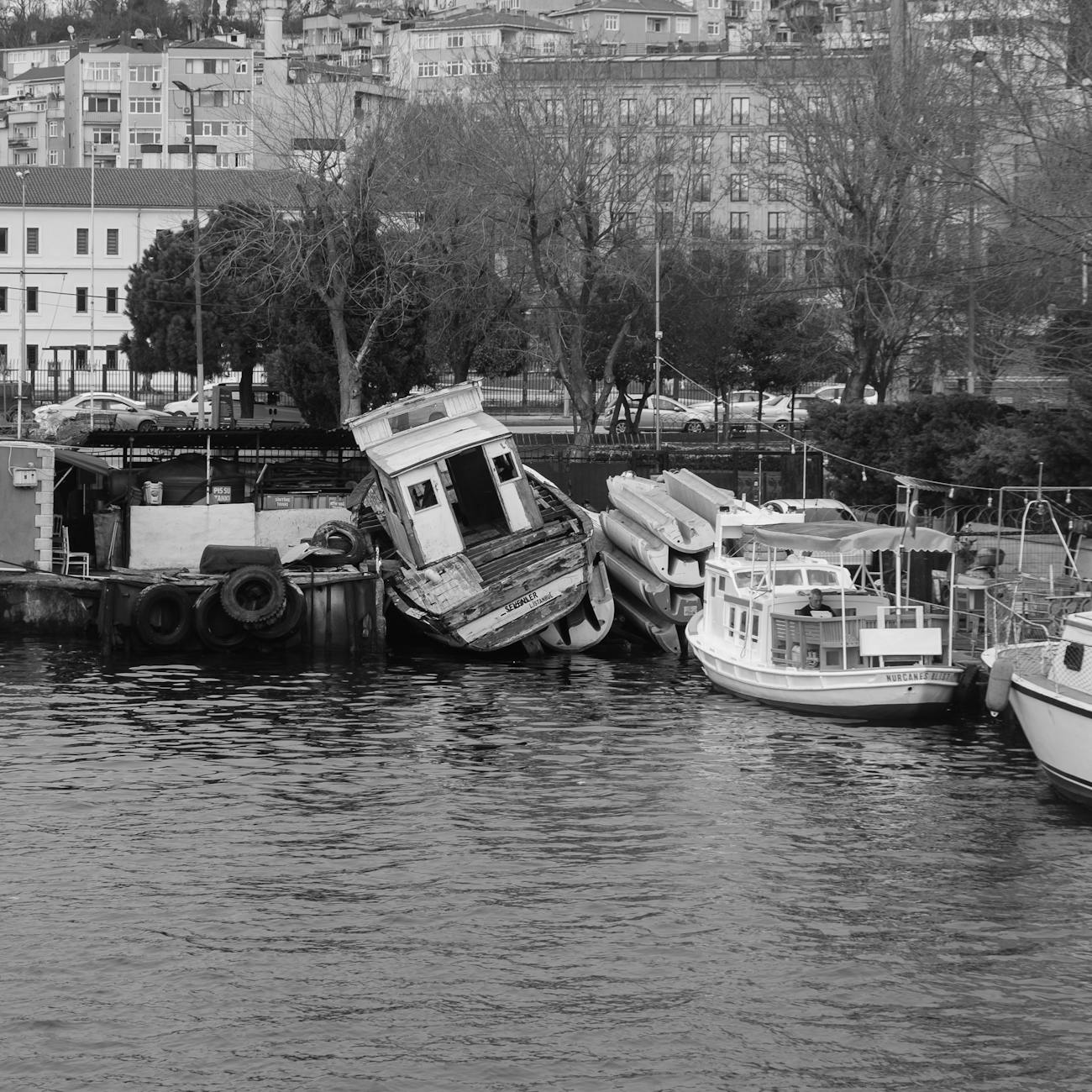
Marine salvage operations involve a complex array of activities, including the removal of wrecks, cargo recovery, and refloating of stranded vessels. A critical component of these operations is the risk assessment process, which aims to identify, analyze, and mitigate potential hazards. Effective risk management is essential to ensure the safety of personnel, the environment, and the salvage equipment.
In the context of marine salvage, hazard identification is the process of recognizing potential dangers, such as unstable vessel structures, hazardous materials, and adverse weather conditions. This is typically achieved through a combination of visual inspections, technical assessments, and historical research. For example, a salvage team may conduct an on-site survey to identify potential hazards, such as damaged propellers or explosive materials, and then develop strategies to mitigate these risks.
The next stage of the risk assessment process involves analyzing the identified hazards to determine their likelihood and potential impact. This is often achieved through the use of probability-impact matrices, which provide a systematic approach to evaluating and prioritizing risks. By considering the likelihood and potential consequences of each hazard, salvage teams can develop targeted mitigation strategies to minimize risks and ensure a successful operation.
Effective communication is also critical to the risk management process, as it enables salvage teams to share information, coordinate activities, and respond to emerging risks. This may involve regular briefings, progress updates, and emergency alerts, as well as the use of standardized terminology and communication protocols. For instance, a salvage team may use a standardized system of hand signals and radio communications to coordinate the lifting of a stranded vessel.
In addition to these general principles, marine salvage operations also involve a range of technical considerations, including the use of specialized equipment, such as cranes, pumps, and towing gear. Salvage teams must also be familiar with relevant regulations and standards, such as those related to environmental protection, safety, and wreck removal. For example, a salvage team may need to comply with international regulations regarding the disposal of hazardous materials, such as oil or chemicals.
The use of simulation models and predictive analytics is also becoming increasingly important in marine salvage operations, as these tools enable teams to simulate different scenarios, predict potential outcomes, and optimize their response strategies. For instance, a salvage team may use a simulation model to predict the behavior of a stranded vessel in different weather conditions, and then develop a tailored response plan to minimize risks and ensure a successful recovery.
Despite these advances, marine salvage operations remain inherently complex and unpredictable, and salvage teams must be prepared to adapt to changing circumstances and unexpected challenges. This may involve developing contingency plans and emergency procedures, as well as maintaining a flexible and responsive approach to risk management. For example, a salvage team may need to respond to a sudden change in weather conditions, such as a storm or tidal surge, by adjusting their tactics and strategies to ensure the safety of personnel and equipment.
In terms of environmental considerations, marine salvage operations must also take into account the potential impacts on marine ecosystems and wildlife habitats. This may involve conducting environmental impact assessments and developing mitigation measures to minimize harm to the environment. For instance, a salvage team may need to implement measures to prevent oil spills or chemical contamination, such as using containment booms or absorbent materials.
The economic aspects of marine salvage operations are also significant, as these operations can have major implications for shipping companies, insurance providers, and port authorities. Salvage teams must therefore be aware of the commercial considerations involved, including the costs of equipment, personnel, and logistical support. For example, a salvage team may need to negotiate with stakeholders to secure funding or resources, or to develop a business case for a particular salvage operation.
In addition to these technical, environmental, and economic considerations, marine salvage operations also involve a range of social factors, including the impact on local communities and stakeholder groups. Salvage teams must therefore be sensitive to the social implications of their operations, and develop communication strategies to engage with local residents and interest groups. For instance, a salvage team may need to conduct public outreach and education programs to inform local communities about the salvage operation and its potential impacts.
The human factors involved in marine salvage operations are also critical, as these operations often involve high-stress and high-risk activities. Salvage teams must therefore be aware of the psychological and physiological demands of these operations, and develop training programs to enhance the performance and safety of personnel. For example, a salvage team may need to provide stress management and team-building training to enhance the cohesion and effectiveness of the team.
In terms of technology and innovation, marine salvage operations are increasingly leveraging advances in remote-operated vehicles, autonomous systems, and data analytics to enhance the efficiency and safety of operations. For instance, a salvage team may use remotely operated vehicles to inspect and recover wreckage in deep-water or hazardous environments, or use data analytics to predict and prevent equipment failures or accidents.
The use of artificial intelligence and machine learning is also becoming more prevalent in marine salvage operations, as these technologies enable teams to analyze and interpret large datasets, predict and simulate different scenarios, and optimize their response strategies. For example, a salvage team may use machine learning algorithms to predict the behavior of a stranded vessel in different weather conditions, or to identify and mitigate potential risks and hazards.
Despite these advances, marine salvage operations remain challenging and complex, and salvage teams must be prepared to adapt to changing circumstances and unexpected challenges.
In terms of best practices and industry standards, marine salvage operations must comply with a range of regulations and guidelines, such as those related to safety, environmental protection, and wreck removal. Salvage teams must therefore be aware of the latest developments and best practices in the industry, and develop standard operating procedures to ensure compliance with these regulations and standards. For instance, a salvage team may need to develop a quality management system to ensure the quality and safety of their operations, or to implement a safety management system to minimize the risk of accidents and injuries.
The role of insurance is also critical in marine salvage operations, as insurance providers often play a key role in funding and managing these operations. Salvage teams must therefore be aware of the insurance implications of their operations, and develop relationships with insurance providers to secure funding and support. For example, a salvage team may need to negotiate with insurance companies to secure funding for a salvage operation, or to develop a claims management process to handle insurance claims and disputes.
In terms of case studies and real-world examples, marine salvage operations provide a rich source of lessons learned and best practices. For instance, the salvage of the Costa Concordia cruise ship in 2012 provides a classic example of a complex and challenging salvage operation, which involved the use of advanced technologies and innovative techniques to refloat and recover the vessel. Similarly, the salvage of the Titanic wreck in 1985 provides an example of a deep-water salvage operation, which involved the use of remotely operated vehicles and autonomous systems to locate and recover the wreckage.
The future of marine salvage operations is likely to be shaped by a range of technological, environmental, and socio-economic factors, including advances in remote-operated vehicles, autonomous systems, and data analytics. As the industry continues to evolve, salvage teams must be prepared to adapt to changing circumstances and emerging challenges, and to develop new technologies and innovative strategies to enhance the efficiency and safety of marine salvage operations. For example, the use of artificial intelligence and machine learning is likely to become more prevalent in marine salvage operations, as these technologies enable teams to analyze and interpret large datasets, predict and simulate different scenarios, and optimize their response strategies.
In terms of training and education, marine salvage operations require a range of technical, practical, and theoretical skills, including knowledge of safety procedures, emergency response, and environmental regulations. Salvage teams must therefore have access to high-quality training programs and educational resources, which provide the necessary skills and knowledge to perform these complex and challenging operations. For example, a salvage team may need to participate in simulation training and emergency response exercises to develop their response skills and preparedness for different scenarios.
The importance of collaboration and communication is also critical in marine salvage operations, as these operations often involve multiple stakeholders and interest groups. Salvage teams must therefore be able to communicate effectively with these stakeholders, and develop collaborative relationships to ensure the success and safety of the operation. For example, a salvage team may need to work with local authorities and emergency services to develop a response plan and emergency procedures for a particular salvage operation.
In terms of challenges and limitations, marine salvage operations are often complex and unpredictable, and salvage teams must be prepared to adapt to changing circumstances and unexpected challenges. These operations can also be high-risk and high-stress, and salvage teams must be aware of the physical and psychological demands of these operations. For example, a salvage team may need to work in adverse weather conditions or hazardous environments, and must be prepared to respond to emergencies and accidents at any time.
The role of regulation and industry standards is also critical in marine salvage operations, as these operations must comply with a range of regulations and guidelines, such as those related to safety, environmental protection, and wreck removal.
In terms of future developments and emerging trends, marine salvage operations are likely to be shaped by a range of technological, environmental, and socio-economic factors, including advances in remote-operated vehicles, autonomous systems, and data analytics.
The importance of sustainability and environmental responsibility is also critical in marine salvage operations, as these operations can have significant impacts on marine ecosystems and wildlife habitats. Salvage teams must therefore be aware of the environmental implications of their operations, and develop sustainable practices and environmental management systems to minimize harm to the environment. For example, a salvage team may need to implement measures to prevent oil spills or chemical contamination, or to develop waste management plans to minimize the impact of their operations on the environment.
In terms of stakeholder engagement and community involvement, marine salvage operations often involve multiple stakeholders and interest groups, including local communities, environmental groups, and industry stakeholders.
The importance of safety and risk management is also critical in marine salvage operations, as these operations can be high-risk and high-stress. Salvage teams must therefore be aware of the physical and psychological demands of these operations, and develop safety management systems and risk management plans to minimize the risk of accidents and injuries. For example, a salvage team may need to develop a safety protocol for working in adverse weather conditions or hazardous environments, or to implement a fatigue management system to minimize the risk of fatigue-related accidents.
In terms of lessons learned and best practices, marine salvage operations provide a rich source of case studies and real-world examples of successful and unsuccessful operations. Salvage teams must therefore be able to analyze and interpret these case studies, and develop best practices and standard operating procedures to enhance the efficiency and safety of marine salvage operations. For example, a salvage team may need to conduct a post-operational review to identify lessons learned and areas for improvement, or to develop a knowledge management system to capture and share best practices and expertise within the industry.
Key takeaways
- Marine salvage operations involve a complex array of activities, including the removal of wrecks, cargo recovery, and refloating of stranded vessels.
- In the context of marine salvage, hazard identification is the process of recognizing potential dangers, such as unstable vessel structures, hazardous materials, and adverse weather conditions.
- By considering the likelihood and potential consequences of each hazard, salvage teams can develop targeted mitigation strategies to minimize risks and ensure a successful operation.
- Effective communication is also critical to the risk management process, as it enables salvage teams to share information, coordinate activities, and respond to emerging risks.
- In addition to these general principles, marine salvage operations also involve a range of technical considerations, including the use of specialized equipment, such as cranes, pumps, and towing gear.
- For instance, a salvage team may use a simulation model to predict the behavior of a stranded vessel in different weather conditions, and then develop a tailored response plan to minimize risks and ensure a successful recovery.
- For example, a salvage team may need to respond to a sudden change in weather conditions, such as a storm or tidal surge, by adjusting their tactics and strategies to ensure the safety of personnel and equipment.