
Marine Salvage Environmental Considerations
Marine salvage operations involve a complex array of activities, including the removal of wrecked vessels, cargo, and other debris from the ocean floor, as well as the prevention of further environmental damage. A critical component of thes…
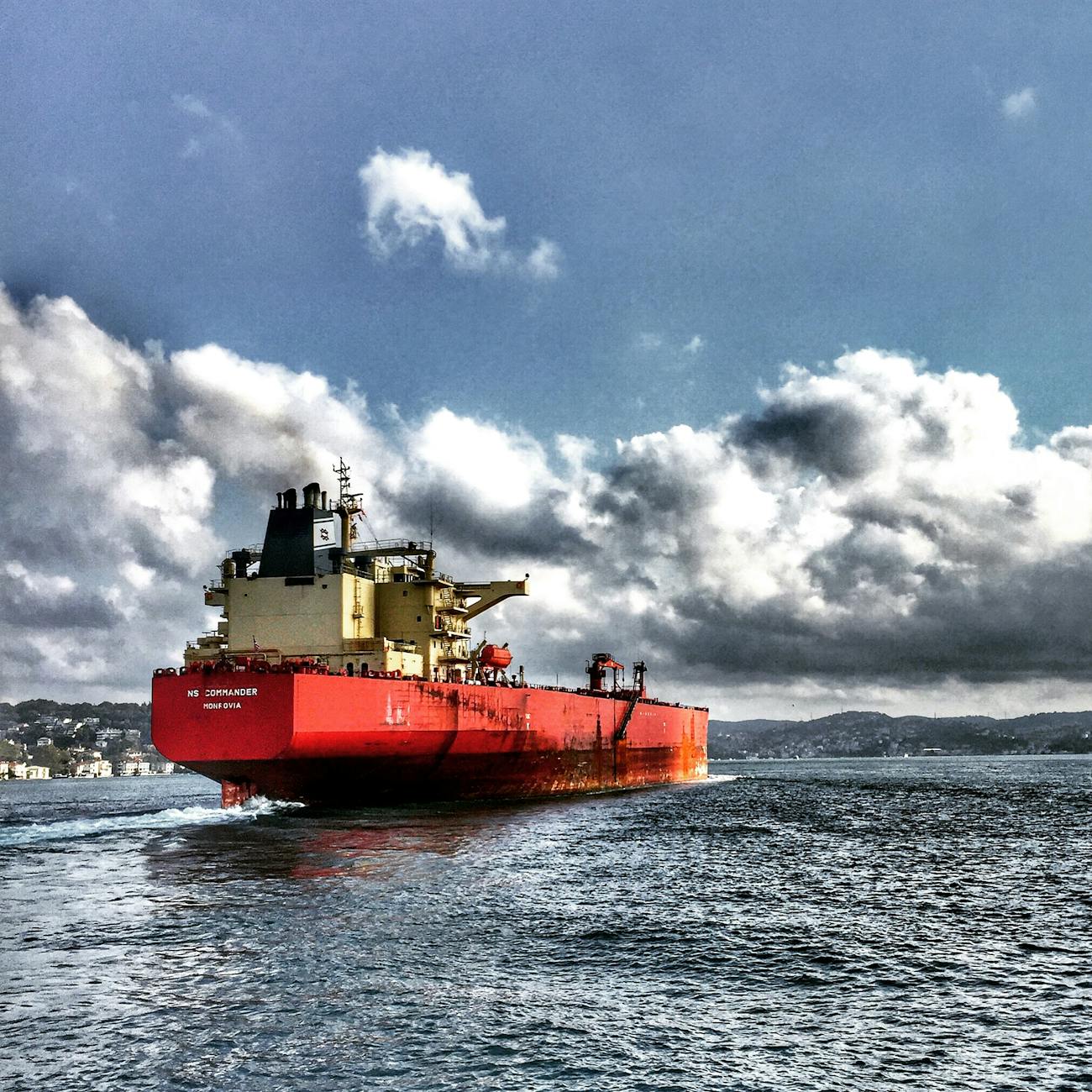
Marine salvage operations involve a complex array of activities, including the removal of wrecked vessels, cargo, and other debris from the ocean floor, as well as the prevention of further environmental damage. A critical component of these operations is the consideration of environmental impacts, which can be significant and far-reaching. Salvage teams must be aware of the potential risks to marine ecosystems and take steps to mitigate them.
One of the primary concerns in marine salvage is the potential for oil spills, which can have devastating effects on marine life. Oil can persist in the environment for many years, causing long-term damage to habitats and species. Salvage teams must take precautions to prevent oil spills, such as using specialized equipment to contain and remove oil from wrecked vessels. In addition, teams must be prepared to respond quickly and effectively in the event of an oil spill, using techniques such as booming and skimming to minimize the spread of oil.
Another important consideration in marine salvage is the potential for invasive species to be introduced to new environments through the movement of vessels and equipment. Invasive species can outcompete native species for resources, alter ecosystem processes, and even cause extinctions. Salvage teams must take steps to prevent the introduction of invasive species, such as cleaning and disinfecting equipment and vessels before moving them to new locations.
Marine salvage operations can also have significant impacts on habitats, such as coral reefs, sea grass beds, and mangrove forests. These ecosystems provide important habitat for a wide range of species and play critical roles in maintaining water quality and preventing erosion. Salvage teams must take precautions to avoid damaging these habitats, such as using specialized equipment to remove debris and vessels without causing further disturbance to the surrounding environment.
In addition to these environmental concerns, marine salvage operations must also consider the potential impacts on human health and safety. Salvage teams may be exposed to a range of hazards, including toxic substances, sharp objects, and unstable structures. Teams must take precautions to protect themselves and others from these hazards, such as wearing personal protective equipment and following established safety protocols.
The planning and execution of marine salvage operations require careful consideration of these environmental and safety concerns. Salvage teams must develop and implement comprehensive plans that take into account the potential risks and impacts of the operation, as well as the measures that will be taken to mitigate them. This may involve conducting environmental assessments to identify potential risks and developing strategies for minimizing them.
The use of technology and equipment is also critical in marine salvage operations. Salvage teams may use a range of specialized equipment, such as remotely operated vehicles (ROVs), cranes, and pumps, to remove debris and vessels from the ocean floor. The selection and use of this equipment must be carefully planned and executed to minimize the risks of accidents and environmental damage.
In some cases, marine salvage operations may involve the use of chemicals or other substances to help remove debris or vessels. The use of these substances must be carefully considered and planned, as they can have significant environmental impacts if not used properly. Salvage teams must follow established protocols for the use of these substances and take precautions to minimize their release into the environment.
The economics of marine salvage operations are also an important consideration. Salvage teams must balance the costs of the operation with the potential benefits of removing debris and vessels from the ocean floor. In some cases, the costs of salvage may be prohibitive, and alternative solutions, such as leaving the debris or vessel in place, may be considered. However, this approach can also have significant environmental impacts, and salvage teams must carefully weigh the potential risks and benefits of each approach.
The regulatory framework for marine salvage operations is also complex and multifaceted. Salvage teams must comply with a range of laws and regulations, including those related to environmental protection, safety, and health. The specific regulations that apply to a given operation will depend on the location and nature of the operation, as well as the jurisdiction in which it is taking place.
In addition to these regulatory requirements, marine salvage operations must also consider the potential social impacts of the operation. Salvage teams may need to engage with local communities and stakeholders to ensure that their concerns are addressed and that the operation is carried out in a responsible and sustainable manner. This may involve developing and implementing community outreach and education programs to raise awareness about the operation and its potential impacts.
The logistics of marine salvage operations can also be complex and challenging. Salvage teams must carefully plan and coordinate the movement of equipment and personnel to the site of the operation, as well as the removal of debris and vessels from the ocean floor. This may involve working with contractors and subcontractors to provide specialized services and equipment.
In some cases, marine salvage operations may involve the use of in situ burning or other destruction methods to dispose of debris or vessels. The use of these methods must be carefully considered and planned, as they can have significant environmental impacts if not used properly. Salvage teams must follow established protocols for the use of these methods and take precautions to minimize their release into the environment.
The monitoring and assessment of marine salvage operations are also critical components of the process. Salvage teams must develop and implement monitoring plans to track the progress of the operation and assess its potential impacts on the environment. This may involve collecting data on water quality, sediment quality, and biological communities to assess the effectiveness of the operation and identify areas for improvement.
The use of models and simulations can also be helpful in planning and executing marine salvage operations. These tools can be used to predict the potential impacts of the operation and identify the most effective strategies for minimizing them. Salvage teams can use models and simulations to test different scenarios and evaluate the potential outcomes of each.
In addition to these technical considerations, marine salvage operations must also consider the potential political and diplomatic implications of the operation. Salvage teams may need to work with government agencies and international organizations to ensure that the operation is carried out in a responsible and sustainable manner. This may involve developing and implementing communication plans to raise awareness about the operation and its potential impacts.
The training and education of salvage teams are also critical components of marine salvage operations. Teams must have the necessary skills and knowledge to carry out the operation safely and effectively, while also minimizing the potential environmental impacts. This may involve providing workshops and training programs to raise awareness about the operation and its potential impacts, as well as the best practices for minimizing them.
The certification and accreditation of salvage teams are also important considerations in marine salvage operations. Teams must meet established standards and criteria for safety, environmental responsibility, and professional competence. This may involve obtaining certification from recognized organizations or accreditation from established agencies.
In some cases, marine salvage operations may involve the use of unmanned underwater vehicles (UUVs) or other remote-operated vehicles (ROVs) to remove debris or vessels from the ocean floor. The use of these vehicles must be carefully planned and executed, as they can have significant environmental impacts if not used properly. Salvage teams must follow established protocols for the use of these vehicles and take precautions to minimize their release into the environment.
The debris removal process is also a critical component of marine salvage operations. Salvage teams must develop and implement plans for removing debris from the ocean floor, while also minimizing the potential environmental impacts of the operation. This may involve using specialized equipment and techniques to remove debris, such as grabs and cutting tools.
The wreck removal process is also a complex and challenging component of marine salvage operations. Salvage teams must develop and implement plans for removing wrecks from the ocean floor, while also minimizing the potential environmental impacts of the operation. This may involve using specialized equipment and techniques to remove wrecks, such as lift bags and winches.
In addition to these technical considerations, marine salvage operations must also consider the potential cultural and historical significance of the wreck or debris being removed. Salvage teams may need to work with historical preservation societies and cultural organizations to ensure that the operation is carried out in a responsible and sustainable manner. This may involve developing and implementing plans for preserving and protecting historical artifacts and cultural resources.
The funding and financing of marine salvage operations are also critical components of the process. Salvage teams must secure funding and financing to support the operation, which can be a complex and challenging process. Teams may need to work with government agencies and private investors to secure the necessary funds and resources to support the operation.
The insurance and liability considerations for marine salvage operations are also important. Salvage teams must have adequate insurance coverage to protect against potential liabilities and risks associated with the operation. This may involve obtaining insurance policies that cover environmental damage, personal injury, and property damage.
In some cases, marine salvage operations may involve the use of alternative methods or innovative technologies to remove debris or vessels from the ocean floor. The use of these methods and technologies must be carefully considered and planned, as they can have significant environmental impacts if not used properly. Salvage teams must follow established protocols for the use of these methods and technologies and take precautions to minimize their release into the environment.
The communication and coordination between salvage teams, government agencies, and stakeholders are also critical components of marine salvage operations. Teams must develop and implement communication plans to raise awareness about the operation and its potential impacts, as well as the best practices for minimizing them.
The contingency planning and emergency response procedures for marine salvage operations are also important considerations. Salvage teams must develop and implement contingency plans to respond to potential emergencies and accidents during the operation. This may involve establishing emergency response teams and communication protocols to quickly respond to and mitigate the effects of any incidents that may occur.
The lessons learned and best practices from previous marine salvage operations can also provide valuable insights and guidance for future operations. Salvage teams can learn from the experiences and challenges faced by other teams and apply this knowledge to improve the planning and execution of their own operations.
In addition to these considerations, marine salvage operations must also be mindful of the potential long-term impacts of the operation on the environment and ecosystems. Salvage teams must consider the potential legacy effects of the operation and take steps to minimize them, such as restoring habitats and ecosystems that may have been damaged during the operation.
The stakeholder engagement and participation in marine salvage operations are also important considerations. Salvage teams must engage with local communities and stakeholders to ensure that their concerns are addressed and that the operation is carried out in a responsible and sustainable manner. This may involve developing and implementing participation plans to raise awareness about the operation and its potential impacts, as well as the best practices for minimizing them.
The transparency and accountability of marine salvage operations are also critical components of the process. Salvage teams must be transparent in their planning and execution of the operation, and must be accountable for their actions and decisions. This may involve establishing independent review panels and auditing procedures to ensure that the operation is carried out in a responsible and sustainable manner.
The research and development of new technologies and methods for marine salvage operations are also ongoing and critical components of the process. Salvage teams must stay up-to-date with the latest advances and innovations in the field, and must be willing to adopt and adapt new technologies and methods as they become available.
The international cooperation and collaboration on marine salvage operations are also important considerations. Salvage teams must work with international organizations and governments to develop and implement global standards and best practices for marine salvage operations. This may involve participating in international forums and conferences to share knowledge and experiences and to develop global guidelines and protocols for marine salvage operations.
The capacity building and training of salvage teams are also critical components of marine salvage operations.
The public awareness and education about marine salvage operations are also important considerations. Salvage teams must raise awareness about the operation and its potential impacts, as well as the best practices for minimizing them. This may involve developing and implementing public outreach and education programs to raise awareness about the operation and its potential impacts.
In summary, marine salvage operations involve a complex array of activities and considerations, including environmental impacts, safety, health, regulatory compliance, logistics, technology, financing, insurance, cultural and historical significance, communication, coordination, contingency planning, emergency response, lessons learned, best practices, long-term impacts, stakeholder engagement, transparency, accountability, research and development, international cooperation, capacity building, training, public awareness, and education. By considering these factors and taking a responsible and sustainable approach to marine salvage operations, salvage teams can minimize the potential environmental impacts and ensure that the operation is carried out in a safe and effective manner.
Key takeaways
- Marine salvage operations involve a complex array of activities, including the removal of wrecked vessels, cargo, and other debris from the ocean floor, as well as the prevention of further environmental damage.
- In addition, teams must be prepared to respond quickly and effectively in the event of an oil spill, using techniques such as booming and skimming to minimize the spread of oil.
- Another important consideration in marine salvage is the potential for invasive species to be introduced to new environments through the movement of vessels and equipment.
- Salvage teams must take precautions to avoid damaging these habitats, such as using specialized equipment to remove debris and vessels without causing further disturbance to the surrounding environment.
- Teams must take precautions to protect themselves and others from these hazards, such as wearing personal protective equipment and following established safety protocols.
- Salvage teams must develop and implement comprehensive plans that take into account the potential risks and impacts of the operation, as well as the measures that will be taken to mitigate them.
- Salvage teams may use a range of specialized equipment, such as remotely operated vehicles (ROVs), cranes, and pumps, to remove debris and vessels from the ocean floor.