
The Law of the Sea and Marine Biodiversity Conservation
The Law of the Sea and Marine Biodiversity Conservation are critical areas of study in the Postgraduate Certificate in Marine Environmental Law and Policy. This explanation will cover key terms and vocabulary related to these subjects.
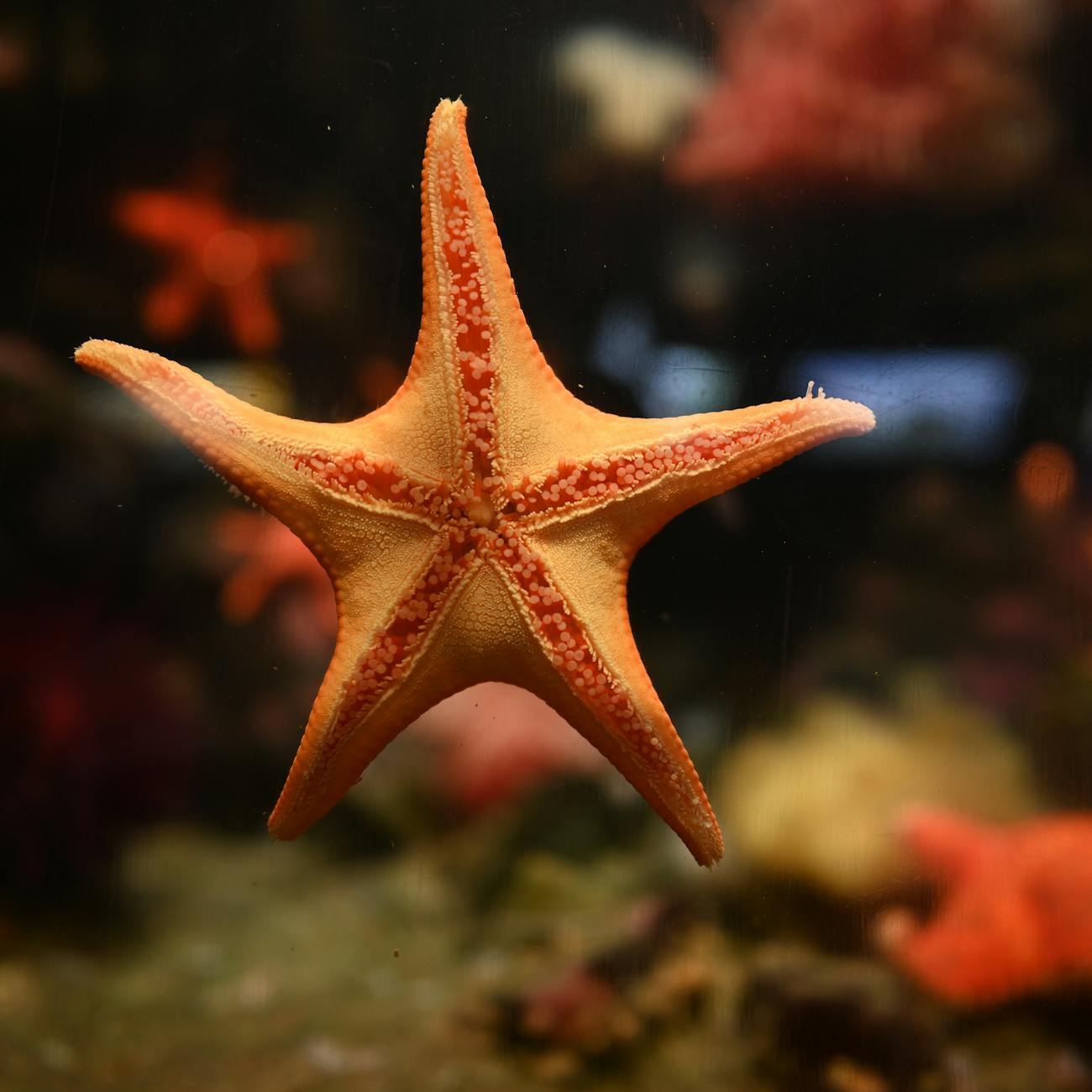
The Law of the Sea and Marine Biodiversity Conservation are critical areas of study in the Postgraduate Certificate in Marine Environmental Law and Policy. This explanation will cover key terms and vocabulary related to these subjects.
1. The Law of the Sea
The United Nations Convention on the Law of the Sea (UNCLOS) is the international agreement that defines the rights and responsibilities of nations with respect to their use of the world's oceans. It is often referred to as the "Constitution for the Oceans."
* Territorial Sea: The belt of coastal waters extending at most 12 nautical miles from the baseline of a coastal state. * Exclusive Economic Zone (EEZ): A coastal state's exclusive right to explore, exploit, conserve, and manage natural resources in the waters extending from the baseline out to 200 nautical miles. * Continental Shelf: The natural prolongation of the land territory to the continental margin's outer edge or to a distance of 200 nautical miles from the baselines where the margin does not extend that far. * High Seas: The area beyond the limits of national jurisdiction, consisting of all parts of the sea that are not included in the EEZ, the territorial sea, or the internal waters of a state. * Flag State: The state in which a ship is registered. * Port State: The state in which a foreign ship is located when it is not in its flag state's jurisdiction.
2. Marine Biodiversity Conservation
Marine biodiversity refers to the variety of living organisms, from bacteria and fungi to plants and animals, found in the ocean. Conserving marine biodiversity is essential for maintaining the health of the ocean and the planet.
* Marine Protected Area (MPA): A clearly defined geographical space, recognized, dedicated, and managed, through legal or other effective means, to achieve the long-term conservation of nature with associated ecosystem services and cultural values. * Ecosystem-Based Management (EBM): An integrated approach to management that considers the entire ecosystem, including humans, as a single unit. * Sustainable Fisheries: The practice of fishing in a way that does not deplete the fish populations or damage the ecosystem. * Invasive Species: A non-native species that causes harm to the environment, economy, or human health. * Habitat Destruction: The destruction or alteration of the natural environment in a way that makes it unsuitable for the survival of a species. * Bycatch: The unintended catch of non-target species, often discarded at sea.
3. Challenges and Practical Applications
The Law of the Sea and Marine Biodiversity Conservation face several challenges, including overfishing, climate change, pollution, and habitat destruction. These challenges require coordinated efforts from governments, non-governmental organizations, and the private sector.
* Sustainable Development Goal 14: Life Below Water: A global goal to conserve and sustainably use the oceans, seas, and marine resources. * The International Seabed Authority: An organization established by UNCLOS to manage the seabed beyond national jurisdiction. * The Convention on Biological Diversity: An international treaty aimed at sustaining the diverse forms of life on Earth. * The Intergovernmental Panel on Climate Change: A scientific body under the auspices of the United Nations that reviews and assesses the most recent scientific, technical, and socio-economic information produced worldwide relevant to the understanding of climate change.
In conclusion, the Law of the Sea and Marine Biodiversity Conservation are critical areas of study in the Postgraduate Certificate in Marine Environmental Law and Policy. Understanding the key terms and vocabulary is essential for appreciating the complex legal and policy frameworks that govern the ocean and for developing practical solutions to the challenges facing marine ecosystems.
Key takeaways
- The Law of the Sea and Marine Biodiversity Conservation are critical areas of study in the Postgraduate Certificate in Marine Environmental Law and Policy.
- The United Nations Convention on the Law of the Sea (UNCLOS) is the international agreement that defines the rights and responsibilities of nations with respect to their use of the world's oceans.
- * Continental Shelf: The natural prolongation of the land territory to the continental margin's outer edge or to a distance of 200 nautical miles from the baselines where the margin does not extend that far.
- Marine biodiversity refers to the variety of living organisms, from bacteria and fungi to plants and animals, found in the ocean.
- * Ecosystem-Based Management (EBM): An integrated approach to management that considers the entire ecosystem, including humans, as a single unit.
- The Law of the Sea and Marine Biodiversity Conservation face several challenges, including overfishing, climate change, pollution, and habitat destruction.
- * Sustainable Development Goal 14: Life Below Water: A global goal to conserve and sustainably use the oceans, seas, and marine resources.