
Marine Protected Areas and Spatial Planning
The concept of marine protected areas is a crucial aspect of marine environmental law and policy, as it aims to conserve and protect the world's ocean and its resources. A marine protected area is an area of the ocean where human activities…
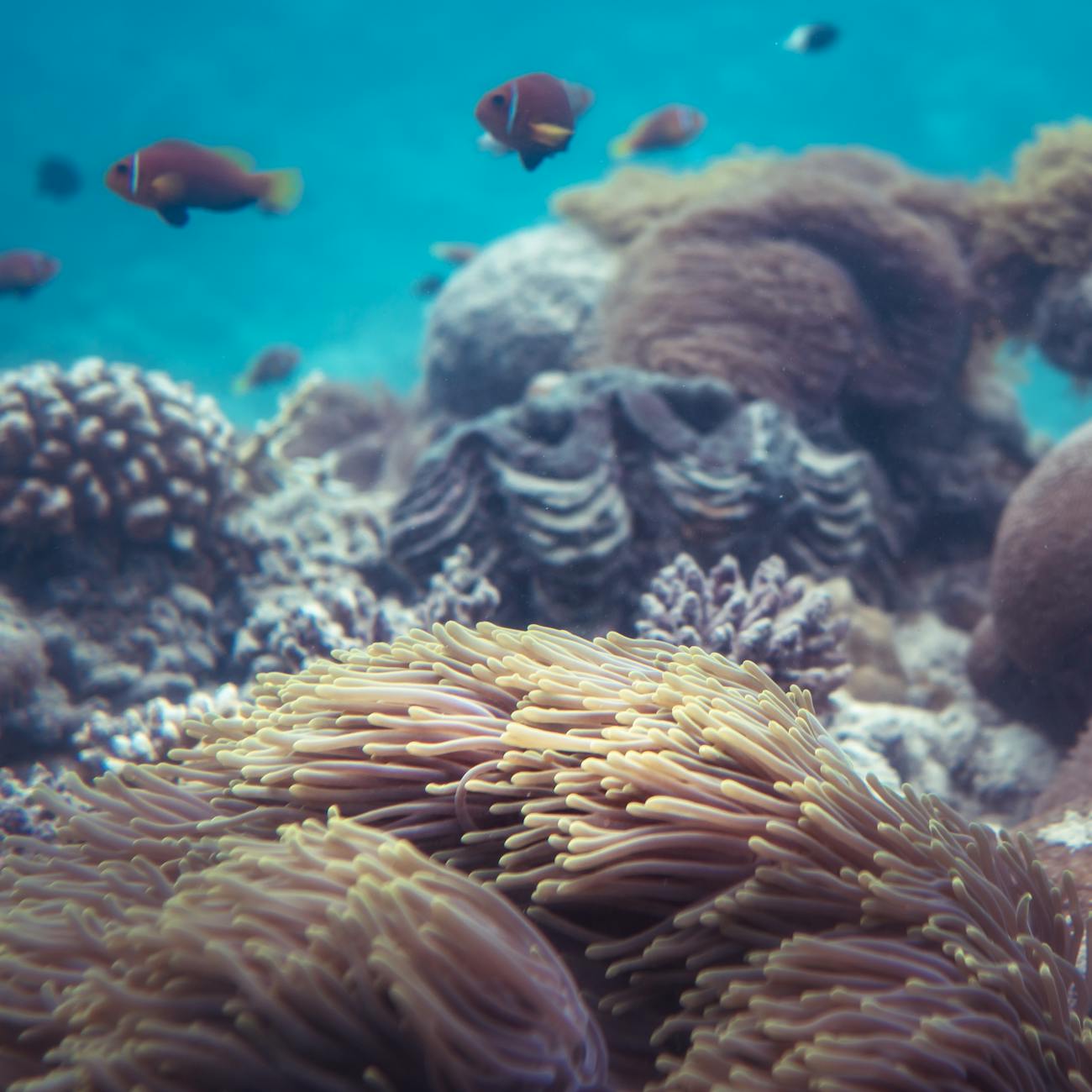
The concept of marine protected areas is a crucial aspect of marine environmental law and policy, as it aims to conserve and protect the world's ocean and its resources. A marine protected area is an area of the ocean where human activities are limited or restricted to protect the marine environment and its inhabitants. These areas can be established by governments, international organizations, or other stakeholders to conserve biodiversity, protect habitats, and promote sustainable use of marine resources.
Marine protected areas can take many forms, including national parks, wildlife reserves, sanctuaries, and marine reserves. Each of these types of protected areas has its own unique characteristics and management objectives. For example, a national park may be established to protect a specific ecosystem or landscape feature, while a marine reserve may be established to protect a specific species or group of species.
The process of establishing a marine protected area typically involves several steps, including identification of the area to be protected, assessment of the area's ecological and social values, and designation of the area as a protected area. This process often involves stakeholder engagement and consultation with local communities, indigenous peoples, and other interested parties.
Once a marine protected area is established, it is essential to develop a management plan that outlines the objectives, strategies, and actions necessary to achieve the protected area's conservation goals. This plan should be based on scientific research and monitoring of the protected area's ecosystem and should take into account the social and economic impacts of the protected area on local communities.
Spatial planning is a critical component of marine protected area management, as it involves the allocation of space and resources within the protected area. This can include the zoning of different areas for different activities, such as fishing, tourism, or conservation. Spatial planning can help to minimize conflicts between different users of the protected area and can help to maximize the conservation benefits of the protected area.
One of the key challenges in establishing and managing marine protected areas is enforcement. This can be due to a lack of resources, capacity, or authority to enforce protected area regulations. Additionally, marine protected areas often transcend national boundaries, making international cooperation and agreement necessary for effective management.
The implementation of marine protected areas can also have socio-economic impacts on local communities. For example, the establishment of a marine reserve may restrict access to fishing grounds or other resources that are important to the livelihoods of local people. It is essential to engage with local communities and to consult with them throughout the process of establishing and managing a marine protected area.
In addition to marine protected areas, there are other tools and instruments that can be used to conserve and manage marine resources. For example, fisheries management can help to regulate fishing activities and to conserve fish populations. Marine pollution control can help to reduce the impacts of pollution on the marine environment.
Integrated coastal zone management is another approach that can be used to conserve and manage marine resources. This approach involves the integration of physical, biological, and socio-economic aspects of coastal zone management. It can help to balance the needs of different users of the coastal zone and to maximize the conservation and sustainable use of coastal resources.
The implementation of marine spatial planning can also involve the use of geographic information systems (GIS) and other technologies. These tools can help to map and analyze marine habitats and ecosystems, and to identify areas that are most in need of conservation and protection.
In terms of international cooperation, there are several instruments and agreements that can be used to conserve and manage marine resources. For example, the United Nations Convention on the Law of the Sea (UNCLOS) provides a framework for the conservation and management of marine resources. The Convention on International Trade in Endangered Species of Wild Fauna and Flora (CITES) can help to regulate the trade in marine species.
The Food and Agriculture Organization (FAO) of the United Nations also plays an important role in the conservation and management of marine resources. The FAO has developed several codes of conduct and guidelines for the sustainable use of marine resources, including the Code of Conduct for Responsible Fishing and the Guidelines for the Ecolabelling of Fish and Fishery Products.
In addition to these international instruments and agreements, there are also several regional and national initiatives that can be used to conserve and manage marine resources. For example, the European Union has established a framework for the conservation and management of marine resources, including the Marine Strategy Framework Directive.
The implementation of marine protected areas and spatial planning can also involve the use of economic instruments, such as taxes and subsidies. For example, governments can impose taxes on activities that harm the marine environment, such as pollution or overfishing. Alternatively, governments can provide subsidies for activities that benefit the marine environment, such as sustainable fishing or ecotourism.
The monitoring and evaluation of marine protected areas and spatial planning is also essential for their effective management. This can involve the use of indicators and metrics to measure the conservation and sustainable use of marine resources. For example, indicators can be used to measure the health of marine ecosystems, the abundance of species, or the level of pollution in the marine environment.
In terms of challenges and opportunities, the implementation of marine protected areas and spatial planning can be influenced by several factors, including climate change, population growth, and economic development. For example, climate change can affect the distribution and abundance of marine species, while population growth can increase the pressure on marine resources.
Despite these challenges, the implementation of marine protected areas and spatial planning can also provide several opportunities for conservation and sustainable use of marine resources. For example, marine protected areas can help to conserve biodiversity, protect habitats, and promote ecotourism. Spatial planning can help to balance the needs of different users of the marine environment and to maximize the conservation and sustainable use of marine resources.
In terms of case studies, there are several examples of marine protected areas and spatial planning in practice. For example, the Great Barrier Reef Marine Park in Australia is one of the largest and most well-known marine protected areas in the world. The park was established in 1975 and covers an area of over 344,000 square kilometers. The park is managed by the Australian Government and is designed to conserve the biodiversity and ecological integrity of the Great Barrier Reef.
Another example is the Papahānaumokuākea Marine National Monument in Hawaii, which is one of the largest marine protected areas in the world. The monument was established in 2006 and covers an area of over 580,000 square kilometers. The monument is managed by the US Government and is designed to conserve the biodiversity and ecological integrity of the Papahānaumokuākea ecosystem.
In terms of future directions, the implementation of marine protected areas and spatial planning is likely to continue to evolve in response to changing circumstances and new challenges. For example, the impact of climate change on the marine environment is likely to increase the need for marine protected! Areas and spatial planning. Additionally, the growth of industries such as offshore wind and marine mining is likely to increase the need for spatial planning and management of the marine environment.
Overall, the implementation of marine protected areas and spatial planning is a complex and multifaceted issue that requires the involvement of multiple stakeholders and the integration of multiple disciplines. It is essential to continue to monitor and evaluate the effectiveness of marine protected areas and spatial planning, and to adapt to changing circumstances and new challenges. By doing so, we can help to conserve the marine environment and to promote the sustainable use of marine resources for future generations.
Key takeaways
- These areas can be established by governments, international organizations, or other stakeholders to conserve biodiversity, protect habitats, and promote sustainable use of marine resources.
- For example, a national park may be established to protect a specific ecosystem or landscape feature, while a marine reserve may be established to protect a specific species or group of species.
- This process often involves stakeholder engagement and consultation with local communities, indigenous peoples, and other interested parties.
- This plan should be based on scientific research and monitoring of the protected area's ecosystem and should take into account the social and economic impacts of the protected area on local communities.
- Spatial planning can help to minimize conflicts between different users of the protected area and can help to maximize the conservation benefits of the protected area.
- Additionally, marine protected areas often transcend national boundaries, making international cooperation and agreement necessary for effective management.
- For example, the establishment of a marine reserve may restrict access to fishing grounds or other resources that are important to the livelihoods of local people.