
Common Foot Conditions
Foot care is an essential aspect of overall health, and understanding common foot conditions is crucial for providing effective care. One of the most common foot conditions is plantar fasciitis , which is characterized by inflammation of th…
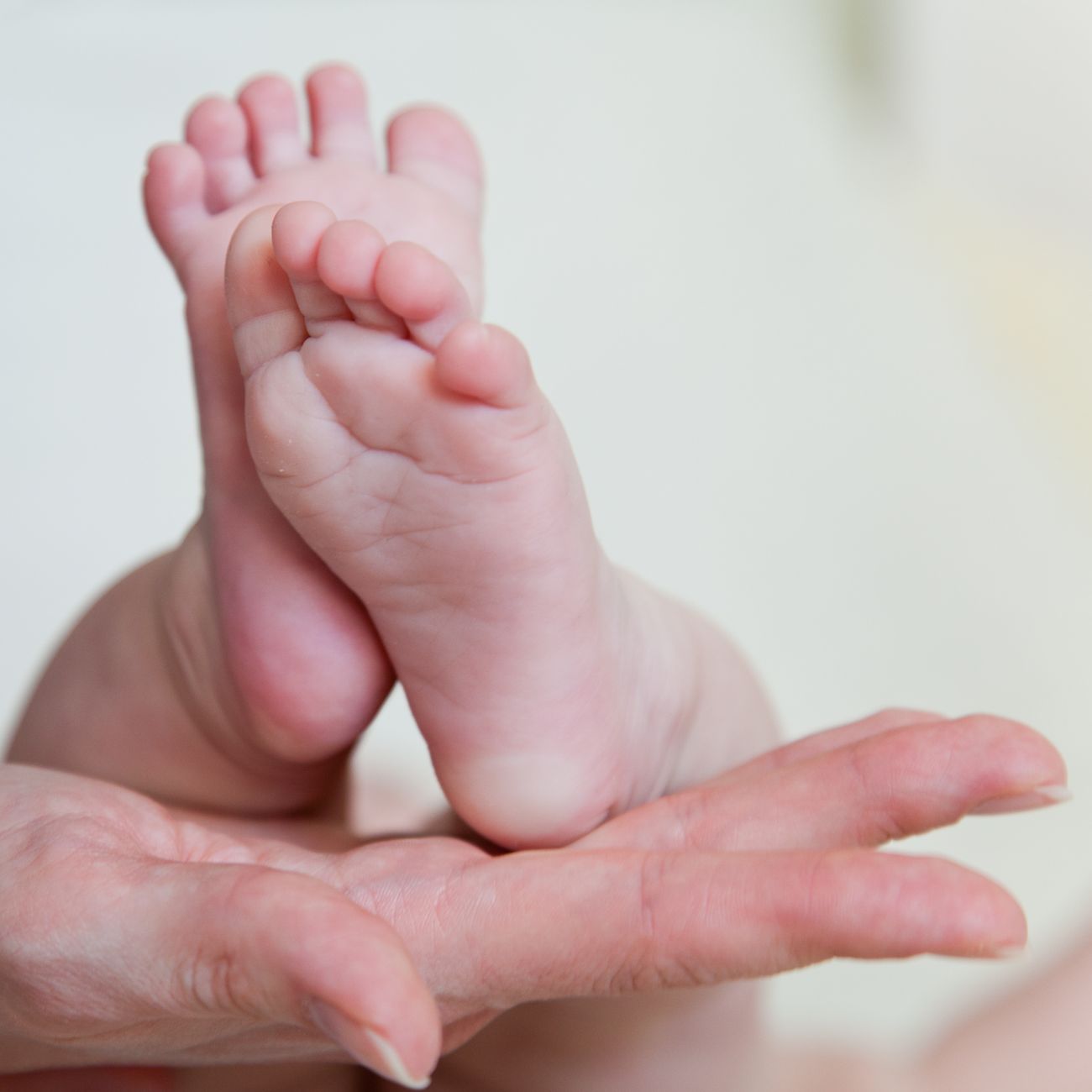
Foot care is an essential aspect of overall health, and understanding common foot conditions is crucial for providing effective care. One of the most common foot conditions is plantar fasciitis, which is characterized by inflammation of the plantar fascia, a band of tissue that runs along the bottom of the foot. This condition can cause pain and stiffness in the heel and bottom of the foot, making it difficult to walk or stand.
Another common condition is athlete's foot, a fungal infection that affects the skin on the feet. It is usually characterized by itching, burning, and cracking of the skin, and can be treated with antifungal medications. To prevent athlete's foot, it is essential to keep the feet clean and dry, and to wear breathable shoes that allow for air circulation.
Bunions are another common foot condition, which are bony growths that form on the joint at the base of the big toe. They can cause pain and discomfort, especially when wearing tight or narrow shoes. Surgery is often required to remove the bony growth and realign the toe. However, there are also non-surgical treatments available, such as orthotics and physical therapy, which can help to manage the symptoms and slow down the progression of the condition.
Hammertoes are a condition where the toes become curled or bent, often due to muscle imbalance or poor foot mechanics. This can cause pain and discomfort, especially when walking or standing. Orthotics and physical therapy can help to manage the symptoms, and in some cases, surgery may be required to correct the deformity.
Ingrown toenails are a common condition where the nail grows into the surrounding skin, causing pain and discomfort. This can be caused by poor nail trimming or tight shoes. To prevent ingrown toenails, it is essential to trim the nails straight across and avoid cutting them too short. Antibiotics may be required to treat any infection that may develop.
Flat feet are a condition where the arch of the foot collapses, often due to weakened muscles or genetic factors.
High heels can cause a range of foot problems, including bunions, hammertoes, and plantar fasciitis. This is because high heels can cause the feet to be misaligned, putting pressure on the toes and the ball of the foot. To prevent these problems, it is recommended to wear comfortable shoes with a low heel and a wide toe box.
Diabetes can cause a range of foot problems, including nerve damage and poor circulation. This can cause numbness, tingling, and pain in the feet, and can also increase the risk of infection and ulcers. To prevent these problems, it is essential for people with diabetes to monitor their foot health closely and to seek medical attention if they notice any changes or problems.
Foot ulcers are a common complication of diabetes and can be caused by nerve damage and poor circulation. They can be painful and can increase the risk of infection and amputation. To prevent foot ulcers, it is essential to monitor foot health closely and to seek medical attention if any problems or changes are noticed.
Achilles tendonitis is a condition where the Achilles tendon becomes inflamed, often due to overuse or repetitive strain. This can cause pain and stiffness in the back of the heel, making it difficult to walk or stand. Rest, ice, and physical therapy can help to manage the symptoms, and in some cases, surgery may be required to repair the tendon.
Foot orthotics are custom-made devices that are designed to support and align the feet. They can be used to treat a range of foot conditions, including plantar fasciitis, flat feet, and bunions. Orthotics can help to reduce pain and discomfort, and can also improve foot function and overall mobility.
Footwear plays an essential role in foot health, and wearing comfortable shoes with a good fit can help to prevent a range of foot problems. High heels and tight shoes can cause bunions, hammertoes, and plantar fasciitis, while flat shoes can cause flat feet and overpronation.
Foot exercises can help to strengthen and stretch the muscles in the feet, improving foot function and overall mobility. Exercises such as toe curls and heel raises can help to strengthen the muscles in the feet, while stretching exercises can help to improve flexibility and range of motion.
Foot massage can help to relax and soothe the muscles in the feet, improving foot function and overall mobility. Massage can also help to improve circulation and reduce pain and inflammation. To give a foot massage, it is essential to use gentle pressure and long strokes, focusing on the arch and heel of the foot.
Foot health is essential for overall health, and understanding common foot conditions is crucial for providing effective care. By monitoring foot health closely and seeking medical attention if any problems or changes are noticed, it is possible to prevent a range of foot problems and improve overall mobility and quality of life.
Podiatry is the branch of medicine that deals with the diagnosis and treatment of foot disorders. Podiatrists are trained professionals who specialize in the care and treatment of the feet, and can provide a range of treatments, including surgery, orthotics, and physical therapy.
Foot care is an essential aspect of overall health, and understanding common foot conditions is crucial for providing effective care.
Wound care is an essential aspect of foot care, especially for people with diabetes or poor circulation. It is essential to clean and dress wounds regularly, and to seek medical attention if any signs of infection or complications are noticed.
Nail care is also an essential aspect of foot care, and it is essential to trim and file the nails regularly to prevent ingrown toenails and other problems. It is also essential to clean and dry the feet regularly, especially between the toes, to prevent athlete's foot and other fungal infections.
Footwear selection is an essential aspect of foot care, and it is essential to choose comfortable shoes with a good fit to prevent a range of foot problems.
Orthotic devices can be used to support and align the feet, and can be custom-made to treat a range of foot conditions. Orthotics can help to reduce pain and discomfort, and can also improve foot function and overall mobility.
Physical therapy can be used to strengthen and stretch the muscles in the feet, improving foot function and overall mobility.
Foot care products can be used to clean and moisturize the feet, and can help to prevent a range of foot problems. Foot creams and lotions can help to soften and hydrate the skin, while foot powders and sprays can help to dry and deodorize the feet.
Foot health education is an essential aspect of foot care, and it is essential to educate people about the importance of foot health and how to prevent a range of foot problems.
Foot care in different populations can vary, and it is essential to consider the unique needs and challenges of different populations, such as diabetics, older adults, and athletes. By tailoring foot care to the specific needs of each population, it is possible to prevent a range of foot problems and improve overall mobility and quality of life.
Current research in foot care is focused on developing new treatments and technologies to improve foot health. This includes the use of stem cells and gene therapy to treat foot conditions, as well as the development of new orthotic devices and footwear that can help to prevent foot problems.
Future directions in foot care are likely to involve the use of advanced technologies and personalized medicine to improve foot health. This may include the use of 3D printing to create customized orthotic devices and footwear, as well as the development of new treatments and therapies that can be tailored to the specific needs of each individual.
Foot care and overall health are closely linked, and it is essential to consider the impact of foot health on overall health.
Foot care and mobility are also closely linked, and it is essential to consider the impact of foot health on mobility.
Foot care and quality of life are also closely linked, and it is essential to consider the impact of foot health on quality of life.
Foot care and prevention are essential for preventing a range of foot problems, and it is essential to monitor foot health closely and seek medical attention if any problems or changes are noticed. By practicing good foot care and seeking medical attention if any problems or changes are noticed, it is possible to prevent a range of foot problems and improve overall mobility and quality of life.
Foot care and treatment are also essential for treating a range of foot problems, and it is essential to seek medical attention if any problems or changes are noticed. By seeking medical attention and following treatment plans, it is possible to treat a range of foot problems and improve overall mobility and quality of life.
Foot care and management are essential for managing a range of foot problems, and it is essential to monitor foot health closely and seek medical attention if any problems or changes are noticed. By practicing good foot care and following treatment plans, it is possible to manage a range of foot problems and improve overall mobility and quality of life.
Foot care and education are essential for educating people about the importance of foot health and how to prevent a range of foot problems. By educating people about foot health and providing them with the tools and resources they need to practice good foot care, it is possible to prevent a range of foot problems and improve overall mobility and quality of life.
Foot care and community are essential for providing people with the support and resources they need to practice good foot care. By building a community of people who are committed to foot health and providing them with the tools and resources they need, it is possible to prevent a range of foot problems and improve overall mobility and quality of life.
Foot care and advocacy are essential for advocating for the needs and rights of people with foot problems. By advocating for access to foot care and providing people with the tools and resources they need to practice good foot care, it is possible to prevent a range of foot problems and improve overall mobility and quality of life.
Foot care and policy are essential for developing policies and procedures that support foot health. By developing policies and procedures that prioritize foot health and providing people with the tools and resources they need to practice good foot care, it is possible to prevent a range of foot problems and improve overall mobility and quality of life.
Foot care and research are essential for conducting research and developing new treatments and technologies to improve foot health. By conducting research and developing new treatments and technologies, it is possible to improve foot health and overall mobility and quality of life.
Foot care and technology are essential for developing new technologies and tools to improve foot health. By developing new technologies and tools and providing people with access to them, it is possible to improve foot health and overall mobility and quality of life.
Foot care and innovation are essential for developing new and innovative approaches to foot care. By developing new and innovative approaches to foot care and providing people with access to them, it is possible to improve foot health and overall mobility and quality of life.
Foot care and accessibility are essential for making foot care accessible to all people. By making foot care accessible and providing people with the tools and resources they need to practice good foot care, it is possible to prevent a range of foot problems and improve overall mobility and quality of life.
Foot care and equity are essential for ensuring that all people have access to foot care. By ensuring that all people have access to foot care and providing them with the tools and resources they need to practice good foot care, it is possible to prevent a range of foot problems and improve overall mobility and quality of life.
Foot care and social determinants are essential for addressing the social determinants of foot health. By addressing the social determinants of foot health and providing people with the tools and resources they need to practice good foot care, it is possible to prevent a range of foot problems and improve overall mobility and quality of life.
Foot care and health literacy are essential for educating people about foot health and providing them with the tools and resources they need to practice good foot care. By educating people about foot health and providing them with the tools and resources they need, it is possible to prevent a range of foot problems and improve overall mobility and quality of life.
Foot care and cultural competence are essential for providing foot care that is sensitive to the cultural needs of different populations. By providing foot care that is sensitive to the cultural needs of different populations and providing them with the tools and resources they need to practice good foot care, it is possible to prevent a range of foot problems and improve overall mobility and quality of life.
Foot care and language access are essential for providing foot care that is accessible to people who speak different languages. By providing foot care that is accessible to people who speak different languages and providing them with the tools and resources they need to practice good foot care, it is possible to prevent a range of foot problems and improve overall mobility and quality of life.
Foot care and disability are essential for providing foot care that is accessible to people with disabilities. By providing foot care that is accessible to people with disabilities and providing them with the tools and resources they need to practice good foot care, it is possible to prevent a range of foot problems and improve overall mobility and quality of life.
Foot care and older adults are essential for providing foot care that is sensitive to the needs of older adults. By providing foot care that is sensitive to the needs of older adults and providing them with the tools and resources they need to practice good foot care, it is possible to prevent a range of foot problems and improve overall mobility and quality of life.
Foot care and children are essential for providing foot care that is sensitive to the needs of children. By providing foot care that is sensitive to the needs of children and providing them with the tools and resources they need to practice good foot care, it is possible to prevent a range of foot problems and improve overall mobility and quality of life.
Foot care and athletes are essential for providing foot care that is sensitive to the needs of athletes. By providing foot care that is sensitive to the needs of athletes and providing them with the tools and resources they need to practice good foot care, it is possible to prevent a range of foot problems and improve overall mobility and quality of life.
Foot care and prevention of amputations are essential for preventing amputations and improving foot health. By preventing amputations and improving foot health, it is possible to improve overall mobility and quality of life.
Foot care and management of chronic conditions are essential for managing chronic conditions and improving foot health. By managing chronic conditions and improving foot health, it is possible to improve overall mobility and quality of life.
Foot care and wound healing are essential for promoting wound healing and improving foot health. By promoting wound healing and improving foot health, it is possible to improve overall mobility and quality of life.
Foot care and pain management are essential for managing pain and improving foot health. By managing pain and improving foot health, it is possible to improve overall mobility and quality of life.
Foot care and quality improvement are essential for improving the quality of foot care and improving foot health. By improving the quality of foot care and improving foot health, it is possible to improve overall mobility and quality of life.
Foot care and patient-centered care are essential for providing patient-centered care and improving foot health. By providing patient-centered care and improving foot health, it is possible to improve overall mobility and quality of life.
Foot care and cultural sensitivity are essential for providing culturally sensitive care and improving foot health. By providing culturally sensitive care and improving foot health, it is possible to improve overall mobility and quality of life.
Foot care and health disparities are essential for addressing health disparities and improving foot health. By addressing health disparities and improving foot health, it is possible to improve overall mobility and quality of life.
Foot care and social justice are essential for promoting social justice and improving foot health. By promoting social justice and improving foot health, it is possible to improve overall mobility and quality of life.
Foot care and human rights are essential for promoting human rights and improving foot health. By promoting human rights and improving foot health, it is possible to improve overall mobility and quality of life.
Foot care and dignity are essential for promoting dignity and improving foot health. By promoting dignity and improving foot health, it is possible to improve overall mobility and quality of life.
Foot care and empowerment are essential for empowering people and improving foot health. By empowering people and improving foot health, it is possible to improve overall mobility and quality of life.
Foot care and self-care are essential for promoting self-care and improving foot health. By promoting self-care and improving foot health, it is possible to improve overall mobility and quality of life.
Foot care and self-advocacy are essential for promoting self-advocacy and improving foot health. By promoting self-advocacy and improving foot health, it is possible to improve overall mobility and quality of life.
Foot care and self-efficacy are essential for promoting self-efficacy and improving foot health. By promoting self-efficacy and improving foot health, it is possible to improve overall mobility and quality of life.
Foot care and resilience are essential for promoting resilience and improving foot health. By promoting resilience and improving foot health, it is possible to improve overall mobility and quality of life.
Foot care and hope are essential for promoting hope and improving foot health. By promoting hope and improving foot health, it is possible to improve overall mobility and quality of life.
Foot care and healing are essential for promoting healing and improving foot health. By promoting healing and improving foot health, it is possible to improve overall mobility and quality of life.
Foot care and wellness are essential for promoting wellness and improving foot health. By promoting wellness and improving foot health, it is possible to improve overall mobility and quality of life.
Foot care and thriving are essential for promoting thriving and improving foot health. By promoting thriving and improving foot health, it is possible to improve overall mobility and quality of life.
Foot care and flourishing are essential for promoting flourishing and improving foot health. By promoting flourishing and improving foot health, it is possible to improve overall mobility and quality of life.
Foot care and positive health are essential for promoting positive health and improving foot health. By promoting positive health and improving foot health, it is possible to improve overall mobility and quality of life.
Foot care and salutogenesis are essential for promoting salutogenesis and improving foot health. By promoting salutogenesis and improving foot health, it is possible to improve overall mobility and quality of life.
Foot care and health promotion are essential for promoting health promotion and improving foot health. By promoting health promotion and improving foot health, it is possible to improve overall mobility and quality of life.
Foot care and disease prevention are essential for preventing disease and improving foot health. By preventing disease and improving foot health, it is possible to improve overall mobility and quality of life.
Foot care and health education are essential for educating people about foot health and improving foot health. By educating people about foot health and improving foot health, it is possible to improve overall mobility and quality of life.
Foot care and community engagement are essential for engaging with the community and improving foot health. By engaging with the community and improving foot health, it is possible to improve overall mobility and quality of life.
Foot care and partnership are essential for building partnerships and improving foot health. By building partnerships and improving foot health, it is possible to improve overall mobility and quality of life.
Foot care and collaboration are essential for collaborating with others and improving foot health. By collaborating with others and improving foot health, it is possible to improve overall mobility and quality of life.
Foot care and interprofessional practice are essential for practicing interprofessionally and improving foot health. By practicing interprofessionally and improving foot health, it is possible to improve overall mobility and quality of life.
Foot care and leadership are essential for leading efforts to improve foot health and improving foot health. By leading efforts to improve foot health and improving foot health, it is possible to improve overall mobility and quality of life.
Foot care and policy development are essential for developing policies that support foot health and improving foot health. By developing policies that support foot health and improving foot health, it is possible to improve overall mobility and quality of life.
Foot care and research and development are essential for conducting research and developing new treatments to improve foot health. By conducting research and developing new treatments, it is possible to improve overall mobility and quality of life.
Foot care and innovation and entrepreneurship are essential for innovating and entrepreneurship to improve foot health.
Key takeaways
- One of the most common foot conditions is plantar fasciitis, which is characterized by inflammation of the plantar fascia, a band of tissue that runs along the bottom of the foot.
- To prevent athlete's foot, it is essential to keep the feet clean and dry, and to wear breathable shoes that allow for air circulation.
- However, there are also non-surgical treatments available, such as orthotics and physical therapy, which can help to manage the symptoms and slow down the progression of the condition.
- Orthotics and physical therapy can help to manage the symptoms, and in some cases, surgery may be required to correct the deformity.
- Ingrown toenails are a common condition where the nail grows into the surrounding skin, causing pain and discomfort.
- Flat feet are a condition where the arch of the foot collapses, often due to weakened muscles or genetic factors.
- High heels can cause a range of foot problems, including bunions, hammertoes, and plantar fasciitis.