
Foot Care Techniques
Callus – a thickened area of skin that develops in response to repeated friction or pressure. In foot care, recognizing a callus is essential because it can indicate abnormal gait or ill‑fitting footwear. For example, a runner who frequentl…
Callus – a thickened area of skin that develops in response to repeated friction or pressure. In foot care, recognizing a callus is essential because it can indicate abnormal gait or ill‑fitting footwear. For example, a runner who frequently trains on hard surfaces may develop a callus on the metatarsal heads. The practitioner must assess the depth, size, and location before deciding whether to debride, moisturize, or advise a change in shoe type. Challenges include differentiating a callus from a corn, which is usually more localized and may have a central core. Improper removal can lead to skin injury or infection, so a gentle technique such as a sterile scalpel blade or a callus file is recommended only after thorough disinfection.
Corn – a small, highly concentrated area of hyperkeratosis, often appearing on the tops or sides of toes. Corns develop where bone presses against the skin, commonly due to toe deformities like hammertoe. A practical application involves using a softening agent, such as urea cream, to soften the corn before carefully filing it down. The practitioner must also address the underlying cause, which may involve orthotic intervention. Challenges arise when a corn becomes infected; the practitioner must recognize signs of erythema, warmth, and pus, and refer the patient for medical treatment if systemic infection is suspected.
Fungal infection – also known as onychomycosis when it involves the nail, or tinea pedis when it affects the skin. These infections thrive in warm, moist environments, making athletes and individuals who wear closed shoes for long periods particularly vulnerable. A typical case study involves a patient presenting with scaling, itching, and a foul odor between the fourth and fifth toes. Effective management includes topical antifungal agents, such as terbinafine cream, combined with patient education on foot hygiene. Challenges include the high recurrence rate; therefore, the practitioner should emphasize daily drying of the interdigital spaces and the use of breathable footwear.
Blister – a fluid‑filled cavity that forms beneath the epidermis due to friction, heat, or chemical irritation. In foot care, blisters are common among hikers and dancers. The practitioner must decide whether to leave a blister intact or to drain it. For example, a small, clear blister on the heel of a marathon runner may be left alone to protect underlying tissue, while a large, painful blister may be drained using a sterile needle, followed by the application of an antiseptic dressing. Challenges include preventing secondary infection and ensuring that the drainage technique does not cause additional trauma.
Plantar Fasciitis – inflammation of the plantar fascia, a thick band of connective tissue that runs from the heel bone to the toes. This condition often presents as sharp heel pain, especially after periods of rest. A practical approach includes stretching exercises for the calf muscles, the use of supportive arch inserts, and applying ice to reduce inflammation. In severe cases, the practitioner may employ manual therapy techniques such as deep tissue massage. Challenges involve patient compliance; many individuals underestimate the importance of nightly stretching and may experience chronic pain if the regimen is not followed consistently.
Metatarsalgia – pain and inflammation in the ball of the foot, typically caused by excessive pressure on the metatarsal heads. Commonly seen in individuals who wear high‑heeled shoes or engage in activities that involve repeated forefoot loading. An effective treatment plan includes recommending metatarsal pads, selecting shoes with a wider toe box, and performing foot strengthening exercises. For instance, a ballet dancer with metatarsalgia may benefit from custom orthotics that redistribute pressure more evenly across the foot. Challenges include differentiating metatarsalgia from Morton's neuroma, as both can produce similar symptoms but require different interventions.
Morton's Neuroma – a benign enlargement of the tissue surrounding a nerve between the third and fourth toes. Patients often describe a burning or tingling sensation, sometimes accompanied by a feeling of standing on a pebble. Diagnosis typically involves a squeeze test and, when necessary, imaging studies. Conservative management includes wearing shoes with a low heel and a wide forefoot, using metatarsal pads, and applying anti‑inflammatory medication. In refractory cases, corticosteroid injections or surgical decompression may be indicated. Challenges include the risk of nerve damage if the neuroma is not correctly identified before invasive procedures.
Flat Foot – a condition where the arch of the foot collapses, resulting in the entire sole making contact with the ground. Flat feet can be flexible or rigid, and they often lead to overpronation, which may cause knee, hip, or lower back pain. A practical application involves assessing gait, measuring the arch angle, and recommending supportive arch inserts or custom orthotics. For example, a construction worker with flexible flat foot may benefit from a semi‑rigid orthotic that supports the medial arch while allowing some natural foot motion. Challenges involve distinguishing between physiologic flat foot, which is asymptomatic, and pathological flat foot that requires intervention.
High Arch – also known as cavus foot, where the medial longitudinal arch is excessively elevated. This condition can produce a supinated gait, increasing the risk of lateral ankle sprains and metatarsal stress fractures. Management includes prescribing cushioned insoles that absorb shock and providing strengthening exercises for the intrinsic foot muscles. A case example might involve a tennis player with high arch who experiences frequent ankle instability; a combination of ankle braces and customized orthotics can improve stability. Challenges include the limited flexibility of a rigid high arch, which may necessitate more aggressive orthotic designs.
Ingrown Toenail – a nail that grows into the surrounding skin, often causing pain, redness, and sometimes infection. This is frequently seen in individuals who trim their nails too short or who wear tight shoes. The practitioner’s role includes gently lifting the nail edge, applying a topical antibiotic ointment, and advising proper nail‑cutting techniques (straight across, not rounded). In recurrent or severe cases, partial nail avulsion with a chemical matrixectomy may be performed. Challenges involve patient education; many patients attempt self‑care that worsens the condition, leading to deeper tissue invasion and possible abscess formation.
Pedicure – a therapeutic foot care procedure that includes nail trimming, cuticle care, callus removal, and skin moisturization. In a clinical setting, a pedicure is performed with strict infection control protocols, using disposable instruments and sterile solutions. For example, a diabetic patient may receive a pedicure that focuses on gentle debridement, avoiding aggressive callus removal that could compromise skin integrity. Challenges include maintaining aseptic technique to prevent cross‑contamination, especially in high‑traffic clinics.
Foot Hygiene – the routine practices that maintain clean, healthy feet and prevent disease. Core components are daily washing with mild soap, thorough drying especially between the toes, and regular inspection for cuts, redness, or swelling. A practical tip is to use a soft towel to pat rather than rub the interdigital spaces, reducing irritation. Challenges often involve patients with limited mobility who may rely on caregivers; thus, caregiver education is a vital part of foot hygiene instruction.
Orthotic – a custom‑made device placed inside the shoe to support, align, or improve the function of the foot. Orthotics can be fabricated from various materials, such as EVA foam for flexibility or carbon fiber for rigidity. In practice, a podiatrist may prescribe a medial arch support orthotic for a patient with overpronation, while a runner with supination may need a lateral wedge to balance load distribution. Challenges include ensuring proper fit; an ill‑fitted orthotic can cause pressure points, skin breakdown, or exacerbate existing foot problems.
Gait Analysis – the systematic observation of a person’s walking pattern to identify biomechanical abnormalities. This can be performed visually or with instrumented gait labs that measure pressure distribution, stride length, and foot strike patterns. An example of a practical application is assessing a patient with chronic knee pain; gait analysis may reveal excessive internal rotation of the foot, prompting the use of corrective orthotics. Challenges involve the need for trained personnel and the potential for misinterpretation if the analysis is not comprehensive.
Pressure Mapping – a technique that uses sensors placed inside a shoe to record the distribution of forces across the foot during standing and walking. This data helps identify high‑pressure zones that may predispose a patient to ulceration, especially in diabetic individuals. For instance, a pressure map may reveal a peak pressure of 600 kPa under the first metatarsal head, guiding the practitioner to apply a metatarsal pad to redistribute load. Challenges include ensuring accurate sensor placement and interpreting data within the context of the patient’s overall health status.
Diabetic Foot – a term that encompasses the range of foot complications associated with diabetes, including peripheral neuropathy, poor circulation, and increased susceptibility to infection. A diabetic foot assessment includes checking sensation with a monofilament, evaluating pedal pulses, and inspecting the skin for callus or ulceration. Practical management may involve prescribing therapeutic footwear, daily foot inspection, and immediate treatment of any lesions. Challenges are significant because delayed wound healing can lead to gangrene and amputation; therefore, early detection and multidisciplinary care are critical.
Peripheral Neuropathy – loss of sensation in the feet due to nerve damage, commonly seen in diabetes. Patients may not feel minor cuts or blisters, increasing the risk of unnoticed injuries. In practice, the practitioner uses a 10‑gram monofilament to test for protective sensation; a failure to perceive the filament indicates heightened ulcer risk. Challenges involve patient education; many individuals with neuropathy may underestimate the seriousness of a seemingly trivial abrasion, leading to severe infection.
Peripheral Arterial Disease – reduced blood flow to the lower extremities caused by atherosclerotic narrowing of arteries. This condition can manifest as cold feet, pallor, or delayed capillary refill. An ankle‑brachial index (ABI) measurement is often used to assess severity; an ABI below 0.9 Suggests significant arterial compromise. Practical implications include avoiding aggressive debridement of calluses, as poor perfusion hampers healing. Challenges include coordinating care with vascular specialists and ensuring that foot care interventions do not exacerbate ischemic tissue damage.
Wound Debridement – the removal of non‑viable tissue from a foot ulcer to promote healthy granulation. Techniques range from sharp surgical debridement with scalpels to mechanical methods using curettes. For example, a chronic ulcer on the plantar surface may require weekly debridement combined with moist wound healing dressings. Challenges include maintaining aseptic technique and recognizing when debridement is contraindicated, such as in patients with severe arterial insufficiency.
Moist Wound Healing – a principle that emphasizes keeping the wound environment moist to accelerate tissue regeneration. Modern dressings, such as hydrocolloids or alginates, provide a moist environment while absorbing exudate. In practice, a practitioner selects a dressing based on the wound’s exudate level; a heavily exuding ulcer may benefit from an alginate dressing, whereas a low‑exudate wound may be suited to a hydrogel. Challenges involve monitoring for signs of maceration, which can occur if the dressing retains too much moisture.
Foot Orthosis – a broader term that includes both custom and prefabricated devices designed to correct foot mechanics. Orthoses can be functional, providing support during activity, or accommodative, offering comfort for foot deformities. A practical example is the use of a prefabricated arch support for a patient with mild overpronation who engages in occasional hiking. Challenges include ensuring the orthosis does not interfere with the patient’s footwear choice, as ill‑fitting shoes can negate the benefits of the device.
Heel Spur – a bony protrusion on the calcaneus often associated with plantar fasciitis. Patients typically report pain at the back of the heel, especially after periods of rest. Imaging, such as lateral foot X‑ray, confirms the presence of a spur. Management may involve stretching, night splints, and orthotic cushioning to reduce pressure on the spur. Challenges include distinguishing spur‑related pain from other heel pathologies, such as Achilles tendonitis.
Achilles Tendonitis – inflammation of the Achilles tendon, usually caused by overuse or sudden increases in activity intensity. Symptoms include pain and stiffness at the back of the ankle, worsening with activity. A practical treatment plan includes eccentric calf‑strengthening exercises, ice application, and reducing activity intensity. Challenges involve patient adherence to the gradual loading protocol; premature return to full activity can lead to tendon rupture.
Hallux Valgus – a deformity of the first metatarsophalangeal joint, commonly known as a bunion. The hallux deviates laterally, and a bony prominence forms medially. This condition can cause pain, especially when wearing narrow shoes. Practical interventions include recommending wide‑toe shoes, using bunion pads, and prescribing orthotic devices that realign the toe. In severe cases, surgical correction may be indicated. Challenges include the progressive nature of the deformity; early intervention can slow advancement, but patient compliance is essential.
Hammer Toe – a flexion deformity of the proximal interphalangeal joint of the toe, often resulting from ill‑fitting shoes or underlying arthritis. Symptoms include pain and difficulty fitting shoes. Management includes toe splints that hold the toe in a neutral position, padding of the affected area, and footwear modification. Challenges involve ensuring that splinting does not cause additional pressure on adjacent toes, which could create secondary corns or calluses.
Claw Toe – a more severe form of digital deformity where both the proximal and distal interphalangeal joints are hyperflexed, and the metatarsophalangeal joint is hyperextended. This condition can cause pronounced pressure on the toe tips, leading to ulceration. Practical care includes custom orthotics with toe spreaders, protective toe caps, and regular skin inspection. Challenges include the high risk of ulcer formation in diabetic patients, necessitating vigilant monitoring and prompt treatment of any skin breakdown.
Foot Pad – an insert placed within the shoe to provide cushioning and protect specific areas of the foot. Pads can be made from materials such as silicone, gel, or foam. In practice, a practitioner may recommend a silicone pad under the heel for a patient with heel pain due to a minor fracture. Challenges involve ensuring the pad does not alter gait mechanics detrimentally or cause new pressure points.
Toe Separator – a device used to spread the toes, reducing friction and pressure between them. Often employed in the management of bunions, hammertoes, and fungal infections. For example, a patient with interdigital fungal infection may benefit from a silicone toe separator that keeps the skin dry and reduces maceration. Challenges include patient tolerance; some individuals find separators uncomfortable and may discontinue use prematurely.
Foot Bath – a therapeutic soak that can soften hyperkeratotic skin, improve circulation, and provide relaxation. Common solutions include warm water with added antiseptic agents such as chlorhexidine or soothing ingredients like Epsom salts. In practice, a foot bath may precede callus removal to make the tissue pliable. Challenges involve maintaining appropriate temperature to avoid burns, especially in patients with reduced sensation.
Foot Soak – similar to a foot bath but typically involves a longer immersion time and may include medicated solutions for specific conditions, such as antifungal agents for tinea pedis. A practical example is a diabetic patient soaking their feet in a lukewarm solution containing diluted vinegar to help lower skin pH and inhibit bacterial growth. Challenges include ensuring that the solution’s pH is not too acidic, which could irritate compromised skin.
Moisturizer – a topical preparation applied to the foot skin to prevent dryness and cracking. Ingredients often include urea, glycerin, or lanolin. In practice, a practitioner may apply a urea‑based moisturizer after debridement of a callus to maintain skin elasticity. Challenges involve selecting a non‑occlusive product for patients with excessive sweating, as heavy moisturizers can trap moisture and promote fungal growth.
Antiseptic – a chemical agent used to reduce the risk of infection on the skin. Common antiseptics include povidone‑iodine and chlorhexidine. During a foot procedure, the practitioner disinfects the area with an antiseptic solution before any incision or debridement. Challenges include potential allergic reactions; some patients may develop contact dermatitis to iodine, requiring alternative agents.
Bandage – a strip of material used to secure dressings, support joints, or provide compression. In foot care, elastic bandages are often applied to maintain the position of a splint or to reduce edema. For example, after a minor sprain of the lateral ankle, a practitioner may wrap an elastic bandage to provide gentle compression. Challenges involve ensuring the bandage is not applied too tightly, which could impede circulation and lead to compartment syndrome.
Compression Sock – a specially designed sock that exerts graduated pressure to improve venous return, reduce swelling, and prevent deep vein thrombosis. In practice, a patient recovering from lower‑leg surgery may be instructed to wear compression socks for several weeks. Challenges include proper sizing; an ill‑fitted compression sock can cause constriction or be ineffective.
Gait Aid – an assistive device such as a cane, crutch, or walker that helps a patient achieve a stable walking pattern. For foot care patients with limited weight‑bearing capacity, a gait aid reduces stress on the affected foot. A practical scenario involves a patient with a post‑operative foot fracture who uses a walker to maintain independence while protecting the healing limb. Challenges include ensuring the patient receives proper instruction on device use to prevent falls.
Foot Splint – a rigid or semi‑rigid device used to immobilize a toe or segment of the foot, allowing tissue healing. Splints are commonly employed for hammer toe or mild fractures. In practice, a practitioner may apply a silicone toe splint that holds the toe in a neutral position, reducing pressure on the dorsal skin. Challenges involve monitoring for skin irritation beneath the splint, especially in patients with compromised sensation.
Foot Orthopedic Shoe – a therapeutic shoe designed to accommodate foot deformities, provide extra depth, and incorporate orthotic-friendly features. These shoes are often prescribed for patients with severe bunions, diabetic foot, or post‑surgical needs. A practical example includes a diabetic patient who receives an orthopedic shoe with a removable insole, allowing for easy inspection of the foot. Challenges include patient acceptance; some individuals may find the shoes aesthetically unappealing and thus reluctant to wear them consistently.
Foot Deformity – any abnormal alignment of the bones, joints, or soft tissues of the foot. Common deformities include hallux valgus, hammer toe, and flat foot. Accurate identification of the specific deformity guides treatment planning. For instance, a patient with a severe flat foot may require custom orthotics combined with strengthening exercises. Challenges involve distinguishing between structural deformities that require intervention and flexible variations that may be managed conservatively.
Skin Integrity – the condition of the skin being intact, unbroken, and healthy. Maintaining skin integrity is a primary goal in foot care, especially for patients with compromised circulation or sensation. Practically, a practitioner assesses skin integrity daily, looking for signs of erythema, fissures, or ulceration. Challenges include early detection; subtle changes can be missed, leading to rapid deterioration in at‑risk populations.
Foot Ulcer – an open wound on the foot that fails to heal within a reasonable time frame, often associated with diabetes, peripheral arterial disease, or pressure overload. Management includes off‑loading the ulcer with a specialized shoe, debridement, infection control, and moist wound healing. A case example might involve a plantar ulcer beneath the first metatarsal head, requiring a total contact cast to eliminate pressure. Challenges include preventing recurrence; after healing, the patient must continue protective measures to avoid re‑ulceration.
Off‑Loading – strategies used to relieve pressure from a wound or high‑risk area of the foot. Techniques include total contact casting, removable cast walkers, and custom orthotics. In practice, a practitioner may prescribe a total contact cast for a deep plantar ulcer to achieve complete pressure relief. Challenges involve patient compliance with non‑weight‑bearing instructions and monitoring for complications such as cast‑related skin breakdown.
Pedal Pulse – the palpable pulse at the top of the foot, indicating arterial blood flow. Assessment of the pedal pulse is essential in evaluating peripheral circulation. For example, a weak dorsalis pedis pulse may suggest underlying arterial disease, prompting further vascular investigation. Challenges include difficulty palpating the pulse in obese patients or those with severe edema, necessitating alternative assessment methods like Doppler ultrasound.
Monofilament Test – a standardized method for assessing protective sensation in the foot using a 10‑gram nylon filament. Failure to detect the filament indicates a heightened risk for ulceration. In practice, the practitioner applies the filament to several sites on the plantar surface, documenting any loss of sensation. Challenges involve ensuring consistent technique; variations in pressure or angle can lead to false‑positive or false‑negative results.
Therapeutic Exercise – prescribed movements designed to improve foot strength, flexibility, and proprioception. Examples include toe curls, marble pickups, and calf stretches. A practitioner may develop an exercise program for a patient with plantar fasciitis, incorporating nightly calf stretches and daily foot‑intrinsic strengthening. Challenges involve patient adherence; without regular practice, therapeutic benefits may not be realized.
Prophylactic Care – preventive measures taken to avoid foot problems before they develop. This includes routine foot inspections, appropriate footwear selection, and regular podiatric check‑ups. For example, a patient with a history of ulceration may be placed on a schedule of monthly foot examinations to catch early signs of recurrence. Challenges include motivating patients to adhere to preventive routines, especially when they feel asymptomatic.
Dermatological Assessment – the systematic evaluation of skin conditions affecting the foot, including fungal infections, eczema, and psoriasis. The practitioner examines color, texture, and distribution of lesions, often using a dermatoscope for detailed inspection. In practice, a patient presenting with scaling on the soles may be diagnosed with tinea pedis after a thorough dermatological assessment. Challenges involve differentiating between similar‑appearing conditions, which may require laboratory testing for accurate diagnosis.
Biomechanics – the study of forces and movements within the foot and lower extremity. Understanding biomechanics helps the practitioner design interventions that correct abnormal loading patterns. For instance, a gait analysis may reveal excessive supination, prompting the use of a lateral wedge orthotic. Challenges include translating complex biomechanical data into practical, patient‑friendly recommendations.
Footwear Assessment – the process of evaluating a patient’s shoes for fit, support, and wear patterns. Key factors include heel height, toe box width, and outsole wear. In practice, a practitioner may notice uneven wear on the lateral edge of a shoe, indicating pronation, and advise the patient to switch to a more supportive model. Challenges involve patient resistance to changing familiar footwear, especially if aesthetic preferences are strong.
Heel Pad – a cushioning insert placed under the heel to absorb impact and reduce pain. Heel pads are commonly used for patients with calcaneal stress fractures or Achilles tendonitis. A practical example is inserting a silicone heel pad into a walking shoe to alleviate heel discomfort during daily activities. Challenges include ensuring the pad does not cause the foot to slide forward, which could increase forefoot pressure.
Metatarsal Pad – a small, often silicone, pad placed just behind the metatarsal heads to redistribute pressure away from the forefoot. This is especially useful for patients with metatarsalgia or diabetic foot at risk of ulceration. In practice, a practitioner may cut a custom‑shaped pad to fit the patient’s arch contour, providing targeted relief. Challenges involve correct placement; an improperly positioned pad can exacerbate pressure on adjacent metatarsals.
Foot Orthosis Fabrication – the process of creating a custom orthotic device, typically involving casting or digital scanning of the foot, selection of appropriate materials, and molding. The practitioner must consider the patient’s foot type, activity level, and therapeutic goals. For example, a semi‑rigid orthotic may be fabricated for a runner with overpronation to provide stability while allowing flexibility. Challenges include ensuring accurate capture of foot dimensions; errors in casting can result in ill‑fitting orthoses that cause discomfort.
Digital Pressure – the force exerted on the toes during gait, often measured using pressure sensors. High digital pressure can lead to toe ulcers, especially in diabetic patients. In practice, pressure mapping may reveal excessive load on the second toe, prompting the use of a toe spreader to off‑load the area. Challenges involve interpreting pressure data within the context of the patient’s overall biomechanics and activity level.
Foot Reflexology – a complementary therapy that applies pressure to specific points on the foot believed to correspond with other body parts. While not a primary treatment modality in foot care, some practitioners incorporate reflexology for patient relaxation. For example, gentle pressure on the arch may be used to alleviate stress before a therapeutic foot session. Challenges include ensuring that reflexology techniques do not interfere with clinical procedures or cause unintended tissue irritation.
Foot Hygiene Education – instruction provided to patients on proper foot cleaning, drying, nail care, and skin inspection. Effective education often includes visual aids and hands‑on demonstration. In practice, a practitioner may teach a patient how to use a soft nail file rather than a metal cutter to avoid nail trauma. Challenges involve language barriers and health literacy; the educator must adapt the teaching method to the patient’s comprehension level.
Foot Care Protocol – a systematic set of steps that guide the practitioner through assessment, intervention, and follow‑up for foot health. Protocols often include risk stratification, documentation of findings, and scheduled reassessment. For instance, a foot care protocol for diabetic patients may require quarterly examinations, ulcer risk scoring, and immediate referral for any signs of infection. Challenges include maintaining consistency across multiple practitioners and ensuring that protocol updates are integrated promptly.
Wound Healing Stages – the sequential phases of tissue repair: Hemostasis, inflammation, proliferation, and remodeling. Understanding these stages helps the practitioner select appropriate interventions. For example, during the proliferative phase, a moist dressing promotes granulation tissue formation. Challenges involve recognizing when a wound is stalled in a particular phase, indicating possible infection or inadequate perfusion.
Skin Barrier Function – the ability of the epidermis to protect against external insults and prevent water loss. Disruption of this barrier can lead to increased susceptibility to infection. In practice, a practitioner may apply a barrier cream containing dimethicone to protect compromised skin around a wound. Challenges include selecting a barrier product that does not trap moisture, which could promote maceration in patients with excessive sweating.
Foot Sensory Testing – evaluation of the foot’s ability to perceive temperature, pain, and vibration. Tools such as a tuning fork for vibration sense or a thermal probe for temperature discrimination are commonly used. A practical scenario involves testing vibration sense at the great toe to assess peripheral neuropathy. Challenges involve ensuring patient cooperation and understanding of the test, especially in elderly populations.
Pedal Alignment – the relationship of the foot’s bones and joints in three‑dimensional space. Proper alignment distributes forces evenly across the foot. In practice, a practitioner may assess alignment by observing the patient’s standing posture and noting any valgus or varus deviations. Challenges include detecting subtle misalignments that may still cause significant biomechanical stress over time.
Foot Mobility – the range of motion available at the foot’s joints, including the ankle, subtalar, and forefoot joints. Reduced mobility can contribute to abnormal gait patterns. For example, limited dorsiflexion may cause compensatory forefoot pronation, increasing the risk of plantar fasciitis. Challenges involve distinguishing between joint stiffness and muscular tightness, as each requires different therapeutic approaches.
Foot Strengthening – exercises aimed at enhancing the intrinsic and extrinsic muscles that support foot arches and control toe movement. Common exercises include towel scrunches, where the patient uses the toes to pull a towel toward the heel. In practice, a therapist may prescribe three sets of ten repetitions daily for a patient with flat foot. Challenges include ensuring that the patient performs the exercises correctly to avoid strain.
Foot Stretching – techniques designed to increase flexibility of the calf muscles, Achilles tendon, and plantar fascia. A classic stretch involves the patient placing the hands against a wall, stepping one foot back, and gently leaning forward to stretch the calf. In practice, a daily stretching routine can alleviate symptoms of plantar fasciitis. Challenges involve patient compliance and avoiding overstretching, which could cause micro‑tears.
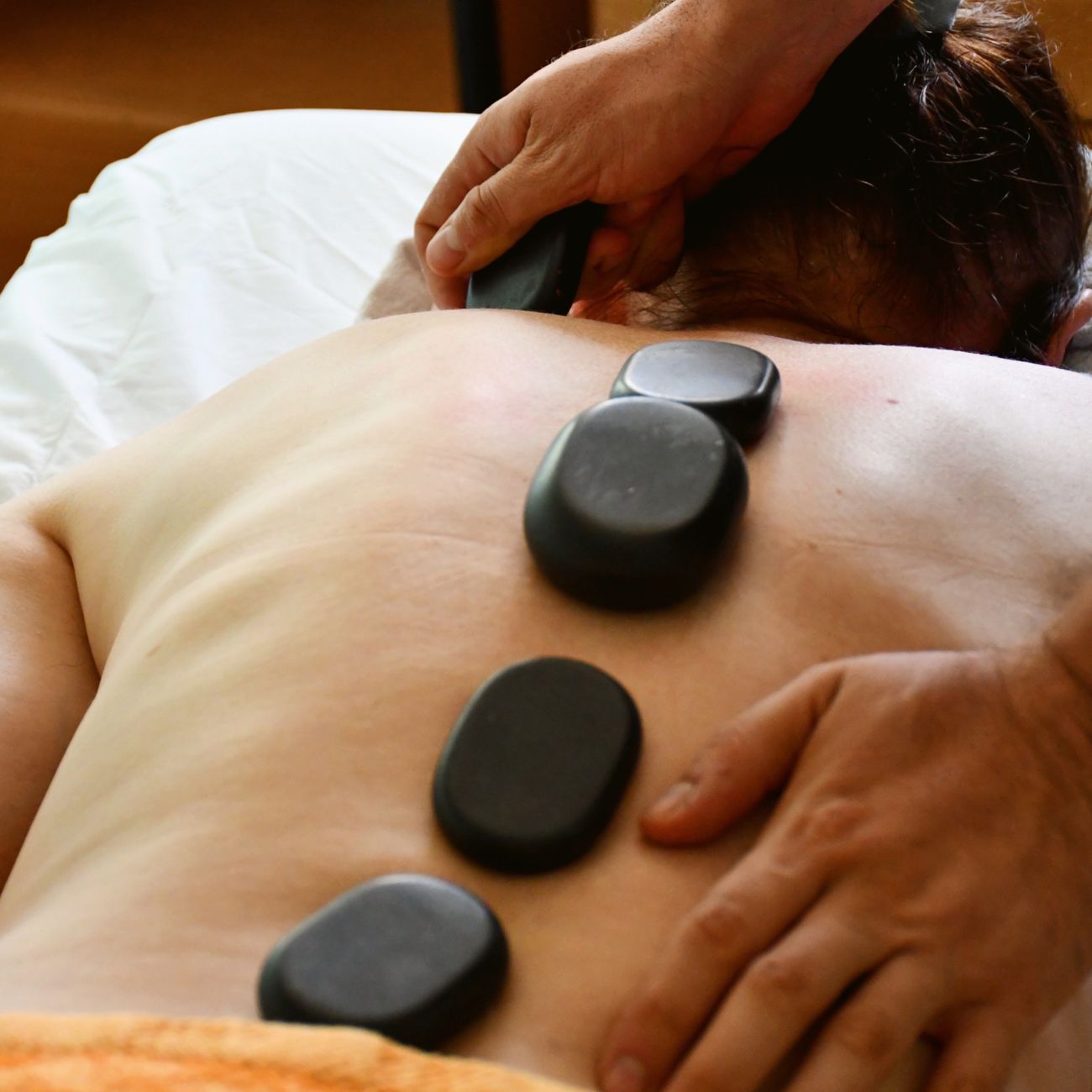
Foot Massage – manual manipulation of foot tissues to improve circulation, reduce tension, and promote relaxation. Therapeutic foot massage may be incorporated into a foot care session to enhance patient comfort. For example, a gentle effleurage technique across the plantar surface can increase blood flow before debridement. Challenges include ensuring that massage pressure is appropriate for patients with reduced sensation to avoid inadvertent injury.
Foot Temperature Assessment – the evaluation of skin temperature using touch or infrared thermography. Temperature differences can indicate inflammation, infection, or vascular compromise. In practice, a practitioner may note a warm, red area on the plantar surface, suggesting cellulitis, and initiate appropriate treatment. Challenges involve the subjectivity of tactile assessment; objective tools like infrared cameras provide more reliable data but may not be readily available in all settings.
Foot Biomechanical Modeling – the use of computer‑based simulations to predict how forces travel through the foot during activity. While often employed in research, some advanced clinics use modeling to design patient‑specific orthotics. For example, a model may reveal excessive shear stress on the second metatarsal, guiding the creation of a custom insole that off‑loads that area. Challenges include the cost and technical expertise required to generate accurate models.
Pedal Edema – swelling of the foot due to fluid accumulation, commonly associated with venous insufficiency, heart failure, or prolonged standing. Management may involve compression therapy, elevation, and addressing underlying medical conditions. In practice, a practitioner may recommend a graduated compression stocking for a patient with chronic edema to reduce swelling and improve comfort. Challenges include monitoring for skin breakdown under compression garments, particularly in patients with compromised sensation.
Foot Infection Control – protocols designed to prevent the spread of pathogens during foot care procedures. This includes hand hygiene, use of gloves, sterilization of instruments, and proper disposal of waste. In practice, a practitioner follows a checklist: Wash hands, don gloves, disinfect the foot, perform the procedure, and then discard gloves appropriately. Challenges involve maintaining strict adherence in busy clinical environments and ensuring that all staff are trained in infection control standards.
Foot Care Documentation – the systematic recording of assessment findings, interventions, patient responses, and follow‑up plans. Accurate documentation supports continuity of care and legal protection. For example, a practitioner notes the size and depth of a callus, the debridement technique used, and the patient’s tolerance level. Challenges include balancing thoroughness with efficiency, especially when using electronic health record systems that may have limited foot‑specific templates.
Foot Care Referral – the process of directing a patient to a specialist when the condition exceeds the practitioner’s scope of practice. Common referrals include podiatrists for surgical evaluation, vascular surgeons for arterial disease, or dermatologists for complex skin conditions. In practice, a practitioner may refer a patient with a non‑healing ulcer to a wound care specialist for advanced therapy. Challenges involve ensuring timely communication and follow‑up to prevent delays in treatment.
Foot Care Ethics – the moral principles guiding practitioner behavior, including respect for patient autonomy, beneficence, non‑maleficence, and confidentiality. An ethical dilemma may arise when a patient refuses recommended off‑loading for a foot ulcer, placing themselves at risk. The practitioner must balance respect for the patient’s decision with the duty to prevent harm, often employing motivational interviewing to encourage adherence. Challenges include navigating cultural beliefs that may influence foot care practices.
Foot Care Research – the systematic investigation of foot health topics to generate evidence‑based practices. Current research areas include the efficacy of novel orthotic materials, the impact of digital pressure monitoring on ulcer prevention, and the role of telemedicine in remote foot assessments. In practice, a practitioner may incorporate findings from a recent randomized controlled trial showing that silicone gel pads reduce metatarsal pressure more effectively than foam pads. Challenges involve staying current with rapidly evolving literature and translating research findings into practical protocols.
Foot Care Technology – the application of devices and software to enhance foot health assessment and treatment. Innovations include smartphone‑based foot imaging, 3‑D printing of custom orthotics, and wearable sensors that monitor gait in real time. A practical example is using a handheld infrared scanner to detect early signs of inflammation in a diabetic foot. Challenges include ensuring that technology is user‑friendly for both practitioner and patient, and that data privacy is maintained.
Foot Care Interprofessional Collaboration – the coordinated effort among healthcare professionals such as physicians, nurses, podiatrists, physiotherapists, and diabetes educators to deliver comprehensive foot care. For instance, a multidisciplinary team may develop a care plan that includes medical management of diabetes, physiotherapy for gait training, and podiatric intervention for ulcer debridement. Challenges involve communication barriers and aligning schedules to ensure seamless patient care.
Foot Care Quality Assurance – systematic processes to monitor and improve the standards of foot care services. This may involve regular audits of infection control practices, patient satisfaction surveys, and outcome tracking for ulcer healing rates. In practice, a clinic might set a target of 80 % ulcer healing within 12 weeks and implement corrective actions if the target is not met. Challenges include allocating resources for continuous quality improvement and fostering a culture of accountability.
Foot Care Risk Assessment – the evaluation of factors that increase the likelihood of foot complications, such as neuropathy, peripheral arterial disease, previous ulceration, and improper footwear. A risk scoring system, like the Wagner classification, helps prioritize interventions. For example, a patient with a high risk score may receive more frequent monitoring and aggressive off‑loading. Challenges involve accurately quantifying risk, especially when multiple comorbidities interact.
Foot Care Patient Empowerment – strategies that enable patients to take active roles in managing their foot health. This includes education on self‑inspection, proper footwear selection, and recognizing early signs of trouble.
Key takeaways
- Improper removal can lead to skin injury or infection, so a gentle technique such as a sterile scalpel blade or a callus file is recommended only after thorough disinfection.
- Challenges arise when a corn becomes infected; the practitioner must recognize signs of erythema, warmth, and pus, and refer the patient for medical treatment if systemic infection is suspected.
- Challenges include the high recurrence rate; therefore, the practitioner should emphasize daily drying of the interdigital spaces and the use of breathable footwear.
- Challenges include preventing secondary infection and ensuring that the drainage technique does not cause additional trauma.
- Challenges involve patient compliance; many individuals underestimate the importance of nightly stretching and may experience chronic pain if the regimen is not followed consistently.
- Challenges include differentiating metatarsalgia from Morton's neuroma, as both can produce similar symptoms but require different interventions.
- Conservative management includes wearing shoes with a low heel and a wide forefoot, using metatarsal pads, and applying anti‑inflammatory medication.