
Growth And Development In Young Athletes
Chronological age refers to the number of years a child has lived since birth. It is the most commonly used measure for grouping athletes in youth sport, but it does not reflect the physical or physiological maturity of the individual. For …
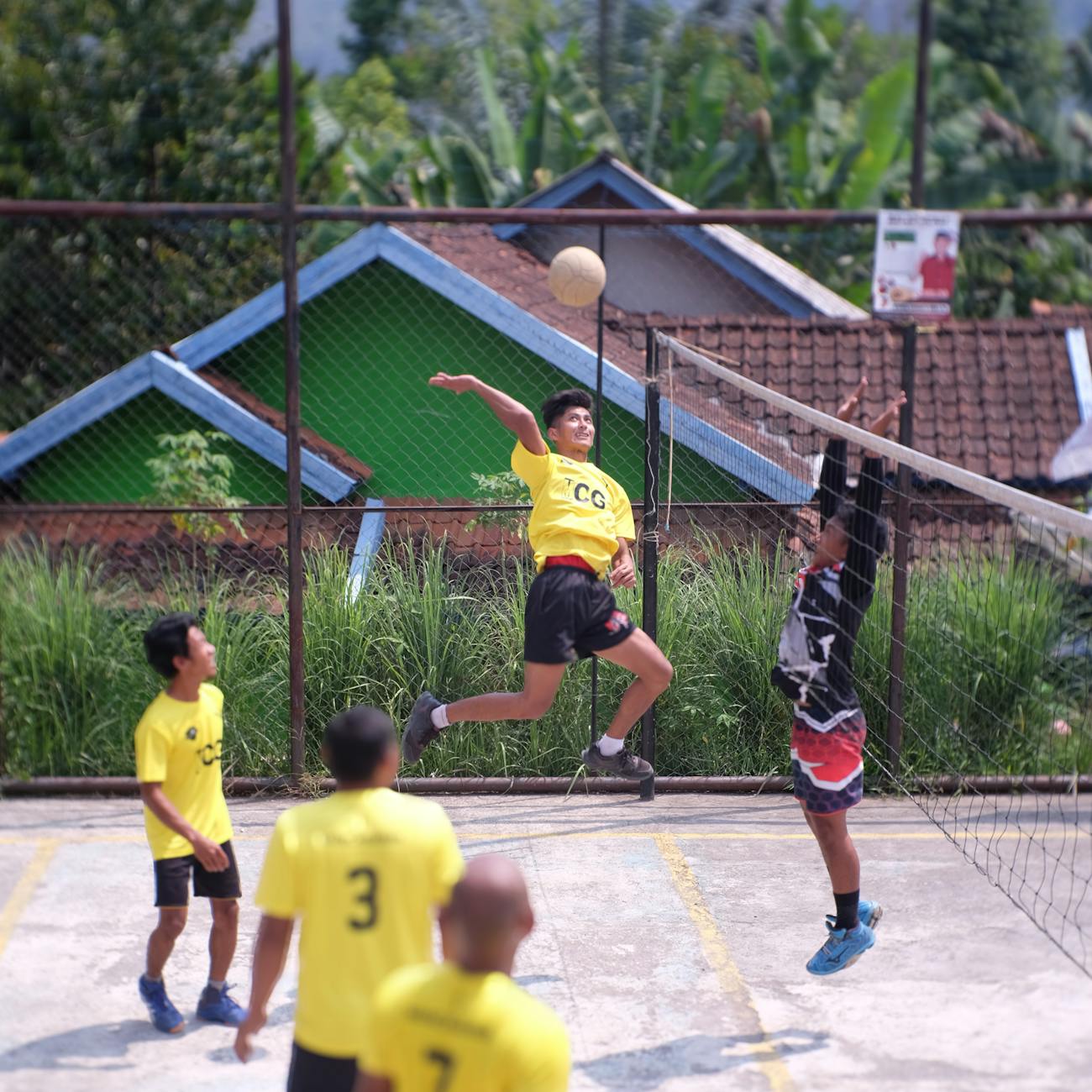
Chronological age refers to the number of years a child has lived since birth. It is the most commonly used measure for grouping athletes in youth sport, but it does not reflect the physical or physiological maturity of the individual. For example, two 12‑year‑old soccer players may differ dramatically in height, strength, and coordination because one is an early maturer and the other is a late maturer. In practice, coaches often rely on chronological age to assign competition levels, yet they must be aware that this metric can mask important developmental differences that influence injury risk and performance potential.
Biological age captures the stage of physical development relative to the average developmental timeline. It is assessed through indicators such as skeletal maturity, Tanner staging, and hormonal levels. A child who is 13 years old chronologically but has the skeletal characteristics of a typical 11‑year‑old is considered biologically younger. Understanding biological age enables practitioners to tailor training loads, design appropriate conditioning programs, and anticipate periods of rapid growth that may predispose athletes to injury.
Peak height velocity (PHV) is the period during which a child experiences the greatest increase in stature over a short interval, usually occurring between ages 11 and 14 in girls and between ages 13 and 15 in boys. This rapid growth phase is driven by hormonal surges, particularly growth hormone and insulin‑like growth factor‑1. PHV is a critical window for monitoring because the fast lengthening of bone can outpace the adaptation of muscle‑tendon units, leading to increased strain on the growth plates. Coaches and clinicians often track PHV by plotting serial height measurements and calculating the slope of the growth curve; a sudden acceleration signals that the athlete is entering a high‑risk period for overuse injuries such as Osgood‑Schlatter disease or Sever’s disease.
Skeletal maturity is evaluated using radiographic methods, most commonly the Tanner–Whitehouse (TW) or Greulich‑Pyle (GP) systems. These systems compare hand‑wrist X‑rays to standardized atlases to assign a skeletal age. A child whose skeletal age exceeds chronological age is termed an “early maturer,” while the opposite condition defines a “late maturer.” Skeletal maturity informs decisions about sport specialization, resistance training intensity, and return‑to‑play timelines after injury. For instance, an early‑maturing male basketball player may be able to tolerate higher loads during the pre‑PHV phase than a late‑maturing counterpart, who may benefit from a more gradual progression.
Growth plates, also known as physes, are regions of cartilaginous tissue located near the ends of long bones where longitudinal growth occurs. They are composed of the epiphysis, metaphysis, and the physeal plate itself. Because growth plates are weaker than the surrounding bone and ligament structures, they are vulnerable to shear and compressive forces, especially during periods of rapid growth. A classic example is the distal tibial physis, which is commonly injured in young soccer players who perform repetitive sprinting and jumping. Proper screening for physeal stress involves assessing training volume, monitoring for pain during activity, and adjusting drills to reduce high‑impact loading when athletes are in the midst of PHV.
Epiphysis denotes the rounded end of a long bone, which participates in joint articulation. The epiphyseal cartilage is the site where the growth plate converges with the articular cartilage. In the context of sport injury prevention, the health of the epiphysis is crucial because trauma to this area can compromise joint congruency and lead to early onset osteoarthritis. For example, a 10‑year‑old gymnast who sustains a distal radial epiphyseal fracture may experience altered wrist mechanics that affect future performance in apparatus work.
Metaphysis is the transitional zone between the epiphysis and diaphysis that contains the growth plate. This region is rich in blood supply and is essential for the supply of nutrients to the physis. The metaphysis is also a frequent site of stress reactions in adolescent athletes who engage in high‑impact sports. Detecting metaphyseal stress injuries early through imaging or clinical assessment can prevent progression to a complete fracture.
Osteochondrosis describes a family of disorders affecting the bone and cartilage, often seen in growing athletes. Conditions such as Osgood‑Schlatter disease (tibial tubercle apophysitis) and Sever’s disease (calcaneal apophysitis) fall under this umbrella. These injuries typically manifest as pain at the site of the growth plate during activity and resolve with rest and modification of loading. Prevention strategies include ensuring adequate warm‑up, incorporating eccentric strengthening of the quadriceps and calf muscles, and avoiding excessive repetitive loading during the PHV window.
Muscle‑tendon unit refers to the functional relationship between a muscle and its attached tendon. In growing athletes, the muscle‑tendon unit may lag behind bone lengthening, resulting in relative muscle tightness and decreased flexibility. This mismatch can increase tensile forces on the growth plates and predispose athletes to conditions such as Patellar tendinopathy. Practitioners can address this issue through regular flexibility assessments, dynamic stretching protocols, and progressive loading that respects the current stage of musculoskeletal development.
Neuromuscular control is the ability of the nervous system to coordinate muscle activation patterns to maintain joint stability and execute movement efficiently. During childhood and adolescence, neuromuscular control improves as the central nervous system matures and as motor experiences accumulate. Poor neuromuscular control is a recognized risk factor for acute injuries such as anterior cruciate ligament (ACL) tears. Training interventions that emphasize balance, proprioception, and plyometric technique can enhance neuromuscular control and reduce injury incidence in youth sports.
Motor learning describes the process by which practice leads to relatively permanent changes in the capability for movement. In young athletes, motor learning is influenced by cognitive development, attentional capacity, and feedback processing. Effective coaching strategies align with the stages of motor learning—cognitive, associative, and autonomous—by providing clear instructions, repetitive practice, and gradually reducing external cues. For example, a youth tennis player learning a serve will initially require explicit verbal cues (cognitive stage), then refine timing through drills (associative stage), and finally achieve a fluid motion with minimal conscious thought (autonomous stage).
Motor development stages are widely categorized into the reflexive, fundamental, and specialized phases. The reflexive stage (0‑2 years) is dominated by involuntary movements; the fundamental stage (3‑7 years) involves the acquisition of basic locomotor and manipulative skills; the specialized stage (8 years onward) sees the refinement of sport‑specific techniques. Understanding where an athlete lies on this continuum helps educators select age‑appropriate drills and avoid premature specialization, which can limit skill diversity and increase burnout risk.
Adolescent growth spurt is a broader term that encompasses the rapid linear growth, increases in muscle mass, and hormonal changes that occur during puberty. This period is marked by increased testosterone in boys and estrogen in girls, both of which accelerate protein synthesis and bone mineralization. However, the surge also creates a window of vulnerability because the rapid increase in body size can challenge coordination and balance. Coaches should incorporate movement quality assessments during this time to identify deficits that may lead to injury.
Puberty triggers a cascade of endocrine events that shape the athlete’s physical profile. Tanner staging, which assesses secondary sexual characteristics, provides a practical framework for categorizing the level of pubertal development. For instance, a girl at Tanner stage III may experience a rapid gain in adipose tissue, whereas a boy at the same stage may see a marked increase in lean mass. Aligning training intensity with Tanner stage helps ensure that the physiological stress imposed by exercise is appropriate for the athlete’s developmental status.
Hormonal influences extend beyond growth hormone and sex steroids. Cortisol, a stress hormone, can affect tissue remodeling and recovery. Elevated cortisol levels in overtrained youth athletes may impair collagen synthesis, leading to weaker tendons and a higher likelihood of overuse injuries. Monitoring perceived exertion and ensuring adequate sleep are practical ways to manage cortisol spikes in this population.
Training load is a composite measure that includes volume (duration, number of repetitions), intensity (speed, resistance), and frequency (sessions per week). In the context of young athletes, training load must be balanced against the capacity for recovery and the stage of growth. A common framework is the acute‑to‑chronic workload ratio, which compares the most recent week’s load (acute) to the average of the preceding four weeks (chronic). Ratios above 1.3 Have been associated with heightened injury risk in adolescent runners. Practitioners can use this metric to adjust programming and prevent spikes in load that coincide with PHV.
Overuse injury describes damage that accumulates from repetitive micro‑trauma without sufficient time for tissue repair. Common overuse injuries in youth sports include medial tibial stress syndrome, Little League shoulder, and jumper’s knee. Prevention requires early identification of excessive load, incorporation of cross‑training to diversify movement patterns, and scheduled rest periods that align with growth phases.
Fatigue is a multidimensional construct that includes peripheral (muscular) and central (neural) components. In young athletes, fatigue can be exacerbated by inadequate nutrition, poor sleep hygiene, and the hormonal fluctuations of puberty. Fatigued athletes exhibit reduced neuromuscular control, slower reaction times, and altered movement mechanics, all of which increase injury susceptibility. Practical measures such as implementing subjective fatigue scales (e.G., Likert‑type questionnaires) and objective monitoring (heart rate variability) can guide coaches in modifying training load.
Recovery encompasses the processes that restore physiological and psychological homeostasis after exercise. For developing athletes, recovery strategies should be age‑appropriate and emphasize fundamentals: Hydration, balanced nutrition, sleep, and active recovery techniques (light aerobic activity, stretching). Cryotherapy and compression garments are sometimes used, but evidence for their efficacy in children is limited; therefore, they should be employed cautiously and always under professional supervision.
Periodization is the systematic planning of training variables to achieve peak performance at predetermined times while minimizing injury risk. Traditional periodization models (linear, undulating) can be adapted for youth athletes by incorporating shorter macro‑cycles (e.G., 8‑Week blocks) and emphasizing skill acquisition over maximal strength gains. During periods of rapid growth, a “maintenance” phase may replace a “strength” phase to protect the musculoskeletal system.
Load monitoring tools include session rating of perceived exertion (sRPE), GPS-derived distance and speed metrics, and wearable inertial sensors that track jump counts and landing forces. When using these tools with children, it is essential to explain the purpose in simple language and to ensure that data collection does not interfere with the enjoyment of sport. For example, a youth basketball coach might ask players to rate their effort on a 1‑to‑10 scale after each practice; the resulting data can be plotted to visualize trends and detect outliers.
Relative age effect (RAE) is the phenomenon where athletes born earlier in the selection year are overrepresented in elite youth cohorts. This bias arises because older children within an age bracket typically possess greater size, strength, and coordination. The RAE can lead to talent identification that favors early maturers, potentially marginalizing late‑maturing athletes who may possess higher long‑term potential. Mitigation strategies include rotating cut‑off dates, using bio‑metric maturity assessments, and providing equal playing opportunities regardless of birth month.
Growth velocity quantifies the rate of change in stature over time, expressed in centimeters per year. Monitoring growth velocity helps identify children who are experiencing accelerated growth, a condition associated with increased injury risk. A practical approach involves measuring height every four weeks and calculating the difference; a velocity exceeding 8 cm per year in pre‑pubertal boys may signal a need to adjust training intensity.
Body composition refers to the proportion of lean mass, fat mass, and bone mineral content within the body. In young athletes, regular assessment of body composition can guide nutrition planning and track the effects of training. Dual‑energy X‑ray absorptiometry (DXA) provides precise measurements, but field methods such as skinfold calipers are more feasible in many settings. Interpretation should consider growth stage; for example, a 12‑year‑old male sprinter with a higher lean mass percentage may have a performance advantage, but excessive leanness could impair growth if caloric intake is insufficient.
Lean mass is the sum of muscle, organ, and bone tissue, excluding adipose tissue. Increases in lean mass during adolescence are driven by hormonal changes and resistance training. Progressive overload programs that respect the athlete’s maturity can safely stimulate hypertrophy without compromising growth plates. A typical protocol for a 14‑year‑old volleyball player might involve two weekly sessions of moderate‑intensity resistance exercises (e.G., 3 Sets of 8‑10 repetitions at 60 % of one‑rep max) combined with plyometric drills.
Fat mass serves important endocrine functions, especially during puberty where estrogen derived from adipose tissue contributes to bone maturation in females. However, excess fat mass can impair agility and increase joint loading. Nutrition education that emphasizes balanced macronutrient intake, rather than restrictive diets, is essential for maintaining healthy body composition in youth sport.
Bone mineral density (BMD) increases rapidly during the adolescent growth spurt, reaching peak values in the early twenties. Weight‑bearing activities such as gymnastics, soccer, and basketball promote BMD accrual. Monitoring BMD through DXA can identify children at risk for low bone mass, allowing early intervention with calcium‑rich diets and appropriate loading exercises.
Psychosocial development encompasses the evolution of self‑concept, peer relationships, and motivation. Young athletes experience pressures related to performance, selection, and parental expectations. A supportive climate that emphasizes mastery goals, rather than outcome goals, reduces anxiety and fosters long‑term participation. Coaches should receive training in communication techniques that reinforce autonomy and competence.
Cognitive development follows the stages described by Piaget, progressing from concrete operations (approximately ages 7‑11) to formal operations (adolescence onward). This progression influences how children process feedback and plan strategies. During the concrete operations phase, athletes benefit from concrete, step‑by‑step instructions; as they transition to formal operations, they can engage in abstract tactical discussions and self‑analysis.
Social development involves the formation of identity within a team context, learning to cooperate, and negotiating leadership roles. Team sports provide a natural laboratory for social skill acquisition. Structured activities that rotate captaincy, encourage peer coaching, and celebrate collective achievements promote positive social development.
Risk factors for injury in young athletes are multifactorial and can be categorized as intrinsic (e.G., Previous injury, maturity status, flexibility deficits) or extrinsic (e.G., Playing surface, equipment, coaching style). A comprehensive risk assessment should integrate both categories. For instance, a 13‑year‑old basketball player with a history of ankle sprain (intrinsic) who practices on a hard, uneven court (extrinsic) has a compounded risk profile that warrants targeted interventions such as ankle strengthening, proprioceptive training, and surface modification.
Injury surveillance is the systematic collection, analysis, and interpretation of injury data to inform prevention strategies. The International Olympic Committee (IOC) recommends using standardized definitions, such as “any physical complaint that results in time loss from sport.” Implementing a simple injury report form that captures date, mechanism, anatomical location, and severity enables coaches to identify patterns and adjust training accordingly.
Preventive screening tools include the Functional Movement Screen (FMS), the Landing Error Scoring System (LESS), and the Y‑Balance test. While these assessments are not diagnostic, they provide insight into movement quality and asymmetries that may predispose athletes to injury. For example, a high LESS score in a youth soccer player indicates poor landing mechanics, prompting the inclusion of neuromuscular training to correct deficiencies.
Flexibility assessment typically involves measuring the range of motion (ROM) at key joints using goniometers or inclinometer devices. During the PHV, a temporary decrease in hamstring flexibility is common due to rapid femoral lengthening. Incorporating dynamic stretching protocols that target the hamstrings, quadriceps, and calf muscles can mitigate this temporary tightness and reduce the likelihood of apophyseal injuries.
Strength assessment can be performed using hand‑grip dynamometry, isokinetic testing, or field‑based tests such as the standing long jump. Tracking strength trends over time provides objective data to guide progression. A decline in normalized strength (strength relative to body mass) during a rapid growth period may signal the need for load reduction or increased emphasis on technique.
Motor competence is the ability to execute a wide variety of fundamental movement skills with efficiency. High motor competence in early childhood predicts later participation in organized sport and lower injury rates. Early exposure to a variety of physical activities—running, jumping, throwing, catching—facilitates the development of motor competence and reduces the temptation for early specialization.
Early specialization refers to focusing on a single sport before the age of 12, often at the expense of diversified movement experiences. Research indicates that early specialization is linked to higher rates of overuse injuries, burnout, and reduced overall athletic development. Coaches should encourage multi‑sport participation, especially during the fundamental stage of motor development, to promote a well‑rounded athletic foundation.
Load progression follows the principle of “gradual overload,” which states that training load should increase incrementally—typically no more than 10 % per week—to allow adaptation without overwhelming the musculoskeletal system. In youth sport, strict adherence to this rule is especially important during periods of rapid growth, where the capacity for adaptation fluctuates.
Periodised recovery integrates planned rest days, active recovery sessions, and off‑season breaks into the overall training plan. For adolescent athletes, a minimum of one full rest week per month is recommended to prevent cumulative fatigue. Recovery strategies should be varied to maintain engagement—alternating light swimming, yoga, and low‑intensity bike rides can keep athletes refreshed while preserving aerobic conditioning.
Nutrition for growth emphasizes adequate caloric intake to support both training demands and the energetic costs of growth. Macronutrient distribution should be balanced: Carbohydrates for fuel, protein for muscle repair, and healthy fats for hormonal synthesis. Micronutrients such as calcium, vitamin D, and magnesium are essential for bone health. Simple guidelines, such as encouraging a colorful plate with dairy or fortified alternatives, can help athletes meet these needs without complex dietary prescriptions.
Hydration is often overlooked in youth sport but is critical for maintaining performance and preventing heat‑related illness. Children have a higher surface‑area‑to‑body‑mass ratio, making them more susceptible to dehydration. Educating athletes to drink water before, during, and after practice, and providing accessible water stations, promotes good hydration habits.
Sleep hygiene influences recovery, hormone regulation, and cognitive function. Adolescents require 8‑10 hours of sleep per night. Poor sleep can elevate cortisol, reduce growth hormone secretion, and impair motor learning. Practical recommendations include establishing a consistent bedtime routine, limiting screen time before sleep, and creating a dark, quiet sleeping environment.
Psychological readiness is a component of return‑to‑play decision‑making. Even after physical healing, an athlete may experience fear of re‑injury, which can alter movement patterns and increase re‑injury risk. Incorporating graded exposure to sport‑specific tasks, mental imagery, and confidence‑building exercises can facilitate psychological recovery.
Return‑to‑play criteria for young athletes should be multifactorial, combining objective measures (strength symmetry, functional test scores) with subjective assessments (pain level, confidence). A stepwise protocol might include: (1) Pain‑free range of motion, (2) full weight‑bearing without compensation, (3) sport‑specific functional drills, and (4) full participation in practice with monitoring. Each stage should be cleared by a qualified health professional.
Screening for asymmetry involves comparing bilateral measures (e.G., Single‑leg hop distance, isometric strength) to detect side‑to‑side differences. A common threshold is a 10 % discrepancy; exceeding this may warrant targeted corrective exercises before returning to full competition.
Heat stress is a particular concern for adolescent athletes who may have limited thermoregulatory capacity. The risk increases during hot, humid conditions and when training intensity is high. Guidelines such as the “Wet‑Bulb Globe Temperature” index help determine safe practice times. Acclimatization protocols, including gradual exposure over 7‑10 days, reduce heat‑related illness.
Equipment fit influences injury risk. Shoes that are too small, overly worn, or inappropriate for the sport can alter biomechanics and increase stress on growth plates. Regular equipment checks, especially during growth spurts when foot size changes rapidly, are essential. Coaches should educate athletes and parents on the signs of inadequate footwear: Premature wear, heel slippage, or altered gait.
Playing surface characteristics—hardness, traction, and uniformity—affect load transmission. Hard surfaces (e.G., Concrete) increase impact forces on the lower extremities, while uneven turf can cause ankle sprains. When possible, schedule practices on forgiving surfaces (e.G., Grass, rubberized mats) and rotate locations to limit repetitive exposure to high‑impact environments.
Training environment includes factors such as coaching style, peer dynamics, and organizational policies. A positive environment that emphasizes learning, enjoyment, and safety contributes to better adherence to injury‑prevention programs. Conversely, a high‑pressure environment may encourage athletes to ignore pain signals, increasing injury risk.
Education and communication are cornerstones of effective injury prevention. Providing clear, age‑appropriate information to athletes, parents, and coaches about growth‑related risks, signs of overuse injury, and proper recovery practices empowers stakeholders to act promptly. Workshops, handouts, and digital resources can reinforce these messages.
Data‑driven decision‑making leverages the information gathered through monitoring tools, injury surveillance, and performance testing. By analyzing trends—such as a spike in sRPE scores coinciding with PHV—practitioners can proactively adjust training loads, schedule preventive conditioning sessions, and allocate resources to high‑risk groups.
Multidisciplinary collaboration involves coordination among physicians, physiotherapists, strength coaches, nutritionists, and psychologists. Each professional contributes a unique perspective on the athlete’s development. Regular case conferences and shared documentation facilitate a holistic approach that addresses the physical, mental, and social dimensions of growth and sport.
Ethical considerations arise when balancing competitive success with the health of developing athletes. Informed consent, age‑appropriate communication, and respect for the child’s autonomy are essential. Practitioners must avoid imposing adult expectations on children and should prioritize long‑term well‑being over short‑term performance gains.
Legal responsibilities vary by jurisdiction but generally include duty of care, mandatory reporting of injuries, and compliance with child protection policies. Coaches and organizations should be familiar with local regulations regarding medical clearance, concussion protocols, and safeguarding to ensure a safe sporting environment.
Technology integration offers opportunities for real‑time monitoring of load, biomechanics, and fatigue. Wearable sensors can capture jump count, landing forces, and heart rate variability, providing actionable data. However, technology should complement, not replace, clinical judgment. Data privacy, cost, and the child’s comfort with devices must be considered before implementation.
Future research directions highlight gaps in knowledge about the interaction between growth velocity, neuromuscular development, and injury risk. Longitudinal studies that track athletes from pre‑puberty through senior competition can illuminate causal pathways and inform evidence‑based guidelines. Emerging areas such as genetic profiling, advanced imaging of growth plates, and machine‑learning models for injury prediction hold promise but require careful validation before widespread adoption.
Practical application example 1: A 11‑year‑old male soccer player is identified as an early maturer based on a hand‑wrist X‑ray indicating a skeletal age of 13. His coach implements a modified training schedule that includes two weekly resistance sessions focused on lower‑body strength, balanced with skill drills that emphasize agility and ball control. Height measurements taken bi‑weekly reveal a PHV of 8 cm per year, prompting a temporary reduction in high‑impact sprint work. The player’s sRPE scores are monitored, and when a ratio above 1.3 Is observed, the coach adds an extra recovery day and introduces light swimming to maintain aerobic fitness while allowing the musculoskeletal system to adapt.
Practical application example 2: A 14‑year‑old female gymnast experiences persistent heel pain during floor routines. Clinical examination suggests calcaneal apophysitis. The medical team confirms the diagnosis with ultrasound imaging, showing inflammation of the growth plate. Intervention includes a short period of activity modification, an eccentric calf‑strengthening program, and education on appropriate footwear. The gymnast’s training load is adjusted using the acute‑to‑chronic workload ratio, ensuring a gradual re‑introduction to full practice. Follow‑up after six weeks shows resolution of pain and restored performance levels.
Practical application example 3: A youth basketball league adopts a league‑wide injury surveillance system that records all time‑loss injuries. Data analysis after one season reveals a clustering of ankle sprains on courts with a specific type of synthetic flooring. The league collaborates with facility managers to replace the high‑traction surface with a more forgiving material, and introduces a preseason ankle‑stability program for all players. Subsequent monitoring demonstrates a 30 % reduction in ankle injuries in the following season, illustrating the impact of data‑driven environmental modifications.
Practical application example 4: A cross‑country coach notices that several athletes report increased fatigue during the month of June, coinciding with the onset of the PHV for many of the runners. The coach implements a monitoring protocol that includes nightly sleep logs, daily sRPE entries, and weekly height measurements. When a runner’s growth velocity exceeds 7 cm per year, the coach reduces weekly mileage by 15 % and adds additional stretching and strengthening sessions targeting the hamstrings and calves. Over the next three months, the athletes maintain performance while reporting fewer episodes of knee pain, underscoring the value of individualized load adjustments during growth spurts.
Practical application example 5: A school district introduces a “movement literacy” curriculum for 5‑ to 8‑year‑old students. The program rotates activities—jump rope, obstacle courses, basic gymnastics, and ball games—to develop fundamental motor skills. Assessments using the FMS at the start and end of the school year show significant improvements in mobility, stability, and overall movement quality. The district observes higher participation rates in after‑school sports and a lower incidence of early‑stage overuse injuries, supporting the concept that early motor competence protects against later injury.
Challenges in implementation include limited resources for advanced imaging, time constraints for comprehensive screening, and variability in coach education. Many youth programs operate with volunteer coaches who may lack formal training in growth‑related injury prevention. To address this, organizations can develop concise, evidence‑based training modules that focus on recognizing signs of rapid growth, adjusting load, and communicating with parents. Additionally, integrating technology such as mobile apps for height tracking and sRPE logging can streamline data collection without imposing excessive administrative burden.
Barriers to adherence often stem from athlete motivation, parental expectations, and cultural attitudes toward sport specialization. Young athletes may resist reduced training volume during PHV because they fear falling behind peers. Engaging athletes in the decision‑making process—explaining the science behind load management and highlighting long‑term benefits—can improve compliance. Parental education sessions that emphasize the importance of balanced development and injury prevention can align home support with program goals.
Monitoring compliance is essential to ensure that prescribed interventions are executed. Simple compliance checklists, such as a weekly log of completed stretching routines or a record of rest days taken, can be reviewed by coaches. When non‑compliance is identified, a brief conversation to uncover barriers (e.G., Time constraints, lack of understanding) allows for problem‑solving and adjustments to the program.
Integration with school curricula offers an avenue to reinforce growth‑related concepts. Physical education teachers can coordinate with sports coaches to align skill development, ensure appropriate progression, and share observations about individual athletes’ readiness. Joint workshops that bring together teachers, coaches, and health professionals foster a unified approach to nurturing healthy development.
Policy implications involve establishing guidelines that mandate minimum rest periods, limit weekly training hours, and require maturity assessments for competitive selection. Governing bodies can adopt age‑group classifications that consider biological maturity, thereby reducing the impact of the RAE. Policies that support access to qualified medical evaluation—particularly for injuries involving growth plates—help safeguard the health of young athletes.
Research methodology considerations when studying growth and development include the need for longitudinal designs, appropriate control groups, and standardized outcome measures. Researchers must account for confounding variables such as socioeconomic status, nutrition, and prior sport experience. Ethical protocols require assent from the child, parental consent, and assurance that participation does not interfere with normal training or competition.
Statistical analysis in this field often employs mixed‑effects models to handle repeated measures within individuals and to capture the influence of time‑varying covariates like growth velocity. Survival analysis techniques can be applied to examine the time to injury onset relative to PHV milestones. Proper statistical handling ensures that conclusions about risk factors are robust and generalizable.
Interdisciplinary case study: A multidisciplinary team follows a 13‑year‑old female lacrosse player from pre‑PHV through two years post‑PHV. Baseline assessments include skeletal age determination, body composition analysis, and functional movement screening. Over the study period, the team tracks training load, injury occurrence, and psychosocial factors such as motivation and perceived stress. Findings reveal that spikes in acute‑to‑chronic workload ratio during PHV are strongly associated with subsequent knee pain, while periods of high social support correlate with better adherence to preventive exercises. The case underscores the necessity of integrating physiological, biomechanical, and psychosocial data to create comprehensive injury‑prevention strategies.
Future directions for practice suggest incorporating growth‑aware periodization models that adjust macro‑cycles based on individual maturity status rather than chronological age alone. Development of user‑friendly digital platforms that combine height tracking, load monitoring, and symptom reporting can facilitate real‑time decision‑making. Training curricula for coaches should embed modules on growth physiology, allowing them to recognize the signs of rapid growth and to modify drills accordingly.
Conclusion of content (Note: This heading is included only as a textual marker; no formatting tags are used beyond the required bold and italic). The extensive terminology and concepts outlined above provide a foundation for understanding the intricate relationship between growth, development, and injury risk in young athletes. Mastery of these terms enables practitioners to design evidence‑based programs, conduct accurate assessments, and implement targeted interventions that respect the unique physiological landscape of each developing athlete. By integrating monitoring, education, and multidisciplinary collaboration, the field can advance toward safer, more effective youth sport environments that promote long‑term health and athletic excellence.
Key takeaways
- In practice, coaches often rely on chronological age to assign competition levels, yet they must be aware that this metric can mask important developmental differences that influence injury risk and performance potential.
- Understanding biological age enables practitioners to tailor training loads, design appropriate conditioning programs, and anticipate periods of rapid growth that may predispose athletes to injury.
- Peak height velocity (PHV) is the period during which a child experiences the greatest increase in stature over a short interval, usually occurring between ages 11 and 14 in girls and between ages 13 and 15 in boys.
- For instance, an early‑maturing male basketball player may be able to tolerate higher loads during the pre‑PHV phase than a late‑maturing counterpart, who may benefit from a more gradual progression.
- Proper screening for physeal stress involves assessing training volume, monitoring for pain during activity, and adjusting drills to reduce high‑impact loading when athletes are in the midst of PHV.
- In the context of sport injury prevention, the health of the epiphysis is crucial because trauma to this area can compromise joint congruency and lead to early onset osteoarthritis.
- Detecting metaphyseal stress injuries early through imaging or clinical assessment can prevent progression to a complete fracture.