
Psychological Factors In Pediatric Sports
Self‑efficacy refers to a young athlete’s belief in their ability to execute specific sport‑related tasks successfully. A child who thinks they can master a new gymnastics routine is more likely to practice diligently and persist through se…
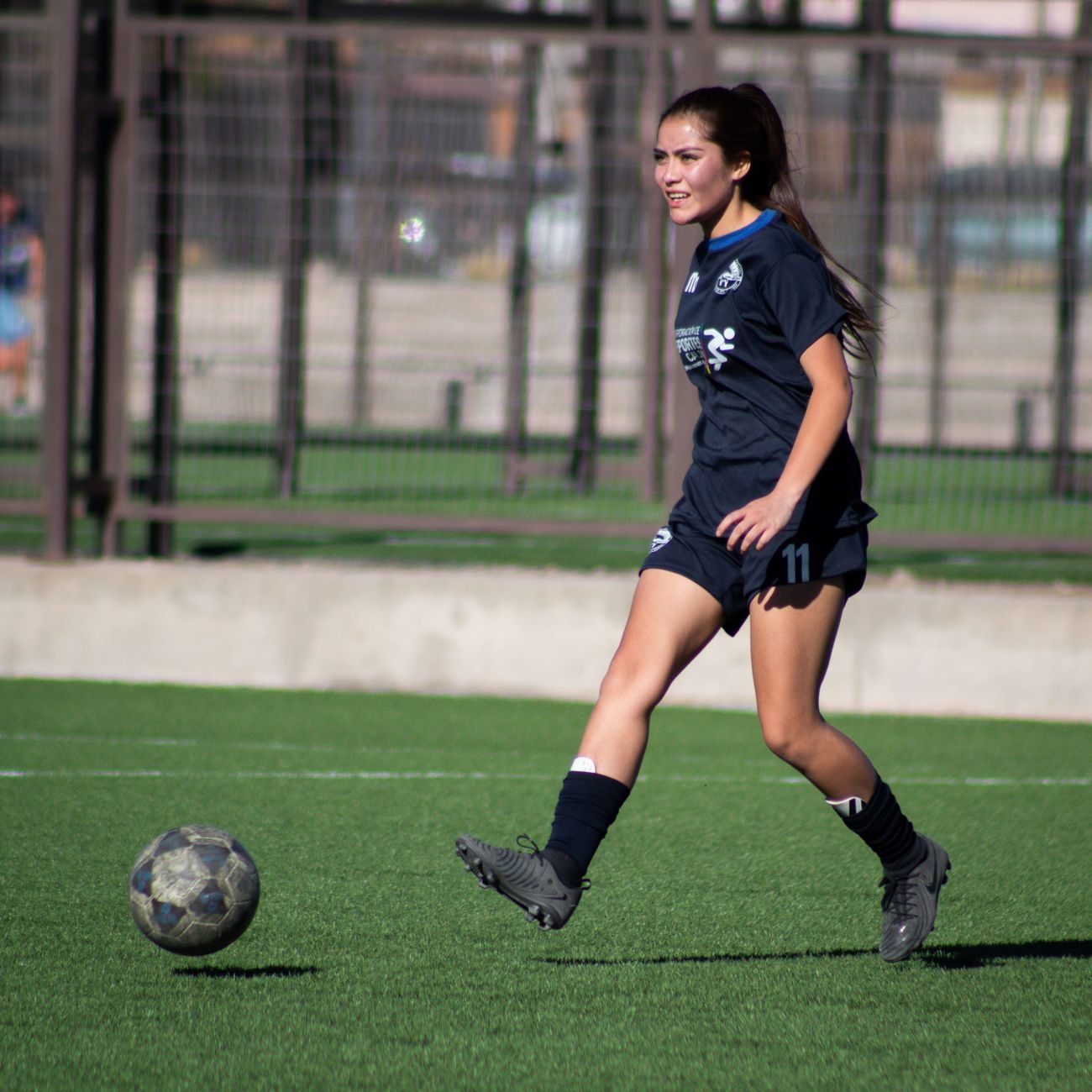
Self‑efficacy refers to a young athlete’s belief in their ability to execute specific sport‑related tasks successfully. A child who thinks they can master a new gymnastics routine is more likely to practice diligently and persist through setbacks. In practice, coaches can enhance self‑efficacy by providing mastery experiences, offering constructive feedback, and modeling desired skills. A common challenge is over‑generalization, where a child’s confidence in one sport spills over to unrelated activities, potentially leading to unrealistic expectations and disappointment.
Intrinsic motivation describes the internal drive to engage in sport for its own enjoyment, curiosity, or personal satisfaction. For example, a 10‑year‑old soccer player who loves the thrill of scoring a goal is intrinsically motivated, whereas a child who plays solely for parental approval may rely more on extrinsic incentives. Practically, fostering intrinsic motivation involves emphasizing fun, autonomy, and competence rather than external rewards. A difficulty arises when competitive environments place excessive emphasis on outcomes, which can diminish intrinsic interest over time.
Extrinsic motivation is the pursuit of sport driven by external rewards such as trophies, praise, or scholarships. While extrinsic motivators can boost short‑term participation, reliance on them may undermine long‑term engagement if the rewards cease. Coaches can balance extrinsic and intrinsic factors by recognizing achievements while also highlighting personal growth and enjoyment. The challenge lies in preventing a “reward‑only” mindset that can lead to burnout when external incentives are withdrawn.
Achievement goal orientation captures how young athletes define success. A task‑oriented child focuses on personal improvement and skill mastery, whereas an ego‑oriented child gauges success against peers. Task orientation is linked to adaptive coping and lower anxiety, while ego orientation can increase pressure and fear of failure. In training sessions, setting individualized skill‑based targets can promote task orientation. However, competitive tournaments often highlight ego‑oriented comparisons, making it difficult for coaches to sustain task‑focused attitudes.
Sport anxiety encompasses nervousness, worry, and physiological arousal that arise before or during competition. A child who experiences a racing heart before a basketball game may exhibit sport anxiety. Differentiating between facilitative anxiety (which can enhance alertness) and debilitative anxiety (which impairs performance) is essential. Intervention strategies such as progressive muscle relaxation, breathing exercises, and cognitive restructuring can reduce debilitative anxiety. A persistent challenge is that children may lack the vocabulary to articulate their anxiety, leading to misinterpretation of symptoms as mere “nervousness.”
Stress in pediatric sport can stem from academic pressures, parental expectations, or peer dynamics. Chronic stress can impair recovery, increase injury risk, and diminish enjoyment. Monitoring stress through athlete self‑report tools and observing behavioral changes (e.G., Irritability or withdrawal) enables early identification. Stress‑management techniques, including time‑management workshops and mindfulness sessions, are practical applications. Yet, integrating these programs within busy training schedules often meets resistance from stakeholders who prioritize physical conditioning over psychological preparation.
Coping strategies are the cognitive and behavioral efforts employed to manage sport‑related stress. Problem‑focused coping (e.G., Seeking technical advice) and emotion‑focused coping (e.G., Seeking emotional support) are two primary categories. A youth swimmer who asks for feedback after a poor race is using problem‑focused coping, while a child who talks to a teammate about disappointment is employing emotion‑focused coping. Teaching a repertoire of coping skills, such as positive self‑talk and relaxation, equips athletes to handle setbacks. Challenges include ensuring strategies are age‑appropriate; younger children may benefit more from concrete, visual methods, whereas adolescents can engage in abstract cognitive reframing.
Burnout is a syndrome of physical and emotional exhaustion, reduced sense of accomplishment, and sport devaluation. Early signs in children include chronic fatigue, loss of interest, and declining performance. Preventative measures involve monitoring training load, encouraging diversified activities, and fostering a supportive environment. A practical example is implementing “off‑season” periods where athletes engage in non‑sport hobbies. The main difficulty lies in distinguishing healthy fatigue from burnout, especially when high‑performing athletes mask symptoms to meet expectations.
Mental toughness denotes the ability to maintain focus, confidence, and composure under pressure. While often celebrated in elite sport, it must be contextualized for youth athletes to avoid promoting rigidity. Developing mental toughness includes teaching goal setting, emotional regulation, and resilience. For instance, a young tennis player who rebounds after a double fault demonstrates mental toughness. A challenge is balancing the cultivation of mental toughness with safeguarding emotional wellbeing; excessive emphasis can pressure children to suppress legitimate emotions, leading to maladaptive coping.
Confidence is the belief in one’s capability to succeed in sport tasks. It fluctuates with performance outcomes, feedback, and personal experiences. Building confidence can involve mastery experiences (success in practice), verbal persuasion (encouragement from coaches), and physiological regulation (relaxation to reduce nervousness). A case study might involve a 12‑year‑old hurdler who gains confidence after a series of successful drills. However, confidence may be fragile if based solely on external validation, making it vulnerable to performance slumps.
Self‑talk refers to the internal dialogue athletes use to guide behavior and emotions. Positive self‑talk (e.G., “I can keep my form”) enhances performance, while negative self‑talk (“I always mess up”) undermines it. Teaching children to replace negative statements with constructive alternatives improves focus and reduces anxiety. Practical tools include cue cards with positive phrases and rehearsal of self‑talk scripts before competition. The difficulty often lies in habitual negative self‑talk patterns that are deeply ingrained, requiring consistent reinforcement to modify.
Goal setting is the process of establishing specific, measurable, attainable, relevant, and time‑bound (SMART) objectives. For pediatric athletes, goals should be developmentally appropriate and emphasize skill acquisition. An example goal for a young swimmer might be “improve 50‑meter freestyle time by 2 seconds over the next six weeks.” Goal setting enhances motivation, provides direction, and facilitates progress tracking. Challenges include maintaining flexibility; rigid goals may become discouraging if unforeseen circumstances, such as injury, prevent achievement.
Locus of control describes the extent to which individuals attribute outcomes to internal factors (personal effort) versus external factors (luck, fate). An internal locus encourages responsibility and proactive behavior, while an external locus may foster helplessness. In sport, a child who attributes a missed shot to “I didn’t practice enough” demonstrates an internal locus, whereas one who blames “the referee was unfair” shows an external locus. Coaches can nurture an internal locus by highlighting controllable aspects of performance and minimizing blame for uncontrollable events. A challenge is cultural or familial influences that may predispose children toward external attributions.
Perfectionism involves setting excessively high standards and being overly critical of mistakes. Adaptive perfectionism can drive dedication, but maladaptive perfectionism leads to anxiety, fear of failure, and burnout. A young gymnast who insists every routine be flawless may experience heightened stress and reduced enjoyment. Interventions include teaching flexible standards, encouraging process‑oriented feedback, and normalizing errors as learning opportunities. The difficulty lies in distinguishing between healthy striving and harmful perfectionism, especially when parental expectations reinforce the latter.
Resilience is the capacity to bounce back from adversity, such as injury, loss, or performance setbacks. Resilient athletes view challenges as opportunities for growth. For example, a child who returns to sport after a wrist fracture with renewed determination displays resilience. Building resilience involves fostering supportive relationships, promoting problem‑solving skills, and encouraging optimism. A key challenge is that resilience is not static; it fluctuates with developmental stages, requiring ongoing reinforcement.
Sport identity encompasses the degree to which an individual defines themselves through sport participation. A strong sport identity can boost commitment and confidence but may also create vulnerability when athletes face injury or retirement. A teenager who sees themselves primarily as a “basketball player” may struggle with identity loss after a season‑ending injury. Balancing sport identity with broader self‑concepts (academics, hobbies) helps mitigate risks. The challenge is that coaches and parents sometimes unintentionally reinforce a singular identity by focusing exclusively on sport achievements.
Social support includes emotional, informational, and instrumental assistance from peers, parents, and coaches. High levels of social support correlate with reduced anxiety, better coping, and enhanced performance. A practical application is establishing peer mentorship programs where older athletes guide younger teammates. However, the quality of support matters; over‑protective parental involvement can undermine autonomy and increase pressure. Ensuring supportive interactions remain encouraging rather than controlling is a nuanced challenge.
Parental influence is a multifaceted factor encompassing expectations, involvement, and modeling behaviors. Positive parental influence involves providing encouragement, facilitating balanced schedules, and modeling healthy coping. Conversely, excessive pressure, criticism, or “win‑at‑all‑costs” attitudes can increase anxiety and burnout. Strategies for parents include education workshops on developmental appropriateness, communication skills, and the importance of autonomy. A challenge is that parental attitudes often reflect their own experiences in sport, which may be outdated or misaligned with current best practices.
Coach‑athlete relationship is central to psychological development in youth sport. Trust, clear communication, and mutual respect foster a safe environment for learning and growth. Effective coaches use positive reinforcement, set realistic expectations, and encourage athlete input. For instance, a coach who solicits a child’s opinion on practice drills promotes empowerment. Difficulties arise when power dynamics inhibit open dialogue, or when coaches lack training in child psychology, leading to misinterpretation of behavior.
Peer influence can motivate or deter sport participation. Positive peer influence includes supportive teammates who encourage effort and celebrate successes. Negative peer influence may manifest as teasing, exclusion, or pressure to conform to risky behaviors (e.G., Early specialization). Programs that promote inclusive team cultures and teach conflict‑resolution skills can harness peer influence constructively. The challenge is that peer dynamics shift rapidly during adolescence, requiring continuous monitoring.
Developmental considerations recognize that cognitive, emotional, and social capacities evolve with age. Younger children (≈6‑9 years) think concretely and benefit from simple instructions, visual cues, and immediate feedback. Early adolescents (≈10‑13 years) develop abstract reasoning, allowing for more complex strategy discussions and goal‑setting. Late adolescents (≈14‑18 years) experience identity formation and increased self‑awareness, making autonomy‑supportive coaching crucial. Tailoring psychological interventions to developmental stages ensures relevance and effectiveness. A common obstacle is applying a one‑size‑fits‑all approach, which can alienate athletes at different maturity levels.
Sport specialization refers to intense focus on a single sport, often at the exclusion of other activities. Early specialization may increase skill acquisition but also elevates risks of overuse injury, psychological stress, and burnout. Encouraging diversified sport experiences during childhood promotes motor skill development and reduces monotony. A practical recommendation is limiting organized sport participation to a maximum of 8‑10 hours per week for children under 12. The challenge is societal pressure from elite pathways that valorize early specialization, making it difficult for families to adopt a balanced approach.
Flow is the optimal psychological state where athletes experience deep immersion, enjoyment, and effortless performance. Achieving flow requires a balance between skill level and task difficulty, clear goals, and immediate feedback. For a young skier navigating a challenging slope, flow may occur when the athlete feels fully in sync with the environment. Coaches can facilitate flow by designing drills that progressively increase challenge while aligning with the athlete’s competence. However, flow is transient and can be disrupted by external distractions or internal anxiety, requiring vigilant management.
Attention regulation involves directing focus to relevant cues while filtering out distractions. In sport, selective attention enables a basketball player to track the ball while ignoring crowd noise. Training attention regulation includes drills that simulate game‑like distractions, mindfulness practices, and cue‑word strategies. For example, a volleyball player might use the cue “eyes on the setter” to maintain focus during a rally. A major difficulty is that young athletes often lack the metacognitive skills to self‑monitor attention, necessitating explicit instruction and reinforcement.
Arousal regulation pertains to managing physiological activation levels to match task demands. High arousal can enhance performance on power tasks but hinder fine‑motor activities. Techniques such as deep breathing, progressive muscle relaxation, and visualization help athletes modulate arousal. A child sprinter may use a “calm‑down” routine before a race to prevent excessive nervousness. The challenge lies in individual variability; some athletes thrive under high arousal, while others require a calmer state, demanding personalized approaches.
Mental skills training encompasses a suite of techniques designed to improve psychological performance. Core components include imagery, self‑talk, goal setting, relaxation, and concentration drills. Implementing a structured mental skills program for youth teams can standardize psychological preparation. For instance, a weekly session where athletes practice visualization of successful plays can enhance confidence. Barriers include limited time in practice schedules, lack of qualified mental‑skill coaches, and skepticism from stakeholders who prioritize physical training.
Imagery (or visualization) is the mental rehearsal of sport actions, sensations, and outcomes. Effective imagery engages all senses and includes kinesthetic, visual, and auditory elements. A young diver might mentally rehearse the feel of entering the water and the sound of applause. Regular imagery practice can improve motor learning, reduce anxiety, and reinforce confidence. A practical tip is pairing imagery with relaxed breathing to deepen the experience. Challenges include ensuring athletes have vivid imagery ability; some children may struggle with generating detailed mental pictures, requiring guided imagery scripts.
Relaxation techniques aim to reduce physiological tension and mental stress. Progressive muscle relaxation, diaphragmatic breathing, and guided imagery are common methods. Incorporating brief relaxation breaks during practice can lower overall arousal and improve focus. For example, a 5‑minute breathing exercise after a high‑intensity drill can help athletes transition smoothly to the next activity. Resistance may arise from perceptions that relaxation is “un‑sporty” or time‑consuming, necessitating education on its performance benefits.
Attentional focus distinguishes between internal focus (awareness of body movements) and external focus (attention to environmental cues). Research shows that an external focus often yields better performance in youth sport. A young golfer concentrating on the target (external) rather than the swing mechanics (internal) may achieve more consistent shots. Coaches can cue external focus by using phrases like “watch the ball” or “aim for the net.” A difficulty is that some athletes naturally adopt an internal focus, requiring gradual transition strategies to avoid confusion.
Self‑regulation involves monitoring, evaluating, and adjusting one’s thoughts, emotions, and behaviors to achieve goals. In sport, self‑regulation may include tracking practice hours, reflecting on performance, and modifying effort levels. Teaching self‑regulation skills can be done through reflective journals, goal‑review meetings, and feedback loops. For instance, a youth basketball player may record daily shooting percentages and set incremental improvement targets. Obstacles include limited self‑awareness in younger children and the temptation to rely on external monitoring, which can hinder development of autonomous regulation.
Risk perception is the athlete’s assessment of potential injury or performance hazards. Accurate risk perception enables prudent decision‑making, such as recognizing when fatigue increases injury likelihood. Education programs that teach children to identify warning signs (e.G., Persistent soreness) improve risk perception. A practical scenario involves a young soccer player learning to pause play when experiencing sharp knee pain rather than pushing through. Challenges include the tendency of children to underestimate risk due to optimism bias or peer pressure to “play through pain.”
Fear of injury can affect confidence, participation, and performance. A child who fears re‑injuring a previously sprained ankle may hesitate to engage fully in a game, reducing effectiveness. Cognitive‑behavioral techniques, such as exposure therapy (gradual re‑introduction to feared movements) and positive self‑talk, can alleviate fear. Coaches should provide safe practice environments and clear communication about injury management. A persistent issue is that fear may be reinforced by overprotective adults, inadvertently increasing anxiety.
Return‑to‑play anxiety emerges when athletes resume sport after injury or medical clearance. Symptoms include worry about re‑injury, decreased confidence, and heightened vigilance. Structured return‑to‑play protocols that incorporate psychological readiness assessments help address this anxiety. For example, incorporating a confidence rating scale alongside physical benchmarks allows clinicians to gauge mental preparedness. The challenge is that athletes may underreport anxiety to appear “ready,” masking underlying concerns that could jeopardize successful reintegration.
Motivational climate describes the environment created by coaches, parents, and peers that influences motivation. A mastery‑oriented climate emphasizes learning, effort, and personal progress, whereas a performance‑oriented climate stresses winning and comparison. Creating a mastery climate involves praising effort, encouraging skill development, and minimizing punitive criticism. This climate is associated with higher intrinsic motivation and lower anxiety. However, competitive tournaments often default to performance climates, making it difficult for coaches to sustain mastery‑focused messages throughout the season.
Psychological readiness is the mental state indicating an athlete’s preparedness to engage in sport demands. It encompasses confidence, focus, emotional stability, and coping capacity. Assessments may involve questionnaires, interviews, and observation of behavior under pressure. A child who demonstrates calmness during a simulated high‑stakes drill is likely psychologically ready. Incorporating psychological readiness checks into return‑to‑play protocols ensures holistic recovery. Barriers include limited time for assessments and potential stigma associated with discussing mental health concerns.
Emotional regulation is the ability to manage and express emotions adaptively. In sport, this includes handling frustration after a mistake, excitement after a win, or disappointment after loss. Teaching strategies such as deep breathing, cognitive reframing, and emotion labeling helps young athletes regulate affect. For instance, a swimmer who feels angry after a missed turn can be guided to recognize the feeling, breathe, and refocus on the next lap. A difficulty is that children may lack the vocabulary to articulate emotions, necessitating the use of emotion cards or visual scales.
Self‑determination theory posits that motivation is driven by three basic psychological needs: Autonomy, competence, and relatedness. Satisfying these needs enhances intrinsic motivation and wellbeing. In pediatric sport, granting athletes choices (autonomy), providing skill‑appropriate challenges (competence), and fostering supportive relationships (relatedness) aligns with this theory. For example, allowing a child to select between two drills promotes autonomy, while offering constructive feedback builds competence. Implementation challenges include balancing structure with freedom and ensuring all three needs are consistently addressed.
Psychological skills acquisition involves the systematic teaching and practice of mental techniques. Effective acquisition follows a progression: Introduction, modeling, rehearsal, feedback, and refinement. Coaches can embed skill acquisition within regular training by dedicating brief segments to mental rehearsals or relaxation. A case study might involve a youth volleyball team learning self‑talk cues over a 6‑week period, with performance improvements tracked. The main obstacle is limited expertise among coaches; professional development and collaboration with sport psychologists are essential to bridge this gap.
Sport psychology consultation refers to the collaborative process where a qualified professional works with athletes, coaches, and families to enhance mental performance and wellbeing. Services may include individual counseling, group workshops, and crisis intervention. For pediatric athletes, consultations often address anxiety, injury recovery, and motivation. Integration challenges include scheduling constraints, cost considerations, and potential stigma. Demonstrating the impact of consultation on performance metrics can encourage broader adoption.
Psychosocial development encompasses the interplay of psychological growth and social experiences during childhood and adolescence. Sport serves as a platform for developing teamwork, leadership, and conflict‑resolution skills. Coaches can intentionally design activities that promote collaboration, such as paired drills that require communication. The challenge lies in aligning sport goals with broader psychosocial outcomes, especially when competition pressures dominate the agenda.
Team cohesion describes the degree to which team members are united in purpose and supportive of one another. High cohesion correlates with improved collective performance and individual satisfaction. Building cohesion can involve team‑building exercises, shared goal setting, and open communication forums. For example, a youth soccer team may hold a “team values” session at the start of the season. However, cohesion can be threatened by cliques, unequal playing time, or interpersonal conflicts, requiring proactive conflict‑resolution strategies.
Leadership development in youth sport focuses on nurturing leadership qualities such as responsibility, communication, and decision‑making. Rotating captain roles, encouraging peer mentoring, and providing leadership workshops foster these skills. A 13‑year‑old captain who organizes warm‑up activities demonstrates emerging leadership. The difficulty is ensuring leadership opportunities are inclusive and not limited to the most skilled players, which can marginalize others and reduce overall team development.
Identity formation during adolescence involves exploring multiple roles and values. Sport can be a central component of this process, but overidentification with athletic identity may impede exploration of other interests. Encouraging balanced participation across academics, arts, and community activities supports healthy identity formation. Parents and coaches should monitor signs of overidentification, such as distress when sport is unavailable. A challenge is that competitive pathways often reward singular focus, making it harder to promote diversified identity development.
Psychological injury prevention emphasizes strategies to reduce mental health risks associated with sport participation. This includes education on stress management, promoting positive coaching practices, and early identification of mental health concerns. Implementing screening tools, such as brief mood questionnaires, can flag athletes who may benefit from further support. Obstacles include limited resources, lack of trained personnel, and cultural attitudes that downplay mental health in sport contexts.
Performance anxiety is a specific form of anxiety related to fear of underperforming in a competitive setting. Symptoms can include rapid heartbeat, sweating, and mental fog. Cognitive‑behavioral interventions, such as exposure to competition simulations and thought‑challenging, are effective. For example, a youth track athlete might rehearse race scenarios in practice to desensitize anxiety triggers. A persistent barrier is that athletes may conceal anxiety to avoid appearing weak, highlighting the need for a supportive environment that normalizes emotional expression.
Psychological resilience training involves systematic exercises designed to strengthen coping, optimism, and adaptive stress response. Programs may incorporate storytelling, gratitude journaling, and scenario planning. A resilience workshop for a middle‑school basketball team could involve discussing past challenges and identifying growth lessons. The difficulty is measuring resilience gains, as outcomes are often subjective and influenced by external factors; combining self‑report measures with observable behaviors improves assessment reliability.
Motivational interviewing is a client‑centered communication technique that enhances intrinsic motivation for change. In pediatric sport, it can be used to explore a child’s values, address ambivalence about training load, or discuss injury‑related concerns. The practitioner asks open‑ended questions, reflects, and summarizes to guide the athlete toward self‑identified goals. For instance, a coach might ask, “What do you enjoy most about swimming?” To uncover intrinsic motivators. Challenges include adapting the technique to the child’s developmental level and ensuring the conversation remains collaborative rather than directive.
Self‑concept represents the overall perception an individual has of themselves, encompassing abilities, traits, and roles. In sport, a positive self‑concept can boost confidence and persistence, while a negative self‑concept may lead to avoidance. Activities that highlight strengths, such as skill showcases, reinforce a healthy self‑concept. However, overemphasis on sport performance can cause self‑concept to become narrowly tied to athletic outcomes, risking instability when performance fluctuates.
Psychological assessment in pediatric sport may involve standardized questionnaires, interviews, and behavioral observations to evaluate mental health status, motivation, and coping. Tools such as the Sport Anxiety Scale for Children or the Athlete Burnout Questionnaire provide quantitative data. Administering assessments periodically allows tracking of changes over time. A challenge is ensuring assessments are age‑appropriate, culturally sensitive, and administered in a non‑threatening manner to encourage honest responses.
Mindfulness involves maintaining present‑moment awareness with a non‑judgmental attitude. In youth sport, mindfulness practices can improve concentration, reduce anxiety, and enhance emotional regulation. Simple exercises, such as a “5‑minute breath focus” before practice, are accessible for children. Research indicates that regular mindfulness training correlates with better attentional control and lower stress levels. Implementation challenges include maintaining engagement among children who may find stillness uncomfortable and integrating mindfulness into already packed training schedules.
Positive psychology emphasizes strengths, virtues, and factors that contribute to flourishing. Applying positive psychology in pediatric sport involves focusing on gratitude, optimism, and character development. Activities like “highlight reels” where athletes share personal best moments foster a strengths‑based perspective. The difficulty lies in balancing positivity with realistic feedback; overemphasis on positivity may lead to neglect of necessary corrective guidance.
Psychological safety refers to an environment where athletes feel free to express thoughts, ask questions, and admit mistakes without fear of ridicule or punishment. Creating psychological safety encourages learning, risk‑taking, and innovation. Coaches can model vulnerability by sharing their own learning experiences and responding supportively to errors. A barrier is that competitive cultures often prize perfection, making it essential to deliberately cultivate safe spaces during practice and team meetings.
Emotion regulation strategies include cognitive reappraisal (reinterpreting a situation) and expressive suppression (inhibiting outward emotional display). For young athletes, teaching cognitive reappraisal—such as viewing a lost match as a learning opportunity—promotes adaptive coping. Suppression may reduce immediate disruption but can increase physiological stress if overused. Coaches should encourage constructive expression of emotions rather than discouraging all emotional displays. A challenge is that children may default to suppression due to fear of disappointing adults, requiring explicit instruction on healthy emotional expression.
Performance routines are consistent pre‑competition or pre‑skill sequences that help athletes prepare mentally and physically. A simple routine for a youth archer might involve a breathing pattern, a focused visual cue, and a short stretch. Routines create predictability, reduce anxiety, and signal readiness. The difficulty is that routines must be individualized; what calms one athlete may feel restrictive to another. Flexibility in routine design ensures relevance across diverse personalities.
Goal‑orientation theory distinguishes between mastery (learning‑oriented) and performance (outcome‑oriented) goal orientations. Mastery orientation fosters enjoyment and persistence, while performance orientation can increase pressure and fear of failure. Interventions that highlight personal progress, such as skill‑tracking charts, shift orientation toward mastery. A challenge is that competitive settings naturally emphasize outcomes, requiring conscious effort from coaches to maintain a mastery focus.
Confidence‑building interventions include mastery experiences, verbal persuasion, and physiological regulation. Structured feedback that acknowledges specific improvements (e.G., “Your foot placement improved”) reinforces mastery. Verbal encouragement should be sincere and specific, avoiding generic praise that may feel empty. Physiological regulation techniques, such as controlled breathing, help manage anxiety that can undermine confidence. Implementing these interventions consistently across training sessions builds a stable confidence foundation. Obstacles include time constraints and potential reliance on external validation rather than internal belief.
Psychological flexibility is the capacity to adapt thoughts and behaviors in line with values, even in the presence of unwanted thoughts or emotions. In sport, psychological flexibility enables athletes to stay focused despite distractions or negative self‑talk. Acceptance‑and‑commitment approaches teach children to notice thoughts without judgment and commit to valued actions, such as “continue the drill regardless of frustration.” The challenge is introducing abstract concepts like acceptance to younger children; using concrete metaphors and simple language improves comprehension.
Resilience‑building programs often combine skill development, emotional support, and community involvement. For instance, a community soccer league might partner with mental‑health professionals to deliver monthly workshops on coping with setbacks. Incorporating real‑life stories of athletes who overcame adversity provides relatable role models. Measuring program impact can involve pre‑ and post‑intervention surveys on self‑efficacy and resilience scales. Barriers include funding limitations and variable engagement levels among participants.
Psychosocial risk factors for injury include high stress, poor coping, and low social support. Identifying these factors enables targeted interventions. For example, a adolescent rugby player reporting high academic stress and limited peer support may be at increased injury risk. Integrating psychosocial screening into pre‑participation evaluations captures these risk elements. Implementation challenges include ensuring confidentiality, gaining honest disclosure, and integrating findings into individualized training plans.
Psychological interventions for injury rehabilitation encompass education, goal setting, imagery, and emotional support. Educating athletes about the healing process reduces uncertainty and fear. Setting incremental rehabilitation goals maintains motivation. Imagery of the injured limb performing the movement can preserve neural pathways and confidence. Providing a supportive environment, such as regular check‑ins with a sport psychologist, addresses emotional concerns. A common difficulty is balancing the athlete’s desire to return quickly with the need for thorough psychological readiness, requiring clear communication of realistic timelines.
Social‑cognitive theory posits that behavior results from the interaction of personal factors, environmental influences, and observational learning. In pediatric sport, modeling by coaches and peers shapes attitudes toward practice, competition, and injury prevention. Demonstrating proper technique, positive coping, and respectful communication provides templates for children to emulate. Challenges arise when negative role models (e.G., Overly aggressive peers) dominate the environment, necessitating deliberate counter‑modeling by adults.
Psychological monitoring involves ongoing assessment of mental health indicators, such as mood, stress, and burnout. Tools may include brief weekly check‑ins, digital mood trackers, or coach observation logs. Early detection of negative trends allows timely intervention, potentially averting more severe issues. Integrating monitoring into routine practice promotes normalization of mental health conversations. A limitation is the potential for data overload; streamlined systems that prioritize key indicators improve feasibility.
Emotionally intelligent coaching emphasizes the coach’s ability to perceive, understand, and manage emotions in themselves and athletes. Coaches who demonstrate empathy, provide constructive feedback, and regulate their own stress create a positive climate. Training programs for coaches often include modules on active listening, conflict resolution, and stress management. The challenge is that many coaches lack formal education in emotional intelligence, requiring investment in professional development and ongoing mentorship.
Psychological impact of early specialization includes heightened pressure, reduced enjoyment, and increased risk of anxiety disorders. Children who specialize before the age of 12 may experience identity foreclosure, where sport becomes the sole source of self‑worth. Mitigation strategies involve encouraging multi‑sport participation, scheduled rest periods, and fostering interests outside of sport. Parents and coaches must be educated about the long‑term psychological costs of early specialization. Resistance can stem from perceived competitive advantage, highlighting the need for evidence‑based advocacy.
Peer‑led mental‑skill workshops empower older athletes to teach younger teammates techniques such as relaxation, goal setting, and self‑talk. This peer approach can increase relevance and acceptance among youth. For example, a high‑school volleyball captain could lead a short session on pre‑game breathing routines for middle‑school players. Benefits include leadership development for mentors and relatable instruction for novices. Potential challenges include ensuring mentors have accurate knowledge and maintaining consistency in delivery; supervision by a qualified professional can address these concerns.
Family systems approach recognizes that the athlete’s psychological experience is embedded within family dynamics. Family communication patterns, expectations, and coping styles influence sport participation. Interventions may involve family counseling sessions that address conflict, set realistic expectations, and promote supportive involvement. A case example could involve a family where the father’s high expectations cause the child anxiety; counseling facilitates dialogue and re‑framed expectations. Implementing this approach can be complex due to privacy concerns and varying family willingness to engage.
Psychological empowerment aims to increase athletes’ sense of control, competence, and agency. Empowerment strategies include involving athletes in decision‑making, offering choices in training drills, and encouraging self‑reflection. A youth lacrosse team might vote on a warm‑up routine, fostering ownership. The difficulty lies in balancing empowerment with necessary structure and guidance, particularly for younger children who may need more direction.
Stress inoculation training prepares athletes to cope with future stressors by exposing them to manageable stress in a controlled setting. Techniques involve relaxation, cognitive restructuring, and skill rehearsal. For instance, a youth basketball team could simulate a high‑pressure free‑throw scenario during practice, teaching players to apply relaxation and self‑talk. Over time, repeated exposure builds resilience. A limitation is that too much simulated stress can overwhelm some athletes, requiring careful calibration of intensity.
Psychological aspects of tapering involve managing expectations, anxiety, and confidence as training volume decreases before competition. Athletes may experience heightened nervousness due to reduced activity. Coaches can address this by maintaining skill intensity, providing mental rehearsal, and reinforcing confidence through positive feedback. Monitoring psychological markers, such as mood and arousal levels, helps identify athletes who may need additional support. The challenge is that tapering protocols vary, and individual responses can differ markedly, necessitating personalized psychological strategies.
Sport‑specific mental‑skill integration refers to embedding psychological techniques directly into technical and tactical training. For example, a youth tennis coach might incorporate visualization of a perfect serve during the technical drill, linking mental imagery with physical execution. This integration reinforces mental skills through repeated practice, enhancing transfer to competition. Obstacles include limited coach expertise in mental‑skill delivery and the risk of overloading athletes with simultaneous cognitive demands.
Psychological safety nets are protective measures that ensure athletes have access to mental‑health resources when needed. These may include confidential counseling hotlines, on‑site sport psychologists, and clear referral pathways. Establishing safety nets reduces barriers to help‑seeking and promotes early intervention. Implementation challenges include funding constraints, stigma reduction, and ensuring athletes are aware of available resources.
Motivational climate assessment involves evaluating the extent to which the environment promotes mastery versus performance orientation. Instruments such as the Coaching Behavior Scale for Youth Sports can be administered to athletes and parents. Results guide targeted coach education to shift climate toward mastery. A difficulty is obtaining honest feedback, as athletes may fear repercussions; anonymous surveys help mitigate this issue.
Psychological literacy refers to the knowledge and skills needed to understand and apply psychological concepts in sport contexts. For coaches, parents, and athletes, developing psychological literacy improves communication, reduces misconceptions, and enhances intervention effectiveness. Workshops, online modules, and reading materials can increase literacy. Barriers include time constraints and varying levels of baseline knowledge; tiered educational programs address these differences.
Emotion‑focused coping involves managing emotional responses rather than changing the stressor itself. Techniques include seeking social support, relaxation, and expressive writing. A child who feels anxious before a race might benefit from a brief conversation with a trusted teammate, reducing emotional intensity. While useful, reliance solely on emotion‑focused coping may leave the underlying stressor unaddressed; integrating problem‑focused coping strategies yields a more comprehensive approach.
Problem‑focused coping targets the source of stress directly, such as modifying training schedules or seeking technical advice. For a young gymnast experiencing performance anxiety due to a new routine, problem‑focused coping could involve additional skill drills and video analysis. Combining both coping styles maximizes adaptability. A potential pitfall is overemphasis on problem‑focused coping, which may cause athletes to feel responsible for factors beyond their control, highlighting the need for balanced coping education.
Psychological impact of team dynamics includes effects on self‑esteem, motivation, and stress levels. Positive dynamics, characterized by cohesion and mutual respect, boost wellbeing, while negative dynamics, such as bullying or exclusion, can lead to anxiety and disengagement.
Key takeaways
- A common challenge is over‑generalization, where a child’s confidence in one sport spills over to unrelated activities, potentially leading to unrealistic expectations and disappointment.
- For example, a 10‑year‑old soccer player who loves the thrill of scoring a goal is intrinsically motivated, whereas a child who plays solely for parental approval may rely more on extrinsic incentives.
- While extrinsic motivators can boost short‑term participation, reliance on them may undermine long‑term engagement if the rewards cease.
- A task‑oriented child focuses on personal improvement and skill mastery, whereas an ego‑oriented child gauges success against peers.
- A persistent challenge is that children may lack the vocabulary to articulate their anxiety, leading to misinterpretation of symptoms as mere “nervousness.
- Yet, integrating these programs within busy training schedules often meets resistance from stakeholders who prioritize physical conditioning over psychological preparation.
- Challenges include ensuring strategies are age‑appropriate; younger children may benefit more from concrete, visual methods, whereas adolescents can engage in abstract cognitive reframing.