
Tank Farm Design And Construction
Tank Farm design and construction is a multidisciplinary endeavour that integrates civil, structural, mechanical, electrical and environmental engineering. Mastery of the specialised vocabulary is essential for professionals who must transl…
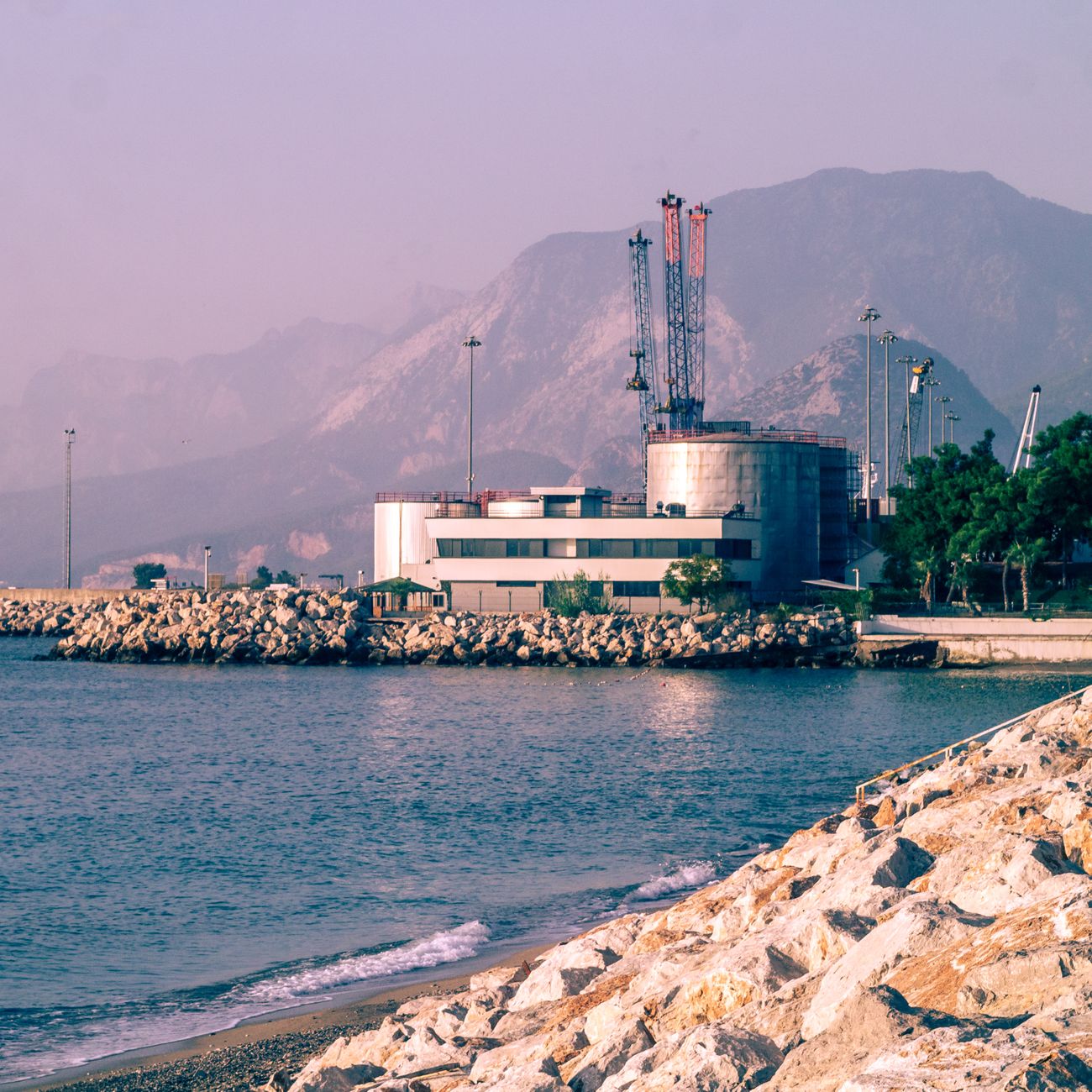
Tank Farm design and construction is a multidisciplinary endeavour that integrates civil, structural, mechanical, electrical and environmental engineering. Mastery of the specialised vocabulary is essential for professionals who must translate design intent into safe, reliable and cost‑effective installations. The following exposition details the most frequently encountered terms, providing definitions, practical examples, typical applications and the challenges that arise in real‑world projects.
API 650 is the American Petroleum Institute specification for welded steel tanks used to store oil and related products at atmospheric pressure. The standard defines design criteria, material selection, fabrication methods, inspection requirements and testing procedures. For example, a 30 000 m³ crude oil storage tank built to API 650 will have a shell thickness calculated from the allowable stress of the chosen steel grade, the design temperature and the maximum expected hydrostatic pressure. A common challenge is that API 650 permits a limited number of design temperatures; when the operating temperature falls outside the standard range, designers must apply a “design temperature correction factor” or resort to the more flexible API 620 standard.
Design basis is the collection of assumptions, codes, standards and project‑specific requirements that drive the engineering solution. It includes the intended product, operating temperature, pressure, seismic zone, wind speed and fire protection level. An accurate design basis prevents costly redesigns. For instance, if the design basis specifies a seismic category D location, the tank foundation must be capable of withstanding the corresponding ground acceleration, often requiring base isolation or reinforced concrete mats.
Secondary containment refers to the system that captures accidental releases from primary storage vessels, preventing soil and water contamination. The most common form is a concrete or earthen berm surrounding the tank cluster, sized to hold 110 % of the largest tank’s capacity according to EPA regulations. In practice, a secondary containment berm may be constructed with a 0.6 M thick reinforced concrete wall and a 0.5 M thick compacted earthen liner. The challenges include ensuring watertight integrity, accommodating settlement, and providing access for inspection and maintenance.
Foundation types vary according to soil conditions and tank size. A typical shallow foundation for a small atmospheric tank consists of a reinforced concrete slab with a bearing capacity of 150 kPa. Larger tanks often require a deep foundation, such as driven piles or drilled shafts, especially when built on weak or expansive soils. The design must address differential settlement, which can induce shell stresses leading to buckling. A common mitigation technique is the use of a grout blanket beneath the slab to distribute loads evenly.
Shell is the cylindrical wall of a storage tank, responsible for containing the product and resisting internal and external forces. Shell geometry is defined by diameter, height, shell thickness and crown radius. For example, a 12 m diameter, 15 m high tank may have a shell thickness of 12 mm if constructed from ASTM A36 steel and designed for a maximum hydrostatic pressure of 1.5 Bar. The challenges in shell design include controlling weld distortion, preventing corrosion, and managing thermal expansion.
Roof configurations differ based on product volatility and fire protection requirements. The principal roof types are fixed, floating, and dome. A fixed roof, often a steel plate with a gasketed joint, is suitable for low‑volatility liquids such as diesel. A floating roof, which rises with the liquid level, reduces vapor space and therefore emissions; it is common for gasoline storage. Dome roofs, constructed from reinforced concrete or steel, are used for high‑temperature or high‑pressure operations. The selection must consider thermal expansion, wind uplift and seismic forces.
Venting system design ensures that pressure differentials do not exceed safe limits during filling, withdrawal, temperature changes or fire exposure. Primary vents are typically located at the top of the tank and are equipped with flame arrestors and pressure relief devices. Secondary vents may be installed on the roof to allow for rapid venting in case of fire. A practical example is a pressure/vacuum vent stack that incorporates a flame arrester, a spark‑proof vent and a hydrostatic relief valve. The challenge lies in balancing adequate venting capacity with environmental emission limits.
Pressure relief device (PRD) protects the tank from over‑pressurization caused by thermal expansion, fire exposure or blocked vent lines. PRDs can be spring‑loaded safety valves, rupture discs or combination devices. For a tank storing benzene at 30 °C with a maximum allowable working pressure of 0.2 MPa, a PRD sized to relieve 5 % of the tank volume per minute may be required. The main difficulty is ensuring that the PRD activates at the correct set pressure while remaining free of corrosion and blockage.
Cathodic protection (CP) is a technique to control corrosion of metallic components by making them the cathode of an electrochemical cell. Two common CP methods are galvanic (sacrificial anodes) and impressed current systems. In a typical oil tank farm, zinc anodes are attached to the tank shell and foundation, providing a protective current that offsets the corrosion rate of the steel. The design must calculate the required anode mass based on soil resistivity, tank surface area and coating condition. A frequent challenge is the maintenance of CP efficiency over the tank’s service life, especially in aggressive soil environments.
Coating system protects the steel shell and foundation from corrosion. The most widely used coating for tank shells is a three‑layer system: A primer (often epoxy), an intermediate layer (often an epoxy‑phenolic) and a topcoat (often polyurethane). For the foundation slab, a bituminous membrane or epoxy coating is typical. Application must be performed under controlled temperature and humidity conditions to achieve the specified dry film thickness. Defects such as holidays, delamination or blistering can lead to premature corrosion, necessitating spot repairs or full recoating.
Fire protection for tank farms includes passive measures such as firewalls, fire water spray systems, foam deluge systems and active measures like fire detection and alarm systems. A firewater spray system might consist of a network of sprinkler heads mounted on the tank roof, each delivering 150 L/min at 200 kPa. Foam systems are essential for flammable liquids; a typical design uses a proportioning system that mixes foam concentrate with water at a ratio of 1 % to 3 %. The challenge is ensuring sufficient water supply, pressure and foam concentrate storage to meet the fire flow requirements for the most hazardous tank.
Leak detection technologies range from manual visual inspections to sophisticated electronic systems. Common methods include ultrasonic testing, hydrostatic testing, and continuous monitoring with sensors that detect hydrocarbon vapour or liquid level changes. For example, a tank equipped with a level transmitter that uses radar can provide real‑time data, and an alarm can be triggered if the level drops unexpectedly, indicating a possible leak. Integrating leak detection with a supervisory control and data acquisition (SCADA) system improves response time but introduces challenges related to sensor calibration, data integrity and false‑positive alarms.
Inspection and testing are critical phases that verify conformity with design specifications and regulatory requirements. Typical tests include visual examination, magnetic particle testing of welds, ultrasonic thickness measurement, and hydrostatic pressure testing. A hydrostatic test might involve filling the tank with water to 1.5 Times the design pressure and holding for a prescribed dwell time while monitoring for leaks. The challenge lies in coordinating testing schedules to minimise downtime while ensuring thoroughness and compliance.
Environmental permits govern the construction and operation of tank farms. In many jurisdictions, a National Pollutant Discharge Elimination System (NPDES) permit is required for any storm‑water runoff that may contain contaminants. An Air Quality Permit may be needed if the facility releases volatile organic compounds (VOCs) above a certain threshold. Obtaining these permits often requires detailed environmental impact assessments, baseline monitoring data and mitigation plans. Failure to secure the proper permits can result in costly delays and enforcement actions.
Construction sequencing defines the order of activities to ensure safety, efficiency and compliance. A typical sequence begins with site preparation, earthworks and foundation construction, followed by shell erection, roof installation, internal and external coating, mechanical equipment installation, and finally commissioning. For example, the erection of the shell is usually performed using a crane to lift pre‑fabricated ring sections into place, where they are welded together sequentially. A common challenge is managing the critical path, especially when weather conditions affect concrete curing times or crane availability.
Quality assurance (QA) and quality control (QC) programs are integral to tank farm projects. QA establishes the procedures, documentation and responsibilities required to meet quality objectives, while QC involves the actual inspection, testing and verification activities. A QA plan might specify that all welds be performed by certified welders, that welding procedures be qualified according to AWS D1.1, And that non‑conformance reports be issued for any deviations. The challenge is maintaining rigorous QA/QC throughout the supply chain, particularly when components such as pre‑fabricated shell sections are sourced from multiple vendors.
Project handover includes the transfer of as‑built documentation, operation and maintenance manuals, as well as training for the operating staff. The as‑built package typically contains detailed drawings, material certificates, coating inspection reports, cathodic protection test results and a register of all PRDs and venting devices. A practical application is the creation of a digital twin of the tank farm, which allows operators to simulate scenarios and plan maintenance activities. A challenge in handover is ensuring that all documentation is complete, accurate and easily accessible, especially when the project has involved numerous subcontractors.
Regulatory codes besides API 650, include ASME Section VIII for pressure vessels, NFPA 30 for flammable and combustible liquids, ISO 9001 for quality management, and local building codes. Understanding the hierarchy and interaction of these codes is essential. For instance, a tank that operates at a pressure above atmospheric may need to comply with both API 650 (for the shell) and ASME Section VIII (for the pressure vessel). The difficulty often lies in reconciling differing design philosophies and safety factors between codes.
Thermal expansion considerations are vital for tanks storing liquids with significant temperature variations. The coefficient of thermal expansion for steel is approximately 12 × 10⁻⁶ /°C, meaning a 20 m diameter tank will increase its circumference by about 5 mm for a 20 °C temperature rise. Designers accommodate this movement through expansion joints, flexible pipe connections and roof anchorage systems. A practical example is the use of a sliding roof anchor that permits the roof to move laterally while remaining securely fastened. Failure to account for thermal expansion can result in shell buckling or roof failure.
Wind load analysis follows standards such as ASCE 7 or Eurocode 1, which provide methods to calculate wind pressure based on site wind speed, exposure category and tank geometry. For a tank in an open coastal site with a basic wind speed of 45 m/s, the design wind pressure may reach 2.5 KPa, requiring the tank foundation to resist overturning moments. Wind uplift on the roof also necessitates adequate anchorage. The challenge is that wind loads are highly variable and can be amplified by surrounding structures, requiring site‑specific wind tunnel testing in some cases.
Seismic design is governed by standards such as API 650 Annex A, which outlines seismic categories and ground motion parameters. In high seismic zones, tanks may be required to withstand peak ground acceleration values of 0.3 G or greater. Design measures include base isolation pads, reinforced concrete foundations, and ductile detailing of the shell and roof connections. A practical application is the use of a seismic isolation bearing that decouples the tank from ground motion. A common challenge is balancing seismic resilience with cost, as over‑design can lead to unnecessary expense while under‑design can jeopardise safety.
Material selection extends beyond the structural steel for the shell. Materials for internal piping, pump suction lines, and fittings must be compatible with the stored product to prevent corrosion and contamination. For example, stainless steel (grade 304L) is often used for gasoline service due to its resistance to sulfide attack, whereas carbon steel with appropriate coatings may be acceptable for water or low‑risk hydrocarbons. The challenge is ensuring that material specifications are consistently applied across all vendors and that material test reports are verified.
Instrumentation includes level gauges, temperature sensors, pressure transducers and flow meters. Accurate instrumentation is essential for inventory management, safety interlocks and process control. A typical level measurement system might use a differential pressure transmitter calibrated to the tank geometry, providing real‑time volume calculations. The integration of instrumentation with the plant’s distributed control system (DCS) introduces challenges related to signal integrity, calibration drift and cybersecurity.
Pipeline interface design addresses the connection between the tank and the broader process network. This involves flange selection, gasket material, pipe supports, expansion loops and loop‑type stress analysis. For a high‑flow gasoline line, a 6‑inch NPT flange with a PTFE gasket may be specified, along with a flexible bellows to accommodate thermal expansion. The challenge is to design a connection that can handle dynamic loading, vibration and potential thermal shock without leaking.
Firewater system capacity is calculated based on the most hazardous tank, usually the one containing the most flammable product. The required flow rate is often expressed in litres per minute per cubic metre of tank volume. For a 20 000 m³ gasoline tank, a firewater system might need to deliver 1 200 L/min for a duration of 30 minutes. The design must include pump sizing, storage tank capacity, suction pipe sizing and redundancy to meet NFPA 30 requirements. A practical difficulty is ensuring that the water supply remains reliable during power outages, which may necessitate diesel‑powered standby pumps.
Spill containment systems may incorporate drip pans, sumps, and automatic shut‑off valves. For a tank with a 10 m diameter, a drip pan of 12 m diameter and 0.3 M depth can capture minor leaks. The sump beneath the drip pan is equipped with a level sensor that triggers a pump to remove accumulated liquid to a secondary containment tank. The challenge lies in maintaining the containment system free of debris and ensuring that the pump and sensor remain functional over the plant’s lifespan.
Vent stack height is determined by dispersion modeling to ensure that emitted vapours are diluted below regulatory limits. The stack may be equipped with a scrubber or a flare to treat vapour before release. For a tank farm located near a residential area, a vent stack height of 30 m may be required to achieve acceptable air quality indices. The difficulty is that increasing stack height can increase construction cost and may be limited by site constraints such as nearby structures or airspace regulations.
Roof drainage systems collect rainwater and prevent ponding, which could lead to increased roof load, corrosion or water ingress. Typical drainage involves roof gutters, downspouts, and a collection tank. For a 15 m diameter dome roof, a drainage capacity of 0.2 L/s per square metre may be sufficient. The challenge is designing a system that remains functional in cold climates where ice formation can block gutters, requiring heating elements or regular maintenance.
Construction tolerances define the permissible deviation from design dimensions. For tank shells, tolerances are often specified as ±5 mm for vertical alignment and ±2 mm for plate flatness. Exceeding these tolerances can lead to misalignment of welds, excessive stress concentrations and difficulties during coating application. A practical approach to managing tolerances is the use of laser alignment tools during erection, coupled with close monitoring by the QA/QC team.
Welding procedure specification (WPS) outlines the welding parameters, filler material, pre‑heat and post‑heat temperatures, and inspection criteria for each joint type. For a longitudinal weld on a tank shell, a WPS may call for a shielded metal arc welding (SMAW) process with an E7018 electrode, a pre‑heat of 50 °C, and a post‑heat of 150 °C. The challenge is ensuring that the welding crew follows the WPS precisely, as deviations can compromise joint integrity and lead to failure under pressure.
Non‑destructive testing (NDT) methods such as radiography, ultrasonic testing (UT) and magnetic particle testing (MPT) are employed to detect defects without damaging the component. Radiographic inspection of a butt weld may reveal porosity or lack of fusion, prompting repair. UT can measure remaining wall thickness to assess corrosion loss. The difficulty often lies in interpreting NDT results accurately, especially in complex geometries, and ensuring that inspectors are certified to the appropriate standards (e.G., ASNT Level II).
Hydrostatic testing validates the structural integrity of the tank by filling it with water and pressurising it to a predetermined level, typically 1.5 Times the design pressure. The test duration is usually 30 minutes, during which leak detection and deformation monitoring are performed. For a 10 000 m³ tank, the water volume required may be 12 000 m³, necessitating a temporary water supply and drainage plan. The challenge is managing the large water volume, especially in arid regions, and ensuring that the test does not cause excessive stress on the foundation or surrounding infrastructure.
Commissioning involves a series of functional tests to verify that all systems operate as intended. This includes pressure testing of vent lines, activation of fire detection alarms, calibration of level transmitters, and verification of cathodic protection currents. A commissioning checklist may contain over 100 items, each requiring sign‑off by the responsible engineer. The practical challenge is coordinating the various trades and ensuring that documentation is completed in a timely manner, as delays in commissioning can postpone the start‑up of the entire plant.
Maintenance strategy for tank farms typically follows a risk‑based approach, combining routine inspections, condition monitoring and corrective actions. Routine visual inspections may be scheduled quarterly, while ultrasonic thickness measurements are performed annually. Predictive maintenance techniques, such as corrosion rate monitoring using CP test stations, help plan coating recoating cycles. A practical example is the implementation of a maintenance management software that tracks inspection dates, generates work orders and records the outcomes. Challenges include ensuring that the maintenance schedule does not interfere with production operations and that personnel are adequately trained to interpret inspection data.
Risk assessment is conducted to identify potential hazards associated with tank farm operations, such as fire, explosion, spill, and environmental impact. The assessment uses methodologies like HAZOP (Hazard and Operability Study) or LOPA (Layer of Protection Analysis) to evaluate likelihood and consequence. For example, a HAZOP might identify a scenario where a valve failure leads to over‑pressurization, and recommend the installation of an additional pressure relief valve as a safeguard. The difficulty is maintaining an up‑to‑date risk assessment as the facility evolves, including changes in product mix or operating conditions.
Regulatory compliance audit is a systematic review performed by internal or external auditors to verify that the tank farm meets all applicable statutes, standards and permits. The audit typically covers documentation, inspection records, environmental monitoring data and safety training records. A practical outcome of an audit may be a corrective action plan that addresses identified gaps, such as updating the emergency response plan. The challenge is ensuring that audit findings are promptly addressed and that the facility remains in compliance throughout its operational life.
Emergency response plan (ERP) outlines procedures for dealing with incidents such as fires, spills, or structural failures. The ERP includes roles and responsibilities, communication protocols, evacuation routes, containment measures and post‑incident reporting. For a tank farm located near a populated area, the ERP may require coordination with local fire services, establishing a temporary command post and conducting regular drills. The challenge is maintaining the ERP’s relevance, as changes in personnel, equipment or site layout require periodic revisions and retraining.
Stakeholder engagement involves communicating with community members, regulators, investors and internal teams throughout the project lifecycle. Effective engagement helps to identify concerns early, obtain necessary approvals and build trust. For instance, a public information session may be held before construction begins to explain the safety measures and environmental protections in place. The challenge is balancing transparency with the protection of proprietary information and ensuring that all stakeholder feedback is adequately addressed.
Cost estimation for tank farm projects incorporates material quantities, labour rates, equipment hire, testing, commissioning and contingency. A detailed bill of quantities (BOQ) is prepared, often using software that integrates with the design model to extract quantities automatically. For a 25 000 m³ tank farm, the material cost may represent 60 % of the total budget, with the remaining split between civil works, coatings, and ancillary systems. A common challenge is managing cost overruns due to unforeseen ground conditions, changes in code requirements or delays caused by supply chain disruptions.
Supply chain management ensures that all components, such as pre‑fabricated shell sections, roof panels, valves and instrumentation, are delivered on schedule and meet quality specifications. Effective supply chain practices include vendor qualification, clear technical specifications, and performance monitoring. A practical example is the use of a vendor portal where suppliers upload material certificates and inspection reports for review before shipment. The difficulty lies in coordinating multiple suppliers across different regions, dealing with customs clearance and mitigating risks of late deliveries.
Construction safety is governed by occupational health and safety regulations, such as OSHA or local equivalents. Safety plans must address hazards like working at heights during roof installation, handling of hazardous chemicals, and operation of heavy equipment. A typical safety measure is the use of fall arrest systems for workers on the tank roof, along with regular safety briefings. The challenge is maintaining a safety culture throughout the project, especially when tight deadlines may pressure teams to cut corners.
Documentation control is the systematic management of all project documents, ensuring that the latest revisions are available to the appropriate personnel. A document control system tracks drawings, specifications, test reports, and permits, assigning unique identifiers and revision numbers. For example, drawing “TFS‑01‑R03” may represent the third revision of the tank foundation plan. The practical challenge is preventing the use of outdated documents, which can lead to construction errors or non‑compliance during inspections.
Future expansion considerations are incorporated into the original design to accommodate additional storage capacity or new product lines. This may involve reserving space for extra tanks, providing modular foundation pads, and designing utility corridors that can be extended. A practical illustration is a tank farm that initially installs three 10 000 m³ tanks with the intention to add two more identical tanks in the future, leaving sufficient clearance for safe access and equipment placement. The challenge is balancing the upfront cost of over‑design with the flexibility required for future growth.
Decommissioning planning addresses the end‑of‑life stage of a tank farm, outlining procedures for cleaning, dismantling, waste disposal and site remediation. Regulatory requirements often dictate that tanks be cleaned to a specified residue level before demolition, and that contaminated soil be removed and treated. For a tank that stored hazardous chemicals, the decommissioning may involve a full hydroblasting of the interior, followed by removal of the shell and foundation. The difficulty lies in estimating the cost and time required for decommissioning early in the project, as these factors can significantly affect the overall lifecycle cost analysis.
Lifecycle cost analysis (LCCA) evaluates the total cost of ownership from design through operation to decommissioning. It includes capital expenditures, operating and maintenance costs, energy consumption, and end‑of‑life expenses. For a tank farm, LCCA may reveal that investing in a higher‑grade coating system reduces corrosion‑related maintenance, resulting in lower total cost over a 30‑year period. The challenge is obtaining accurate data for future cost elements, such as inflation rates, energy prices and regulatory changes.
Digital twin technology creates a virtual replica of the tank farm that mirrors its physical state in real time, using data from sensors, PLCs and SCADA systems. This enables predictive analytics, performance optimisation and remote monitoring. For example, a digital twin can simulate the impact of a temperature surge on tank pressure, allowing operators to pre‑emptively adjust venting strategies. The practical challenge is integrating heterogeneous data sources, ensuring data security, and maintaining the fidelity of the model as the physical asset evolves.
Automation encompasses the use of programmable logic controllers (PLCs), distributed control systems (DCS) and advanced process control (APC) to manage tank operations. Automated level control, for instance, can regulate pump start‑up and shut‑down based on real‑time level measurements, reducing the risk of over‑filling. A common challenge is ensuring that automation logic is robust against sensor failures and that appropriate manual overrides are available for emergency situations.
Process integration refers to the coordination of the tank farm with upstream and downstream units such as refineries, petrochemical plants or loading terminals. This includes the design of product transfer pipelines, pump stations, and loading arms. For a terminal that supplies marine vessels, a loading arm must be capable of rotating to accommodate vessel movements while maintaining a sealed connection. The challenge is managing interface specifications and ensuring that the tank farm can meet the throughput demands without bottlenecks.
Environmental monitoring involves continuous measurement of parameters such as soil gas, groundwater quality, and ambient air concentrations around the tank farm. Monitoring wells may be installed down‑gradient of the secondary containment to detect any migration of hydrocarbons. Data is logged and compared against baseline values to identify trends. A practical difficulty is selecting monitoring locations that provide representative data while minimizing the number of wells, which can be costly to install and maintain.
Regulatory reporting requires periodic submission of operational data to authorities, including production volumes, emissions, incidents and inspection results. For example, the EPA’s Tier 4 reporting may require annual submission of VOC emission calculations, while local fire departments may request quarterly fire drill records. The challenge is ensuring data accuracy, timeliness and compliance with varying reporting formats across jurisdictions.
Training and competency programs ensure that personnel operating and maintaining the tank farm possess the necessary skills and knowledge. Training topics include safety procedures, operational controls, emergency response, and inspection techniques. Certification may be required for specific roles, such as a Certified Welding Inspector (CWI) for welding supervision. A practical challenge is maintaining competency over time, especially as staff turnover occurs, requiring continuous refresher courses and competency assessments.
Change management processes are established to control modifications to the tank farm design, construction or operation. Any change must be evaluated for impact on safety, compliance, cost and schedule, and documented through a formal change request. For instance, a decision to replace a standard vent stack with a taller one to meet new air quality standards would trigger a change order, requiring re‑calculation of wind dispersion, updating of drawings and re‑approval by the regulator. The difficulty lies in balancing flexibility to adapt to new requirements with the need to avoid uncontrolled scope creep.
Performance metrics are used to assess the efficiency and reliability of the tank farm. Common key performance indicators (KPIs) include tank availability, mean time between failures (MTBF), leak detection response time, and environmental incident frequency. Monitoring these KPIs enables continuous improvement. For example, a target tank availability of 99.5 % May be set, and any deviation prompts an investigation into root causes. The challenge is collecting reliable data and interpreting it correctly to drive meaningful improvements.
Contractual arrangements define the responsibilities and risk allocation between the owner, contractors, and suppliers. Common contract types include lump‑sum, unit‑price and EPC (Engineering, Procurement and Construction). An EPC contract typically places the risk of cost overruns and schedule delays on the contractor, who must deliver a turnkey facility. A practical challenge is negotiating contract terms that protect the owner while providing sufficient incentive for the contractor to deliver high quality work.
Insurance coverage is essential to protect against financial loss due to property damage, business interruption, liability and environmental contamination. Policies may include property insurance for the tanks, equipment breakdown coverage for critical components, and pollution liability insurance for spills. The underwriting process often requires detailed risk assessments and safety audits. A challenge is ensuring that coverage limits are adequate to cover worst‑case scenarios, especially in high‑hazard locations.
Stakeholder risk transfer can be achieved through mechanisms such as performance bonds, guarantees and warranties. For example, a performance bond may guarantee that the contractor will complete the tank farm according to specifications, providing recourse for the owner if the contractor fails. The challenge is structuring these instruments to align incentives and provide effective protection without imposing excessive financial burdens on the parties involved.
Operational excellence frameworks, such as ISO 55001 for asset management, guide the systematic approach to maximizing the value derived from the tank farm assets. This involves establishing policies, objectives, and processes for lifecycle management, risk assessment, and performance monitoring. A practical application is the development of an asset register that records each tank’s design data, inspection history, maintenance actions and depreciation schedule. The difficulty is integrating these processes into the daily routines of operational staff and ensuring continuous improvement.
Innovation in tank farm design can include the adoption of advanced materials, such as high‑strength low‑alloy (HSLA) steel, which allows for thinner shells and reduced weight, or the use of composite liners for secondary containment. Another emerging trend is the incorporation of renewable energy sources, such as solar panels on roof structures, to power auxiliary systems. While innovation can deliver cost savings and environmental benefits, challenges include the need for additional testing, certification and potential resistance from regulators accustomed to traditional solutions.
Project governance establishes the decision‑making hierarchy, reporting lines and accountability mechanisms throughout the tank farm project. Governance structures typically include a steering committee, project management office (PMO), and functional work‑stream leads. Clear governance ensures that risks are identified early, resources are allocated efficiently, and stakeholder expectations are managed. A practical challenge is maintaining effective communication across diverse teams, especially when the project involves multiple contractors and international partners.
Legal compliance encompasses adherence to contractual obligations, statutory regulations, and industry standards. Non‑compliance can result in penalties, litigation, and reputational damage. For instance, failure to obtain an environmental permit before commencing construction may lead to an enforcement notice and a halt to works. The challenge is keeping abreast of evolving legislation and ensuring that all project documentation reflects current legal requirements.
Health, safety and environment (HSE) management systems integrate policies, procedures and performance monitoring to protect personnel, the public and the environment. An HSE management plan for a tank farm typically includes hazard identification, risk assessment, emergency preparedness, training, and incident investigation. Practical implementation may involve regular safety toolbox talks, routine safety audits, and the use of leading indicators such as near‑miss reporting. The difficulty lies in fostering a proactive safety culture that encourages reporting and continuous learning.
Supply chain resilience has become increasingly important in the context of global disruptions. Strategies to enhance resilience include diversifying suppliers, maintaining strategic inventories of critical components, and establishing local fabrication capabilities. For a tank farm project, having a secondary source for high‑grade steel plates can mitigate the risk of delays caused by geopolitical events. The challenge is balancing the cost of redundancy with the benefits of reduced vulnerability.
Digital documentation platforms enable real‑time access to project information, facilitating collaboration among design engineers, contractors and owners. Cloud‑based document repositories allow version control, automated notifications of revisions, and secure sharing with external stakeholders. A practical benefit is the ability to quickly retrieve the latest coating inspection report during a regulatory audit. The challenge is ensuring cybersecurity, data integrity and compliance with data protection regulations.
Operational handover is the transition phase where the constructed tank farm is transferred from the construction team to the operations team. This phase includes the delivery of as‑built drawings, commissioning reports, training records, and warranty documents. A comprehensive handover checklist ensures that all critical systems are functional, that spare parts are available, and that operators are familiar with operating procedures. The difficulty often lies in aligning the schedules of the construction close‑out and the start‑up of production, which may be constrained by external factors such as market demand.
Continuous improvement methodologies, such as Plan‑Do‑Check‑Act (PDCA) or Six Sigma, are applied to enhance tank farm performance over time. For example, a root‑cause analysis of a recurring leak may lead to the implementation of a more rigorous coating inspection protocol, reducing future leak incidents. The challenge is sustaining momentum for improvement initiatives, especially when day‑to‑day operational pressures dominate attention.
Stakeholder communication plans define the frequency, format and audience for information dissemination throughout the tank farm project. Effective communication strategies may include newsletters, progress dashboards, community liaison meetings and regulatory briefings. A practical example is the use of a project website that provides real‑time updates on construction milestones, safety performance and environmental monitoring results. The challenge is tailoring the message to diverse audiences while maintaining confidentiality of sensitive technical data.
Integrated project delivery (IPD) is a collaborative approach that aligns the interests of the owner, designers, contractors and suppliers through shared risk and reward. In an IPD arrangement for a tank farm, all parties may be incentivized to achieve cost savings and schedule acceleration, with performance bonuses tied to predefined targets. The challenge is establishing trust among participants, defining clear contractual terms, and managing the complexities of joint decision‑making.
Regulatory liaison involves ongoing interaction with authorities to obtain permits, address compliance queries and coordinate inspections. Effective liaison requires maintaining up‑to‑date records, responding promptly to requests, and providing clear technical explanations. For example, during a fire safety inspection, the regulator may request evidence of functional firewater pumps, which must be demonstrated through test reports. The difficulty is navigating differing regulatory expectations across jurisdictions, especially when the tank farm spans multiple legal jurisdictions.
Asset integrity management (AIM) focuses on preserving the condition of the tank farm assets throughout their service life. AIM programs incorporate inspection planning, condition monitoring, risk assessment and maintenance execution. A practical tool is a risk‑based inspection (RBI) matrix that prioritises components based on likelihood of failure and consequence severity. The challenge is integrating AIM data with operational planning to avoid unplanned shutdowns while maintaining safety standards.
Process safety management (PSM) is a systematic approach to preventing releases of hazardous chemicals. PSM elements include process hazard analysis, mechanical integrity, operating procedures and management of change. For a tank farm handling flammable liquids, a PSM program would require regular review of the hazard analysis, verification of pressure relief devices, and rigorous training of operators. The challenge is ensuring that PSM requirements are embedded in daily operations and that any changes to the process are evaluated for safety impact.
Environmental stewardship emphasizes the responsibility to minimize the ecological footprint of the tank farm. Practices include using low‑VOC coatings, implementing rainwater harvesting for firewater reserves, and restoring vegetation around the site after construction. A practical example is the installation of a bio‑filtration system to treat vapour emissions from the vent stack, reducing odor impact on nearby communities. The challenge is balancing operational efficiency with environmental protection, especially when cost considerations compete with sustainability goals.
Lifecycle sustainability assessments evaluate the environmental impact of the tank farm from material extraction through decommissioning.
Key takeaways
- The following exposition details the most frequently encountered terms, providing definitions, practical examples, typical applications and the challenges that arise in real‑world projects.
- For example, a 30 000 m³ crude oil storage tank built to API 650 will have a shell thickness calculated from the allowable stress of the chosen steel grade, the design temperature and the maximum expected hydrostatic pressure.
- For instance, if the design basis specifies a seismic category D location, the tank foundation must be capable of withstanding the corresponding ground acceleration, often requiring base isolation or reinforced concrete mats.
- The most common form is a concrete or earthen berm surrounding the tank cluster, sized to hold 110 % of the largest tank’s capacity according to EPA regulations.
- Larger tanks often require a deep foundation, such as driven piles or drilled shafts, especially when built on weak or expansive soils.
- For example, a 12 m diameter, 15 m high tank may have a shell thickness of 12 mm if constructed from ASTM A36 steel and designed for a maximum hydrostatic pressure of 1.
- A floating roof, which rises with the liquid level, reduces vapor space and therefore emissions; it is common for gasoline storage.