
Understanding Equine Therapy
Equine‑Assisted Intervention is the umbrella term that covers all therapeutic activities that involve horses as a central component of the therapeutic process. In the context of autism, this term refers to any structured program where the h…
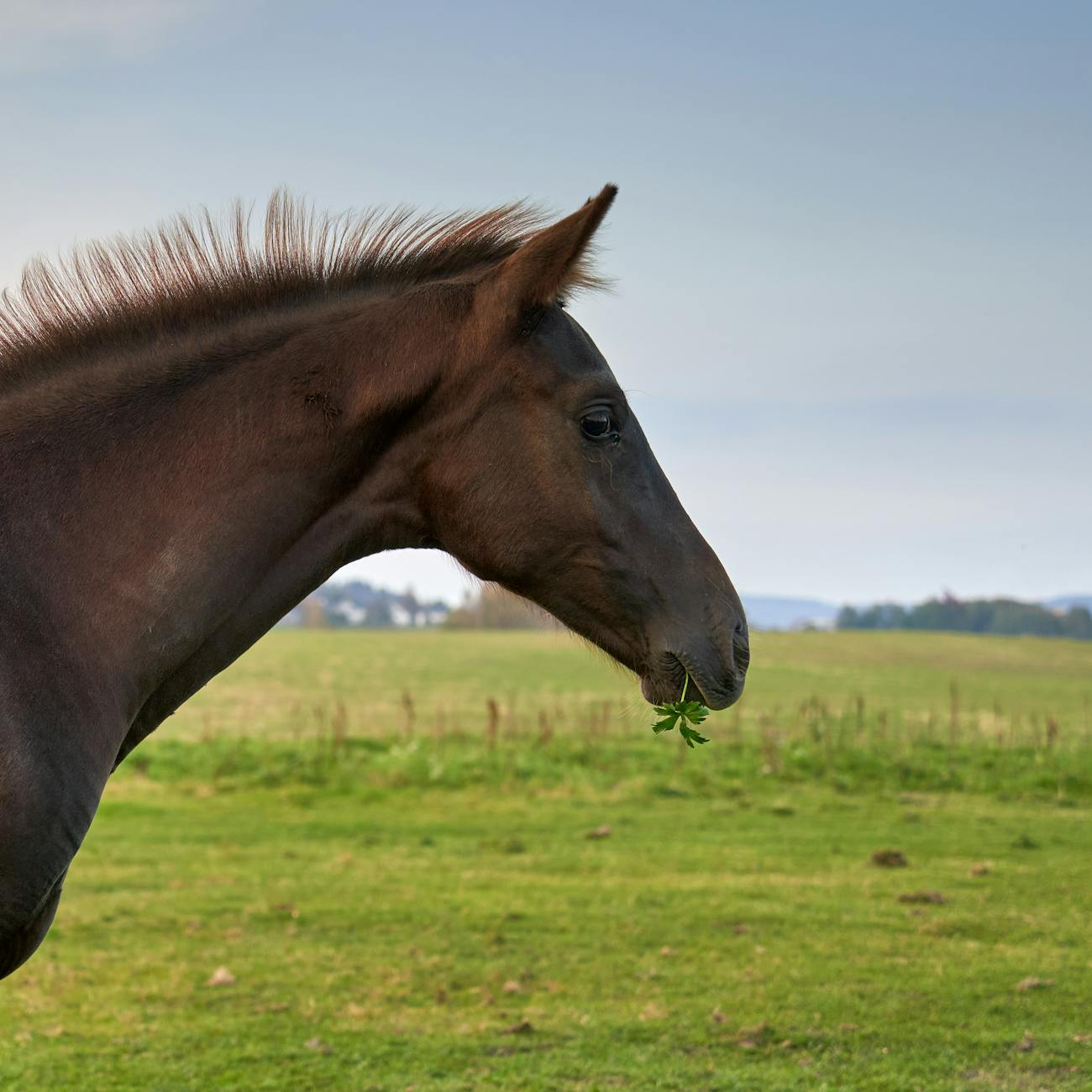
Equine‑Assisted Intervention is the umbrella term that covers all therapeutic activities that involve horses as a central component of the therapeutic process. In the context of autism, this term refers to any structured program where the horse is used to promote sensory, emotional, cognitive and social development. The term is deliberately broad because it includes both mounted activities, where the client sits on the horse, and ground‑based activities, where the client works with the horse from the ground. Understanding the distinction between these modalities is essential for planning safe and effective sessions.
Therapeutic Riding specifically denotes a form of Equine‑Assisted Intervention in which the client rides a horse under the supervision of a qualified therapist and an experienced horse handler. The primary aim is to improve balance, coordination, postural control and confidence. For example, a child with autism who has difficulty with proprioceptive input may benefit from the rhythmic movement of the horse’s gait, which provides deep pressure and vestibular stimulation. The benefits are not limited to physical outcomes; the riding experience also encourages communication, trust and a sense of achievement.
Mounted Therapy is a broader term that includes therapeutic riding but also encompasses sessions that are explicitly designed to address psychological or behavioural goals. While therapeutic riding often follows a standard curriculum focused on riding skills, mounted therapy may integrate activities such as storytelling, role‑play or problem‑solving while the client is on the horse. A practical example is a session where the client is asked to describe a favorite story while maintaining a steady trot; this simultaneously engages language skills and motor control.
Groundwork refers to the set of activities performed on the ground that develop the client’s relationship with the horse before any riding takes place. Groundwork can include grooming, leading, lunging, and desensitisation exercises. These activities are crucial for establishing safety, building trust and teaching the client to read the horse’s body language. For instance, a child may learn to recognise the subtle shift in a horse’s ears that signals discomfort, which in turn teaches the child to monitor and respond to non‑verbal cues.
Horse Behaviour is a core vocabulary area for any practitioner. Horses are herd animals with a strong flight response; they communicate primarily through body language such as ear position, tail swish, nostril flare and muscle tension. Understanding these signals allows the therapist to anticipate a horse’s reaction and to intervene before a situation escalates. A common example is the “head‑up” posture, which often indicates alertness or curiosity; a therapist who misreads this as aggression may inadvertently increase the client’s anxiety.
Equine Welfare is a mandatory consideration that underpins all ethical practice. The health, comfort and emotional state of the horse directly affect the quality of the therapeutic experience. Welfare standards include regular veterinary checks, appropriate nutrition, adequate turnout time, and a schedule that prevents over‑use. Practitioners must be able to assess signs of fatigue, such as a lowered head carriage or uneven gait, and adjust the session length accordingly.
Autism Spectrum Disorder (ASD) is a neurodevelopmental condition characterised by differences in social communication, sensory processing and behaviour. In the United Kingdom, the diagnosis is based on criteria outlined in the DSM‑5 and supported by assessment tools such as the ADOS‑2. When designing equine therapy programmes, practitioners must consider the heterogeneity of ASD; for example, some clients may be hypersensitive to auditory stimuli, while others may seek deep pressure. Tailoring activities to individual sensory profiles maximises the therapeutic impact.
Neurodiversity is a paradigm that views autism as a natural variation of human cognition rather than a deficit to be corrected. This perspective encourages practitioners to focus on strengths, such as pattern recognition or detail orientation, and to use the horse as a medium for enhancing those strengths. For instance, a child who excels at visual-spatial tasks might be guided to navigate a course of cones while on horseback, thereby linking a preferred skill to physical coordination.
Sensory Integration describes the process by which the brain organises and interprets sensory information from the environment. Horses provide rich multimodal input: The rhythmic motion stimulates the vestibular system; the warmth of the animal’s body offers proprioceptive feedback; the scent of the horse and stable adds olfactory stimulation. By carefully modulating these inputs, therapists can help clients develop a more regulated sensory profile. A practical exercise might involve the client wearing a weighted vest while grooming the horse, combining deep pressure with tactile engagement.
Motor Planning refers to the ability to conceive, organise and execute a sequence of movements. Many individuals with ASD experience challenges in this area, which can manifest as clumsiness or difficulty with complex tasks. The three‑point turn performed on a horse—where the client must coordinate reins, legs and posture—serves as a functional motor‑planning activity. Therapists can break the task into smaller steps, provide visual prompts, and gradually increase complexity as competence improves.
Communication in the equine context is both verbal and non‑verbal. Verbal instructions such as “stop” or “turn left” are complemented by non‑verbal cues like hand signals, body posture and eye contact. For clients with limited spoken language, the horse’s response to subtle gestures can serve as a powerful feedback loop, reinforcing the client’s attempts at communication. A case example: A non‑verbal teenager uses a gentle tap on the horse’s flank to indicate a desire to stop; the horse’s compliance reinforces the teenager’s agency and encourages further attempts.
Therapeutic Alliance denotes the collaborative relationship between therapist, client and, in this specialised field, the horse. A strong alliance is built on trust, mutual respect and shared goals. It is essential for maintaining motivation and for achieving measurable outcomes. Therapists should regularly review goal progress with the client and caregivers, using language that is clear and supportive. For example, instead of stating “the session was ineffective,” a therapist might say, “the client showed increased confidence when guiding the horse today.”
Risk Assessment is a systematic process that identifies potential hazards associated with each session and implements control measures. Key risk factors include the horse’s temperament, the client’s level of mobility, environmental conditions (e.G., Wet ground) and equipment integrity. A written risk assessment should be completed before the programme begins and reviewed after each session. An illustrative scenario: If a client is prone to seizures, the therapist must ensure the horse is trained to remain calm and that a rapid‑release harness is available.
Safety Protocols are the actionable steps derived from the risk assessment. They include procedures for mounting and dismounting, the use of helmets and protective boots, and emergency response plans. For example, the protocol may dictate that the therapist always stands on the horse’s left side when the client mounts, as this is the traditional “near side” position that offers the most stability. Additionally, a clear signal—such as a raised hand—can be used to indicate that the client should stop the horse immediately.
Professional Boundaries are essential to maintain ethical practice and protect both client and horse. Boundaries include clear role definitions (therapist vs. Handler), confidentiality agreements, and respect for personal space. In equine therapy, the overlapping roles of therapist and horse handler can create ambiguity; therefore, programmes often designate a separate handler who is responsible for the horse’s welfare, while the therapist focuses on the client’s therapeutic goals. This division of labour reduces the risk of dual relationships and ensures that each professional operates within their scope of practice.
Ethical Considerations encompass the duty to obtain informed consent, to respect the autonomy of the client, and to ensure that the horse is not subjected to undue stress. Informed consent should detail the nature of the activities, potential risks, and the right to withdraw at any time. For clients who are minors, consent must be obtained from a parent or legal guardian, and assent should be sought from the child wherever possible. Ethical practice also involves transparent reporting of outcomes and a commitment to ongoing professional development.
Record Keeping is the systematic documentation of each session, including client observations, horse behaviour, interventions used, and any incidents. Accurate records support continuity of care, enable outcome measurement and provide legal protection. A typical entry might read: “Client demonstrated increased tolerance to auditory stimulus during grooming; horse showed relaxed ear position throughout.” Such concise notes capture both client progress and equine welfare.
Outcome Measures are the tools used to evaluate the effectiveness of the therapy. Common measures in autism equine programmes include the Social Responsiveness Scale (SRS), the Sensory Profile, and functional motor assessments like the Bruininks‑Oseretsky Test of Motor Proficiency. In addition to quantitative scores, qualitative observations—such as increased eye contact with the horse—are valuable. Data should be collected at baseline, mid‑programme and post‑programme to track change over time.
Evidence Base refers to the body of research that supports the use of horses in therapeutic contexts. While the field is still emerging, several peer‑reviewed studies have demonstrated improvements in social interaction, anxiety reduction and motor coordination for individuals with ASD. Practitioners are encouraged to stay abreast of current literature, to critically evaluate study designs, and to contribute findings from their own practice through case reports or collaborative research.
Research Methodology in equine therapy often employs mixed‑methods designs, combining quantitative outcome measures with qualitative interviews. For example, a study might use a pre‑post design to assess changes in the SRS score, while also conducting focus groups with parents to capture perceived benefits. Understanding research methodology enables practitioners to interpret findings accurately and to apply evidence‑based practices.
Generalisation is the process by which skills acquired in the equine setting transfer to other environments. A common challenge is that a client may demonstrate improved social interaction only while on the horse, with limited carry‑over to school or home. To promote generalisation, therapists can incorporate “home‑based” tasks that mirror equine activities, such as practising deep‑pressure techniques using a weighted blanket, or using rhythmic movement (e.G., Marching) to simulate the horse’s gait.
Transfer of Learning is closely related to generalisation but focuses on the cognitive mechanisms that enable a client to apply a learned concept in a new context. For instance, a client who learns to request a break by tapping the horse’s flank may subsequently use a verbal cue to request a break in the classroom. Therapists can facilitate transfer by explicitly teaching the underlying principle (“when I need a break, I signal”) and then practising it across settings.
Desensitisation is a gradual exposure technique used to reduce hypersensitivity to specific stimuli. In the equine environment, desensitisation may involve introducing a client to the sound of a horse’s whinny, the feeling of the horse’s tail brushing against the leg, or the visual stimulus of a moving horse. The process follows a hierarchy, starting with low‑intensity exposure and progressing to higher intensity as tolerance builds. For example, a client who is fearful of the horse’s breath may first observe the horse from a distance, then stand near the horse while it exhales, and finally place a hand on the horse’s muzzle.
Habituation differs from desensitisation in that it involves repeated exposure to a neutral stimulus until it no longer elicits a response. Habituation can be used to help a client become comfortable with routine stable noises, such as the clatter of feed buckets. The key is consistency; presenting the stimulus in a predictable manner reduces novelty and anxiety.
Positive Reinforcement is a learning principle whereby a desirable behaviour is followed by a rewarding consequence, increasing the likelihood of that behaviour recurring. In equine therapy, positive reinforcement is applied to both the horse and the client. For the horse, a treat or a scratch behind the ears can reinforce a calm response. For the client, verbal praise (“You did a great job guiding the horse”) or a preferred activity (extra time on a sensory swing) can reinforce appropriate communication. It is essential that the reinforcement is immediate and directly linked to the behaviour.
Negative Reinforcement involves the removal of an aversive stimulus following a desired behaviour, thereby increasing that behaviour. An example in the equine context is the release of pressure on the reins when the client successfully slows the horse; the removal of tension encourages the client to repeat the correct cue. Care must be taken to ensure that the aversive stimulus is not overly harsh, as this could create fear or resistance.
Reinforcement Schedule determines how often a reinforcement is delivered. A continuous schedule provides reinforcement after every correct response, which is useful in early learning phases. As the client gains proficiency, a variable schedule (reinforcement after irregular intervals) can promote maintenance of the skill. Therapists should plan the schedule in advance and communicate it to the horse handler to ensure consistency.
Prompting is a technique used to support the client in performing a target behaviour. Prompts can be verbal (“Now we’ll turn left”), gestural (pointing towards the direction of travel), or physical (guiding the client’s hand onto the reins). The level of prompting should be gradually faded as the client becomes more independent. Prompt hierarchy is a valuable tool: Start with the least intrusive prompt and increase assistance only if necessary.
Shaping involves reinforcing successive approximations toward a final goal. In the equine context, shaping might be used to teach a client to independently mount a horse. The therapist first reinforces the client’s willingness to approach the horse, then rewards the client for standing beside the horse, then for placing a foot in the stirrup, and finally for completing the full mounting motion. Each step is reinforced until the client can perform the entire sequence without assistance.
Generalised Anxiety is a common co‑occurring condition in individuals with ASD, often manifesting as heightened worry about unpredictable situations. The predictable rhythm of a horse’s gait can act as a calming anchor, reducing anxiety levels during the session. Therapists can harness this effect by incorporating mindfulness cues, such as encouraging the client to focus on the sensation of the horse’s movement, thereby promoting self‑regulation.
Self‑Regulation refers to the ability to monitor and modulate one’s emotional and physiological states. Equine therapy offers multiple avenues for practising self‑regulation: The horse’s steady gait provides vestibular input that can help the client achieve a calm state; the act of grooming can serve as a soothing tactile activity. A practical strategy is to teach the client a “calm‑down” signal, such as gently squeezing the horse’s neck, which they can use when feeling overwhelmed.
Attachment Theory explores the emotional bond that forms between individuals and the objects or beings that provide security. In equine therapy, a secure attachment to the horse can foster a sense of safety that encourages exploration and learning. Therapists should monitor the development of this bond, ensuring that it remains healthy and does not become overly dependent. For example, a client who becomes distressed when separated from the horse may benefit from gradual exposure to brief separations, paired with reassurance.
Social Reciprocity is the back‑and‑forth exchange that underlies typical social interaction. Working with a horse provides a clear, immediate feedback loop: The client initiates a cue, the horse responds, and the client observes the outcome. This loop can be used to teach turn‑taking, joint attention and perspective‑taking. A concrete activity might involve the client and therapist taking turns to give the horse a cue, reinforcing the concept of sharing responsibility.
Joint Attention is the shared focus of two individuals on an object or event. In the equine setting, joint attention can be cultivated by having the client and therapist both look at a target—such as a cone placed on a trail—while the horse moves toward it. The therapist can model the behaviour by pointing and naming the object, then encouraging the client to follow the same cue. This practice supports language development and the ability to coordinate attention with another person.
Perspective‑Taking is the cognitive skill of understanding another’s point of view. Horses, as sentient beings, provide a non‑human perspective that can be used to develop this skill. Therapists can ask the client to consider why the horse might be reluctant to cross a water obstacle, prompting discussion about fear, comfort zones and problem‑solving. Such reflective dialogue encourages empathy and abstract thinking.
Empathy is the capacity to share and understand the feelings of another. Interaction with a horse, which often mirrors the emotional state of the handler, can be a catalyst for developing empathy. For example, a client who notices that the horse’s ears are pinned back may infer that the horse is uncomfortable, leading the client to adjust their own behaviour (e.G., Speaking more softly). This experiential learning is more impactful than abstract teaching alone.
Behavioural Intervention Plan (BIP) is a structured document that outlines strategies for addressing specific challenging behaviours. In autism equine therapy, a BIP may include goals such as reducing meltdowns during grooming or increasing compliance with safety commands. The plan should detail antecedents, desired behaviours, consequences and data collection methods. Therapists collaborate with families and other professionals to ensure consistency across settings.
Antecedent refers to any event or condition that occurs before a target behaviour and may trigger it. In the stable, an antecedent could be the sudden appearance of a loud tractor. Recognising antecedents allows therapists to modify the environment or teach coping strategies. For instance, if a client becomes anxious when the horse’s hooves hit a metal gate, the therapist can introduce a softer surface or provide a visual cue to prepare the client.
Consequence is the event that follows a behaviour and influences its future occurrence. Positive consequences (e.G., Praise) increase the likelihood of a behaviour repeating, while negative consequences (e.G., Removal of a preferred activity) may decrease it. In the therapeutic context, consequences are deliberately selected to reinforce adaptive behaviours. A client who successfully guides the horse through a narrow path may receive a preferred sensory break as a consequence.
Functional Behaviour Assessment (FBA) is a systematic process used to identify the purpose that a challenging behaviour serves for the client. The assessment gathers data on antecedents, behaviours and consequences, often through direct observation and caregiver interviews. Findings from an FBA inform the design of the BIP, ensuring that interventions address the underlying function rather than merely suppressing the symptom.
Motivation is the internal drive that initiates and sustains behaviour. In equine therapy, motivation can be intrinsic (e.G., Enjoyment of the horse’s company) or extrinsic (e.G., Receiving a token for completing a task). Therapists should aim to cultivate intrinsic motivation, as it leads to longer‑lasting engagement. Strategies include allowing client choice (e.G., Selecting which activity to start with) and highlighting personal interests (e.G., Integrating a favorite animal story into a grooming routine).
Self‑Efficacy is the belief in one’s capability to execute actions required to achieve specific outcomes. Successful experiences with the horse—such as leading it around a paddock—build self‑efficacy. Therapists can reinforce this belief by providing clear, achievable tasks and acknowledging successes, no matter how small. A client who successfully halts a horse after a verbal cue is likely to feel more competent in other communication tasks.
Motor Learning is the process by which practice leads to relatively permanent changes in movement performance. Equine therapy provides a dynamic environment that challenges balance, timing and coordination, essential components of motor learning. Therapists should incorporate principles such as repetition, feedback and variability. For example, after mastering a steady trot, the client can be asked to navigate a small obstacle, thereby extending the learned skill.
Feedback can be intrinsic (sensations felt by the client) or extrinsic (verbal or visual cues from the therapist). Immediate, specific feedback accelerates learning. In the equine context, extrinsic feedback might be a therapist saying, “You kept your shoulders relaxed while the horse turned,” which helps the client associate the correct posture with the successful movement.
Observational Learning occurs when an individual acquires new behaviours by watching another model. In therapy, the client may observe the therapist or a peer correctly handling the horse, then imitate the actions. This method is especially useful for clients who struggle with direct instruction. Therapists can enhance observational learning by providing clear, step‑by‑step demonstrations and encouraging the client to comment on what they observed.
Peer Modelling extends observational learning to include classmates or other participants. In group equine sessions, a more advanced participant can serve as a model, demonstrating a skill such as applying a rein cue. The client then practices the same skill, benefiting from the social reinforcement that peers provide. This approach also promotes social interaction and collaborative problem‑solving.
Reflective Practice is the ongoing process of analysing one’s own actions to improve professional competence. Therapists engaged in reflective practice regularly review session notes, consider what worked well, and identify areas for improvement. Reflection may be facilitated through supervision, journaling or peer discussion. For instance, a therapist might note that a client became unusually agitated during a grooming activity and later explore whether the sensory load was too high.
Supervision provides a structured forum for therapists to discuss cases, receive feedback and maintain professional standards. In equine therapy, supervision often involves both clinical and equine experts, ensuring that both therapeutic and animal‑welfare perspectives are addressed. Supervisors can help therapists navigate complex ethical dilemmas, such as balancing a client’s desire for more riding time with the horse’s fatigue levels.
Continuing Professional Development (CPD) is the requirement for practitioners to maintain and enhance their skills throughout their career. CPD activities may include attending workshops on autism, completing equine‑handling certifications, or participating in research conferences. In the UK, many professional bodies require a minimum number of CPD hours per year to retain registration.
Accreditation is the formal recognition that a programme or practitioner meets established standards. For a Certificate Programme in Autism Equine Therapy, accreditation may be granted by bodies such as the British Association of Equine‑Assisted Activities (BAEAA) or the Health and Care Professions Council (HCPC). Accreditation assures employers, clients and families that the training adheres to rigorous quality criteria.
Inter‑Professional Collaboration emphasises the importance of working with a range of specialists, including speech‑language therapists, occupational therapists, psychologists and veterinary professionals. Collaboration ensures that the client’s holistic needs are addressed. For example, an occupational therapist may advise on sensory adaptations, while the equine therapist focuses on the relational and motor aspects.
Client‑Centred Planning places the individual’s preferences, strengths and goals at the core of the therapeutic process. In practice, this means conducting an initial interview with the client and caregivers to identify what the client enjoys (e.G., Brushing the horse) and what challenges they wish to address (e.G., Improving eye contact). The resulting plan should be flexible, allowing adjustments as the client’s needs evolve.
Goal Setting involves establishing specific, measurable, achievable, relevant and time‑bound (SMART) objectives. A goal for a child with ASD might be: “Within eight weeks, the client will independently lead the horse for a distance of 50 metres without verbal prompting.” Clear goals enable progress tracking and provide motivation for both client and therapist.
Session Structure typically follows a predictable format to reduce anxiety: Opening (greeting, safety check), warm‑up (groundwork, breathing exercises), core activity (riding or mounted tasks), cool‑down (gentle grooming, reflection) and closure (review of goals, plan for next session). Consistency in structure supports routine, which is often comforting for individuals with autism.
Therapeutic Environment includes the physical space, sensory characteristics and social atmosphere of the stable. A well‑lit, low‑noise area with familiar scents can reduce sensory overload. The environment should also be safe for the horse, with non‑slippery footing and clear boundaries. Therapists can modify the environment to suit individual sensory profiles—for instance, using a portable sound‑masking device for clients who are sensitive to sudden noises.
Equipment such as helmets, protective boots, saddles, reins and harnesses must be appropriately fitted and regularly inspected. The saddle should distribute weight evenly to avoid pressure points on the horse’s back, while the client’s helmet must meet British Standard BS EN 1384. Proper equipment not only safeguards physical health but also enhances confidence, as clients feel secure when they know they are protected.
Communication Aids support clients who have limited verbal language. These may include picture exchange systems, speech‑generating devices, or simple hand signals. During a session, a client might use a picture card to indicate a desire to stop, prompting the therapist to respond promptly. Incorporating these aids into the equine context reinforces their utility across environments.
Behavioural Cueing involves the use of discreet signals to guide the client’s actions. For instance, a therapist may place a small marker on the ground to indicate where the client should position themselves before mounting. Cueing can be visual, auditory or tactile, and should be consistent to avoid confusion.
Stress Management strategies are vital for both client and horse. For the client, techniques such as deep breathing, counting, or using a calming object (e.G., A smooth stone) can be taught. For the horse, regular rest periods, access to water and a calm stable area are essential. Monitoring physiological signs—such as heart rate for the client or respiratory rate for the horse—helps identify stress early.
Physiological Monitoring may involve simple tools like a pulse oximeter for the client or a stethoscope for the horse. Tracking heart rate before, during and after a session provides objective data on arousal levels. A significant increase in the client’s heart rate during a trot may indicate overstimulation, prompting the therapist to adjust the activity intensity.
Behavioural Observation is the systematic recording of actions and reactions. Observers note the client’s eye contact, facial expressions, vocalisations and motor responses, as well as the horse’s posture, ear position and gait. Structured observation sheets help ensure that important details are not overlooked and that data can be compared across sessions.
Data Analysis transforms raw observations into meaningful information. Simple quantitative methods—such as calculating the frequency of eye contact per minute—can reveal trends. Qualitative analysis, such as thematic coding of verbal reflections, provides deeper insight into the client’s experience. Combining both approaches yields a comprehensive picture of progress.
Program Evaluation assesses the overall effectiveness of the equine therapy programme. Evaluation may include satisfaction surveys from families, outcome measure comparisons and cost‑benefit analyses. Findings guide future improvements, inform funding decisions and contribute to the broader evidence base.
Funding Sources for equine therapy programmes in the UK can include local authority grants, charitable donations, NHS commissioning and private fees. Understanding the funding landscape enables programme managers to secure sustainable resources. For example, a grant from a local autism charity may cover the cost of a new horse‑stable facility, while NHS funding may support therapist salaries.
Legal Requirements encompass health and safety legislation, animal welfare laws and data protection regulations. In the UK, the Health and Safety at Work Act 1974 mandates risk assessments and training for all staff. The Animal Welfare Act 2006 requires that the horse’s needs are met and that any distress is minimized. The General Data Protection Regulation (GDPR) governs the handling of client records, demanding secure storage and informed consent for data use.
Insurance is essential to protect both the organisation and individuals involved. Policies typically cover public liability, professional indemnity and animal insurance. Public liability covers injuries to third parties, professional indemnity protects against claims of negligence, and animal insurance addresses loss or injury to the horse. Practitioners should verify that their insurance covers the specific activities of equine therapy.
Confidentiality ensures that personal information about the client is kept private. Therapists must store records securely, share information only with authorised personnel, and obtain consent before disclosing details to external agencies. In group sessions, participants should be reminded to respect each other’s privacy, especially when discussing personal experiences.
Informed Consent is the process of providing clear, understandable information about the therapy, its risks and benefits, and obtaining a voluntary agreement to participate. For minors, consent must be obtained from a parent or legal guardian, while assent from the child should be sought whenever possible. Consent forms should be reviewed regularly and updated if the programme changes.
Cultural Competence recognises that families from diverse backgrounds may hold different beliefs about animals, therapy and disability. Practitioners should explore these perspectives early, adapt communication styles, and respect cultural values. For instance, some families may have religious concerns about interacting with horses; open dialogue can lead to mutually acceptable modifications, such as using a different animal or adjusting session timings.
Family Involvement is a cornerstone of successful autism interventions. Families can be invited to observe sessions, participate in goal setting and provide feedback. Engaging families also facilitates the transfer of skills to the home environment. A practical approach is to schedule a “home‑skill” workshop where parents practice grooming techniques with the horse, mirroring the therapeutic activities.
Transition Planning addresses the need to move clients from the equine programme to other services or to adulthood. Planning should begin early, ideally six months before the anticipated transition, and involve all stakeholders. The plan may include referrals to community riding clubs, vocational training or continued therapeutic support. Clear documentation of the client’s progress and needs ensures continuity of care.
Advocacy involves promoting the rights and needs of individuals with autism within the equine sector and beyond. Therapists can advocate for accessible facilities, inclusive policies and increased funding. Participation in professional networks, public speaking and publishing case studies are ways to raise awareness and influence policy.
Technology Integration can enhance the therapeutic experience. Devices such as wearable motion sensors capture data on the client’s balance and gait, providing objective feedback. Virtual reality (VR) simulations of riding can be used for preparatory training, especially for clients who are initially anxious about real horses. However, technology should complement, not replace, the authentic horse‑client interaction.
Case Study Example 1 – A nine‑year‑old boy with ASD who exhibits severe sensory seeking behaviours was introduced to a calm, two‑year‑old gelding. Initial sessions focused on grounding activities: The child brushed the horse’s mane while the therapist provided verbal prompts about texture. Over six weeks, the child’s tolerance for tactile input increased, as measured by the Sensory Profile. The child progressed to leading the horse around a small paddock, demonstrating improved motor planning and reduced self‑injurious behaviour.
Case Study Example 2 – A teenager with high‑functioning autism and limited verbal output participated in a mounted therapy programme aimed at enhancing social communication. The therapist used a picture exchange system to allow the client to request a “stop” cue while riding. After ten sessions, the client began to use a simple spoken word (“stop”) in addition to the picture, indicating a transition from augmentative to verbal communication. Observations also noted increased eye contact with the therapist during post‑ride debriefs.
Challenges and Solutions – One common challenge is the variability of horse temperament. Some horses may become nervous around unfamiliar stimuli, which can destabilise the therapeutic environment. To mitigate this, programmes should maintain a stable of well‑socialised horses, provide regular training, and conduct pre‑session temperament checks. Another challenge is the limited availability of qualified equine therapists. Solutions include developing mentorship pathways, offering joint training programmes with equine science departments, and creating online modules that cover foundational knowledge.
Documentation Example – Session 12, Date: 15 April 2026. Client: A12. Therapist: J. Smith. Horse: Bella (6 yr, mare). Objective: Increase independent leading distance to 30 m. Observation: Client initiated lead cue after verbal prompt, maintained steady pace, and corrected horse’s deviation using gentle rein pressure. Horse displayed relaxed ear position throughout. Outcome: Client achieved target distance with one verbal prompt; confidence rating (self‑reported) increased from 3 to 5 on a 1‑10 scale. Follow‑up: Introduce obstacle navigation in next session.
Professional Development Pathway – After completing the Certificate Programme, practitioners may pursue a Level 5 Diploma in Equine‑Assisted Therapy, followed by a Master’s degree in Autism Studies. Each stage builds on the foundational knowledge of horse behaviour, therapeutic techniques and autism-specific considerations, culminating in a robust qualification that meets UK professional standards.
Future Directions – Research is increasingly exploring the neurobiological mechanisms underlying the benefits of equine therapy. Functional MRI studies suggest that rhythmic movement may modulate activity in brain regions associated with social cognition. As this evidence accumulates, it is likely that equine therapy will become more integrated into mainstream autism services, with greater funding and interdisciplinary collaboration.
Key takeaways
- The term is deliberately broad because it includes both mounted activities, where the client sits on the horse, and ground‑based activities, where the client works with the horse from the ground.
- Therapeutic Riding specifically denotes a form of Equine‑Assisted Intervention in which the client rides a horse under the supervision of a qualified therapist and an experienced horse handler.
- While therapeutic riding often follows a standard curriculum focused on riding skills, mounted therapy may integrate activities such as storytelling, role‑play or problem‑solving while the client is on the horse.
- For instance, a child may learn to recognise the subtle shift in a horse’s ears that signals discomfort, which in turn teaches the child to monitor and respond to non‑verbal cues.
- A common example is the “head‑up” posture, which often indicates alertness or curiosity; a therapist who misreads this as aggression may inadvertently increase the client’s anxiety.
- Practitioners must be able to assess signs of fatigue, such as a lowered head carriage or uneven gait, and adjust the session length accordingly.
- When designing equine therapy programmes, practitioners must consider the heterogeneity of ASD; for example, some clients may be hypersensitive to auditory stimuli, while others may seek deep pressure.